
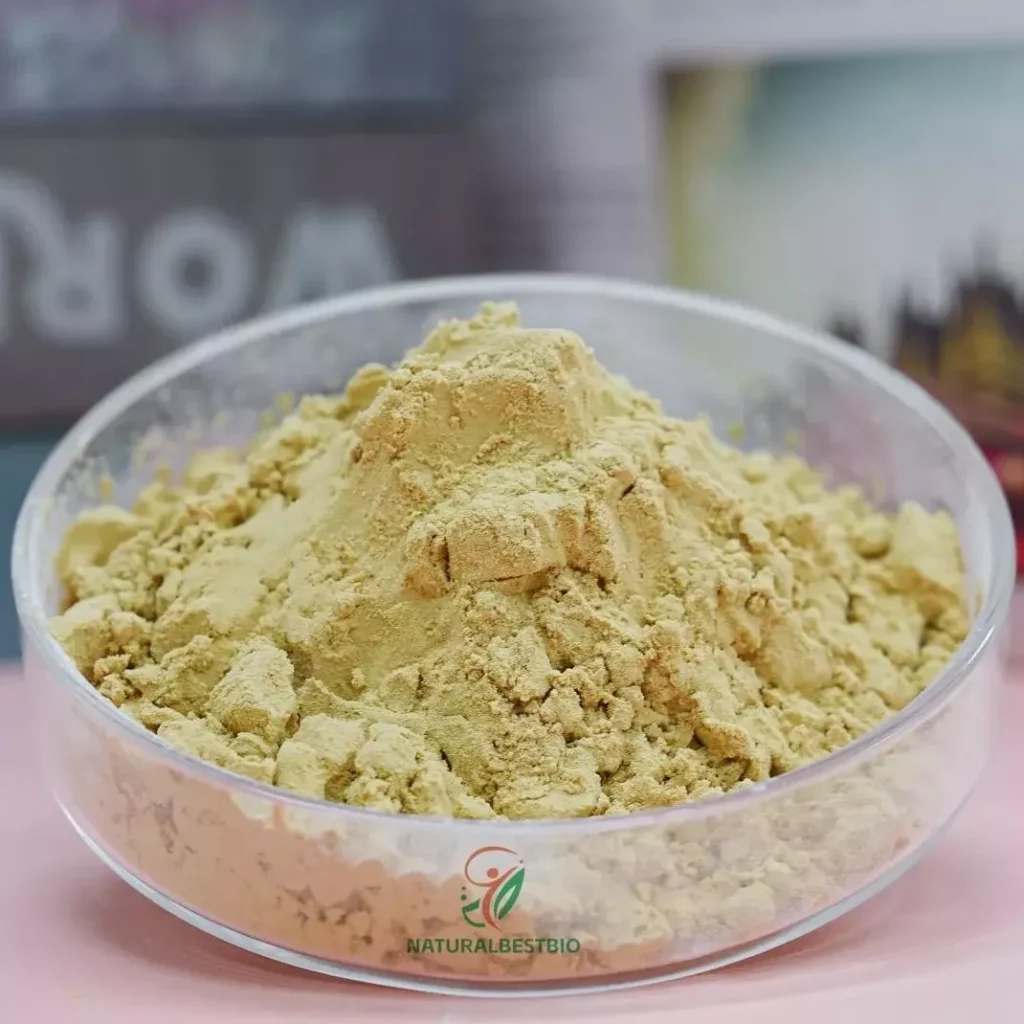
If you are looking to buy trigonelline for your research or industrial project, finding a supplier that offers a verified Certificate of Analysis (COA) is essential. Whether you are operating in a laboratory setting or managing large-scale manufacturing, the ability to buy trigonelline with guaranteed purity and documentation serves as the difference between a successful project and a failed batch.
1. Introduction: What Does It Really Mean to Buy Trigonelline?
At first glance, purchasing this bioactive compound might seem simple. A quick online search reveals dozens of chemical suppliers offering the product. Some vendors promise lower prices, whereas others advertise higher purity. Furthermore, a few claim their material is better suited for pharmaceutical applications. However, not all products are created equal.
Think of buying trigonelline like purchasing specialty coffee beans. Two bags may look similar, but the difference between a high-quality roast and cheap commercial beans becomes obvious once brewed. The same principle applies to chemical compounds. The label may say it is trigonelline, yet the purity, analytical validation, and safety can vary dramatically. Consequently, that matters more than you might think. For research laboratories, impurity levels could distort experimental results; for industrial manufacturers, inconsistent supply could halt production. Therefore, buying it isn’t just a transaction—it’s a quality decision.
In this guide, we’ll walk through everything you need to know before placing an order. We will examine why simply buying “trigonelline powder” isn’t enough, how laboratories and industries approach sourcing differently, and how to evaluate suppliers correctly. By the end, you won’t just know how to buy trigonelline; you will understand how to buy it the right way.
2. Why You Should Buy Trigonelline with a Verified COA
Imagine you’re buying a bottle labeled “trigonelline – 98% purity.” Sounds good, right?
But here’s the real question: Who verified that purity? And how?
This is where the Certificate of Analysis (COA) becomes the single most important document in the entire buying process.
What Is a COA?
A Certificate of Analysis is essentially the scientific passport of a chemical compound, often verified using analytical chemistry techniques. It verifies the identity, purity, and analytical results of a specific production batch.
Without a COA, buying trigonelline is like buying medicine without knowing what’s inside the bottle.
A well-structured COA typically includes:
| Parameter | What It Means | Why It Matters |
|---|---|---|
| Chemical Identity | Confirmed via analytical methods | Ensures the compound is actually trigonelline |
| Purity Percentage | Usually measured by HPLC | Higher purity means better research reliability |
| Batch Number | Unique production identifier | Enables traceability |
| Impurity Profile | Lists contaminants | Important for pharmaceutical safety |
| Testing Methods | Analytical techniques used | Validates credibility |
Why COA Quality Varies Between Suppliers
Not all COAs are equal. Some suppliers provide basic summaries, while others offer comprehensive analytical reports.
For example:
- A low-cost supplier might only list “Purity ≥ 98%”.
- A high-quality supplier might include HPLC chromatograms, NMR verification, and residual solvent analysis.
Compared to minimal documentation, detailed COAs provide stronger reliability and better traceability, though they are often slightly more expensive.
Why Researchers Care So Much About COAs
For scientists, reproducibility is everything.
Imagine testing trigonelline for metabolic activity and later discovering the sample contained unknown alkaloid impurities. The entire experiment becomes questionable.
Compared to poorly documented compounds, COA-verified materials deliver better experimental confidence and faster validation of results.
Why Manufacturers Care Even More
Industrial buyers look beyond purity alone. They evaluate:
- Stability
- Contamination risk
- Regulatory compliance
Compared to lab-grade materials, industrial-grade trigonelline often requires stronger documentation and stricter quality control.
So yes, buying trigonelline without a COA is technically possible—but it’s rarely a smart decision.
3. Scenario A: Buy Trigonelline for Research Labs
Laboratories represent one of the largest buyers of trigonelline.
But their priorities are unique.
Why Labs Use Trigonelline
Researchers often study trigonelline because of its presence in:
- Coffee beans
- Fenugreek seeds
- Plant metabolism pathways
In recent years, it has been investigated for potential roles in:
- metabolic regulation
- neuroprotection
- anti-diabetic research
- plant biochemistry
Lab Purchasing Priorities
Compared to industrial buyers, laboratories prioritize accuracy over volume.
Typical requirements include:
| Lab Requirement | Importance | Reason |
|---|---|---|
| Ultra-high purity | Very high | Prevents experimental interference |
| Analytical documentation | Critical | Supports scientific publishing |
| Small packaging sizes | Practical | Reduces waste |
| Faster delivery | Helpful | Keeps projects on schedule |
Lab Grade vs Industrial Grade Trigonelline
Compared to industrial-grade materials:
- Lab grade trigonelline is usually purer
- It comes in smaller quantities
- It is more expensive per gram
However, the stronger analytical validation makes it better suited for scientific research.
Think of it like buying precision laboratory glassware versus bulk containers—both hold liquids, but one is built for accuracy.
Advantages of Lab-Focused Suppliers
Better traceability
Better purity verification
Better batch consistency
Disadvantages
More expensive per unit
Limited large-scale availability
4. Scenario B: Buy Trigonelline for Industry
Now let’s shift perspective.
Industrial buyers don’t purchase grams—they purchase kilograms or metric tons.
And that changes everything.
Industrial Applications of Trigonelline
Large-scale demand often comes from industries such as:
- nutraceutical manufacturing
- cosmetic formulation
- pharmaceutical intermediates
- functional food development
Industrial Purchasing Priorities
Compared to research labs, manufacturers prioritize supply stability and cost efficiency.
| Factor | Industrial Importance | Explanation |
|---|---|---|
| Supply stability | Critical | Production lines require consistent material |
| Cost per kilogram | Very important | Impacts profit margins |
| Regulatory compliance | Essential | Required for global distribution |
| Bulk logistics | Necessary | Large quantities must ship efficiently |
Bulk vs Small-Scale Purchasing
Compared to small-scale laboratory purchases:
- Bulk orders are more cost-efficient
- Shipping becomes more complex
- Quality systems must be stronger
A manufacturer may accept slightly lower purity if the material is far less expensive and still meets formulation requirements.
Advantages of Industrial Supply Chains
Lower price per kilogram
Faster large-scale production
More scalable logistics
Disadvantages
Higher minimum order quantities
Sometimes slightly lower purity
5. Red Flags: Identifying an Unreliable Trigonelline Supplier
Buying chemicals online can sometimes feel like navigating a jungle.
Some suppliers are excellent.
Others… not so much.
Here are warning signs you should never ignore.
Red Flag 1: Missing COA
No COA usually means no verified testing.
Compared to verified materials, undocumented chemicals carry much higher risk.
Red Flag 2: Prices That Are “Too Good”
If a supplier offers trigonelline 50–70% cheaper than competitors, something is probably wrong.
Lower prices often mean:
- diluted compounds
- outdated stock
- inconsistent synthesis batches
Red Flag 3: No Technical Support
Reliable suppliers usually have chemists or product specialists available.
If a company cannot answer basic technical questions, that’s a serious warning sign.
Red Flag 4: Inconsistent Product Data
Compared to professional suppliers, unreliable vendors often show:
- vague product descriptions
- inconsistent purity claims
- missing analytical methods
6. The Checklist: Your 4-Step Guide to Vetting a Trigonelline Supplier
Before buying trigonelline, run through this simple evaluation checklist.
Step 1: Verify Documentation
Ask for:
- COA
- MSDS
- analytical testing method
Step 2: Evaluate Purity
Compare suppliers offering:
- 95%
- 98%
- 99% purity
Higher purity is better for research, but more expensive.
Step 3: Confirm Production Capability
Industrial buyers should verify:
- manufacturing capacity
- batch consistency
- lead times
Step 4: Compare Total Cost
Don’t just compare price per gram.
Also consider:
- shipping
- import duties
- testing costs
Sometimes a slightly more expensive supplier becomes cheaper overall due to better reliability.
7. Conclusion: How to Buy Trigonelline the Right Way
Buying trigonelline isn’t just about finding a supplier.
It’s about finding the right supplier.
The best purchasing decisions occur at the intersection of:
- quality
- documentation
- supply reliability
- reasonable pricing
Compared to unreliable sources, trusted suppliers provide stronger analytical data, better batch consistency, and faster long-term project success.
In the end, trigonelline itself may be a small molecule—but choosing the right source can make a huge difference.
8. FAQ
| Question | Answer |
|---|---|
| What is trigonelline? | Trigonelline is a naturally occurring alkaloid commonly found in coffee beans and fenugreek seeds. |
| Is trigonelline safe? | In moderate research or formulation use, it is generally considered safe, but purity and dosage must be carefully controlled. |
| What purity should I buy? | Research labs usually prefer ≥98–99% purity, while industrial users may accept slightly lower purity depending on the application. |
| Why is COA important when buying trigonelline? | A COA verifies purity, identity, and impurity levels, ensuring reliable experimental or manufacturing outcomes. |
| Is synthetic trigonelline better than plant-derived trigonelline? | Synthetic trigonelline often offers higher purity and stronger batch consistency, while plant-derived versions may be considered more natural but sometimes less consistent. |
| How much does trigonelline cost? | Prices vary widely depending on purity and quantity. Bulk purchases are usually much less expensive per gram compared to laboratory-scale orders. |
| Can trigonelline degrade during storage? | Yes. Improper storage conditions such as humidity or light exposure may reduce stability over time. |
Related ingredient pages
For buyer evaluation, compare this guide with the closest Nutrition BioTech ingredient pages and sourcing route.