
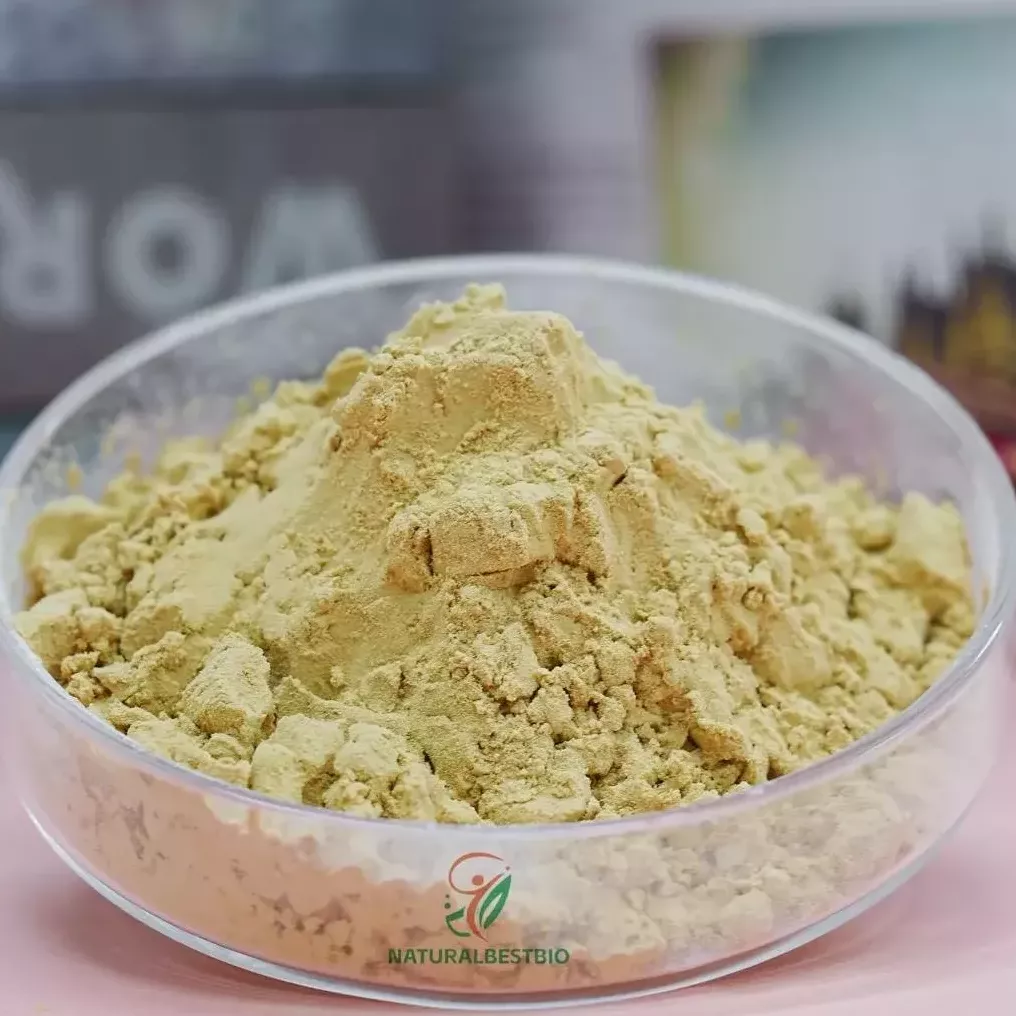
Introduction: The Rising Demand for Trigonelline in Nutraceuticals, Cosmetics, and Pharmaceutical Research
In the world of modern bioactive compounds, trigonelline is quietly becoming a superstar. Once known mainly as a naturally occurring alkaloid found in plants like fenugreek (Trigonella foenum-graecum) and coffee beans, this compound has now stepped into the spotlight across multiple industries. Today, companies producing nutraceuticals, anti-aging cosmetics, and pharmaceutical research materials are increasingly searching for a reliable Trigonelline supplier.
Why the sudden surge in interest?
Simple. Research has revealed that trigonelline offers a wide range of biological benefits, including:
- Potential anti-aging properties
- Neuroprotective effects
- Anti-inflammatory activity
- Support for metabolic health
- Possible anti-diabetic mechanisms
Compared to many synthetic compounds, trigonelline derived from natural plant sources often appeals more strongly to health-conscious consumers and regulatory authorities alike. Natural ingredients are frequently perceived as safer, more sustainable, and better aligned with wellness trends.
However, not all trigonelline products are created equal.
Some suppliers provide low-purity extracts that may work for basic research but fall short in pharmaceutical-grade applications. Others may offer high purity but inconsistent supply, which can disrupt production schedules. Compared to these inconsistent suppliers, a truly reliable Trigonelline supplier delivers:
- Consistent purity levels
- Strong quality control
- Regulatory compliance
- Sustainable sourcing
- Customization capabilities
Think of sourcing trigonelline like choosing a high-performance engine for a sports car. If the engine quality fluctuates, the entire vehicle becomes unreliable. Similarly, a poor-quality trigonelline supply chain can undermine an entire product line.
In this comprehensive guide, we’ll explore what separates an average trigonelline supplier from an exceptional one. We’ll examine production processes, purity standards, regulatory compliance, sustainability practices, and customization options—helping you understand what to look for before choosing a supplier.
Ready to dive in? Let’s begin with one of the most critical factors: purity and pharmaceutical-grade consistency.
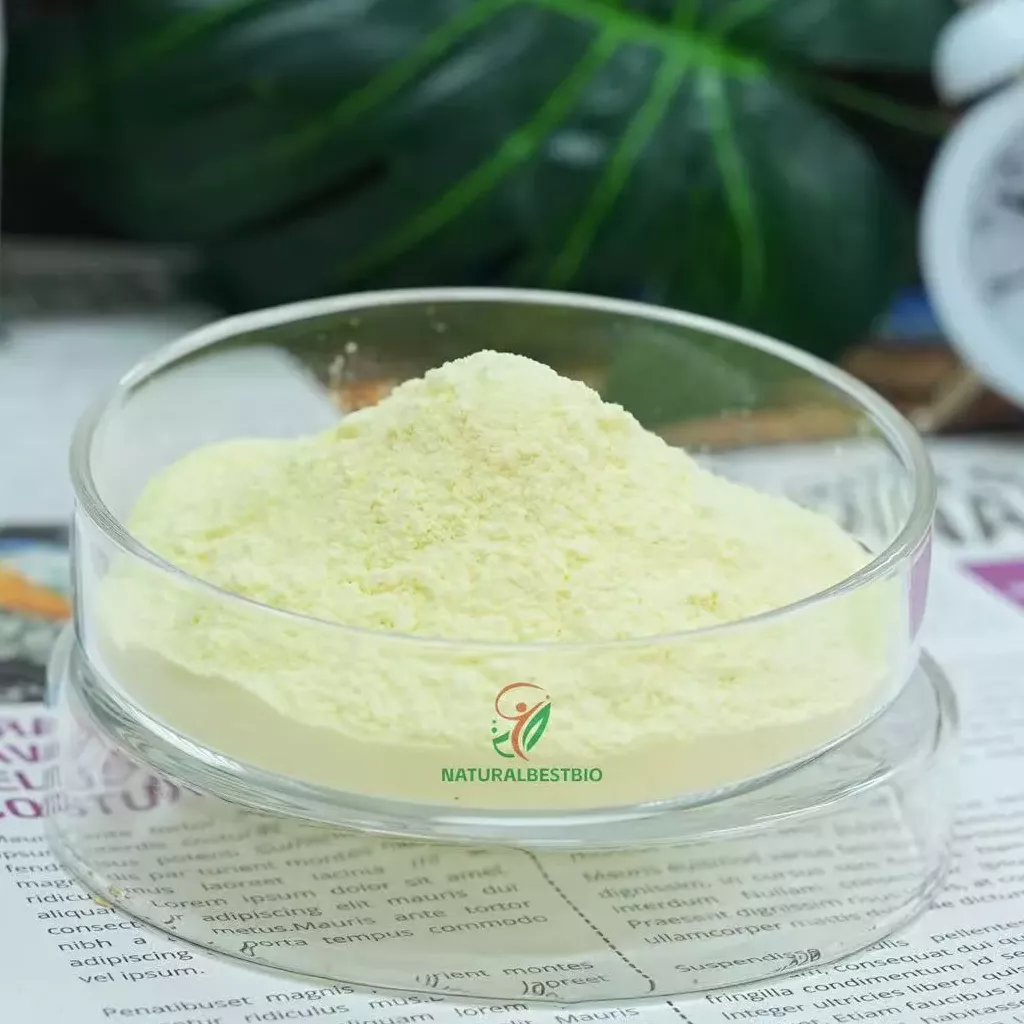
Uncompromising Purity & Pharmaceutical-Grade Consistency
When it comes to sourcing bioactive compounds, purity is everything.
Imagine preparing a pharmaceutical formulation where even 0.5% impurity could alter efficacy or introduce safety risks. In industries like nutraceuticals, cosmetics, and drug development, purity and consistency determine product credibility.
A top-tier Trigonelline supplier understands that pharmaceutical-grade consistency is not optional—it’s essential.
Why Purity Matters
Trigonelline purity directly affects:
- Product efficacy
- Shelf stability
- Safety profile
- Regulatory approval
Compared to crude botanical extracts, high-purity trigonelline isolates offer better stability, stronger biological activity, and more predictable results.
Lower-quality suppliers may offer 90–95% purity, which may appear acceptable on paper. However, compared to ≥98% or ≥99% pharmaceutical-grade trigonelline, these lower grades may contain:
- Residual solvents
- Plant impurities
- Unidentified alkaloids
These impurities can complicate product development.
Purity Levels Compared
Descriptive Comparison of Trigonelline Purity Grades
| Purity Grade | Typical Applications | Advantages | Limitations |
|---|---|---|---|
| 90–95% | Basic research | Less expensive | Lower consistency |
| 95–98% | Nutraceuticals | Good balance of cost and quality | May contain trace impurities |
| ≥98–99% | Pharmaceuticals & high-end cosmetics | Stronger reliability and purity | More expensive |
Compared to lower grades, pharmaceutical-grade trigonelline provides stronger reproducibility in clinical research and formulation development.
Analytical Testing Standards
A reliable Trigonelline supplier should employ advanced analytical tools such as:
- HPLC (High Performance Liquid Chromatography)
- LC-MS
- NMR spectroscopy
These methods verify:
- Molecular identity
- Purity percentage
- Contaminant profile
Compared to suppliers relying on basic testing methods, companies using advanced analytical validation provide faster quality verification and stronger reliability.
Batch-to-Batch Consistency
Another major factor? Consistency across batches.
Imagine producing a cosmetic anti-aging serum. If one batch of trigonelline has 99% purity and the next drops to 95%, the formulation behavior may change.
Compared to inconsistent suppliers, a high-quality trigonelline supplier provides standardized production with tight specification ranges.
Vertically Integrated Production: From Seed to Shipment
One of the biggest differences between premium suppliers and commodity traders lies in vertical integration.
What does that mean?
It means the supplier controls the entire production chain, from raw material sourcing all the way to final shipment.
Think of it like farm-to-table dining—but for bioactive compounds.
Why Vertical Integration Matters
Compared to brokers who simply purchase trigonelline from multiple factories, vertically integrated suppliers provide:
- Better traceability
- More consistent quality
- Faster production cycles
- Lower contamination risk
The supply chain typically includes:
- Plant cultivation
- Raw material processing
- Extraction
- Purification
- Quality control
- Packaging and distribution
Each step contributes to the final product quality.
Raw Material Sources
Trigonelline is commonly extracted from:
- Fenugreek seeds
- Coffee beans
- Certain legume plants
Compared to coffee-derived trigonelline, fenugreek extraction often provides higher concentration yields, making it more cost-effective in large-scale production.
Extraction Technologies
Modern suppliers use advanced extraction technologies such as:
- Solvent extraction
- Supercritical CO₂ extraction
- Ion exchange purification
Compared to older extraction techniques, modern processes produce cleaner compounds faster and with less environmental impact.
Advantages of Vertically Integrated Suppliers
| Feature | Vertically Integrated Supplier | Third-Party Trader |
|---|---|---|
| Raw material control | Strong | Weak |
| Quality consistency | Better | Variable |
| Supply stability | Stronger | Risk of shortages |
| Price stability | More predictable | Often fluctuates |
Compared to fragmented supply chains, vertical integration provides stronger reliability and faster response to market demand.
Customization & Technical Support (Beyond the Catalog)
Many companies assume that sourcing trigonelline is as simple as ordering a chemical from a catalog.
In reality, high-performance product development often requires customization.
A premium Trigonelline supplier doesn’t just sell ingredients—they provide technical collaboration.
Customization Options
Top suppliers offer customized specifications such as:
- Custom purity levels
- Particle size control
- Solubility optimization
- Different salt forms
- Stability enhancement
Compared to generic ingredients, customized trigonelline solutions integrate better into final formulations.
Technical Support for Formulation
Imagine developing an anti-aging serum using trigonelline.
You might face questions like:
- What concentration works best?
- Is trigonelline stable at high temperatures?
- Does it interact with vitamin C or retinol?
A knowledgeable supplier can guide formulation decisions, saving months of research.
Compared to suppliers who simply ship chemicals, technical partners accelerate innovation and reduce development costs.
Rigorous Compliance & Global Regulatory Readiness
Regulatory compliance is one of the most important aspects of sourcing bioactive ingredients.
Different markets impose different requirements:
- FDA (United States)
- EFSA (European Union)
- NMPA (China)
- PMDA (Japan)
A professional Trigonelline supplier ensures that their product documentation aligns with global regulatory standards.
Essential Certifications
Key certifications may include:
- ISO 9001
- ISO 22000
- GMP
- Halal
- Kosher
Compared to uncertified suppliers, certified manufacturers offer stronger credibility and easier regulatory approval.
Documentation Support
Regulatory-ready suppliers provide documentation such as:
- Certificate of Analysis (CoA)
- Safety Data Sheets (SDS)
- Technical Data Sheets
- Residual solvent analysis
- Stability studies
Compared to incomplete documentation, comprehensive regulatory files speed up product registration and reduce compliance risks.
Sustainable Sourcing & Ethical Manufacturing
Sustainability has become a major purchasing factor across industries.
Consumers increasingly ask:
- Is the ingredient ethically sourced?
- Does the production process harm the environment?
Forward-thinking Trigonelline suppliers invest heavily in sustainable manufacturing practices.
Sustainable Raw Material Farming
Fenugreek cultivation can be optimized through:
- Responsible irrigation
- Reduced pesticide use
- Soil conservation practices
Compared to poorly managed farms, sustainable agriculture produces cleaner raw materials and protects ecosystems.
Eco-Friendly Manufacturing
Advanced extraction facilities often incorporate:
- Solvent recycling
- Energy-efficient processing
- Waste reduction systems
Compared to older chemical plants, modern facilities can significantly reduce carbon emissions.
Why Sustainability Matters for Buyers
Companies choosing sustainable suppliers gain advantages such as:
- Stronger brand reputation
- Better compliance with ESG policies
- Greater consumer trust
Compared to companies ignoring sustainability, ethical manufacturers often gain stronger market positioning.
Conclusion
At first glance, sourcing trigonelline might appear simple. After all, it’s just another botanical alkaloid—right?
Not quite.
Behind every high-quality nutraceutical supplement, anti-aging cosmetic formula, or pharmaceutical research compound lies a sophisticated supply chain.
Choosing the right Trigonelline supplier means evaluating:
- Purity standards
- Production capabilities
- Customization options
- Regulatory compliance
- Sustainability practices
Compared to commodity chemical vendors, true partners offer stronger reliability, deeper expertise, and long-term collaboration.
Think of it this way: a great supplier isn’t just a vendor—they’re part of your innovation ecosystem.
So before placing your next order, ask yourself:
Are you buying a raw ingredient… or building a strategic partnership?
FAQ
| Question | Answer |
|---|---|
| What is trigonelline? | Trigonelline is a naturally occurring alkaloid found in plants such as fenugreek and coffee beans. It has potential health benefits including anti-aging, neuroprotective, and metabolic effects. |
| What industries use trigonelline? | Major industries include nutraceuticals, cosmetics, pharmaceutical research, functional foods, and metabolic health supplements. |
| What purity level is best? | For pharmaceutical applications, ≥98–99% purity is generally preferred. Nutraceutical products may accept slightly lower purity grades depending on formulation needs. |
| Is natural trigonelline better than synthetic? | Natural trigonelline is often preferred because it aligns with clean-label and plant-based product trends. However, synthetic versions can sometimes be more cost-effective depending on the application. |
| Are there side effects? | Trigonelline is generally considered safe at typical intake levels. However, excessive doses may cause digestive discomfort or interactions with medications. Always consult scientific literature or regulatory guidelines. |
| Who should avoid trigonelline supplements? | Pregnant individuals, people with severe allergies to legumes, or those taking certain medications should consult healthcare professionals before use. |
| How should trigonelline be stored? | It should be stored in a cool, dry place away from light and moisture to maintain stability. |
| What documentation should suppliers provide? | Key documents include Certificate of Analysis (CoA), Safety Data Sheet (SDS), technical specifications, and regulatory compliance certificates. |
Related ingredient pages
For buyer evaluation, compare this guide with Nutrition BioTech ingredient pages, proof routes, and sourcing support.
Related ingredient pages
For buyer evaluation, compare this guide with the closest Nutrition BioTech ingredient pages and sourcing route.