
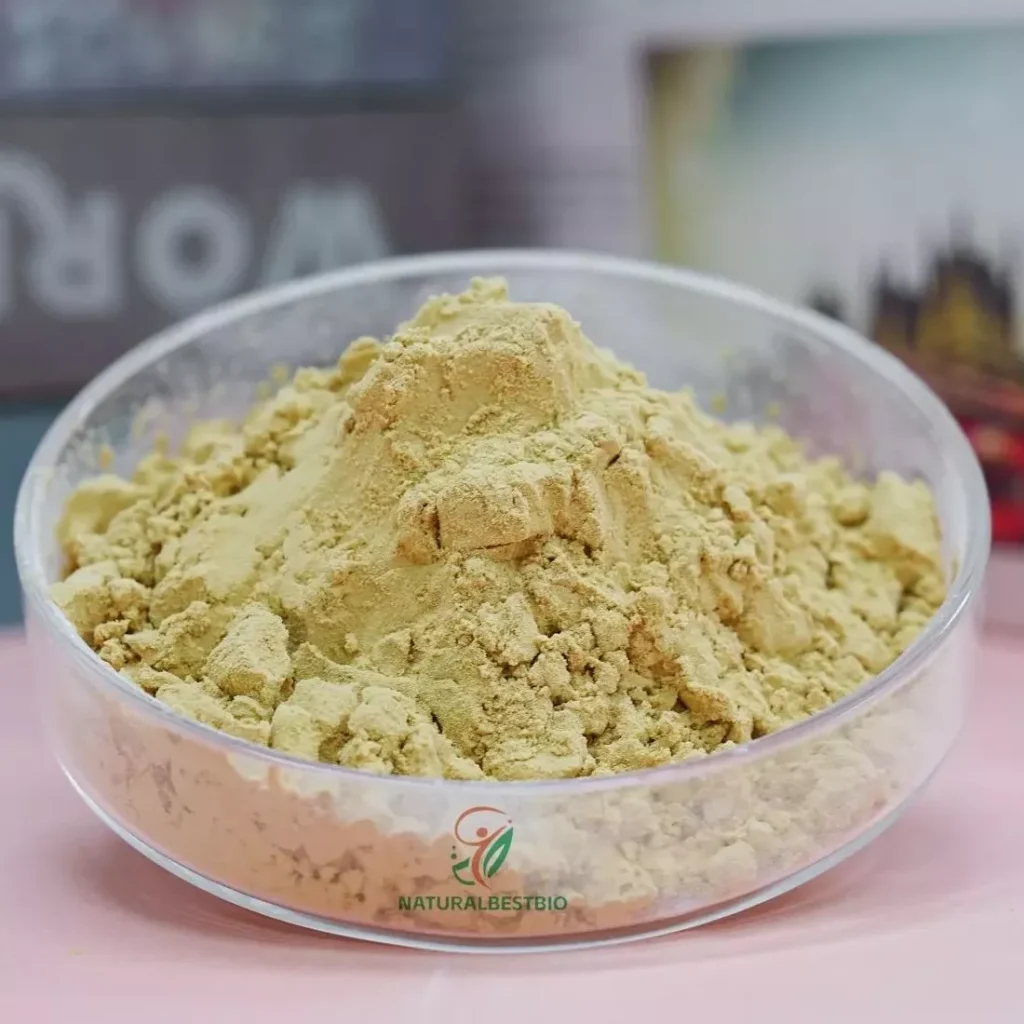
If you are looking to buy trigonelline for your research or industrial project, finding a supplier that offers a verified Certificate of Analysis (COA) is essential. Whether you are operating in a laboratory setting or managing large-scale manufacturing, the ability to buy trigonelline with guaranteed purity and documentation serves as the difference between a successful project and a failed batch. For more information on chemical standards, please refer to the PubChem database entry for Trigonelline.
Introduction: What Is Trigonelline and Why Is Everyone Looking to Buy It?
Imagine drinking your morning coffee and unknowingly consuming a fascinating natural compound that scientists and manufacturers are increasingly interested in. That compound is trigonelline.
Trigonelline is a naturally occurring alkaloid found in several plants, most notably fenugreek seeds, coffee beans, and soy. In chemical databases, it is identified as CAS 535-83-1, and its growing popularity comes from its role in nutraceutical research, pharmaceutical development, cosmetic formulations, and food science.
But why would someone want to buy trigonelline in bulk?
The answer lies in its biological activity and industrial versatility. Researchers study it for its potential role in metabolic health, neuroprotection, and anti-inflammatory activity. Meanwhile, product formulators see it as a promising ingredient for functional foods, supplements, and advanced skincare products.
Compared to many synthetic alkaloids, trigonelline offers several advantages:
- It is naturally derived, which appeals to clean-label product trends.
- It is relatively stable compared to other plant alkaloids.
- It can be produced at higher purity levels with modern extraction and synthesis technologies.
However, buying trigonelline isn’t as simple as clicking “Add to Cart.” When you enter the chemical supply chain, you must think about purity levels, supplier reliability, regulatory compliance, shipping logistics, and cost efficiency.
Think of it like buying coffee beans.
If you’re making instant coffee at home, cheap beans might work. But if you’re roasting coffee for a specialty café, you want premium beans from trusted farms.
The same idea applies when you buy trigonelline.
This guide will walk you through everything you need to know:
- What high-purity trigonelline actually means
- Where to find bulk suppliers
- How to qualify chemical vendors
- The real costs behind bulk purchasing
- Shipping and storage considerations
- Practical usage insights and precautions
By the end of this guide, you’ll understand exactly how to buy trigonelline safely, efficiently, and at the best price.
Understanding the Product Specs: What “High-Purity” Really Means When You Buy Trigonelline
When suppliers advertise “high-purity trigonelline”, what does that actually mean?
Is 98% purity good enough, or should you aim for 99% or higher?
Let’s break it down.
In the chemical supply world, purity defines the percentage of the target compound relative to impurities such as residual solvents, plant metabolites, or synthesis byproducts.
Typical Purity Grades for Trigonelline
| Purity Level | Typical Use Case | Advantages | Disadvantages |
|---|---|---|---|
| 95–97% | Basic research or preliminary testing | Less expensive, easier to produce | Higher impurity content |
| 98% | Nutraceutical or cosmetic formulations | Balanced price and quality | Slightly lower consistency |
| 99%+ | Pharmaceutical or advanced research | Stronger analytical reliability | More expensive |
Think of purity like gold content in jewelry.
A 10-karat ring works fine, but 24-karat gold is much more valuable and precise.
The same logic applies when you buy trigonelline.
Analytical Methods Used to Verify Purity
Professional suppliers verify purity using analytical chemistry tools.
| Analytical Method | What It Measures | Why It Matters |
|---|---|---|
| HPLC (High Performance Liquid Chromatography) | Compound concentration | Primary purity verification |
| LC-MS | Molecular identity | Confirms compound structure |
| NMR spectroscopy | Structural analysis | Detects molecular impurities |
| GC residual solvent analysis | Solvent traces | Ensures safety |
Compared to low-grade suppliers, reputable manufacturers invest heavily in analytical testing, which results in more reliable trigonelline quality.
Key Physical and Chemical Specifications
| Specification | Typical Value |
|---|---|
| Chemical Name | Trigonelline |
| CAS Number | 535-83-1 |
| Molecular Formula | C7H7NO2 |
| Molecular Weight | 137.14 g/mol |
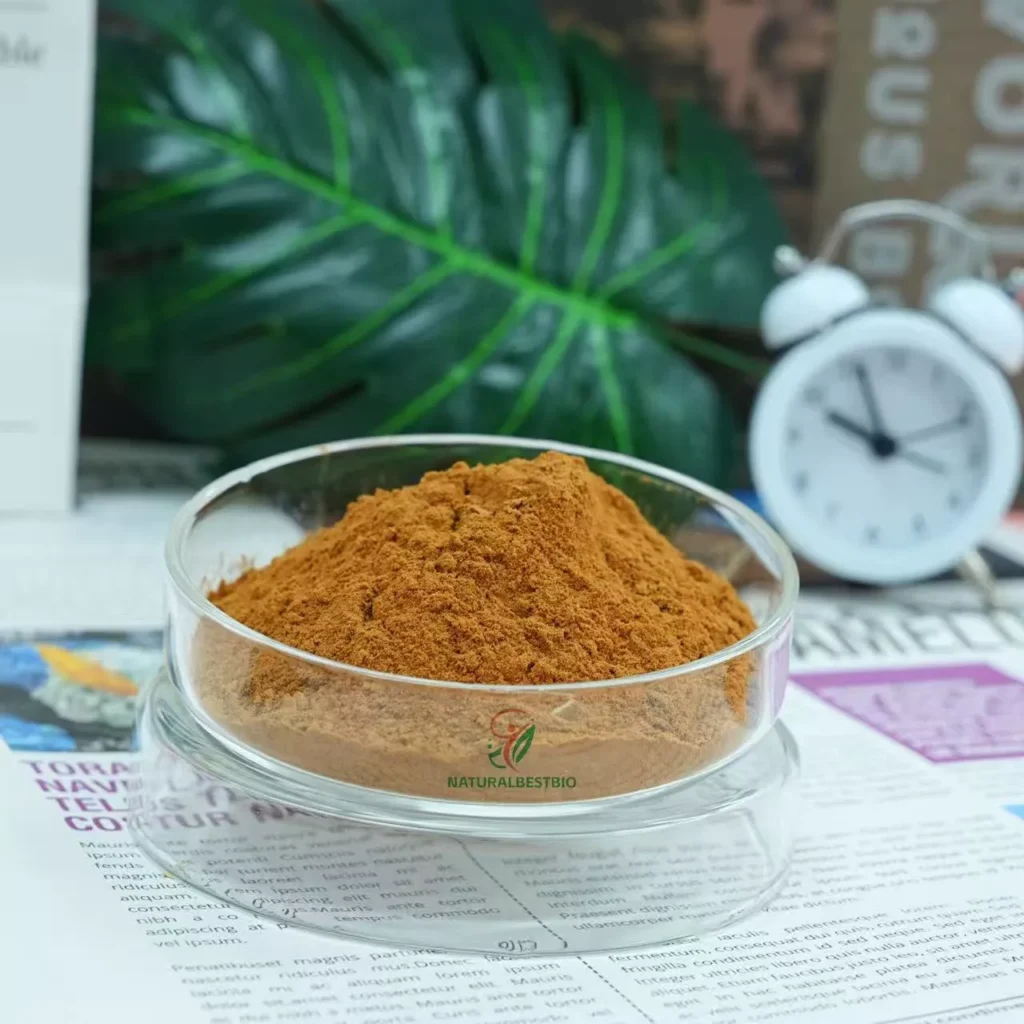
| Appearance | White or off-white crystalline powder |
| Solubility | Soluble in water |
High-purity trigonelline often appears lighter in color and more consistent in particle size compared to lower-grade products.
Top Sources for Bulk Trigonelline (CAS 535-83-1)
Once you understand purity specifications, the next step is finding reliable sources to buy trigonelline.
The global supply chain for trigonelline typically involves three major production approaches:
- Plant extraction
- Chemical synthesis
- Biotechnological fermentation
Each method has its pros and cons.
Plant Extraction vs Synthetic Trigonelline
| Source | Advantages | Disadvantages |
|---|---|---|
| Fenugreek extraction | Natural origin | Lower yield |
| Coffee extraction | Sustainable by-product | Variable purity |
| Synthetic production | Higher purity and consistency | More expensive |
Extraction from fenugreek seeds is often less expensive compared to synthetic production, but the final product may contain trace plant alkaloids.
Synthetic trigonelline, on the other hand, is usually stronger in purity and more consistent batch-to-batch.
Think of it like fruit juice vs lab-made vitamin C.
Both contain the same compound, but the source and processing influence quality and cost.
Leading Supplier Regions
The global supply chain for trigonelline is dominated by a few key manufacturing regions.
| Region | Strengths |
|---|---|
| China | Large-scale chemical manufacturing |
| Europe | High regulatory standards |
| United States | Advanced biotech production |
| India | Plant extraction expertise |
Compared to smaller suppliers, large manufacturers often offer faster production cycles and stronger quality documentation.
The 5-Step Supplier Qualification Checklist When Buying Trigonelline
Buying chemicals without checking suppliers is like buying medicine from a street vendor.
It might work—but it’s risky.
Here’s a five-step checklist used by pharmaceutical procurement teams.
1. Verify CAS Number and Chemical Identity
Always confirm:
- CAS 535-83-1
- Molecular formula
- Certificate of analysis (COA)
2. Request Analytical Documentation
Ask suppliers for:
- COA
- HPLC chromatogram
- MSDS
Compared to unreliable suppliers, transparent vendors provide documentation faster and more clearly.
3. Evaluate Manufacturing Standards
Important certifications include:
| Certification | Importance |
|---|---|
| ISO 9001 | Quality management |
| GMP | Pharmaceutical manufacturing |
| REACH compliance | European chemical regulation |
4. Check Production Capacity
Bulk buyers should confirm:
- Minimum order quantities
- Lead times
- Batch consistency
Some manufacturers can produce kilograms within weeks, while others may take months.
5. Request Sample Testing
Before purchasing large volumes, always test a sample batch.
Compared to skipping this step, sample verification is far safer and cheaper than dealing with unusable bulk material.
Logistical Considerations: Shipping and Handling
Buying chemicals isn’t just about the compound—it’s also about how it moves across the world.
Imagine ordering a delicate glass sculpture and receiving it shattered.
Chemical logistics works the same way.
Packaging Options
| Packaging Type | Typical Quantity |
|---|---|
| Aluminum foil bag | 100 g – 1 kg |
| Fiber drum | 5–25 kg |
| HDPE container | Industrial bulk |
High-quality packaging keeps trigonelline dry, stable, and protected from contamination.
Temperature and Storage Conditions
Trigonelline is relatively stable, but optimal storage conditions include:
- Cool environment
- Low humidity
- Protection from direct light
Compared to unstable alkaloids, trigonelline is easier to store, which makes it attractive for large-scale manufacturing.
International Shipping Regulations
Bulk shipments may require:
- Material Safety Data Sheet
- Customs declarations
- Chemical transport classification
Compared to hazardous compounds, trigonelline is less strictly regulated, making shipping faster and cheaper.
Cost Analysis: Factors Influencing Bulk Trigonelline Pricing
So how much does it cost to buy trigonelline?
The answer depends on several factors.
Purity Level
Higher purity means higher cost.
| Purity | Relative Price |
|---|---|
| 95% | Lowest |
| 98% | Medium |
| 99%+ | Highest |
Compared to 95% purity, 99% trigonelline may cost 30–60% more.
Production Method
| Method | Cost Level |
|---|---|
| Plant extraction | Less expensive |
| Chemical synthesis | More expensive |
| Biotech fermentation | Highest |
Synthetic production often produces stronger quality but at a higher price.
Order Volume
Bulk purchasing dramatically lowers unit price.
| Quantity | Cost Efficiency |
|---|---|
| 100 g | Most expensive |
| 1 kg | Moderate |
| 25 kg | Cheapest per gram |
Think of it like buying coffee beans wholesale instead of single cups.
Supplier Reputation
Well-known manufacturers often charge more, but they also offer:
- faster delivery
- stronger quality control
- better documentation
Sometimes paying slightly more upfront prevents expensive mistakes later.
Advantages and Disadvantages of Buying Trigonelline
Advantages
- Natural plant alkaloid
- Versatile applications
- Relatively stable
- Increasing scientific interest
Disadvantages
- High-purity grades are more expensive
- Research still evolving
- Potential variability in plant-derived batches
Compared to many rare alkaloids, trigonelline is easier to obtain and often less expensive, making it attractive for research.
Usage Precautions and Safety Considerations
Even natural compounds require caution.
Possible Side Effects
Studies suggest high doses may cause:
- mild gastrointestinal discomfort
- blood sugar interactions
- metabolic changes
Populations That Should Be Careful
| Population | Recommendation |
|---|---|
| Pregnant individuals | Avoid without medical guidance |
| Diabetics | Monitor glucose |
| Children | Limited safety data |
Compared to many synthetic compounds, trigonelline appears relatively safe in moderate amounts, but research continues.
Conclusion
Buying trigonelline might seem complicated at first, but once you understand the core principles—purity, suppliers, logistics, and cost—it becomes much easier.
Here’s the big picture.
When you buy trigonelline, you should focus on:
- Purity level
- Trusted suppliers
- Verified documentation
- Efficient logistics
- Cost optimization
Compared to blindly ordering from unknown vendors, following these steps ensures you receive higher quality, faster delivery, and better long-term value.
As research into natural alkaloids continues to grow, trigonelline will likely become an increasingly important compound in nutraceutical, pharmaceutical, and food science industries.
So whether you’re a researcher, product developer, or procurement manager, understanding how to buy trigonelline properly gives you a real advantage.
FAQ
| Question | Answer |
|---|---|
| What is trigonelline? | Trigonelline is a naturally occurring alkaloid found in fenugreek, coffee, and soybeans. |
| What is the CAS number of trigonelline? | The CAS number is 535-83-1. |
| Where can I buy trigonelline in bulk? | Bulk trigonelline is available from chemical suppliers, nutraceutical manufacturers, and research chemical distributors. |
| What purity should I choose? | Research applications often use 98–99% purity, while lower purity may work for preliminary testing. |
| Is natural trigonelline better than synthetic? | Natural extraction may be less expensive, but synthetic production usually provides stronger purity and consistency. |
| How should trigonelline be stored? | Store in a cool, dry place away from light in sealed containers. |
| Is trigonelline safe? | Moderate doses appear relatively safe, but high concentrations require careful research and safety evaluation. |
| What industries use trigonelline? | Pharmaceuticals, nutraceuticals, food science, and cosmetics research. |
| Why is high-purity trigonelline more expensive? | Additional purification steps and analytical testing increase production costs. |
| Can trigonelline be extracted from coffee? | Yes. Coffee beans naturally contain trigonelline, which can be isolated during chemical processing. |
Related ingredient pages
For buyer evaluation, compare this guide with Nutrition BioTech ingredient pages, proof routes, and sourcing support.
Related ingredient pages
For buyer evaluation, compare this guide with the closest Nutrition BioTech ingredient pages and sourcing route.