
Trigonelline bulk supply specification
Nutrition BioTech is a bulk trigonelline ingredient supplier and manufacturer, supplying trigonelline as TriVitaTone™ in two grades — the free betaine (CAS 535-83-1) and trigonelline hydrochloride (CAS 6138-41-6) — each at 98% minimum by HPLC, for B2B nutraceutical formulation.
The two grades are separate specifications and the form is fixed per order. On a stoichiometric basis one gram of the hydrochloride corresponds to approximately 0.79 g of trigonelline base, so at the same 98% assay the two are not interchangeable at equal weight.
| Ingredient name | Trigonelline 98% — TriVitaTone™. Two grades: free betaine and hydrochloride. |
|---|---|
| Synonyms | N-methylnicotinic acid betaine; coffearine; nicotinic acid N-methylbetaine |
| CAS number | 535-83-1 (free betaine); 6138-41-6 (hydrochloride) |
| Molecular formula | C7H7NO2 (free betaine); C7H7NO2 · HCl (hydrochloride) |
| Molecular weight | 137.14 g/mol (free betaine); 173.60 g/mol (hydrochloride) |
| Assay / purity | 98% minimum by HPLC for both grades, each reported with its salt form and assay basis on the Certificate of Analysis. |
| Source / production route | Chemical synthesis from nicotinic acid by methylation. Trigonelline also occurs naturally in coffee green beans and fenugreek seed; botanical-derived material is quoted separately. |
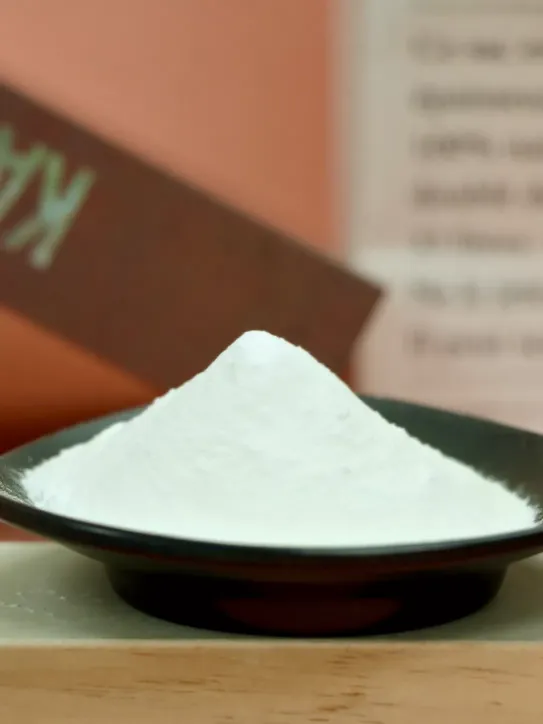
| Appearance | White to off-white crystalline powder |
| Solubility | Water soluble. The hydrochloride is the more commonly stocked form for beverage and stick-pack work. |
| Typical applications | Capsules, tablets, stick packs and functional beverages for B2B manufacturing |
| Documentation | Certificate of Analysis, specification sheet, identity, salt-form statement, heavy metals, microbiological testing, residual solvents, allergen statement, GMO statement and stability data |
| Quality system | ISO 22000:2018, FSSC 22000, HACCP and GMP (certificates provided on request) |
| Full specification | Trigonelline (TriVitaTone™) product specification |
| Supplier | Nutrition BioTech, 1601 W. Mission Blvd, Suite 103 (DL#29), Pomona, CA 91766, United States |

1. Introduction
Ever wondered what gives coffee its complex aroma and subtle nutritional value? Or why fenugreek seeds are so highly praised in herbal medicine? Behind both of these natural wonders lies a fascinating bioactive compound known as Trigonelline — a molecule with growing importance across the pharmaceutical, nutraceutical, and cosmetic industries.
But here’s the catch: Trigonelline isn’t cheap. High-purity extracts can cost a premium, and as demand continues to rise across research labs and supplement manufacturers, finding cost-effective bulk purchase options has become a key challenge.
So, if you’re searching for where to buy Trigonelline in bulk without sacrificing quality — you’ve landed in the right place.
This comprehensive guide explores everything you need to know about Trigonelline bulk purchase, from understanding its origins and benefits to identifying trustworthy suppliers and negotiating the best deals. You’ll learn how to evaluate purity, assess supplier credibility, and strategically plan large-scale procurement that meets both your budget and quality standards.
Whether you’re a manufacturer, a research institution, or a distributor, this article will help you navigate the Trigonelline wholesale market like a pro.
Hooking You In
Think of this as your business compass in the Trigonelline industry — helping you move confidently through price fluctuations, supplier reliability issues, and purity standards, all while maintaining a clear focus on value.
By the end of this guide, you’ll not only understand the science and sourcing of Trigonelline but also know exactly how to secure high-quality Trigonelline at wholesale prices.
Keywords included naturally: Trigonelline bulk purchase, buy Trigonelline wholesale, Trigonelline price, bulk Trigonelline suppliers, Trigonelline wholesale price.

2. What is Trigonelline?
If you’ve ever brewed a fresh cup of coffee, you’ve already interacted with Trigonelline — even if you didn’t know it. This natural compound, a derivative of niacin (vitamin B3), is found in several plant-based sources, notably coffee beans, fenugreek seeds, and certain legumes.
2.1 Definition & Natural Sources
Chemically speaking, Trigonelline is a pyridine alkaloid, known for its mildly bitter taste and remarkable biological activity. It’s most abundant in:
- Green coffee beans, where it makes up 1–2% of the bean’s dry weight.
- Fenugreek seeds, a common herb in Ayurvedic and Middle Eastern medicine.
- Legumes such as peas and clover.
- Certain fruits and grains, where it occurs in trace amounts.
When coffee beans are roasted, Trigonelline undergoes a natural transformation — it partially converts into nicotinic acid (niacin), contributing to coffee’s aroma and some of its nutritional benefits.
This chemical transformation is part of what makes Trigonelline so fascinating: it’s not only a naturally occurring compound but also one that evolves during processing, making it relevant for multiple industries beyond food — including pharmaceuticals and cosmetics.
2.2 Benefits & Applications
Now, why is everyone talking about Trigonelline? Let’s break down its key benefits and uses.
Health and Nutritional Benefits
- Supports cognitive function: Some studies suggest that Trigonelline may promote memory and brain health, possibly due to its neuroprotective effects.
- Helps regulate blood sugar: It’s been observed to influence glucose metabolism — a reason why it’s often included in functional food formulations targeting metabolic wellness.
- Antioxidant and anti-inflammatory properties: These make it attractive for use in anti-aging supplements and skincare formulations.
- May support liver health: Preliminary research indicates hepatoprotective effects in animal models.
Industrial and Research Applications
- Nutraceuticals: Used in dietary supplements for energy metabolism, glucose balance, and anti-aging.
- Cosmetics: Incorporated into anti-aging creams, serums, and sunscreens for its antioxidant potential.
- Pharmaceutical Research: A promising compound in developing natural drugs for diabetes and neurodegenerative disorders.
- Food Technology: Enhances flavor stability and nutritional profile in functional foods and beverages.
Trigonelline stands out because it’s both versatile and scientifically credible — offering applications from the lab to the consumer shelf. Compared to other plant alkaloids, it’s better studied, easier to extract, and more stable under normal conditions, making it a safer and more cost-effective option for bulk buyers.
2.3 Why Trigonelline is in Demand
The global demand for Trigonelline is increasing steadily, thanks to:
- Rising consumer interest in plant-based and functional health products.
- Growing R&D activity around natural alkaloids for therapeutic use.
- Expanding nutraceutical markets in Asia, North America, and Europe.
According to market analysts, the compound’s wholesale price is influenced by source material (e.g., coffee vs. fenugreek), extraction method, and purity grade. Bulk buyers benefit from economies of scale, often paying significantly less per kilogram compared to small retail purchases.
So, in short, Trigonelline is not just another coffee-related compound. It’s a high-value bioactive ingredient that offers commercial advantages for multiple industries.
3. Why Buy Trigonelline in Bulk?
If you’re in the supplement, cosmetic, or research business, you already know that buying in bulk can mean the difference between profit and loss. But with Trigonelline, bulk purchasing isn’t just about cost savings — it’s about consistency, control, and credibility.
Let’s explore the top reasons why buying Trigonelline wholesale is the smarter move for your organization.
3.1 Cost Savings: Lower Per-Unit Price
Buying in large quantities almost always brings a better price per kilogram — and Trigonelline is no exception.
When purchased in bulk:
- The per-gram cost can drop by up to 40–60% compared to small retail orders.
- You save on packaging, logistics, and transaction fees.
- You gain leverage to negotiate supplier terms, such as extended payment windows or fixed-rate contracts.
Let’s illustrate this:
| Purchase Volume | Approximate Cost per kg (USD) | Savings Compared to Retail |
|---|---|---|
| 1–5 kg | $350–$400 | — |
| 10–50 kg | $250–$300 | ~25% |
| 100 kg+ | $180–$220 | ~45–50% |
Table: Example comparison of Trigonelline bulk prices (for illustration purposes).
The more you buy, the more you save. For manufacturers and research institutions with consistent demand, wholesale Trigonelline purchasing is almost always the better financial decision.
3.2 Consistency & Supply Reliability
Ever run out of a key ingredient mid-production? It’s a nightmare no business wants.
Buying Trigonelline in bulk ensures:
- Steady supply for your production cycles.
- Uniform batch quality, especially when sourcing from the same supplier.
- Predictable pricing, protecting your business from sudden market spikes.
When compared to smaller, piecemeal purchases, bulk procurement allows you to standardize your formulations and maintain consistent results across product batches. This consistency is especially crucial for:
- Pharmaceutical R&D projects requiring reproducibility.
- Nutraceutical formulations needing steady purity.
- Cosmetic manufacturers relying on stable ingredient composition.
3.3 Customization Opportunities
Many leading Trigonelline suppliers offer customization for bulk orders — such as adjusting purity levels, particle size, or even packaging specifications to meet your production standards.
For instance:
- High-purity Trigonelline (≥98%) is preferred for pharmaceutical or academic research.
- Standard grade (90–95%) is often sufficient for nutraceutical or food applications.
- Encapsulated or granulated forms can be developed for easier blending into finished products.
Customization not only improves efficiency but can also result in better shelf life, easier formulation, and reduced processing costs downstream.
3.4 Stronger Supplier Relationships
When you commit to a bulk purchase, you’re not just buying a product — you’re building a partnership. Suppliers often prioritize long-term, high-volume clients with:
- Faster response times
- Priority production slots
- Better after-sales support
- Early access to discounts and new products
These advantages translate to smoother operations and a competitive edge.
In the competitive health and nutrition marketplace, such relationships can give you access to exclusive pricing tiers and technical support that smaller buyers don’t receive.
3.5 Long-Term Strategic Advantage
Here’s where the business logic really kicks in: Trigonelline demand is projected to grow significantly over the next decade, driven by increased use in anti-aging, metabolic health, and nootropic products.
By securing bulk contracts early, you can lock in lower prices before market demand — and thus wholesale prices — rise.
4. Factors to Consider Before Buying Trigonelline in Bulk
So, you’re ready to buy Trigonelline in bulk — fantastic move! But before you sign that purchase order or send a wire transfer, take a breath. Bulk buying is a high-stakes game. The difference between a wise investment and a costly mistake often lies in a few crucial details.
Let’s explore what you must consider to make sure you’re buying premium Trigonelline at the right price, purity, and reliability level.
4.1 Purity and Quality Standards
Not all Trigonelline is created equal. Purity can range anywhere from 90% to 99.9%, and that variation can dramatically affect both price and performance in your formulations.
High-Purity vs. Standard-Grade Trigonelline
| Grade | Purity Level | Typical Use | Price Range (per kg) |
|---|---|---|---|
| Standard Grade | 90–95% | Food, cosmetics | Lower (cost-effective) |
| High-Purity Grade | 98–99.9% | Research, pharmaceuticals | Higher (premium) |
While standard-grade Trigonelline is cheaper, it may not meet strict pharmaceutical or research requirements. On the other hand, high-purity Trigonelline provides more consistent results, especially where analytical precision or bioactivity is critical.
Pro tip: Don’t just trust the purity percentage — always request Certificates of Analysis (COA) and lab validation reports from your supplier. A reputable supplier won’t hesitate to share these.
4.2 Supplier Reputation
Here’s where things get serious. You can have the perfect price quote and still end up with substandard or adulterated material if you choose the wrong supplier.
Look for:
- Industry certifications: ISO 9001, GMP (Good Manufacturing Practice), or HACCP.
- Third-party lab testing reports.
- Customer reviews and repeat clientele.
- Transparency in documentation — including material safety data sheets (MSDS), COA, and product traceability details.
A trusted Trigonelline supplier will never shy away from documentation. In fact, leading manufacturers often publish test summaries right on their websites or include them in product brochures.
Think of it this way: Would you buy fine jewelry from a vendor who refuses to show authenticity certificates? Probably not. Apply that same logic here.
4.3 Price vs. Value
Let’s get one thing clear: cheap doesn’t always mean better.
When comparing suppliers, focus on total value, not just the quoted price per kilogram. Consider:
- Shipping and import duties
- Packaging and handling
- Product stability and shelf life
- Purity, moisture content, and batch consistency
A slightly higher upfront cost might actually save you thousands later by avoiding reprocessing, failed tests, or spoiled batches.
If a price seems too good to be true, it probably is. Be wary of suppliers offering ultra-low prices without documentation — that’s often a red flag for low-purity or adulterated Trigonelline.
4.4 Logistics and Shipping
Bulk shipments are not like Amazon Prime orders — timing, temperature, and customs can all play huge roles in product quality.
Key logistics considerations:
- Lead time: High-purity Trigonelline may have production lead times of 2–4 weeks.
- Shipping conditions: Ensure temperature and humidity control during transport.
- Storage requirements: Trigonelline should be stored in a cool, dry place, away from sunlight and moisture.
- Shelf life: Typically 24–36 months when properly stored.
Delays or poor handling can degrade quality, so choose suppliers that guarantee safe transport and provide batch traceability.
4.5 Communication and Support
A supplier’s responsiveness is often a good indicator of their reliability.
Before committing to a large order, send a few test inquiries. See how fast and professionally they respond.
Reliable suppliers:
- Provide prompt, detailed quotes.
- Offer technical guidance on product application.
- Are transparent about availability, MOQ (minimum order quantity), and lead times.
If they go silent or vague when asked for documentation — walk away.
5. Tips for Getting the Best Price
We all want the best deal — especially when buying wholesale ingredients like Trigonelline. But “best price” doesn’t just mean the lowest quote. It means the best value for your money: quality, reliability, and cost efficiency combined.
Let’s explore actionable strategies to help you save more and buy smarter when sourcing Trigonelline in bulk.
5.1 Compare Multiple Suppliers
The first step to smart sourcing is simple: compare, compare, compare.
Request quotations from at least three to five different Trigonelline suppliers — ideally from different regions (domestic and international). You’ll be surprised at the variation in:
- Base prices per kg
- Minimum order quantities (MOQ)
- Shipping terms (FOB, CIF, DDP)
- Lead times
By gathering multiple quotes, you’ll gain leverage for negotiation and a clearer picture of the market’s average Trigonelline wholesale price.
Pro tip: Create a supplier comparison table like this before finalizing any deal:
| Supplier Type | Location | MOQ (kg) | Price per kg (USD) | Lead Time (days) | Purity (%) |
|---|---|---|---|---|---|
| Supplier A | Domestic | 10 | 320 | 5–7 | 98% |
| Supplier B | Asia | 25 | 250 | 15 | 99% |
| Supplier C | Europe | 50 | 270 | 10 | 98.5% |
Table: Example supplier comparison for Trigonelline bulk purchase.
5.2 Negotiate for Bulk Discounts
Most wholesale Trigonelline suppliers offer price breaks at certain volume thresholds — but they won’t always tell you upfront.
Here’s a tip from experienced buyers: Ask directly for tiered pricing.
Example negotiation phrasing:
“We’re planning an annual purchase of 300 kg in total, potentially split across quarterly deliveries. Could you offer a tiered discount for 100 kg or more?”
Bulk discount negotiations are common in this industry. Even a 5–10% discount can translate to significant savings at large volumes.
5.3 Look Out for Seasonal Promotions
Some suppliers or distributors run limited-time promotions or end-of-quarter clearance deals — especially when they need to move stock before the fiscal year closes.
Subscribe to newsletters, follow supplier announcements, or simply ask:
“Do you have any seasonal or promotional discounts for bulk Trigonelline this quarter?”
You’d be surprised how often this simple question unlocks additional savings.
5.4 Factor in Shipping & Import Costs
When evaluating Trigonelline pricing, think beyond the unit cost. International shipping, customs duties, and handling fees can dramatically alter your total cost.
Always request an all-inclusive quote that factors in:
- Shipping mode (air vs. sea freight)
- Customs brokerage fees
- Import taxes and tariffs
Sometimes, a slightly higher domestic supplier price may actually be less expensive overall when shipping and import fees are considered.
Rule of thumb: Evaluate landed cost per kilogram, not just supplier price.
5.5 Build Long-Term Supplier Relationships
Strong relationships equal better deals. Period.
When suppliers know you as a loyal, repeat buyer, they’re more likely to:
- Offer special pricing tiers
- Prioritize your orders
- Extend favorable payment terms
Building trust through consistent communication and prompt payments pays off — often literally.
6. How to Verify Trigonelline Quality Before Buying
You’ve done your research, compared suppliers, and negotiated pricing. Great! But before sending that large payment, one step remains absolutely crucial: verifying the product quality.
Let’s face it — in the B2B world, mistakes are expensive. And with biochemical ingredients like Trigonelline, even small inconsistencies can lead to production issues or research errors.
Here’s how to ensure that your bulk Trigonelline purchase meets every standard of purity, safety, and reliability.
6.1 Request Certificates of Analysis (COA)
A COA is your first line of defense. It verifies:
- Purity percentage (e.g., 98–99%)
- Moisture content
- Presence of heavy metals or contaminants
- Microbiological safety
Ask for COAs from independent, accredited laboratories — not just in-house testing. A reputable supplier will provide these before you even ask.
| Quality Parameter | Ideal Specification |
|---|---|
| Purity | ≥98% |
| Moisture | ≤1.0% |
| Heavy Metals | <10 ppm |
| Residual Solvents | None detected |
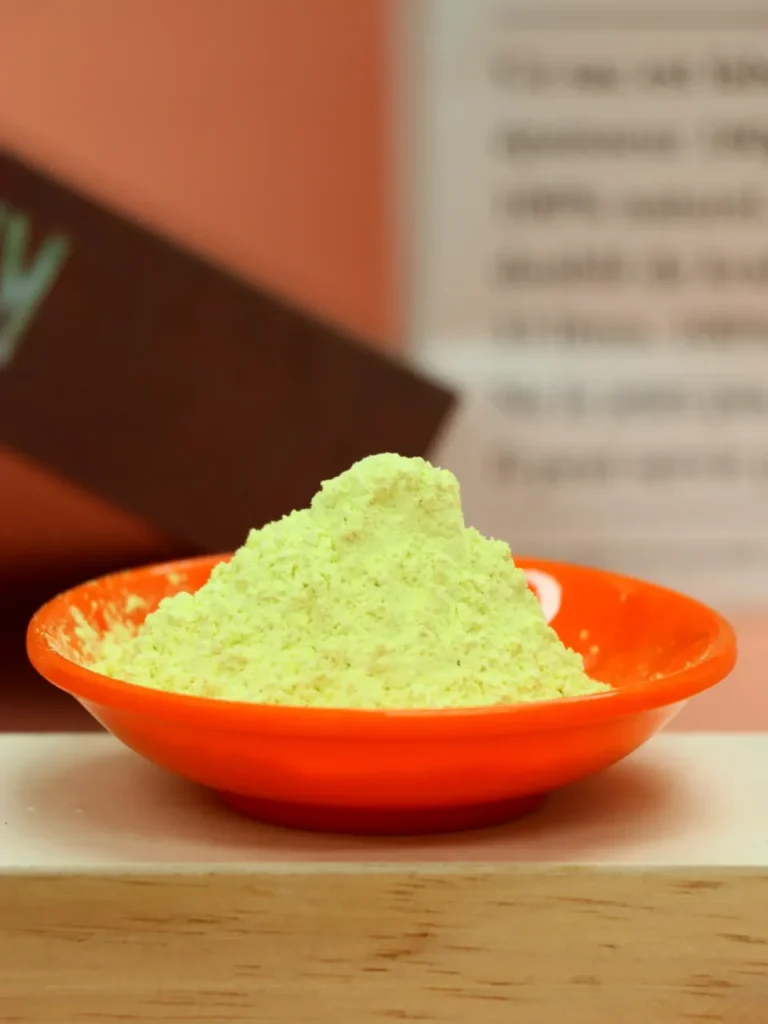
| Appearance | Off-white to light yellow powder |
Table: Typical quality specifications for high-grade Trigonelline.
6.2 Request Samples
Always, always test before you invest.
Most bulk suppliers will happily send small trial samples (10–50 g) for laboratory testing or pilot runs. Use these to verify:
- Solubility and stability in your formulation
- Compatibility with other ingredients
- Odor, color, and particle uniformity
It’s a small step that can prevent major losses later.
If a supplier refuses to send samples — take that as a warning sign.
6.3 Verify Supplier Certifications
In addition to COAs, check that your supplier adheres to recognized manufacturing and quality standards, such as:
- ISO 9001: Quality management systems
- GMP: Good Manufacturing Practices
- HACCP: Hazard analysis for safety in food-grade materials
Ask for digital copies or verification numbers — legitimate suppliers will provide them instantly.
6.4 Use Third-Party Testing Services
If you want extra assurance, consider sending a portion of your shipment to a third-party analytical lab for verification. They can confirm the compound’s purity using techniques such as:
- HPLC (High-Performance Liquid Chromatography)
- NMR (Nuclear Magnetic Resonance)
- Mass spectrometry
While this adds a small cost, it guarantees that what you received matches what you paid for — especially valuable for high-volume or pharmaceutical-grade purchases.
7. Recommended Bulk Purchase Scenarios
Now that you understand how to identify quality Trigonelline, evaluate suppliers, and negotiate prices, let’s get practical. Who actually benefits most from buying Trigonelline in bulk — and how can it be used strategically?
Whether you’re a manufacturer, researcher, or reseller, there are multiple ways to leverage bulk procurement for better cost efficiency and operational scalability.
7.1 For Manufacturers
Manufacturers in the nutraceutical, pharmaceutical, and cosmetic sectors stand to gain the most from Trigonelline bulk purchases.
Why? Because they operate on volume. Whether it’s producing energy supplements, anti-aging creams, or fortified beverages, they require consistent, high-quality ingredients to maintain product integrity.
Use Cases for Manufacturers:
- Nutraceuticals: Trigonelline is blended into energy-boosting or anti-aging supplements, often marketed as a natural brain and metabolism enhancer.
- Functional Foods & Beverages: Think Trigonelline-enriched coffees, protein shakes, or wellness teas.
- Cosmetics: Added to skincare formulations for its antioxidant and anti-inflammatory properties, making products more appealing to anti-aging markets.
Advantages of Bulk Purchase for Manufacturers:
| Factor | Benefit |
|---|---|
| Cost Efficiency | Lower per-unit ingredient costs increase profit margins. |
| Product Consistency | Uniform ingredient purity ensures consistent product quality. |
| Supply Chain Control | Reduced dependence on unpredictable small suppliers. |
| Branding Power | Having reliable ingredient supply allows steady product launches. |
Pro Tip: Manufacturers should consider negotiating yearly supply contracts. This ensures predictable costs and priority fulfillment — crucial for scaling production efficiently.
7.2 For Researchers
Academic institutions, R&D facilities, and biotech companies also rely heavily on bulk Trigonelline sourcing for experimental and analytical purposes.
Since Trigonelline is used in biochemical, pharmacological, and food science studies, consistency and traceability are critical. Researchers often need high-purity, analytically verified batches to produce reproducible results.
Why Bulk Buying Helps Research Labs:
- Avoids batch-to-batch variations that could skew data.
- Enables continuity in long-term research projects.
- Reduces procurement costs for multi-phase studies.
Moreover, researchers often collaborate across departments or even countries — bulk purchasing helps share materials across multiple teams, improving cost-effectiveness.
Example Scenario:
A university pharmacology department orders 10 kg of 99% Trigonelline for ongoing neuroprotective studies. Buying in bulk ensures identical chemical composition across all trials, improving data accuracy and saving nearly 30% in procurement costs compared to smaller recurring purchases.
7.3 For Resellers and Distributors
For resellers or ingredient distributors, buying Trigonelline wholesale is an excellent business opportunity. You can purchase in large quantities, then repackage and resell smaller portions to smaller supplement companies, laboratories, or cosmetic startups.
Benefits for Resellers:
- High markup potential: Retail Trigonelline can be priced 2–3× higher per gram than wholesale cost.
- Market flexibility: Resellers can target multiple industries — food tech, cosmetics, pharmaceuticals, and academia.
- Inventory control: Owning bulk stock allows you to meet sudden demand spikes faster than competitors.
Resellers should ensure proper storage conditions and labeling standards to maintain product integrity and comply with regulatory norms.
7.4 Ideal Scenarios for Bulk Purchase
| Scenario | Recommended Buyer Type | Trigonelline Grade | Benefit |
|---|---|---|---|
| Large-scale supplement manufacturing | Nutraceutical manufacturer | 95–98% | Lower production cost |
| Clinical or laboratory research | Research institute | 98–99.9% | Analytical reliability |
| Repackaging and resale | Ingredient distributor | 90–95% | Higher resale margin |
| Cosmetic formulation development | Beauty product company | 95–98% | Enhanced formulation control |
8. FAQ
| Question | Answer |
|---|---|
| What is Trigonelline? | Trigonelline is a natural alkaloid compound found in coffee beans, fenugreek, and certain legumes. It’s valued for its antioxidant, anti-aging, and metabolic benefits and is widely used in pharmaceuticals, nutraceuticals, and cosmetics. |
| Why should I buy Trigonelline in bulk? | Bulk purchasing reduces your per-unit cost, ensures consistent supply, and allows for greater customization of purity and formulation. |
| What purity level should I choose? | For supplements and cosmetics, 95–98% purity is ideal. For research and pharmaceutical applications, choose ≥99% high-purity Trigonelline. |
| How can I verify Trigonelline quality before purchasing? | Request a Certificate of Analysis (COA), third-party lab reports, and sample batches before confirming large orders. |
| What’s the average wholesale price for Trigonelline? | Prices vary based on purity and region but typically range between $180–$300 per kg for bulk orders of 50 kg or more. |
| Are there specific storage requirements? | Yes. Store Trigonelline in a cool, dry, and airtight container away from sunlight and moisture. Ideal storage temperature: below 25°C. |