
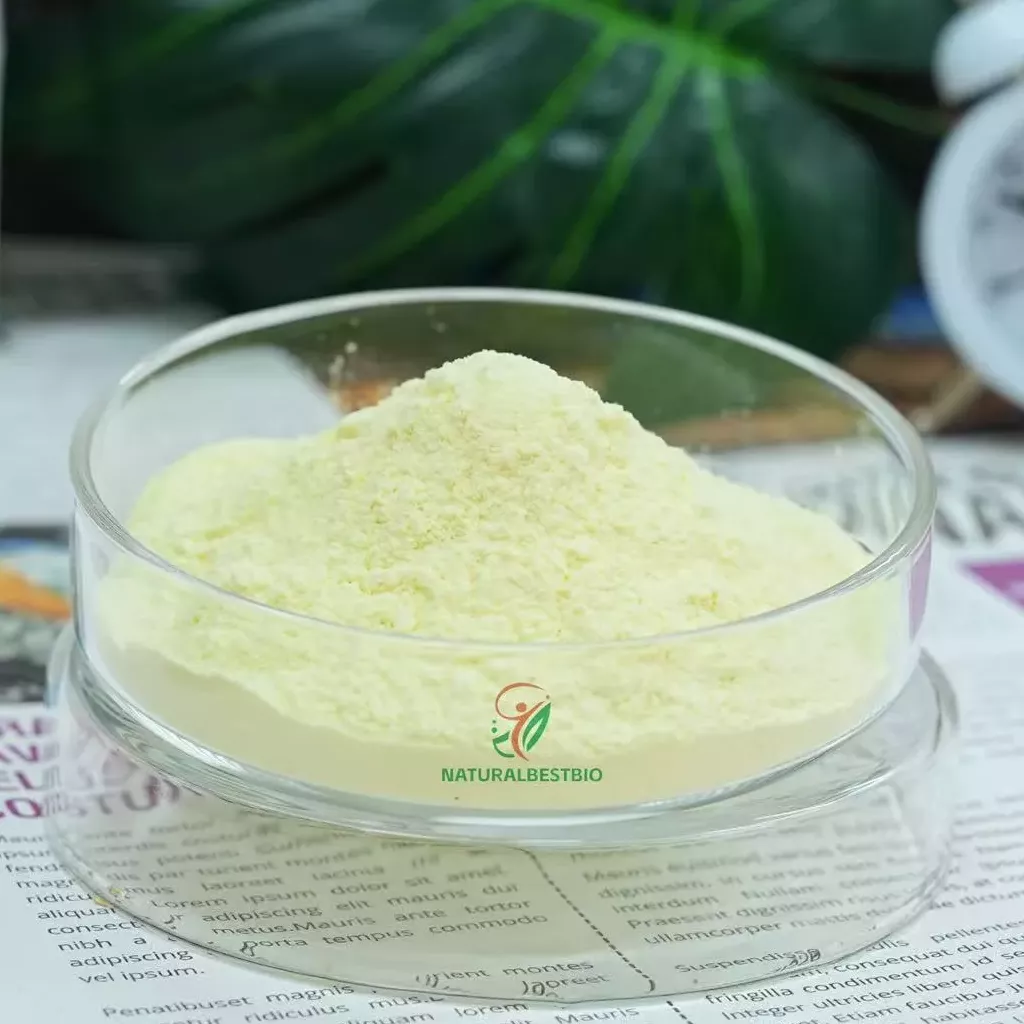
If you are looking to buy trigonelline for your next cosmetic formulation, you are tapping into a growing alkaloid revolution. As a potent plant-derived compound, trigonelline is emerging as a breakthrough active ingredient in modern skincare. If you are a formulator, ingredient buyer, or cosmetic chemist searching for the next generation of skin-vitality ingredients, you have come to the right place.
The Alkaloid Revolution in Skincare
For decades, the industry relied heavily on familiar ingredients—vitamin C, retinol, hyaluronic acid, and peptides. These ingredients still dominate shelves, but something new is emerging from the shadows of plant biochemistry: alkaloids. One alkaloid in particular has been gaining remarkable attention—trigonelline.
Think of the skin like a city that never sleeps. Every day, millions of cells are damaged by UV radiation, pollution, and oxidative stress. To maintain healthy skin, the body constantly repairs itself—like street crews fixing roads overnight. But as we age, that repair process slows down. That’s where this compound enters the story. Naturally occurring in coffee beans and fenugreek seeds, it has been compared to a “cellular sunrise,” supporting biological pathways involved in cell renewal.
Why Trigonelline? The Science of Cellular “Dawn”
Trigonelline is a pyridine alkaloid derived from Niacin (Vitamin B3) metabolism in plants. Chemically, it is known as N-methylnicotinic acid. Emerging studies suggest this alkaloid may play roles in antioxidant defense, cellular energy metabolism, and DNA repair pathways. Compared to traditional antioxidants, it offers better stability in formulations, gentler activity on the skin, and strong antioxidant capacity.
(If you are interested in other plant-based actives for your lab, check out our [Ingredients Catalog Page] for more options.)
Formulation Challenges with Trigonelline
If sourcing ingredients were as simple as clicking “Add to Cart,” product development would be easy. But every cosmetic chemist knows that the smallest molecular detail can make or break a formulation.
Purity Matters in Cosmetic Formulations
When you decide to purchase this active ingredient, purity is everything. Low-grade extracts may contain residual plant compounds or solvent traces. Compared with 95% purity material, 99%+ pharmaceutical-grade trigonelline is dramatically better for professional formulation.
Solubility and Stability Considerations
Because this ingredient is water-soluble, it is easier to integrate into aqueous serums than into oil-based products. However, heat, light, and pH can influence the stability of the compound during processing. Chemists must monitor processing temperatures and maintain controlled pH ranges to ensure efficacy.
Understanding the Molecule
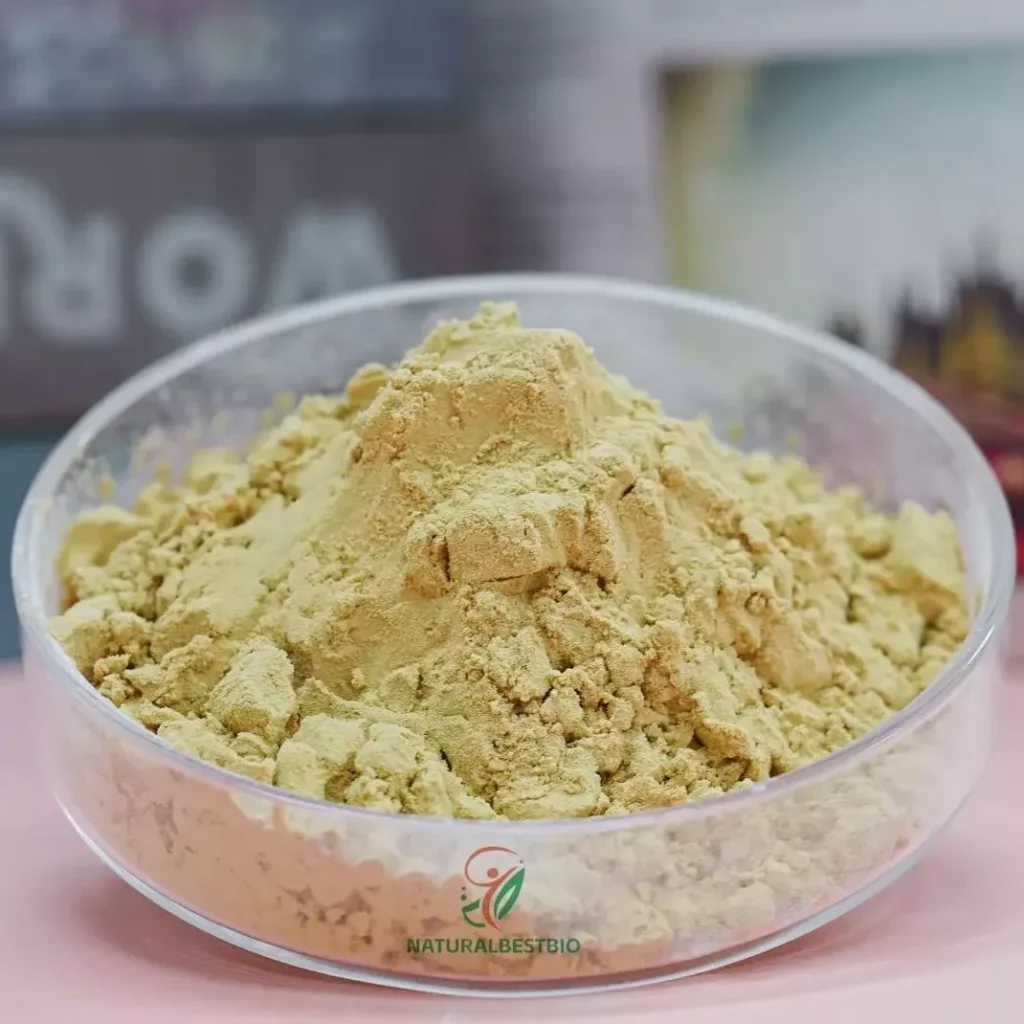
Trigonelline is a pyridine alkaloid derived from niacin metabolism in plants. It is especially abundant in:
- Coffee beans
- Fenugreek seeds
- Garden peas
- Certain marine plants
Chemically speaking, it is N-methylnicotinic acid, a derivative of vitamin B3 metabolism.
That connection to vitamin B3 metabolism is one reason scientists find it so interesting.
Potential Biological Functions
Emerging studies suggest trigonelline may play roles in:
- Antioxidant defense
- Cellular energy metabolism
- DNA repair pathways
- Anti-inflammatory signaling
Compared with many synthetic actives, trigonelline is lighter and more biocompatible, making it attractive for both skincare and nutraceutical formulations.
Trigonelline vs Popular Skincare Actives
Below is a simplified comparison highlighting why cosmetic formulators are exploring trigonelline.
| Ingredient | Strength | Skin Tolerance | Stability | Cost | Key Benefits |
|---|---|---|---|---|---|
| Vitamin C | Strong antioxidant | Moderate irritation risk | Unstable | Moderate | Brightening |
| Retinol | Very strong | Higher irritation | Moderate | Moderate | Anti-aging |
| Niacinamide | Gentle | Very high tolerance | Very stable | Low | Barrier repair |
| Trigonelline | Moderate but balanced | High tolerance | Better stability | Higher currently | Cellular renewal support |
Compared to retinol, trigonelline may be gentler and less irritating.
Compared to vitamin C, it may be more chemically stable in formulations.
However, compared to mass-market ingredients like niacinamide, trigonelline is currently more expensive, largely because of limited large-scale production.
But this is changing quickly.
The Skin “Morning Effect”
Some researchers suggest trigonelline may influence pathways related to NAD+ metabolism.
Why does that matter?
Because NAD+ is deeply involved in:
- Cellular energy
- DNA repair
- Longevity pathways
Think of NAD+ like the battery system of your cells.
Compared with ingredients that only address surface-level skin concerns, compounds affecting metabolic pathways may offer stronger long-term benefits.
That’s why the demand for high-purity trigonelline powder is growing rapidly.
But the science is only half the story.
The real headache begins when formulators try to work with the molecule in real products.
The Formulator’s Challenge: Purity and Solubility
If sourcing ingredients were as simple as clicking “Add to Cart,” product development would be easy.
But every cosmetic chemist knows the truth: the smallest molecular detail can make or break a formulation.
And trigonelline brings its own unique set of challenges.
Challenge 1: Purity Matters More Than You Think
When you decide to buy trigonelline powder, purity is everything.
Low-grade extracts may contain:
- Residual plant compounds
- Solvent traces
- Unidentified alkaloids
These impurities can cause:
- Formulation instability
- Unexpected skin reactions
- Color changes
- Reduced efficacy
Compared with 95% purity material, 99%+ pharmaceutical-grade trigonelline is dramatically better for professional formulation.
But higher purity often means higher cost and limited suppliers.
Challenge 2: Solubility and Formulation Compatibility
Trigonelline is water soluble, which sounds great at first.
But formulation is rarely that simple.
Depending on pH and co-ingredients, solubility can vary significantly.
For example:
| Formulation Type | Compatibility | Difficulty |
|---|---|---|
| Water serums | Good | Low |
| Cream emulsions | Moderate | Medium |
| Oil-based products | Poor | High |
| Nutraceutical capsules | Excellent | Low |
Compared with oil-soluble actives like retinol, trigonelline is easier for aqueous products but more difficult in oil systems.
Challenge 3: Stability During Manufacturing
Heat, light, and pH can influence trigonelline stability.
Compared with niacinamide, trigonelline may be slightly more sensitive during processing, requiring careful control.
That means manufacturers must:
- Monitor processing temperature
- Maintain controlled pH ranges
- Avoid excessive UV exposure
In short, good trigonelline sourcing is only half the battle.
The other half is smart formulation strategy.
The Sourcing Dilemma: Why “Bulk” Doesn’t Have to Mean “Slow”
Let’s talk about something every product developer eventually faces.
Supply chain frustration.
You find the perfect ingredient. Your prototype works beautifully. The marketing team is excited.
Then reality hits.
The supplier says:
“Lead time: 10–12 weeks.”
Sound familiar?
For many companies trying to buy trigonelline in bulk, this is the biggest challenge.
Why Bulk Ingredients Often Move Slowly
Several factors contribute to slow supply chains.
1. Limited global production
Trigonelline extraction requires specialized purification technology. Compared with common ingredients, production capacity is still smaller.
2. Geographic concentration
Many producers are located in limited regions.
Shipping delays and customs procedures can easily add weeks.
3. Quality testing
High-purity alkaloids require extensive testing:
- HPLC verification
- Residual solvent analysis
- Microbial safety testing
Compared to low-cost botanical extracts, pharmaceutical-grade trigonelline requires stricter quality control, which slows distribution.
Price vs Speed vs Quality
When purchasing trigonelline, buyers typically face three choices.
| Option | Cost | Delivery Speed | Quality |
|---|---|---|---|
| Low-cost supplier | Cheapest | Slow | Variable |
| Mid-tier supplier | Moderate | Moderate | Good |
| Premium supplier | Higher | Faster | Excellent |
Compared with cheap sources, premium suppliers provide better documentation, stronger purity guarantees, and faster logistics.
But of course, they may be more expensive.
So how do companies balance these factors?
The answer lies in modern global procurement networks.
The Solution: Seamless Procurement with Global Reach
The world of ingredient sourcing has evolved dramatically in the past decade.
Companies no longer rely on a single regional supplier. Instead, they use global sourcing networks that connect manufacturers, distributors, and laboratories across continents.
This is particularly useful when trying to buy trigonelline online or in bulk quantities.
What Modern Procurement Looks Like
Modern ingredient procurement often includes:
- Multi-warehouse distribution
- Real-time inventory tracking
- Third-party testing verification
- Rapid international logistics
Compared with traditional purchasing methods, these systems are faster, more transparent, and more reliable.
Key Factors When Buying Trigonelline
Before purchasing trigonelline, buyers should evaluate several critical factors.
| Evaluation Factor | Why It Matters |
|---|---|
| Purity level | Determines effectiveness and safety |
| Analytical testing | Confirms chemical identity |
| Batch consistency | Prevents formulation variability |
| Supply reliability | Ensures stable production schedules |
| Price structure | Impacts product margins |
Compared with suppliers lacking analytical documentation, certified manufacturers offer stronger reliability and regulatory confidence.
Global Demand Is Rising
Demand for trigonelline is increasing across several industries:
- Skincare
- Nutraceuticals
- Pharmaceutical research
- Functional beverages
Compared with older botanical actives, trigonelline offers more scientifically validated pathways, making it attractive to innovation-driven brands.
As production scales up, the ingredient is expected to become less expensive and more widely available.
That’s good news for formulators and product developers.
Conclusion
The skincare and nutraceutical industries are constantly searching for the next transformative ingredient.
And increasingly, trigonelline is entering that conversation.
Compared with many traditional actives, trigonelline offers a compelling combination of:
- Strong antioxidant capacity
- Cellular metabolism support
- Gentle skin compatibility
- Scientific research momentum
Of course, like any emerging ingredient, it comes with challenges.
Purity, solubility, and sourcing logistics require careful consideration. But thanks to modern global supply networks, it’s now easier than ever to buy trigonelline with reliable quality and faster delivery.
So whether you’re a cosmetic chemist, nutraceutical developer, or ingredient distributor, the opportunity is clear:
The alkaloid revolution is just beginning.
And trigonelline might just be one of its brightest stars.
FAQ
| Question | Answer |
|---|---|
| What is trigonelline used for? | Trigonelline is commonly used in skincare formulations, nutraceutical supplements, and biochemical research due to its antioxidant and metabolic properties. |
| Where can I buy trigonelline in bulk? | High-purity trigonelline can be purchased from specialized chemical suppliers, cosmetic raw material distributors, and laboratory chemical providers. |
| Is trigonelline safe for skincare? | Current research suggests trigonelline has good biocompatibility compared with stronger actives like retinol. However, patch testing and regulatory compliance are recommended. |
| What purity should I choose when buying trigonelline? | Cosmetic and research applications typically require ≥98–99% purity for reliable results. Lower purity material may contain impurities affecting stability. |
| Is trigonelline more expensive than other ingredients? | Yes, compared with common ingredients like niacinamide, trigonelline is currently more expensive due to smaller production volumes. Prices may decrease as demand grows. |
| Can trigonelline be used in supplements? | Yes, it is being researched for metabolic health benefits. However, dosage, safety, and regulatory approvals depend on regional guidelines. |
| What are potential side effects? | Compared with stronger actives, trigonelline appears gentler. However, high concentrations may cause mild irritation in sensitive individuals. |
| Is trigonelline better than retinol? | Not necessarily better, but different. Retinol is stronger for wrinkle reduction, while trigonelline may provide gentler metabolic support and antioxidant benefits. |
Related ingredient pages
For buyer evaluation, compare this guide with the closest Nutrition BioTech ingredient pages and sourcing route.