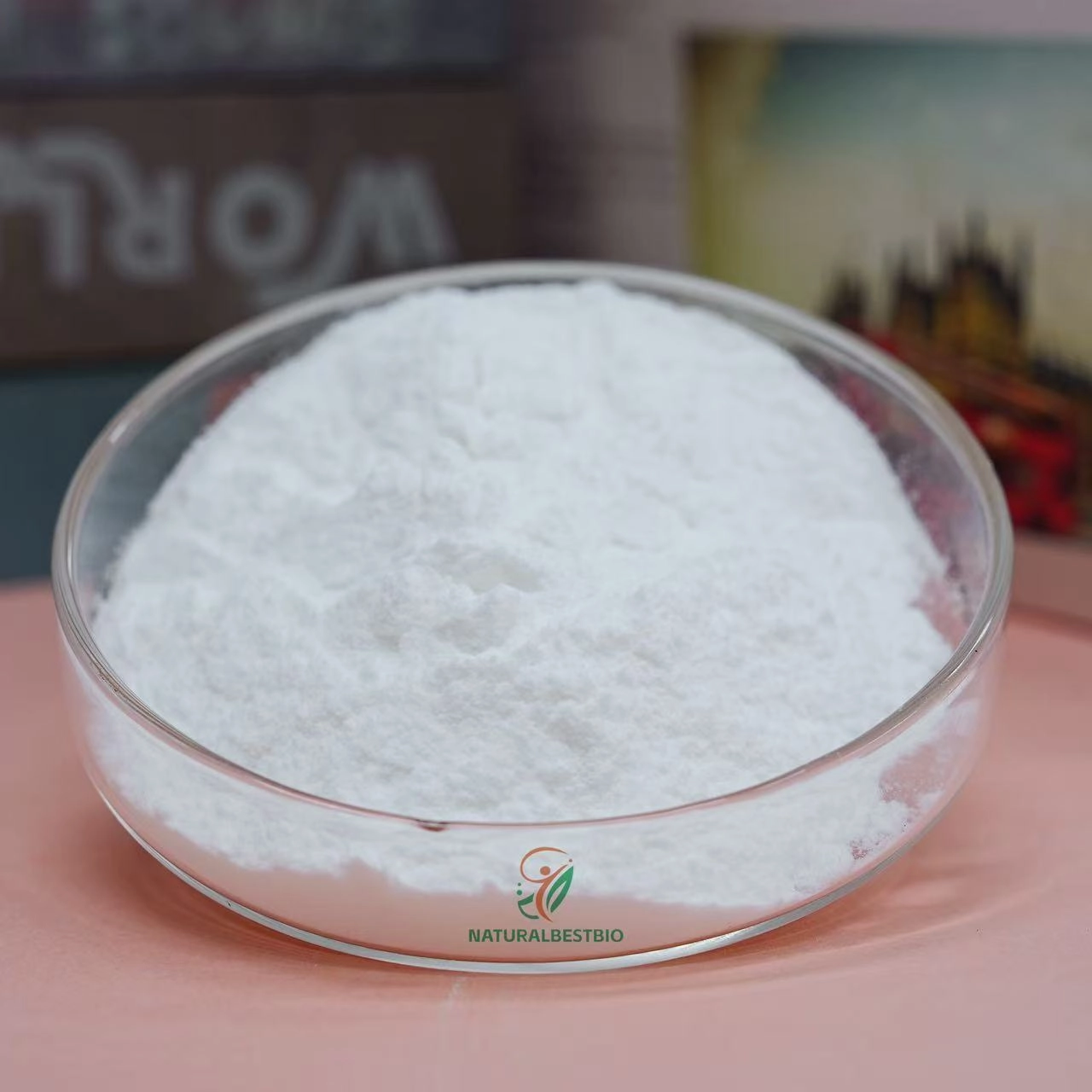
Rhodiola rosea extract supplier specification
Nutrition BioTech is a bulk Rhodiola rosea extract supplier and manufacturer, supplying Rhodiola rosea L. root extract at 3% rosavins with 1% salidroside and at 5% rosavins with 2% salidroside by HPLC, plus a purified salidroside 98% by HPLC grade, produced by hydroalcoholic extraction and purification, for B2B nutraceutical formulation.
Rhodiola is specified against two independent markers, so the grade has to be named in full. A 3% rosavins grade and a 98% salidroside grade are not the same material at different strengths — the first is a standardised botanical extract, the second is a purified single compound. Both markers, the analytical method and the native extraction ratio are stated per lot on the Certificate of Analysis.
| Ingredient name | Rhodiola Rosea Extract (standardised grades) and Salidroside 98% |
|---|---|
| Synonyms | Rhodiola rosea root extract; golden root extract; roseroot extract; arctic root extract; salidroside; rhodioloside |
| Grades supplied | 3% rosavins / 1% salidroside by HPLC — standard commercial grade. 5% rosavins / 2% salidroside by HPLC — higher-standardisation grade. Salidroside 98% by HPLC — purified single compound, not a rosavins-standardised extract. The three grades are separate specifications and are not interchangeable on a weight-for-weight basis. |
| Botanical source | Rhodiola rosea L. (Crassulaceae), dried root and rhizome. Species identity is confirmed by botanical and chromatographic testing — other Rhodiola species, notably R. crenulata, have a different marker profile and are not supplied as substitutes. |
| CAS number | Standardised extract grades: not applicable — multi-constituent botanical extract, identified by botanical species, plant part, extraction ratio and standardisation markers rather than by a single CAS number. Marker compounds: salidroside 10338-51-9, rosavin 84954-92-7. The salidroside 98% grade is a single compound and carries CAS 10338-51-9 directly. |
| Molecular formula / weight | Not applicable to the standardised extract grades. Salidroside C14H20O7, 300.30 g/mol — this applies directly to the salidroside 98% grade. Rosavin C20H28O10, 428.43 g/mol. |
| Assay / standardisation | Rosavins and salidroside determined by HPLC and both reported per lot for the extract grades; salidroside by HPLC for the 98% grade. The calculation basis is stated on the Certificate of Analysis. |
| Rosavins versus salidroside | Rosavins and salidroside are separate markers and a grade standardised to one is not a substitute for a grade standardised to the other. The traditional 3:1 rosavins-to-salidroside relationship of the 3% / 1% and 5% / 2% grades reflects the native profile of R. rosea root; the salidroside 98% grade sits outside that relationship entirely. |
| Extraction ratio and solvent | Native drug-to-extract ratio and the solvent set — typically water and ethanol — are stated on the specification sheet for each grade. |
| Carrier and excipient declaration | Where a carrier such as maltodextrin is used to standardise the extract, it is declared on the specification sheet and Certificate of Analysis and must be carried through to the finished-product ingredient list. |
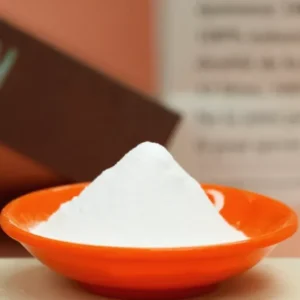
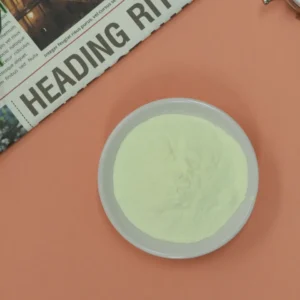
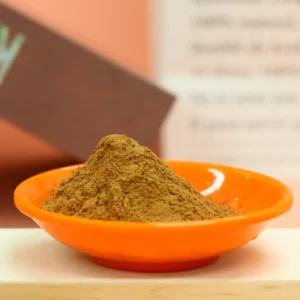
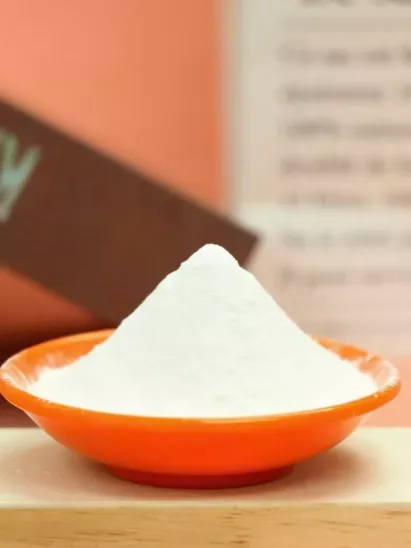
| Appearance | Standardised extract grades: pink-brown to reddish-brown fine powder with a characteristic rose-like odour. Salidroside 98%: white to off-white powder. |
| Solubility | Extract grades are water-dispersible to partially water-soluble and soluble in hydroalcoholic systems, depending on the extraction and carrier. Salidroside 98% is water-soluble. |
| Typical applications | Capsules, tablets, sachets, stick packs and powder blends for B2B nutraceutical manufacturing; commonly formulated alongside nootropic actives, magnesium and B vitamins |
| Documentation | Download public specification sheet Public sheet prepared from the current product-page specification block; not a batch-specific Certificate of Analysis. Lot-specific COA and supporting records are available for qualified buyer review when appropriate. |
| Quality system | ISO 22000:2018, FSSC 22000, HACCP and GMP (certificates provided on request) |
| Supplier | Nutrition BioTech, 1601 W. Mission Blvd, Suite 103 (DL#29), Pomona, CA 91766, United States |
Rhodiola Rosea Extract
Rhodiola extract for stress resilience, energy and nootropic wellness products.
Why brands ask for it
Rhodiola Rosea Extract is a classic adaptogen for stress resilience, fatigue support and cognitive-performance formulas. B2B buyers should see standardization, source control and formulation fit clearly on the product page.
Finished-product fit
Stress support, energy without caffeine, focus, mood resilience, active workday. The strongest conversations start with format, serving size, documentation, and how the material behaves in the intended formula.
What makes the sample useful
- Rosavins/salidroside ratio matters
- Adaptogen market accepted
- Pairs with nootropics, magnesium, B vitamins
Before the sample ships
- Confirm rosavins and salidroside %.
- Confirm source, identity, and supporting documentation.
- Confirm extraction ratio.
- Confirm organic.
- Check taste, odor, and sensory fit before formula lock.
File Package
Ask for the material files that match your market, dosage form, and internal review process.
Available documents may include: COA / Specification / Allergen Statement / GMO Statement / Vegan Statement / Heavy Metals / Microbial Limits / Manufacturing Flow Chart / Residual Solvent / Country of Origin / Composition Statement.
Regulatory & Facility Support
Regulatory review notes for the target market can be provided. Nutrition BioTech does not hold and does not claim any GRAS notification or NDI notification for this material.
Facility and quality system support follows the same certificate set named in the specification table: ISO 22000:2018, FSSC 22000, HACCP and GMP. The holding entity for each certificate is named on the certificate and confirmed under buyer review.
Specification FAQ
Does Rhodiola rosea extract have a CAS number?
Standardised extract grades: not applicable — multi-constituent botanical extract, identified by botanical species, plant part, extraction ratio and standardisation markers rather than by a single CAS number. Marker compounds: salidroside 10338-51-9, rosavin 84954-92-7. The salidroside 98% grade is a single compound and carries CAS 10338-51-9 directly.
Is Rhodiola rosea extract soluble in water?
Extract grades are water-dispersible to partially water-soluble and soluble in hydroalcoholic systems, depending on the extraction and carrier. Salidroside 98% is water-soluble.
Published research context
Rhodiola rosea and its marker compounds have a long peer-reviewed literature. The studies below are provided as technical context for formulators evaluating this raw material. These entries summarise what the cited publications report. They are not claims about Nutrition BioTech material, and no health, therapeutic or cosmetic outcome is claimed or implied for any finished product. Buyers are responsible for the claims they make on their own labels and for confirming what is permitted in their market.
- Species substitution and marker content across commercial productsAnalysed approximately 40 commercial Rhodiola products (granulated powders and extracts) by HPTLC, mass spectrometry and 1H NMR spectroscopy with multivariate analysis. About one fifth of the products claiming to be R. rosea contained no rosavin, the reference marker used to distinguish R. rosea from related species; some products also appeared to contain no salidroside; and approximately 80% of the remaining products were lower in rosavin than registered products and appeared to be adulterated with other Rhodiola species.Booker A, Jalil B, Frommenwiler D, Reich E, Zhai L, Kulic Z, Heinrich M. Phytomedicine. 2016;23(7):754–762. PMID 26626192. DOI 10.1016/j.phymed.2015.10.006 — source
- A species-specific marker for detecting R. crenulata substitutionCombined one- and two-dimensional NMR metabolite profiling with HPLC–UV quantification across R. rosea, R. kirilowii and R. crenulata. The coumarin crenulatin was identified only in R. crenulata and is proposed as a marker for detecting substitution; crenulatin was found in two of the four commercial products examined, and in fewer than a quarter of all products did the measured salidroside and total rosavins confirm the labelled amounts.Marchev AS, Koycheva IK, Aneva IY, Georgiev MI. Phytochem Anal. 2020;31(6):756–769. PMID 32311178. DOI 10.1002/pca.2940 — source
- Plant part and provenance shift the marker profileIsolated rhodiosin and herbacetin by HPLC, identified them by NMR and quantified them by RP-HPLC in more than 100 R. rosea rhizome and root samples. Rhodiosin was the main flavonoid with herbacetin roughly ten-fold lower; both were best extracted with 70–90% ethanol; the drying conditions tested had no effect on flavonoid content; and the ratio of rosavins to these flavonoids averaged 1.4 in rhizomes against 0.4 in roots, with provenance differences spanning 760–6300 µg/mL of extract. The authors propose the two flavonoids as additional markers alongside rosavins and salidroside.Péter Zomborszki Z, Kúsz N, Csupor D, Peschel W. Pharm Biol. 2019;57(1):295–305. PMID 31356124. DOI 10.1080/13880209.2019.1577460 — source