
If you are sourcing longevity ingredients, understanding the differences between NAD+ raw material, NMN, and NR is essential for product development. As the global health industry evolves, many brands are evaluating whether to use direct coenzymes or precursor molecules. This guide compares these ingredients to help you choose the right NAD+ raw material for your supplement line.
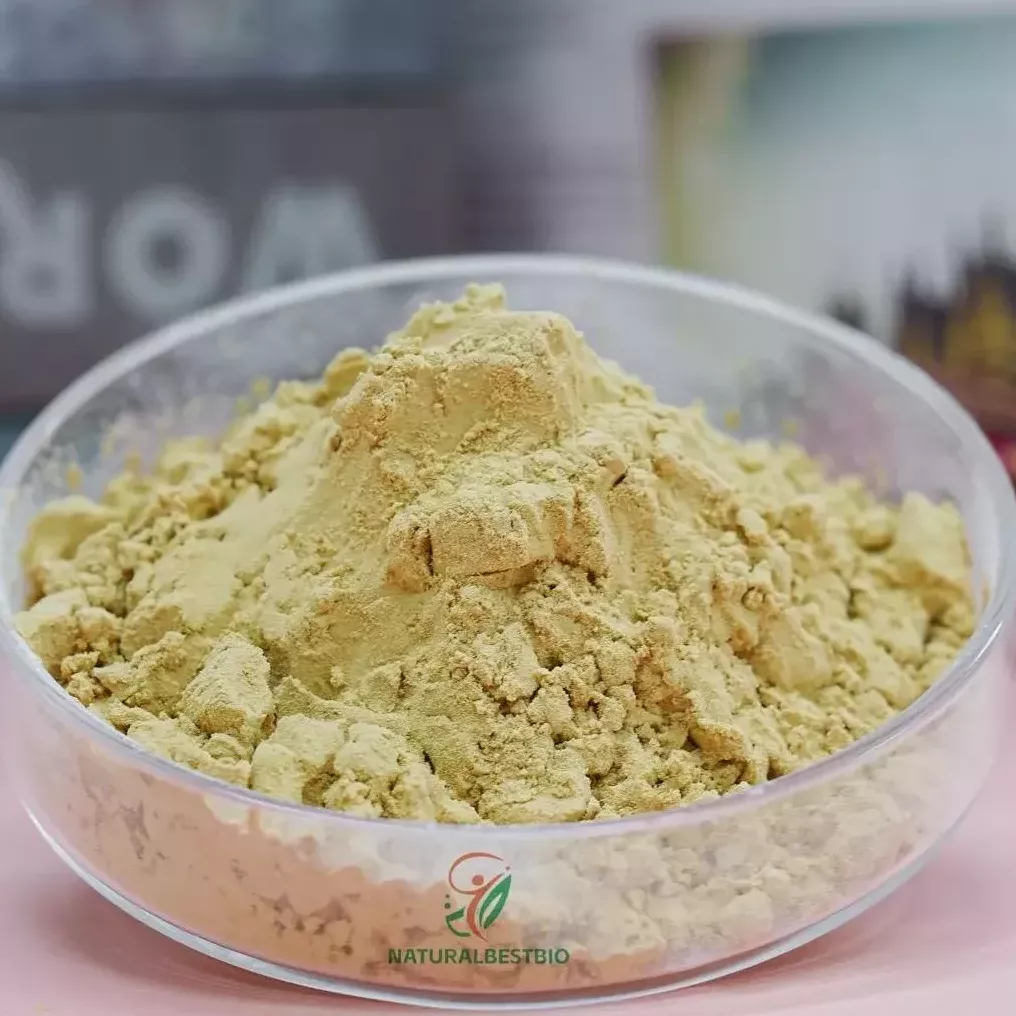
In recent years, the global health and longevity industry has been buzzing with one acronym: NAD⁺. Scientists, supplement brands, and wellness enthusiasts alike are talking about it as if it were the fuel of youth. And honestly, in many ways, it is.
But here’s where things get interesting.
When companies manufacture supplements that claim to boost NAD⁺ levels, they rarely use NAD⁺ raw material directly. Instead, they often rely on precursor molecules such as NMN (Nicotinamide Mononucleotide) or NR (Nicotinamide Riboside).
So what’s really going on behind the scenes?
Think of NAD⁺ like the electricity powering your house. Your cells depend on it for energy production, DNA repair, and metabolic balance. But electricity doesn’t appear magically in your home—you need power plants and transmission lines to generate and deliver it.
Similarly, your body produces NAD⁺ from building blocks like NMN and NR.
If you’re a supplement manufacturer, nutraceutical brand owner, or simply a curious health enthusiast researching NAD⁺ raw materials, understanding the relationship between NAD⁺, NMN, and NR is essential.
In this comprehensive guide, we’ll unpack:
- The biochemical relationship between these three compounds
- The characteristics of NAD⁺ raw material
- The differences between NMN raw material and NR raw material
- Market positioning and price comparisons
- Practical advice on how to choose the right raw material
Along the way, we’ll compare them using real-world insights—discussing which is better, faster, stronger, more stable, or more expensive.
Let’s dive in.

What Is the Relationship Between NAD⁺, NMN, and NR
To understand the market, we must first look at the metabolic pathway. NAD+ is a coenzyme present in every living cell, playing a central role in DNA repair and energy production. Furthermore, because levels decline with age, researchers focus on how NAD+ raw material and its precursors function in cellular renewal. For technical background, you can refer to cellular metabolism research via the NIH.
NAD⁺: The Cellular Energy Currency
NAD⁺ (Nicotinamide Adenine Dinucleotide) is a coenzyme present in every living cell. It plays a central role in:
- Cellular energy production (ATP synthesis)
- DNA repair
- Mitochondrial function
- Aging regulation
- Activation of sirtuins (longevity proteins)
Without NAD⁺, your cells simply cannot generate energy efficiently. It’s like trying to drive a car without gasoline.
However, here’s the catch.
NAD⁺ levels decline as we age.
Research suggests that by the time we reach middle age, NAD⁺ levels can drop by 50% or more compared to youth.
This decline has been associated with:
- fatigue
- metabolic disorders
- neurodegeneration
- accelerated aging
And that’s where precursors come into play.
NMN: The Immediate NAD⁺ Precursor
NMN (Nicotinamide Mononucleotide) sits just one biochemical step away from NAD⁺.
In simple terms:
NMN → NAD⁺
This conversion is performed by an enzyme called NMNAT.
Because NMN is so close to NAD⁺ in the metabolic pathway, many researchers believe it may raise NAD⁺ levels faster and more efficiently compared to other precursors.
Think of NMN like a half-built house—most of the construction is already done.
All your body needs to do is add the finishing touches.
NR: A Step Further Back in the Pathway
NR (Nicotinamide Riboside) is another NAD⁺ precursor, but it’s one step earlier than NMN.
The pathway looks like this:
NR → NMN → NAD⁺
So NR must first convert into NMN before becoming NAD⁺.
This extra step means NR sometimes works slightly slower compared to NMN. However, NR has its own advantages, particularly when it comes to stability and regulatory approval.
Comparing NAD⁺, NMN, and NR in the Metabolic Pathway
| Compound | Biological Role | Distance to NAD⁺ | Speed of Conversion | Typical Use |
|---|---|---|---|---|
| NAD⁺ | Active coenzyme | Final molecule | Immediate | IV therapy / cellular metabolism |
| NMN | Direct precursor | One step away | Faster | Anti-aging supplements |
| NR | Indirect precursor | Two steps away | Slightly slower | Dietary supplements |
Analogy: Building a House
Let’s imagine you’re building a house.
- NR = raw building materials
- NMN = partially assembled structure
- NAD⁺ = finished home
The closer you are to the finished house, the less work remains.
That’s why NMN is often considered faster compared to NR for boosting NAD⁺ levels.
Characteristics of NAD⁺ Raw Material
Now that we understand the relationship, let’s examine the characteristics of NAD⁺ raw material itself.
While NAD⁺ is biologically powerful, using it as a commercial raw material presents some unique challenges.
Chemical Properties of NAD⁺ Raw Material
NAD⁺ is a large, complex molecule composed of two nucleotides connected by a phosphate group.
Key characteristics include:
- Molecular weight: ~663 g/mol
- Water-soluble compound
- Sensitive to heat and light
- Limited oral bioavailability
Because of its size and complexity, NAD⁺ molecules struggle to pass through cellular membranes when taken orally.
Stability Considerations
Compared to NMN or NR, NAD⁺ raw material is less stable.
Environmental factors such as:
- heat
- moisture
- pH changes
can degrade the molecule.
That means manufacturers must invest in:
- strict storage conditions
- specialized encapsulation
- cold-chain logistics
This makes NAD⁺ more expensive and more difficult to formulate.
Bioavailability Challenges
When consumed orally, NAD⁺ must be broken down in the digestive tract before being absorbed.
This process can reduce its effectiveness.
Compared to NAD⁺:
- NMN is absorbed faster
- NR is absorbed more efficiently
As a result, many supplement companies prefer using NMN or NR raw materials instead of NAD⁺.
Advantages of NAD⁺ Raw Material
Despite these challenges, NAD⁺ still has several advantages:
Advantages
- Directly supports cellular metabolism
- Immediate biological activity
- Strong clinical research background
Disadvantages
- Less stable compared to NMN and NR
- Larger molecular size
- More expensive manufacturing process
Characteristics of NMN Raw Material
Now let’s talk about the star ingredient in many anti-aging supplements: NMN raw material.
Over the past decade, NMN has gained enormous popularity thanks to research from institutions like Harvard Medical School.
Chemical and Structural Properties
NMN is a nucleotide derived from vitamin B3 (niacin).
Its molecular weight is 334 g/mol, making it smaller and lighter compared to NAD⁺.
This smaller structure improves its ability to enter cells.
Absorption and Transport
For years, scientists debated whether NMN could enter cells directly.
Recent research suggests that specialized transporters such as Slc12a8 may allow NMN to enter cells rapidly.
This means NMN can boost NAD⁺ faster compared to many other precursors.
Stability Compared to NAD⁺
One major advantage of NMN raw material is better stability compared to NAD⁺.
While it still requires proper storage, NMN tolerates environmental conditions better.
That makes NMN easier for manufacturers to formulate into capsules, powders, or tablets.
Market Demand
NMN supplements have exploded in popularity because they are marketed for:
- anti-aging
- metabolic health
- cognitive performance
- energy enhancement
Compared to NAD⁺:
- NMN is more popular in longevity supplements
- NMN is easier to manufacture
- NMN is often more affordable
However, NMN still tends to be more expensive than NR due to complex synthesis processes.
Advantages and Disadvantages of NMN Raw Material
Advantages
- Faster NAD⁺ conversion compared to NR
- Better cellular uptake compared to NAD⁺
- Strong anti-aging research
Disadvantages
- More expensive production
- Regulatory uncertainty in some countries
- Sensitive to humidity
Characteristics of NR Raw Material
Next, let’s explore the characteristics of NR raw material.
NR has actually been studied longer than NMN and was one of the first NAD⁺ precursors used in commercial supplements.
Chemical Profile
NR is a form of vitamin B3 known as nicotinamide riboside.
Compared to NMN:
- NR has a simpler structure
- NR is lighter and easier to synthesize
This simplicity often translates into lower production costs.
Bioavailability
Although NR must convert into NMN before becoming NAD⁺, research shows it can still raise NAD⁺ levels effectively.
However, compared to NMN:
- NR conversion is slightly slower
- NR may require higher doses
Regulatory Advantages
One reason NR gained early popularity is regulatory approval.
For example:
- NR received GRAS status in the United States
- NR has strong safety data
Compared to NMN, NR has clearer regulatory pathways.
Advantages and Disadvantages
Advantages
- More stable than NMN
- Less expensive manufacturing
- Strong safety profile
Disadvantages
- Requires additional conversion step
- Slightly slower NAD⁺ increase compared to NMN
Market Positioning of the Three Ingredients
Understanding the market positioning of NAD⁺ raw material, NMN, and NR is critical for supplement brands and manufacturers.
Each ingredient occupies a unique niche.
High-End Medical and Clinical Market
NAD⁺ raw material is commonly used in:
- IV infusion therapies
- medical research
- specialized clinics
Because NAD⁺ is expensive and unstable, it is less common in retail supplements.
Premium Longevity Supplements
NMN dominates the high-end anti-aging supplement market.
Brands often position NMN products as:
- cutting-edge longevity solutions
- advanced cellular repair supplements
NMN supplements are typically more expensive compared to NR products.
Mainstream Nutritional Supplements
NR sits comfortably in the mid-range supplement category.
Compared to NMN:
- NR is less expensive
- NR has longer market history
- NR has stronger regulatory backing
This makes NR popular among large supplement companies.
Market Comparison
| Ingredient | Market Position | Price Level | Popular Use |
|---|---|---|---|
| NAD⁺ | Clinical therapy | Very expensive | IV infusion |
| NMN | Premium longevity supplements | Expensive | Anti-aging |
| NR | Mainstream supplements | Moderate | NAD boosters |
How to Choose the Right Raw Material
When selecting your source, evaluate these three factors:
- Budget: NR is generally the most affordable, whereas direct coenzymes require higher investment.
- Stability: If your product requires a long shelf life, evaluate the environmental sensitivity of the NAD⁺ raw material .
- Targeted Benefits: Decide if you want faster conversion (NMN) or broader regulatory history (NR).
Budget Considerations
If cost is a major factor:
- NR is usually less expensive
- NMN is more expensive
- NAD⁺ is the most expensive
For large-scale supplement manufacturing, NR may offer better profit margins.
Product Positioning
Your ingredient choice should match your brand image.
For example:
- luxury longevity brand → NMN
- mainstream wellness brand → NR
- medical clinic → NAD⁺
Manufacturing Complexity
Compared to NAD⁺:
- NMN is easier to formulate
- NR is the most stable
Stability affects shelf life and shipping costs.
Target Audience
Different consumers respond to different messaging.
Biohackers often prefer NMN.
General wellness consumers may choose NR due to affordability.
Conclusion: Selecting Your NAD+ Raw Material
Whether you choose direct NAD+ raw material, NMN, or NR, transparency is key. Focus on a partner that offers verified COAs and clear stability data. By understanding the biochemical pathway, you can better position your longevity supplement in a competitive marketplace.

FAQ
| Question | Answer |
|---|---|
| What is NAD⁺ raw material used for? | NAD⁺ raw material is used in medical therapies, research, and certain supplements designed to support cellular energy and anti-aging processes. |
| Is NMN better than NR? | NMN may increase NAD⁺ faster compared to NR because it is one step closer in the metabolic pathway. However, NR is often more stable and less expensive. |
| Why is NAD⁺ so expensive? | NAD⁺ has a complex molecular structure and requires advanced manufacturing processes, making it more expensive compared to NMN or NR. |
| Are NAD⁺ boosters safe? | Most studies suggest NAD⁺ precursors like NMN and NR are generally safe when used appropriately, but long-term effects are still being researched. |
| Who should avoid NAD⁺ supplements? | Pregnant women, individuals with chronic illnesses, and those taking medications should consult a healthcare professional before using NAD⁺ boosters. |
| Which raw material is best for anti-aging supplements? | NMN is often considered better for anti-aging formulations due to faster NAD⁺ conversion compared to NR. |