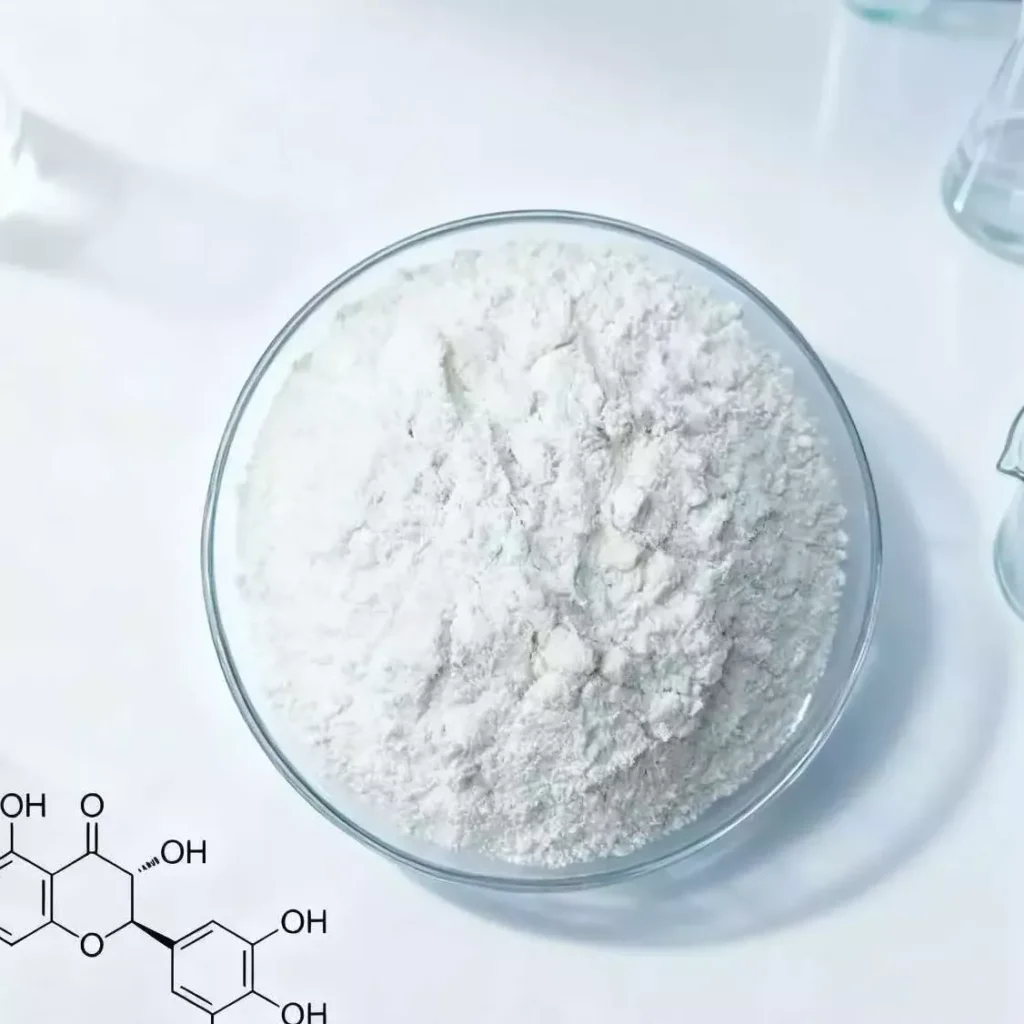
If you are looking to source high-quality materials for your brand, understanding the market landscape for NAD+ raw material is essential. The global longevity industry is evolving rapidly, and this molecule has emerged as a cornerstone of cellular science. Whether you are developing supplements or researching metabolic pathways, identifying a reliable NAD+ raw material source is critical for product success. For deeper scientific context, refer to research on mitochondrial function via the NIH.
The world of health science and longevity research has been buzzing with one molecule’s name more than almost any other in recent years: NAD+. If you’ve browsed supplement labels, longevity podcasts, or scientific publications lately, you’ve probably noticed this acronym appearing everywhere. But what exactly is NAD+ raw material, and why has it suddenly become a central ingredient in the anti-aging and nutraceutical industries?
Think of NAD+ like the spark plug inside your cells’ engine. Without it, the biochemical reactions that power life simply slow down—or stop entirely. As we age, our body’s NAD+ levels decline dramatically, which researchers believe contributes to fatigue, metabolic disorders, and cellular aging.
This growing awareness has fueled massive interest in NAD+ raw materials, the foundational compounds used to manufacture dietary supplements, pharmaceuticals, and research-grade molecules. Companies across the globe are now racing to produce high-purity NAD+ ingredients, while consumers are searching for supplements that promise better cellular energy, faster recovery, stronger metabolic health, and longer lifespan potential.
In this comprehensive guide, we’ll explore everything you need to know about NAD+ raw materials—from their science and applications to market trends and how to choose a reliable supplier.
Let’s dive in.
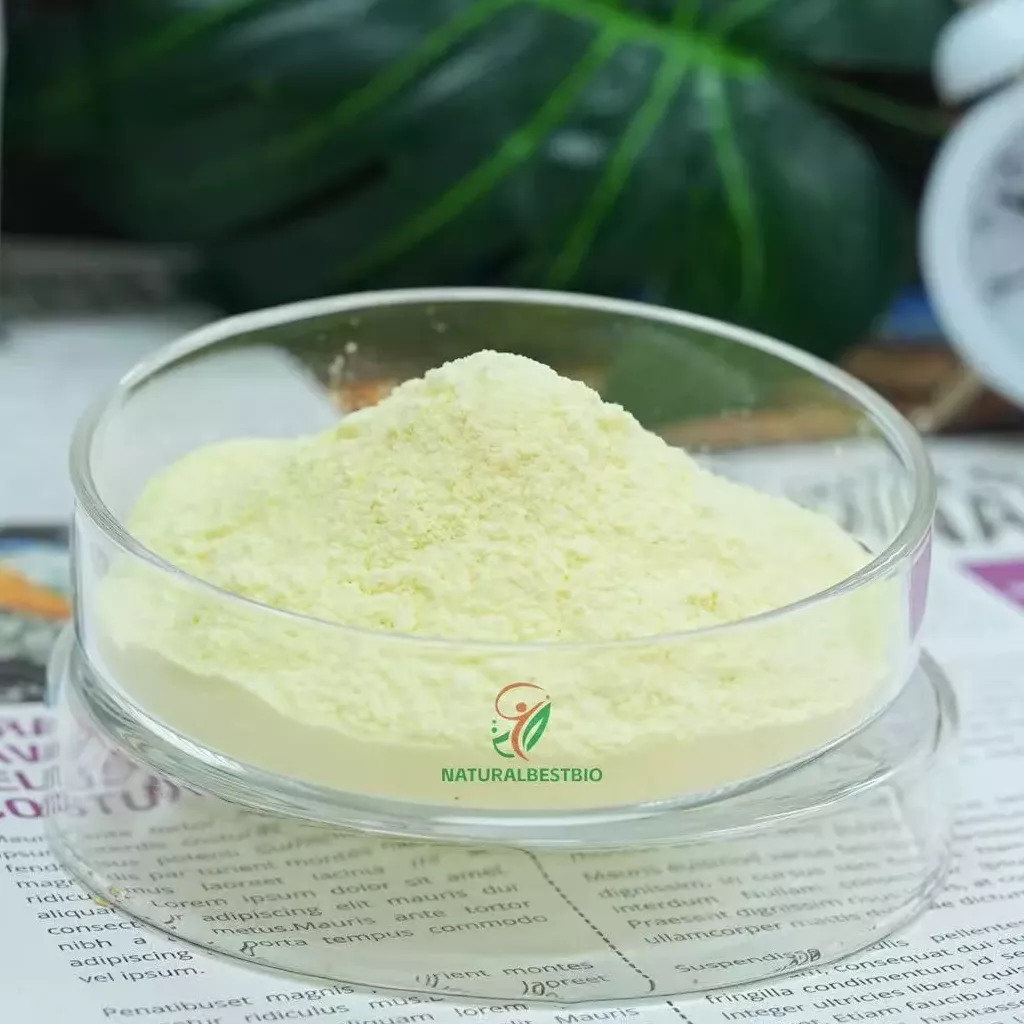
Why NAD+ Has Suddenly Become a Core Ingredient in the Anti-Aging Industry
Understanding the Biological Role of NAD+ in Cellular Metabolism
To understand the surge of interest in NAD+ raw materials, we first need to understand what NAD+ actually does.
NAD+ stands for Nicotinamide Adenine Dinucleotide, a coenzyme present in nearly every living cell. Its primary role is to help convert food into energy through metabolic reactions.
Imagine your cells as tiny power plants. They burn nutrients like glucose and fats to produce ATP—the energy currency of life. But these metabolic reactions cannot occur without NAD+ acting as an electron transporter.
In simple terms:
- NAD+ helps transfer electrons in metabolic reactions.
- This process allows mitochondria to generate energy.
- Without sufficient NAD+, cells lose efficiency.
Compared with younger cells, aging cells contain significantly less NAD+, leading to slower metabolism and weaker cellular repair systems.
Research has shown that NAD+ levels can drop by up to 50% between youth and middle age, which is one of the key reasons longevity researchers are so interested in restoring it.
NAD+ and the Activation of Longevity Proteins
Another major reason NAD+ is a hot topic is its relationship with sirtuins, often referred to as longevity genes.
Sirtuins are proteins that regulate:
- DNA repair
- inflammation control
- metabolic efficiency
- cellular stress resistance
But here’s the catch: sirtuins cannot function without NAD+.
Think of NAD+ as the fuel that powers longevity proteins. Without enough NAD+, these proteins become less active.
Compared with cells that have low NAD+ levels, cells with restored NAD+ levels show:
- better DNA repair
- stronger mitochondrial performance
- faster cellular recovery
This connection between NAD+ and sirtuins has made NAD+ supplementation a major focus of aging research.
The Longevity Research Boom Driving NAD+ Demand
Several influential scientists have played a role in popularizing NAD+ research. Over the past decade, studies from universities such as Harvard, MIT, and Washington University have demonstrated promising results in animal models.
In mice, boosting NAD+ levels has been associated with:
- improved metabolic health
- enhanced endurance
- increased mitochondrial function
- better insulin sensitivity
Compared with untreated mice, animals receiving NAD+ precursors often showed stronger muscle function and better metabolic resilience.
While human research is still developing, the early findings have been strong enough to ignite massive global demand for NAD+ raw materials.
Why the Supplement Industry Is Rapidly Adopting NAD+ Ingredients
The nutraceutical industry moves fast when new science emerges. Once NAD+ research entered mainstream health discussions, supplement brands quickly began incorporating NAD+ precursors into their formulations.
Compared with traditional vitamins like vitamin C or vitamin E, NAD+ supplements are marketed as more advanced longevity solutions because they target cellular metabolism rather than just providing antioxidant support.
Popular consumer benefits associated with NAD+ supplements include:
- improved energy levels
- enhanced mental clarity
- healthier aging
- better metabolic performance
Whether these benefits are fully proven or still emerging, consumer demand is clearly skyrocketing—and that demand begins with high-quality NAD+ raw materials.
Applications of NAD+ Raw Materials in Nutritional Supplements
Why Nutritional Supplements Use NAD+ Raw Materials Instead of Direct NAD+
One interesting fact about NAD+ supplements is that most products don’t actually contain pure NAD+ itself.
Why?
Because NAD+ molecules are relatively large and unstable when taken orally. Compared with their precursors, they are less efficient at entering cells through digestion.
Instead, supplement manufacturers typically use NAD+ precursors, compounds the body can convert into NAD+ naturally.
These precursors act like building blocks, allowing the body to rebuild NAD+ internally.
Common Supplement Applications of NAD+ Precursors
NAD+ raw materials are now widely used in a variety of nutritional products, including:
Energy Support Supplements
NAD+ plays a direct role in ATP production. Supplements containing NAD+ precursors are often marketed as cellular energy boosters.
Compared with caffeine-based energy products, NAD+ supplements are often described as smoother and longer-lasting because they support metabolism rather than stimulating the nervous system.
Anti-Aging and Longevity Formulas
Many longevity supplements combine NAD+ precursors with other compounds such as:
- resveratrol
- quercetin
- pterostilbene
These compounds may activate complementary longevity pathways.
Compared with single-ingredient formulas, multi-compound longevity supplements are often considered stronger and more comprehensive, although they can also be more expensive.
Brain Health Supplements
The brain requires massive amounts of energy. Because NAD+ supports mitochondrial activity, some researchers believe it may support cognitive health and neurological resilience.
Compared with traditional brain supplements like ginkgo or omega-3 fatty acids, NAD+ precursors target cellular energy metabolism, which may offer different mechanisms of support.
Sports and Recovery Supplements
Athletes are also becoming interested in NAD+ supplementation.
Potential benefits include:
- faster recovery
- improved mitochondrial efficiency
- enhanced endurance capacity
Compared with creatine or protein supplements, NAD+ precursors focus on cellular metabolism rather than muscle growth, making them complementary rather than competing ingredients.
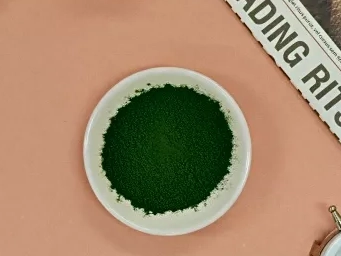
Several Main Forms of NAD+ Raw Materials
Not all NAD+ ingredients are created equal. In fact, the market currently includes several different NAD+ raw material forms, each with its own advantages and disadvantages.
Let’s explore the most common ones.
Nicotinamide Riboside (NR)
Nicotinamide Riboside is one of the most widely researched NAD+ precursors.
Advantages
- High bioavailability
- Well-studied in clinical trials
- Efficient conversion into NAD+
Compared with older vitamin B3 forms like niacin, NR is often considered better at raising NAD+ levels without causing flushing.
Disadvantages
However, NR can be more expensive to manufacture because of its complex synthesis process.
Nicotinamide Mononucleotide (NMN)
NMN has become one of the most popular NAD+ raw materials in recent years.
Advantages
- Direct precursor to NAD+
- Rapid conversion inside cells
- Strong research interest
Compared with NR, NMN may provide faster NAD+ synthesis, although the scientific debate continues.
Disadvantages
NMN production requires high-purity enzymatic manufacturing, making it more expensive compared with traditional vitamin B3 ingredients.
Niacin (Vitamin B3)
Niacin is the classic NAD+ precursor and has been used for decades.
Advantages
- Very affordable
- Widely available
- Well understood nutritionally
Compared with NR or NMN, niacin is much less expensive, making it attractive for budget supplements.
Disadvantages
However, high doses of niacin can cause skin flushing and discomfort, which many consumers dislike.
Nicotinamide (NAM)
Nicotinamide is another NAD+ precursor derived from vitamin B3.
Advantages
- Cost-effective
- Stable in supplement formulations
Disadvantages
Compared with NR or NMN, NAM may inhibit certain sirtuin pathways at high concentrations, which could make it less ideal for longevity-focused formulations.
Comparison of Major NAD+ Raw Materials
Descriptive Comparison of Major NAD+ Precursors
| NAD+ Raw Material | Key Advantage | Key Disadvantage | Relative Cost | Conversion Efficiency |
|---|---|---|---|---|
| NMN | Faster NAD+ synthesis | Expensive production | High | Very strong |
| NR | Clinically studied | Slightly costly | Medium-High | Strong |
| Niacin | Very affordable | Flushing side effects | Low | Moderate |
| Nicotinamide | Stable and cheap | Potential pathway inhibition | Low | Moderate |
Compared with traditional vitamin B3 compounds, NMN and NR are generally considered more advanced NAD+ boosters, though they are also more expensive.
Global Market Trends for NAD+ Raw Materials
Explosive Growth of the Longevity Supplement Market
The global anti-aging industry has been expanding rapidly, and NAD+ ingredients are riding this wave.
According to several market research reports:
- The global NAD+ supplement market is expected to grow at double-digit annual rates over the next decade.
- Longevity supplements are becoming increasingly popular among consumers aged 30–60.
Compared with traditional supplements like multivitamins, NAD+ products are often marketed as premium, science-driven solutions.
Regional Market Growth
Different regions show different adoption patterns.
North America
The United States currently leads the NAD+ supplement market.
Compared with other regions, the U.S. has:
- stronger biotech research
- higher consumer awareness
- larger supplement spending
Asia-Pacific
Countries like Japan, South Korea, and China are seeing rapid growth in NAD+ raw material production.
Compared with Western manufacturers, Asian producers often offer more cost-competitive manufacturing, though quality standards vary widely.
Europe
Europe focuses heavily on regulatory compliance and safety standards, which sometimes slows the introduction of new NAD+ ingredients compared with the U.S.
Future Market Forecast
Many analysts expect the NAD+ raw material market to expand due to:
- aging global populations
- increased longevity research
- consumer demand for cellular health products
Compared with traditional anti-aging cosmetics, NAD+ supplements target internal biological aging, which many consumers find more appealing.
How to Choose a High-Quality NAD+ Raw Material Supplier
Choosing a reliable supplier is critical for supplement brands and pharmaceutical developers.
So how do you separate the high-quality producers from the unreliable ones?
Purity and Manufacturing Standards
High-quality NAD+ raw materials should typically have purity levels above 98–99%.
Compared with lower-purity materials, high-purity ingredients provide:
- better product stability
- stronger biological effects
- fewer impurities
Manufacturing standards such as GMP certification are essential indicators of quality.
Production Technology
NAD+ ingredients can be produced through:
- chemical synthesis
- enzymatic fermentation
- microbial fermentation
Compared with chemical synthesis, enzymatic fermentation often produces cleaner and more natural molecules, though it may be more expensive.
Third-Party Testing
Reliable suppliers should provide:
- HPLC purity testing
- microbiological testing
- heavy metal analysis
Compared with suppliers that skip third-party testing, certified manufacturers offer stronger quality assurance and regulatory safety.
Regulatory Compliance
For global distribution, suppliers should meet regulatory standards such as:
- FDA guidelines
- EU Novel Food regulations
- ISO certifications
Compared with unregulated materials, compliant raw materials are safer and easier to sell internationally.
Conclusion
NAD+ raw materials have rapidly become one of the most exciting ingredients in the nutraceutical and longevity industries.
From supporting cellular metabolism to activating longevity proteins, NAD+ plays a fundamental role in human biology. As scientific research continues to explore its potential, demand for high-quality NAD+ raw materials will likely continue growing.
Compared with traditional vitamin supplements, NAD+ ingredients offer a more targeted approach to cellular health, though they are often more expensive and still under active research.
For manufacturers and consumers alike, understanding the different forms of NAD+ precursors—and choosing reliable suppliers—will be essential as this fast-growing market evolves.
FAQ
| Question | Answer |
|---|---|
| What is NAD+ raw material? | NAD+ raw material refers to the precursor compounds or purified NAD+ ingredients used in the manufacturing of supplements, pharmaceuticals, and research products designed to increase cellular NAD+ levels. |
| Which NAD+ precursor is the most effective? | NMN and NR are currently considered among the most effective NAD+ precursors because they convert into NAD+ more efficiently compared with traditional vitamin B3 forms. |
| Are NAD+ supplements safe? | Most NAD+ precursors are generally considered safe when used at recommended doses, though excessive intake may cause digestive discomfort or metabolic imbalances. |
| Who should consider NAD+ supplementation? | Adults interested in healthy aging, metabolic health, and energy support often consider NAD+ supplements. However, individuals with medical conditions should consult healthcare professionals first. |
| Why are NMN supplements more expensive? | NMN requires complex enzymatic synthesis and high-purity manufacturing processes, making it more expensive compared with basic vitamin B3 ingredients. |
| Can NAD+ reverse aging? | Current research suggests NAD+ may support healthy aging, but it is not proven to reverse aging entirely. It should be viewed as a metabolic support tool rather than a miracle cure. |