
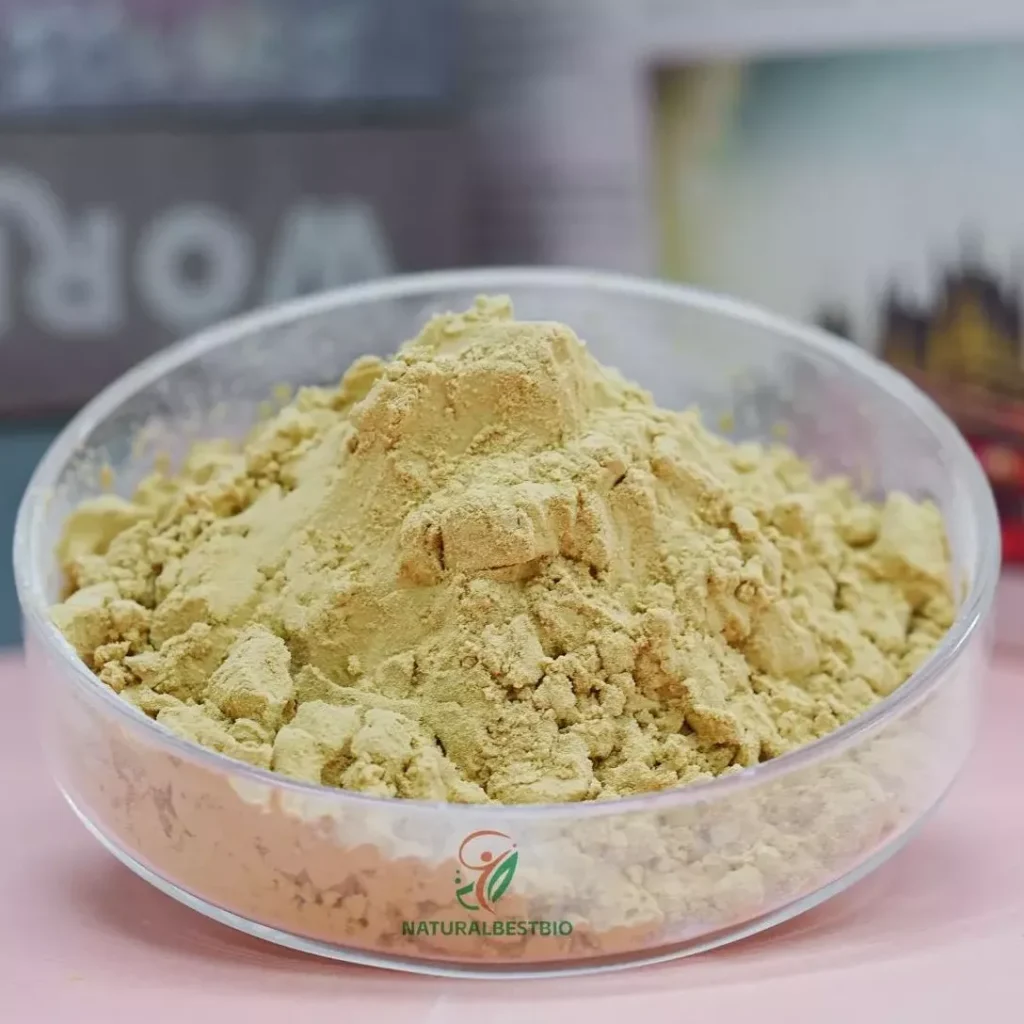
If you are sourcing high-quality NAD+ raw material, understanding the advanced biotechnological processes behind its production is essential. As the longevity and pharmaceutical sectors expand, manufacturers must rely on rigorous fermentation and purification standards to ensure product stability. This guide breaks down the complex journey from microbial strain engineering to the final high-purity NAD+ raw material. For more technical details on coenzyme functions, refer to the National Center for Biotechnology Information.
NAD+ has become one of the hottest molecules in the health, pharmaceutical, and biotechnology industries. If you’ve spent any time reading about anti-aging science, cellular metabolism, or longevity research, you’ve almost certainly encountered the term NAD+ (Nicotinamide Adenine Dinucleotide).
But behind every NAD+ supplement, injectable therapy, or pharmaceutical application lies something rarely discussed: NAD+ raw material production.
Producing high-purity NAD+ raw material isn’t simple. It requires complex biochemical pathways, fermentation systems, purification technologies, and rigorous quality control procedures. Compared with manufacturing common vitamins like Vitamin C, NAD+ raw material production is significantly more complex, slower, and often more expensive due to its fragile structure and strict purity requirements.
So how exactly is NAD+ raw material manufactured? Why is the production process so technically demanding? What are the current challenges, and where is the technology heading?
Let’s take a deep dive.
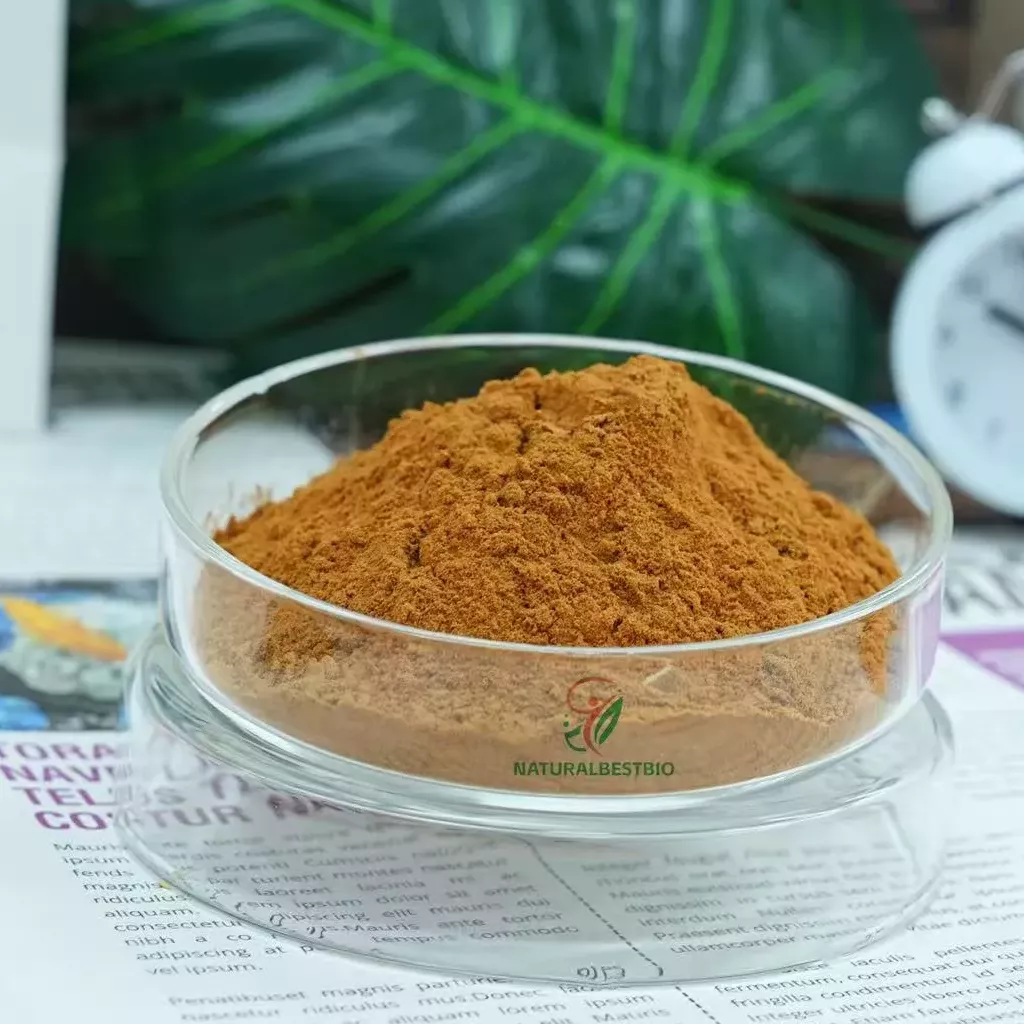
Why NAD+ Raw Material Production Is Complex
Producing NAD+ raw material is not like manufacturing simple chemical compounds. It sits at the intersection of biochemistry, microbiology, and pharmaceutical engineering. That combination makes the process fascinating—but also extremely challenging.
The Molecular Complexity of NAD+
First, let’s look at the molecule itself.
NAD+ is a coenzyme found in every living cell. It plays a crucial role in:
- Cellular energy metabolism
- DNA repair
- Gene expression
- Mitochondrial function
- Cellular aging processes
From a chemical perspective, NAD+ is a large and structurally complex molecule composed of:
- Adenine
- Nicotinamide
- Ribose sugars
- Phosphate groups
Compared with small molecules like vitamin B3 (niacin), NAD+ contains multiple functional groups and a delicate molecular structure. This makes it:
- More difficult to synthesize chemically
- More sensitive to temperature and pH
- More prone to degradation
In simple terms, producing NAD+ is like assembling a multi-piece precision watch, while making a simpler vitamin is more like stamping out a metal coin.
Low Natural Concentration in Biological Systems
Another reason NAD+ raw material production is complex is that NAD+ occurs in extremely low concentrations in living organisms.
Cells produce NAD+ internally through metabolic pathways, but extracting it directly from biological tissues would be:
- Very inefficient
- Extremely expensive
- Not scalable for industrial production
Compared with extracting compounds like fish oil or collagen, where raw materials are abundant, NAD+ is more like trying to collect a few drops of rare perfume from thousands of flowers.
That’s why modern manufacturers rely on biotechnological fermentation processes instead.
Strict Purity Requirements
When NAD+ raw material is intended for:
- Pharmaceutical injections
- Nutraceutical supplements
- Scientific research
the purity requirements become extremely strict.
Typical pharmaceutical-grade NAD+ raw material must reach:
| Parameter | Typical Requirement |
|---|---|
| Purity | ≥98–99% |
| Heavy metals | Very low |
| Residual solvents | Minimal |
| Microbial contamination | None |
Compared with food-grade ingredients, pharmaceutical-grade NAD+ raw material requires much tighter control.
Even minor impurities could:
- Reduce stability
- Affect biological activity
- Increase safety risks
Sensitivity to Environmental Conditions
NAD+ is chemically sensitive.
It can degrade when exposed to:
- Heat
- Light
- Oxygen
- Extreme pH
Compared with more stable molecules like creatine or glucose, NAD+ behaves more like a fragile glass sculpture.
This means every step—from fermentation to drying to packaging—must carefully control environmental conditions.
Multi-Step Production Process
Unlike simple synthetic molecules produced in one or two reactions, NAD+ raw material production involves multiple stages:
- Microbial fermentation
- Cell lysis
- Extraction
- Purification
- Concentration
- Crystallization
- Drying
- Quality control
Each stage must be optimized for yield, purity, and stability.
Compared with producing simple compounds, NAD+ production takes longer and requires more specialized equipment, making it more expensive and technically demanding.
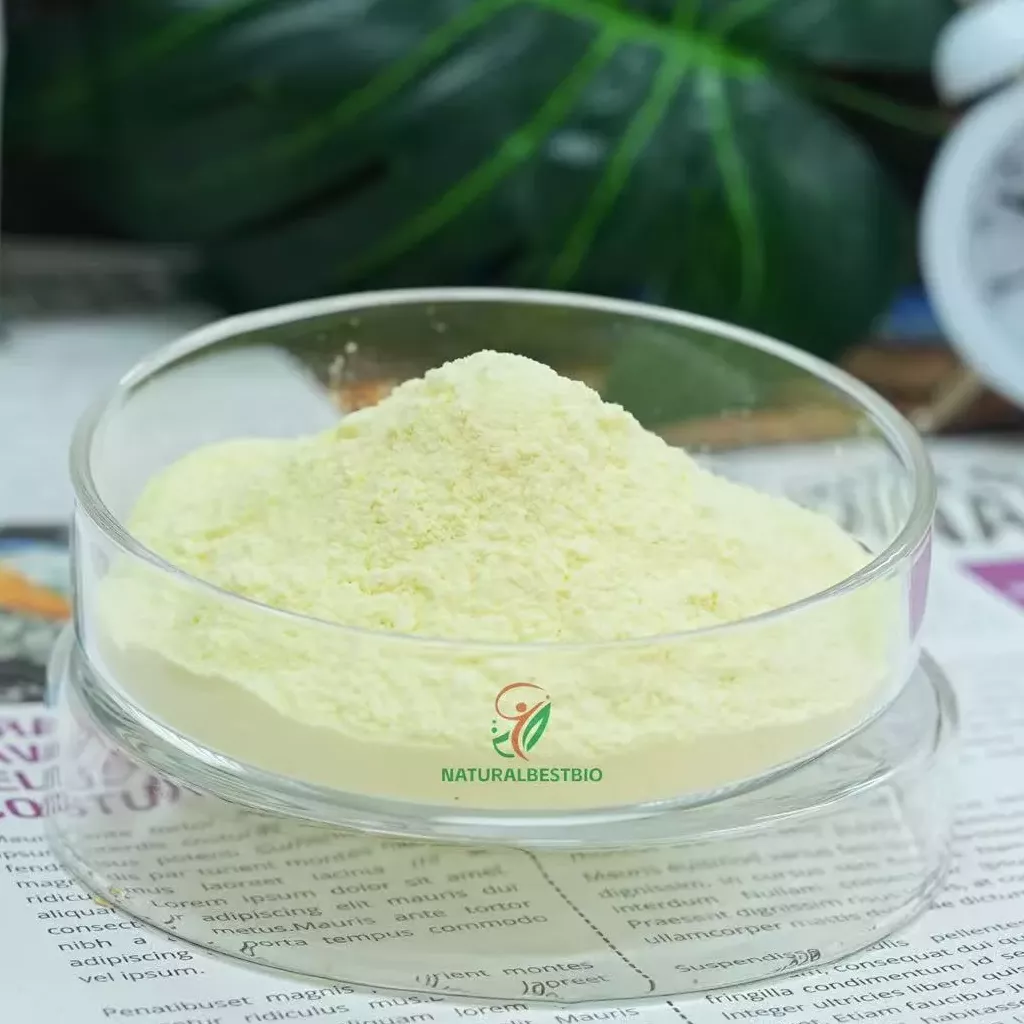
NAD+ Biotechnological Fermentation Production Process
Today, the most widely used method for NAD+ raw material production is biotechnological fermentation.
Compared with chemical synthesis, biological fermentation is often safer, more efficient, and produces higher purity NAD+.
Let’s explore how this fascinating process works.
Overview of NAD+ Fermentation Production
In industrial biotechnology, fermentation essentially means using microorganisms as tiny molecular factories.
Scientists engineer microbes—such as bacteria or yeast—to produce large amounts of NAD+ inside their cells.
These microbes convert simple nutrients like:
- Glucose
- Ammonia
- Nicotinamide
into NAD+ molecules through metabolic pathways.
Typical Fermentation Workflow
| Production Stage | Description |
|---|---|
| Strain selection | High NAD+ producing microorganisms |
| Seed culture preparation | Growing starter microbes |
| Large-scale fermentation | Microbial growth in bioreactors |
| Metabolic pathway activation | Enhancing NAD+ biosynthesis |
| Harvesting | Collecting microbial cells |
Compared with traditional chemical production, fermentation often delivers better yield and fewer harmful byproducts.
Microbial Strain Engineering
Not all microorganisms produce NAD+ efficiently.
Therefore, strain engineering is a critical step.
Researchers modify microbes using:
- Genetic engineering
- Metabolic pathway optimization
- Enzyme overexpression
These modifications allow microbes to produce NAD+ faster and in larger quantities.
Compared with natural microbial strains, engineered strains can produce several times more NAD+, dramatically improving industrial productivity.
Fermentation Bioreactor Systems
Large-scale NAD+ fermentation happens inside industrial bioreactors.
These tanks can hold anywhere from:
- 1,000 liters
- 10,000 liters
- even 100,000 liters
Inside these reactors, scientists carefully control:
- Temperature
- Oxygen levels
- Nutrient concentration
- pH levels
- agitation speed
Think of it like maintaining the perfect environment for microscopic workers.
If the conditions are slightly off, NAD+ production could drop significantly.
Compared with simple fermentation products like ethanol, NAD+ fermentation requires more precise control.
Substrate Feeding Strategies
To maximize yield, fermentation systems often use fed-batch strategies.
Instead of adding all nutrients at once, substrates are gradually fed into the reactor.
This helps:
- Maintain stable microbial growth
- Prevent metabolic overload
- Improve NAD+ synthesis efficiency
Compared with batch fermentation, fed-batch systems often produce higher NAD+ concentrations.
Fermentation Yield Optimization
Improving NAD+ yield requires constant optimization.
Researchers experiment with:
- Carbon source types
- Nitrogen sources
- Oxygen transfer rates
- enzyme regulation
For example, certain sugars may allow microbes to produce NAD+ faster, while others may increase overall yield.
Compared with earlier production methods, modern fermentation systems can produce significantly higher NAD+ concentrations, reducing manufacturing costs.
Purification and Extraction Technologies
After fermentation, NAD+ is still trapped inside microbial cells.
Extracting and purifying it is a critical and technically challenging step.
Compared with fermentation, purification often determines the final quality and purity of NAD+ raw material.
Cell Disruption Techniques
First, the microbial cells must be broken open.
Common methods include:
| Method | Advantages | Disadvantages |
|---|---|---|
| High-pressure homogenization | Fast and efficient | Expensive equipment |
| Ultrasonication | Good for small batches | Harder to scale |
| Enzymatic lysis | Gentle on molecules | Slower |
| Mechanical grinding | Simple | Lower efficiency |
Compared with mechanical grinding, high-pressure homogenization is often faster and more efficient for industrial production.
Extraction of NAD+
Once cells are disrupted, NAD+ must be extracted from a mixture containing:
- proteins
- nucleotides
- cellular debris
- metabolites
Extraction usually uses buffer solutions and filtration systems.
Compared with simple filtration processes, NAD+ extraction often requires multi-step separation techniques.
Chromatographic Purification
One of the most powerful purification tools is chromatography.
Common types include:
- Ion exchange chromatography
- Reverse phase chromatography
- Affinity chromatography
These systems separate NAD+ molecules based on charge, polarity, and molecular interactions.
Compared with basic filtration, chromatography provides much higher purity, though it is also more expensive and technically demanding.
Crystallization and Drying
After purification, NAD+ is concentrated and crystallized.
Crystallization helps:
- increase purity
- improve stability
- enable easier storage and transport
Finally, the product undergoes freeze drying (lyophilization) or spray drying.
Compared with spray drying, freeze drying is slower but often preserves molecular integrity better, making it a preferred option for high-grade NAD+ raw materials.
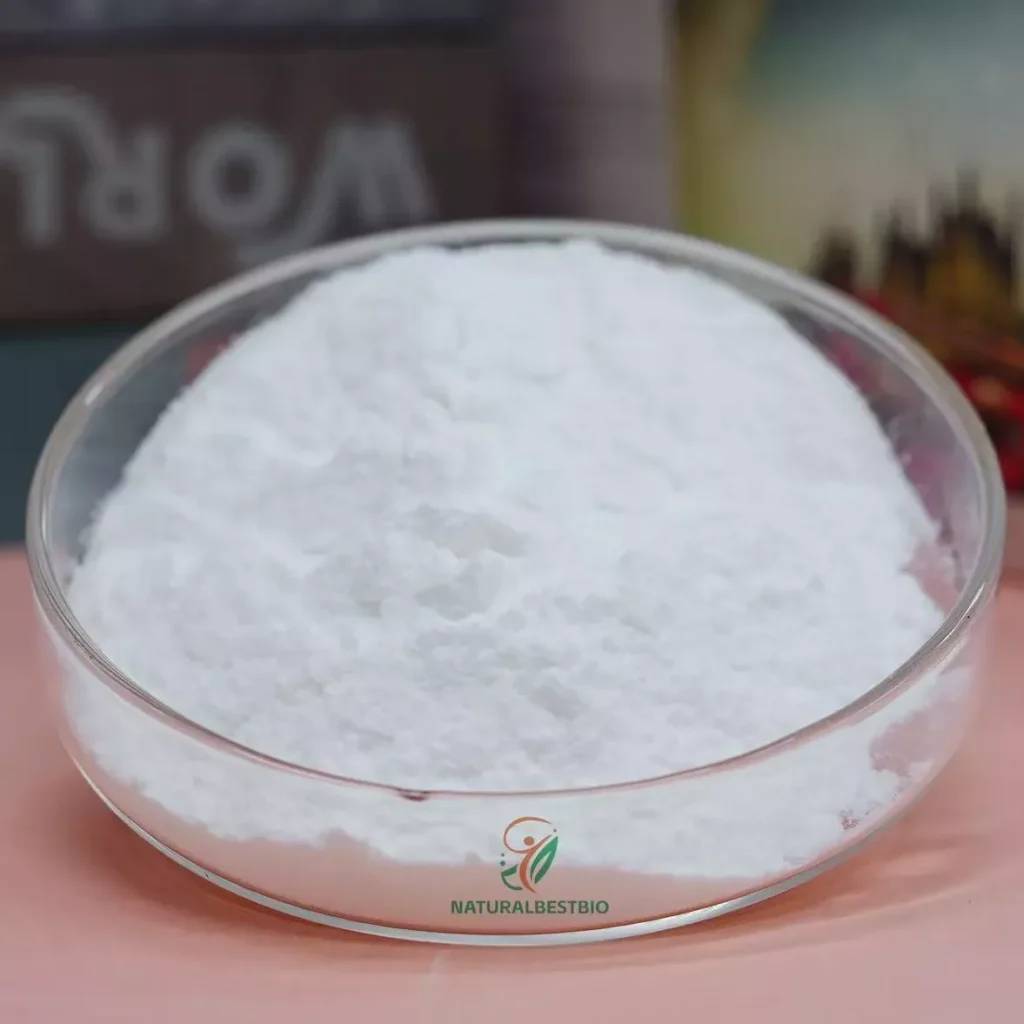
Quality Control Procedures
Quality control is absolutely essential in NAD+ raw material production.
Because NAD+ is used in medical, pharmaceutical, and dietary applications, strict testing standards apply.
Analytical Testing Methods
Scientists use advanced analytical techniques to verify purity and identity.
Common testing technologies include:
| Analytical Method | Purpose |
|---|---|
| HPLC (High Performance Liquid Chromatography) | Purity measurement |
| Mass spectrometry | Molecular identification |
| NMR spectroscopy | Structural confirmation |
| UV spectroscopy | Concentration analysis |
Compared with simple spectrophotometry, HPLC offers much higher accuracy for NAD+ purity measurement.
Microbiological Testing
Microbial contamination must be strictly controlled.
Testing ensures the absence of:
- pathogenic bacteria
- yeast and molds
- endotoxins
Compared with food ingredients, pharmaceutical NAD+ requires much stricter microbial standards.
Stability Testing
Manufacturers also evaluate long-term stability.
They study how NAD+ behaves under:
- heat
- humidity
- light exposure
Compared with stable supplements like magnesium, NAD+ typically requires more careful storage conditions.
Technical Challenges in NAD+ Raw Material Production
Even with advanced biotechnology, NAD+ production still faces multiple technical challenges.
Low Fermentation Yield
Despite genetic engineering improvements, NAD+ yield remains relatively limited.
Compared with fermentation products like amino acids or organic acids, NAD+ concentrations are still lower.
Researchers are working on:
- metabolic pathway optimization
- enzyme engineering
- synthetic biology solutions
High Production Costs
NAD+ raw material is often more expensive than other nutraceutical ingredients.
Major cost drivers include:
- specialized fermentation equipment
- purification technologies
- strict quality control
Compared with producing vitamin C, NAD+ manufacturing is slower and more technologically demanding.
Molecular Stability Issues
NAD+ is less stable during storage compared with many supplements.
Exposure to heat or moisture can cause degradation.
Manufacturers must use protective packaging and controlled storage conditions.
Future Technology Development Trends
The future of NAD+ raw material production is incredibly exciting.
Advances in biotechnology may soon make NAD+ cheaper, faster to produce, and more widely available.
Synthetic Biology
Synthetic biology allows scientists to design custom metabolic pathways in microbes.
Compared with traditional genetic engineering, synthetic biology offers:
- faster strain development
- higher production yields
- more precise metabolic control
Continuous Fermentation Systems
Continuous fermentation could produce NAD+ more efficiently than batch fermentation.
Instead of stopping production after each batch, the system runs continuously.
Compared with batch processes, continuous systems are often faster and more cost-effective.
NAD+: Compound Identity
This page describes the fermentation route, purification steps and analytical testing used to produce NAD+ raw material. The identifiers below state which compound is being described, so the process discussion above can be matched against a specification or a certificate of analysis.
- Ingredient name — beta-Nicotinamide adenine dinucleotide (NAD+)
- Synonyms — beta-NAD; beta-DPN; Coenzyme 1; Cozymase; diphosphopyridine nucleotide; Nadide
- CAS number — 53-84-9
- EC number — 200-184-4
- InChIKey — BAWFJGJZGIEFAR-NNYOXOHSSA-N
- Molecular formula — C21H27N7O14P2
- Molecular weight — 663.43 g/mol
NAD+ is not NADH, and neither is NMN. The three are routinely quoted against one another but are distinct materials with distinct specifications; the reduced form (NADH) and the precursor NMN each carry their own CAS number, formula and assay method. A quotation or a certificate of analysis should be read against the identifiers above rather than against the label “NAD”.
A PubChem CID is deliberately not given here. More than one PubChem record carries the formula C21H27N7O14P2, and the record titles differ between them, so a bare CID would not identify the material unambiguously. The InChIKey above is the unambiguous machine-readable anchor for this compound.
See the NMN / NAD+ / NADH ingredient page for the grade list and the test-item and method table. Assay and method for the NAD+, NADH and liposomal grades are stated on their individual specification sheets.
Cell-Free Enzyme Systems
Some researchers are exploring cell-free enzyme production.
This approach uses purified enzymes instead of living cells.
Advantages include:
- faster reaction speeds
- easier process control
- reduced contamination risk
However, compared with fermentation, enzyme systems are currently more expensive.
FAQ
| Question | Answer |
|---|---|
| What is NAD+ raw material? | NAD+ raw material refers to high-purity nicotinamide adenine dinucleotide used in pharmaceuticals, supplements, and research. |
| How is NAD+ produced industrially? | It is mainly produced using biotechnological fermentation with engineered microorganisms. |
| Is fermentation better than chemical synthesis? | Yes, fermentation is generally safer, produces fewer impurities, and is more environmentally friendly compared with chemical synthesis. |
| Why is NAD+ raw material expensive? | The production process involves complex fermentation, purification, and strict quality control, making it more expensive than simpler supplements. |
| Who typically uses NAD+ raw material? | Pharmaceutical companies, supplement manufacturers, cosmetic companies, and research institutions. |
| Are there safety concerns? | When manufactured under GMP standards, NAD+ raw material is generally safe for its intended applications. |
| What are the storage requirements? | NAD+ should be stored in cool, dry environments protected from light to maintain stability. |
Related ingredient pages
For buyer evaluation, compare this guide with the closest Nutrition BioTech ingredient pages and sourcing route.