Huperzine A 1% (HuperFocus™) supplier specification
Nutrition BioTech is a bulk huperzine A ingredient supplier and manufacturer, supplying standardised Huperzia serrata extract at 1% huperzine A (CAS 102518-79-6) by HPLC as HuperFocus™, produced by botanical extraction and purification, for B2B nutraceutical formulation.
At a 1% standardisation huperzine A is a microgram-level active, so blend uniformity, carrier choice and the stated assay basis matter as much as the assay figure. Every lot ships with a Certificate of Analysis stating identity, HPLC assay for huperzine A and the assay basis.
| Ingredient name | Huperzine A 1% (HuperFocus™) — standardised Huperzia serrata extract |
|---|---|
| Synonyms | Huperzine A; (−)-huperzine A; selagine; club moss / firmoss extract; Huperzia serrata extract |
| CAS number | 102518-79-6 (huperzine A, the standardised active) |
| Machine-readable identifiers | InChIKey ZRJBHWIHUMBLCN-YQEJDHNASA-N · PubChem CID 854026 |
| Molecular formula | C15H18N2O (huperzine A) |
| Molecular weight | 242.32 (huperzine A) |
| Assay / purity | Standardised to 1% huperzine A by HPLC (HuperFocus™); other standardisation levels available on request. Assay basis stated on the Certificate of Analysis. |
| Source / production route | Botanical extraction and purification from Huperzia serrata; plant part, extraction solvent and carrier are stated on the specification sheet |
| Source type | Natural. Extracted and purified from Huperzia serrata plant material; not synthetically produced. |
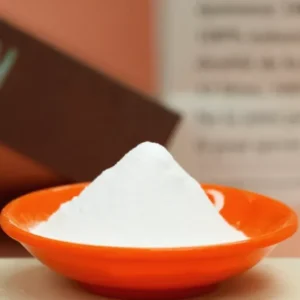
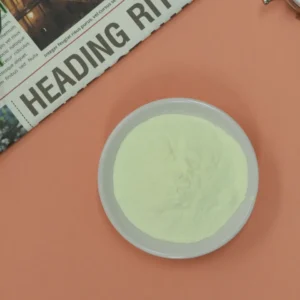
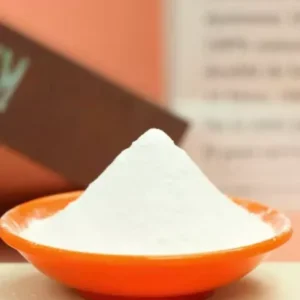
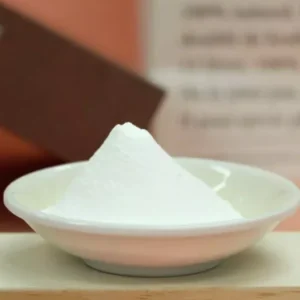
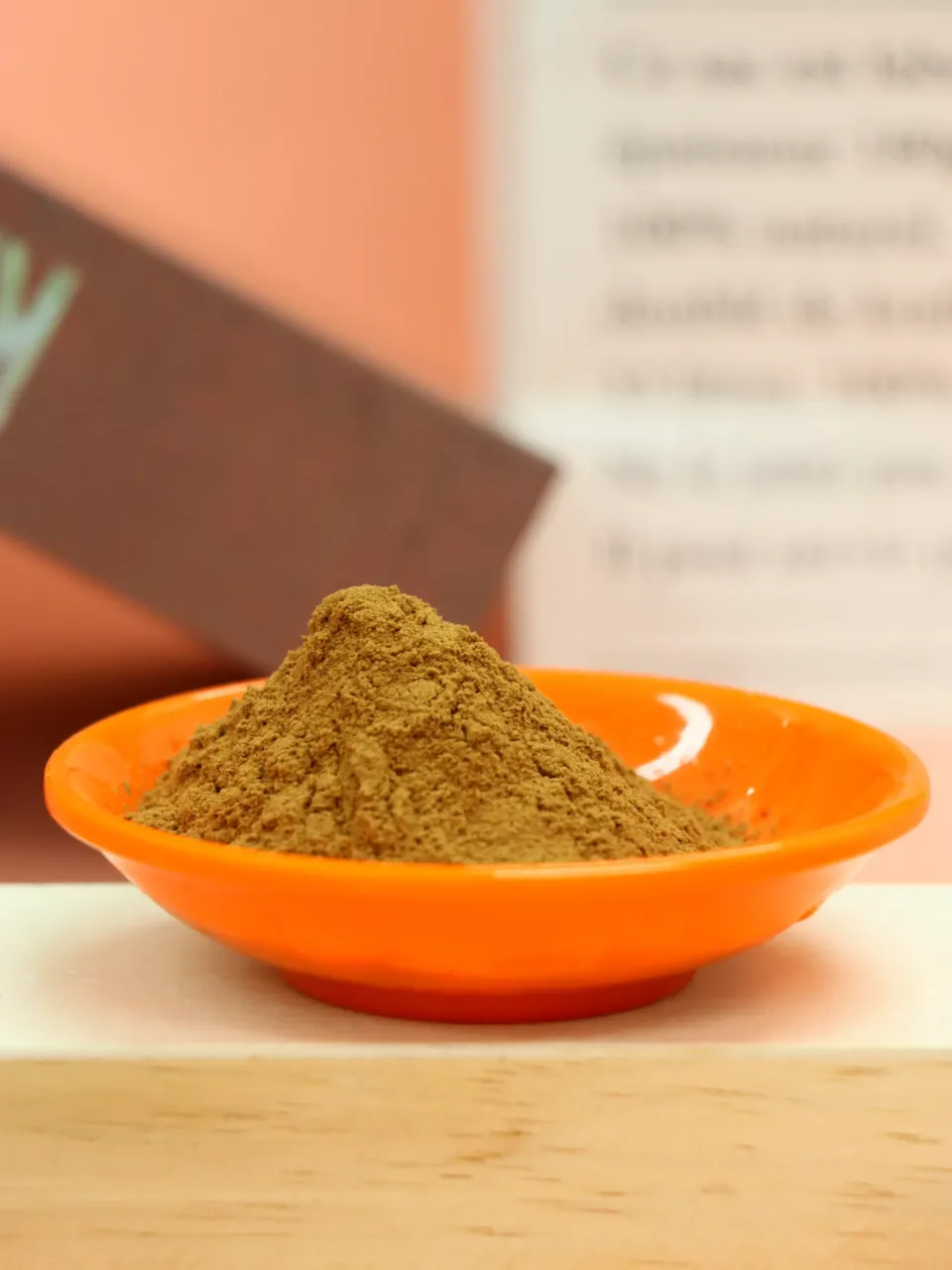
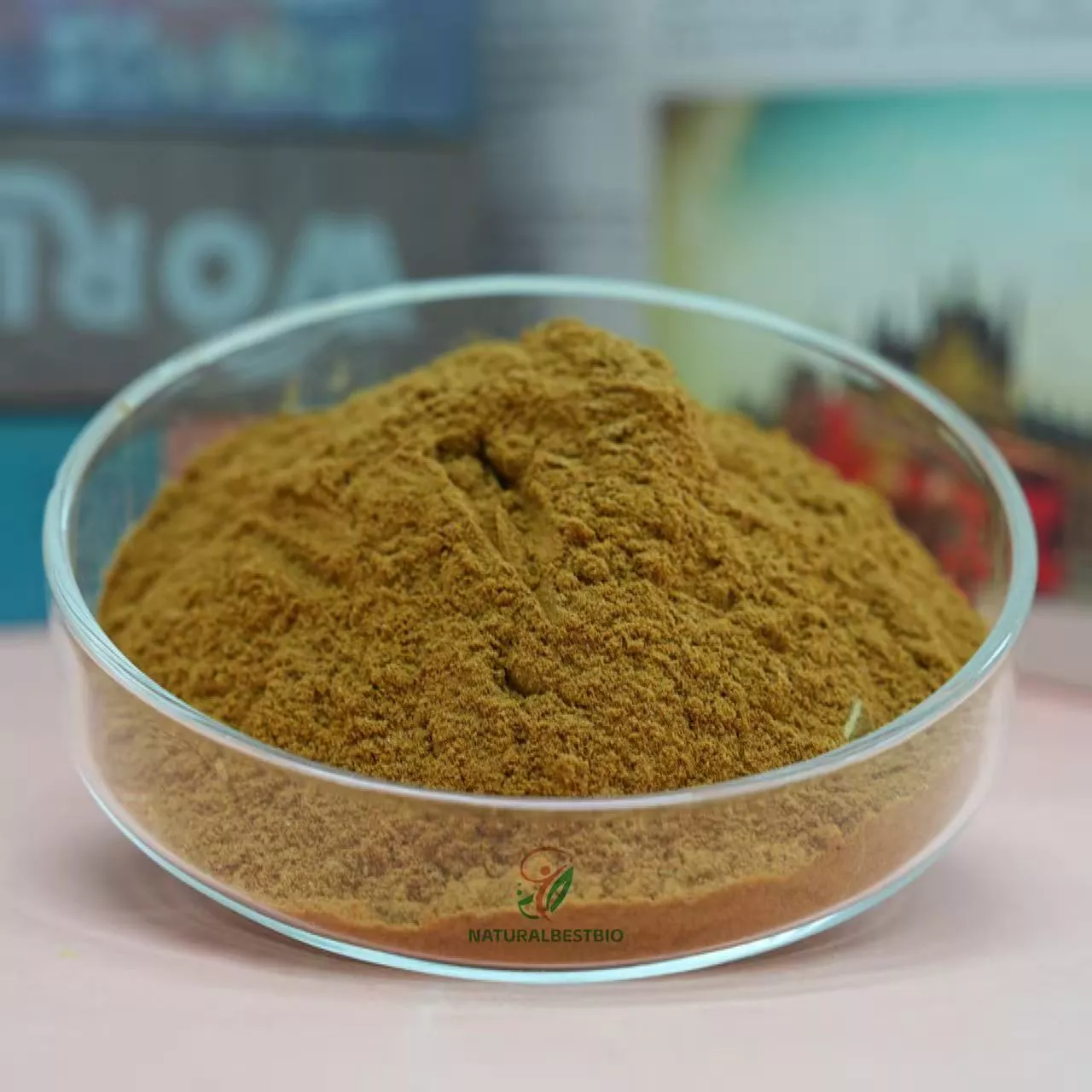
| Appearance | Light yellow to yellowish-brown fine powder (1% standardised extract); isolated huperzine A is a white to off-white crystalline powder |
| Solubility | Poorly soluble in water; soluble in ethanol and DMSO. Particle size, wetting behaviour and carrier compatibility should be confirmed for the intended dosage form. |
| Low-dose handling | Typical inclusion is at microgram level per serving, so a premix or triturated dilution is normally used for blend uniformity and blend assay should be confirmed on the finished blend rather than the raw material alone |
| Typical applications | Capsules, tablets and low-dose nootropic powder blends for B2B nutraceutical manufacturing; commonly formulated alongside citicoline, L-theanine and B vitamins |
| Regulatory note | Permitted use and labelling of huperzine A differ between jurisdictions; buyers are responsible for confirming the regulatory status in the destination market before launch. The position is not the same in every market, and can differ for the standardised extract and for isolated huperzine A. Confirmation of the regulatory route in each market of sale — including whether a notification or authorisation is required — rests with the buyer. Nutrition BioTech does not hold and does not claim any GRAS notification or NDI notification for this material. |
| Documentation | Download public specification sheet Public sheet prepared from the current product-page specification block; not a batch-specific Certificate of Analysis. Lot-specific COA and supporting records are available for qualified buyer review when appropriate. |
| Contaminant testing | Heavy metals, microbiological limits and residual solvents are tested to United States Pharmacopeia general chapter methods. The chapters applied and the results are stated on the Certificate of Analysis for each lot. |
| Quality system | ISO 22000:2018, FSSC 22000, HACCP and GMP (certificates provided on request) |
| Packaging | 25 kg per drum. Alternative pack sizes quoted per order. |
| Minimum order quantity | 25 kg (one drum). |
| Lead time | Dispatch within 3 days. |
| Supplier | Nutrition BioTech, 1601 W. Mission Blvd, Suite 103 (DL#29), Pomona, CA 91766, United States |
Huperzine A 1% (HuperFocus™)
Huperzine A 1% for precision nootropic and cognitive-aging formulas.
Why brands ask for it
HuperFocus™ Huperzine A 1% is a standardized nootropic ingredient for memory, focus and cognitive-aging formulas. It is suitable for brands needing precise low-dose blending, COA/spec support and careful claim-boundary positioning.
Finished-product fit
Focus, memory support, study/work performance, healthy cognitive aging. The strongest conversations start with format, serving size, documentation, and how the material behaves in the intended formula.
What makes the sample useful
- Standardized 1% Huperzine A
- Low-dose precision
- Strong nootropic stack ingredient
Before the sample ships
- Confirm active marker, assay method, and specification range.
- Confirm whole herb or extract.
- Review serving-size logic and label-space fit.
- Confirm dissolution, dispersion, and the intended powder or granule format.
- Confirm the regulatory review route for the intended market.
File Package
Ask for the material files that match your market, dosage form, and internal review process.
Available documents may include: COA / Specification / Allergen Statement / GMO Statement / Vegan Statement / Heavy Metals / Microbial Limits / Manufacturing Flow Chart / Residual Solvent / Country of Origin / Composition Statement.
Regulatory & Facility Support
Regulatory review notes for the target market can be provided. Nutrition BioTech does not hold and does not claim any GRAS notification or NDI notification for this material.
Facility and quality system support follows the same certificate set named in the specification table: ISO 22000:2018, FSSC 22000, HACCP and GMP. The holding entity for each certificate is named on the certificate and confirmed under buyer review.
Specification FAQ
What is the CAS number for Huperzine A?
The CAS number for Huperzine A is 102518-79-6 (huperzine A, the standardised active). The molecular formula is C15H18N2O (huperzine A) and the molecular weight is 242.32 (huperzine A). Machine-readable identifiers: InChIKey ZRJBHWIHUMBLCN-YQEJDHNASA-N · PubChem CID 854026.
What purity is Huperzine A supplied at, and by which method?
Standardised to 1% huperzine A by HPLC (HuperFocus™); other standardisation levels available on request. Assay basis stated on the Certificate of Analysis.
Is Huperzine A soluble in water?
Poorly soluble in water; soluble in ethanol and DMSO. Particle size, wetting behaviour and carrier compatibility should be confirmed for the intended dosage form.
How is Huperzine A produced and where does it come from?
Botanical extraction and purification from Huperzia serrata; plant part, extraction solvent and carrier are stated on the specification sheet
Is this huperzine A natural or synthetic?
Natural. It is a standardised Huperzia serrata extract, produced by botanical extraction and purification and assayed to 1% huperzine A (CAS 102518-79-6) by HPLC. It is not synthetically produced. Plant part, extraction solvent and carrier are stated on the specification sheet, and the assay basis is stated on the Certificate of Analysis for each lot.
Published research context
Huperzine A has a long peer-reviewed literature. The studies below are provided as technical context for formulators evaluating this raw material. These entries summarise what the cited publications report. They are not claims about Nutrition BioTech material, and no health, therapeutic or cosmetic outcome is claimed or implied for any finished product. Buyers are responsible for the claims they make on their own labels and for confirming what is permitted in their market.
- Declared label content versus measured content in commercial productsAnalysed 22 dietary supplement products that listed huperzine A on the label, using liquid chromatography quadrupole time-of-flight mass spectrometry. Sixteen of the 22 products (73%) had at least one label-declared ingredient that was not detected on analysis, and compounds not declared on the label were detected in 16 products. Measured huperzine A ranged from below the limit of quantification to 267.1 µg per serving, and only two of the products fell within 10% of the declared amount.Crawford C, Wang YH, Avula B, Bae JY, Khan IA, Deuster PA. Clin Toxicol (Phila). 2020;58(10):991–996. PMID 31990212. DOI 10.1080/15563650.2020.1713337 — source
- Botanical source and genotype change the huperzine content of the raw plantDetermined huperzine A and huperzine B by HPLC–UV in Icelandic Huperzia selago material that had been characterised by multi-locus chloroplast phylogeny. Genotype 3 contained 264–679 µg/g huperzine A against 20–180 µg/g for genotype 1, genotype 2 spanned 113–599 µg/g, and huperzine B in the Icelandic taxa (6–13 µg/g) was reported as much lower than in Chinese H. serrata (79–207 µg/g).Xu M, Heidmarsson S, Thorsteinsdottir M, Wasowicz P, Sun H, Deng T, Omarsdottir S, Olafsdottir ES. Planta Med. 2019;85(2):160–168. PMID 30290396. DOI 10.1055/a-0752-0295 — source
- Validated UPLC–MS/MS determination at nanogram-per-millilitre levelReported a UPLC–MS/MS method for huperzine A using acetonitrile–methanol precipitation followed by solid-phase extraction, a C18 column with acetonitrile and 0.2% aqueous formic acid at 0.3 mL/min, and positive-ion multiple reaction monitoring. Linearity over 0.01–10 ng/mL gave a correlation coefficient above 0.998, intra- and inter-day RSD below 9.7%, relative error from −6.7% to 10.0%, and mean recovery above 84.5%. The matrix in that work is rat plasma, not a raw-material assay; identity and assay of supplied powder are established by the methods stated on our specification and COA.Zhang K, Wang H. Biomed Chromatogr. 2024;38(11):e6011. PMID 39300201. DOI 10.1002/bmc.6011 — source