Trans-resveratrol 98% (VineGuard™) supplier specification
Nutrition BioTech is a bulk trans-resveratrol ingredient supplier and manufacturer, supplying trans-resveratrol (CAS 501-36-0) at 98% minimum by HPLC as VineGuard™, produced by microbial fermentation, for B2B nutraceutical formulation.
Two things should be settled before sampling: that the 98% figure is trans-resveratrol rather than total resveratrol, and, for knotweed-derived material, the polycyclic aromatic hydrocarbon limits. Both are stated per lot on the Certificate of Analysis.
| Ingredient name | Trans-Resveratrol 98% — VineGuard™ (fermentation-derived) |
|---|---|
| Synonyms | trans-Resveratrol; (E)-resveratrol; 3,5,4′-trihydroxy-trans-stilbene; 3,4′,5-stilbenetriol |
| CAS number | 501-36-0 (trans-resveratrol). The cis isomer carries a separate number, 61434-67-1; our specifications are written against the trans isomer. |
| Machine-readable identifiers | CAS 501-36-0 — InChIKey LUKBXSAWLPMMSZ-OWOJBTEDSA-N · PubChem CID 445154 CAS 61434-67-1 — InChIKey LUKBXSAWLPMMSZ-UPHRSURJSA-N · PubChem CID 1548910 |
| Molecular formula | C14H12O3 |
| Molecular weight | 228.24 g/mol |
| Assay / purity | 98% minimum trans-resveratrol by HPLC, with the assay basis stated on the Certificate of Analysis for each lot. |
| Trans versus total resveratrol | Our 98% figure is trans-resveratrol. A total-resveratrol figure on the same lot is a different number, so confirm which basis a competing quotation is written against before comparing prices or fixing label claims. |
| Source / production route | Produced by microbial fermentation followed by isolation and purification. This is a fermentation-derived material, not an extract of Polygonum cuspidatum (Japanese knotweed). The production organism, the fermentation process description and the declarations required in the destination market, including the GMO statement, are provided with the specification sheet. |
| Contaminant control (PAH) | The polycyclic aromatic hydrocarbon and emodin questions that buyers raise about Polygonum cuspidatum extracts arise from the botanical raw material, and do not apply in the same way to fermentation-derived material. Benzo[a]pyrene, the PAH4 sum and emodin can still be tested and reported per lot where a buyer specification calls for them. Residual solvents and fermentation process residues are reported on the Certificate of Analysis. |
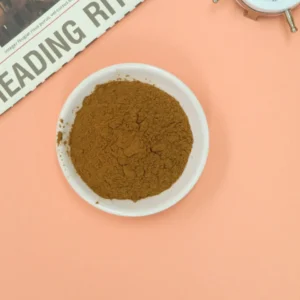
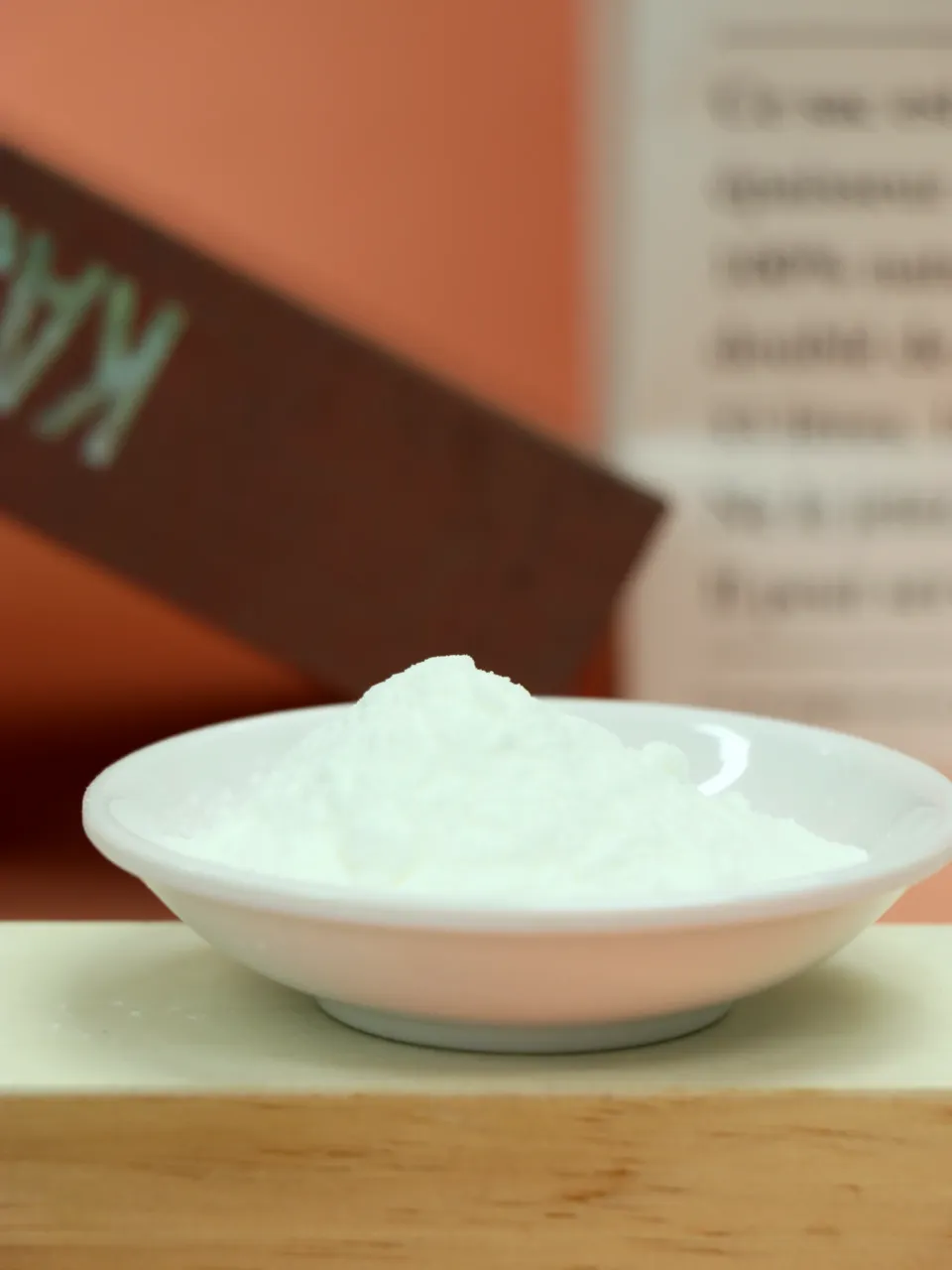
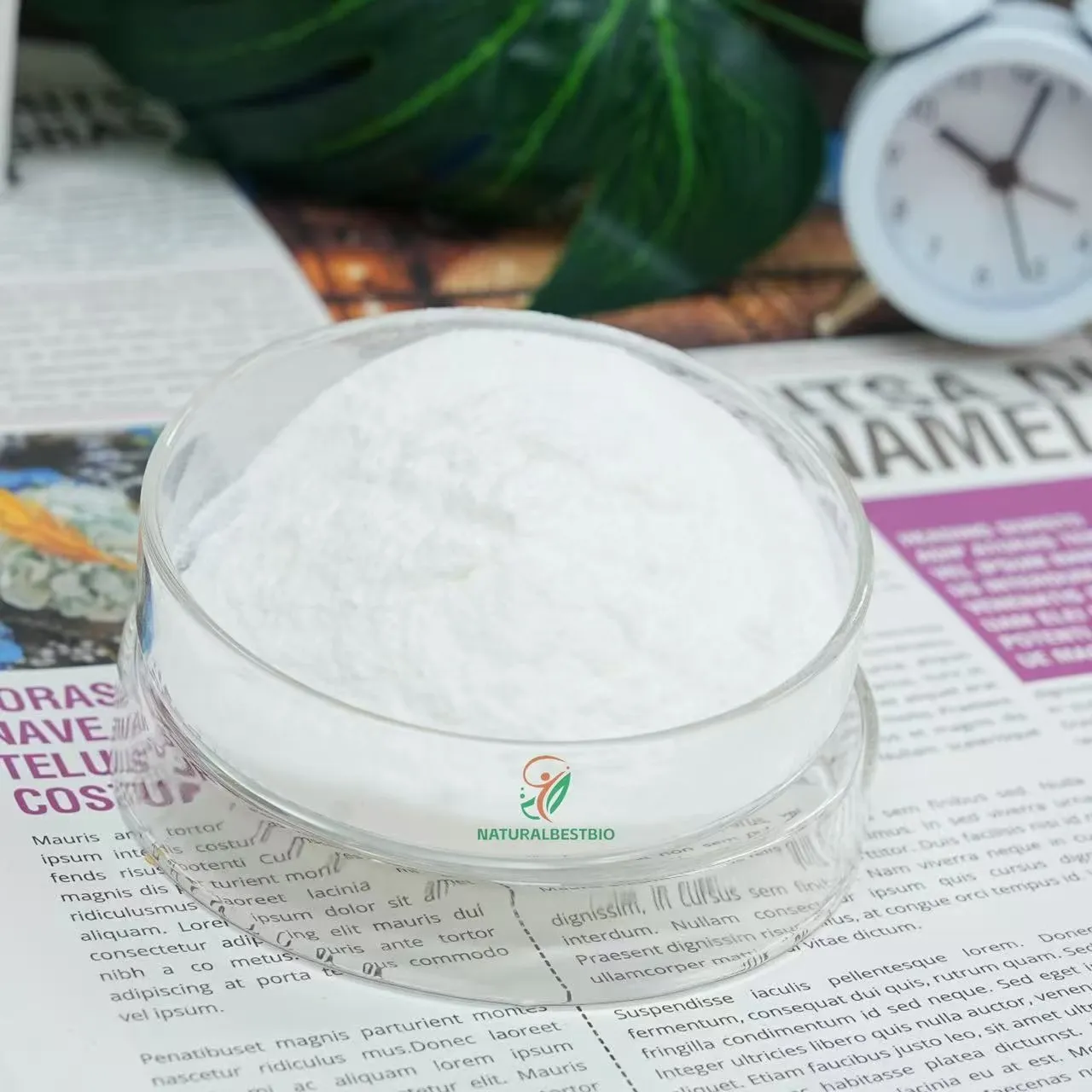
| Appearance | White to off-white or light beige powder |
| Solubility | Practically insoluble in water; soluble in ethanol, DMSO and acetone. Wetting behaviour and particle size should be confirmed for the intended dosage form. |
| Stability and handling | Sensitive to light and to alkaline conditions; ultraviolet exposure drives trans-to-cis isomerisation, which lowers the trans assay. Store in tightly closed, light-protected containers. Stability data provided on request. |
| Typical applications | Capsules, tablets, powder blends, beverage and beauty-from-within formats for B2B nutraceutical manufacturing; commonly formulated alongside NMN and NAD precursors, pterostilbene and quercetin |
| Documentation | Download public specification sheet Public sheet prepared from the current product-page specification block; not a batch-specific Certificate of Analysis. Lot-specific COA and supporting records are available for qualified buyer review when appropriate. |
| Quality system | ISO 22000:2018, FSSC 22000, HACCP and GMP (certificates provided on request) |
| Supplier | Nutrition BioTech, 1601 W. Mission Blvd, Suite 103 (DL#29), Pomona, CA 91766, United States |
Resveratrol (VineGuard™)
Trans-resveratrol platform for antioxidant, NAD-stack and healthy-aging formulas.
Why brands ask for it
VineGuard™ Resveratrol supports classic longevity, antioxidant and NAD-stack formulas. The product page should emphasize trans-resveratrol identity, source options, low-PAH quality control and suitability for capsule, tablet and powder blends.
Finished-product fit
Longevity, healthy aging, antioxidant, NAD stack, beauty from within. The strongest conversations start with format, serving size, documentation, and how the material behaves in the intended formula.
What makes the sample useful
- Trans-resveratrol identity
- Low PAH/source control can be key B2B selling point
- Pairs with NMN/NAD, pterostilbene, quercetin
Before the sample ships
- Confirm trans or total resveratrol.
- Confirm source, identity, and supporting documentation.
- Confirm pAH levels.
- Request contaminant, residual solvent, and microbiology files as needed.
- Review serving-size logic and label-space fit.
File Package
Ask for the material files that match your market, dosage form, and internal review process.
Available documents may include: COA / Specification / Allergen Statement / GMO Statement / Vegan Statement / Heavy Metals / Microbial Limits / Manufacturing Flow Chart / Residual Solvent / Country of Origin / Composition Statement.
Regulatory & Facility Support
Regulatory review notes for the target market can be provided. Nutrition BioTech does not hold and does not claim any GRAS notification or NDI notification for this material.
Facility and quality system support follows the same certificate set named in the specification table: ISO 22000:2018, FSSC 22000, HACCP and GMP. The holding entity for each certificate is named on the certificate and confirmed under buyer review.
Published research context
Resveratrol has a large peer-reviewed literature. The studies below are provided as technical context for formulators evaluating this raw material. These entries summarise what the cited publications report. They are not claims about Nutrition BioTech material, and no health, therapeutic or cosmetic outcome is claimed or implied for any finished product. Buyers are responsible for the claims they make on their own labels and for confirming what is permitted in their market.
- Isomer-specific UV absorptivity and solution stabilityDetermined molar absorptivities for trans-resveratrol (λmax 308 nm in ethanol) and cis-resveratrol (λmax 288 nm) for use in chromatographic quantitation, and reported that trans-resveratrol was stable for months when protected from light except in high-pH buffers, while cis-resveratrol was stable only near neutral pH and only with complete light protection.Trela BC, Waterhouse AL. Journal of Agricultural and Food Chemistry. 1996;44(5):1253–1257. DOI 10.1021/jf9504576 — source
- pH and temperature dependence of solubility and degradationMeasured aqueous solubility and degradation of trans-resveratrol across a range of pH and temperature conditions and reported that both properties are strongly influenced by pH and temperature.Zupančič Š, Lavrič Z, Kristl J. European Journal of Pharmaceutics and Biopharmaceutics. 2015;93:196–204. PMID 25864442 — source
- Solvent solubility and buffer stability profile (pre-formulation)Measured resveratrol solubility in ten common solvents at 25 °C by HPLC and solution-state stability in USP buffers from pH 2 to 10 over 24 h at 37 °C; reported higher solubility in alcohols and PEG-400 and greater stability under acidic conditions.Robinson K, Mock C, Liang D. Drug Development and Industrial Pharmacy. 2015;41(9):1464–1469. PMID 25224342 — source
Specification FAQ
What is the CAS number for Trans-Resveratrol?
The CAS number for Trans-Resveratrol is 501-36-0 (trans-resveratrol). The cis isomer carries a separate number, 61434-67-1; our specifications are written against the trans isomer. The molecular formula is C14H12O3 and the molecular weight is 228.24 g/mol. Machine-readable identifiers: CAS 501-36-0 — InChIKey LUKBXSAWLPMMSZ-OWOJBTEDSA-N · PubChem CID 445154CAS 61434-67-1 — InChIKey LUKBXSAWLPMMSZ-UPHRSURJSA-N · PubChem CID 1548910.
What purity is Trans-Resveratrol supplied at, and by which method?
98% minimum trans-resveratrol by HPLC, with the assay basis stated on the Certificate of Analysis for each lot.
Is Trans-Resveratrol soluble in water?
Practically insoluble in water; soluble in ethanol, DMSO and acetone. Wetting behaviour and particle size should be confirmed for the intended dosage form.
How is Trans-Resveratrol produced and where does it come from?
Produced by microbial fermentation followed by isolation and purification. This is a fermentation-derived material, not an extract of Polygonum cuspidatum (Japanese knotweed). The production organism, the fermentation process description and the declarations required in the destination market, including the GMO statement, are provided with the specification sheet.