Green tea extract supplier specification
Nutrition BioTech is a bulk green tea extract ingredient supplier and manufacturer, supplying Camellia sinensis leaf extract (CAS 84650-60-2) standardised to an agreed total catechin or EGCG percentage by HPLC, produced by water or water-ethanol extraction and purification, for B2B nutraceutical formulation.
Green tea extract is a multi-component botanical extract, so two lots carrying the same total polyphenol figure can still differ in EGCG share and caffeine content. The specification therefore has to name the marker, the analytical method and the caffeine limit. Every lot ships with a Certificate of Analysis stating extraction solvent, catechin and EGCG assay by HPLC, caffeine content and the assay basis.
| Ingredient name | Green tea extract (Camellia sinensis leaf extract) |
|---|---|
| Synonyms | Camellia sinensis leaf extract; green tea polyphenols; tea catechins; EGCG extract |
| CAS number | 84650-60-2 (Camellia sinensis leaf extract). Principal marker epigallocatechin gallate (EGCG), CAS 989-51-5. |
| Molecular formula | Not applicable to the extract, which is a multi-component botanical material. EGCG marker: C22H18O11 |
| Molecular weight | Not applicable to the extract. EGCG marker: 458.37 |
| Assay / purity | Standardised to the agreed total catechin or EGCG percentage by HPLC; low-caffeine and decaffeinated grades available. Exact grade, marker, method and caffeine limit are specified per order. Grade options available on request. |
| Source / production route | Leaf of Camellia sinensis; water or water-ethanol extraction, concentration, purification and drying. Extraction solvent, plant part, extract ratio and any carrier are stated on the specification sheet. |
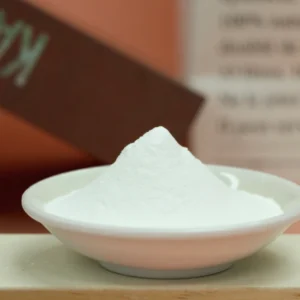
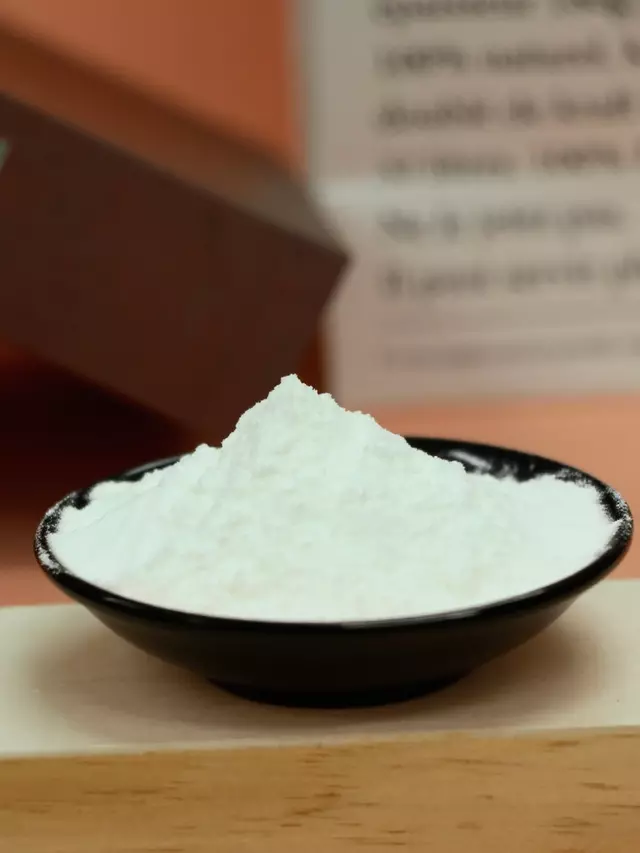
| Appearance | Off-white to light brown or greenish-brown fine powder; colour varies with catechin grade and decaffeination route |
| Solubility | Soluble to dispersible in water and in ethanol-water depending on grade; high-catechin grades are hygroscopic. Confirm dissolution, taste masking and behaviour in the intended matrix before formula lock. |
| Caffeine declaration | Caffeine content is measured and stated on every Certificate of Analysis, and low-caffeine or decaffeinated grades can be specified per order |
| Stability and storage | Catechins are sensitive to heat, moisture, alkaline pH, light and oxygen. Store cool and dry in tightly closed, light-protected containers; confirm stability data for the intended format, particularly for beverages and liquid systems. |
| Typical applications | Capsules, tablets, beverage and stick powders, and polyphenol or metabolic blends for B2B nutraceutical manufacturing; also used in topical and cosmetic formats |
| Regulatory note | Catechin, EGCG and caffeine contents are declared per lot so that buyers can meet the labelling and dosage requirements that apply to green tea catechin products in the destination market; confirming those requirements is the buyer’s responsibility before launch |
| Documentation | Certificate of Analysis, specification sheet, botanical identity, heavy metals, microbiological testing, residual solvents, pesticide residues, caffeine content, allergen statement, GMO statement, particle size data and stability data |
| Quality system | ISO 22000:2018, FSSC 22000, HACCP and GMP (certificates provided on request) |
| Supplier | Nutrition BioTech, 1601 W. Mission Blvd, Suite 103 (DL#29), Pomona, CA 91766, United States |
Green Tea Extract
Green Tea Extract for antioxidant, metabolic and polyphenol-rich supplement formulas.
Why brands ask for it
Green Tea Extract remains a widely accepted polyphenol ingredient for antioxidant and metabolic-support formulas. Nutrition BioTech can support standardized catechin/EGCG options, caffeine discussion and documentation for capsule, tablet and blend projects.
Finished-product fit
Antioxidant, metabolism, weight-management, green tea polyphenol wellness. The strongest conversations start with format, serving size, documentation, and how the material behaves in the intended formula.
What makes the sample useful
- EGCG/catechin standardization
- Low-caffeine option
- Familiar market with broad acceptance
Before the sample ships
- Confirm eGCG percentage.
- Confirm caffeine content.
- Request contaminant, residual solvent, and microbiology files as needed.
- Confirm liver warning.
- Review serving-size logic and label-space fit.
File Package
Ask for the material files that match your market, dosage form, and internal review process.
Available documents may include: COA / Specification / Allergen Statement / GMO Statement / Vegan Statement / Heavy Metals / Microbial Limits / Manufacturing Flow Chart / Residual Solvent / Country of Origin / Composition Statement.
Regulatory & Facility Support
Product-specific regulatory information may include Self-GRAS, NDI/NDIN, GRAS, ODI, or regulatory review notes, depending on the ingredient and target market.
Facility and quality system support may include Kosher, Halal, HACCP, ISO 22000, PCQI, c-GMP, NSF and other applicable certificates upon request.