Alpha-lipoic acid (ALA) supplier specification
Nutrition BioTech is a bulk alpha-lipoic acid ingredient supplier and manufacturer, supplying DL-alpha-lipoic acid (thioctic acid, CAS 1077-28-7) and R-(+)-alpha-lipoic acid (CAS 1200-22-2) at 99% minimum by HPLC or titration, produced by organic synthesis, for B2B nutraceutical formulation.
Two grades are supplied: the racemic DL form, which is the standard commercial grade, and the R-(+)-single enantiomer. Alpha-lipoic acid is also a low-melting, light-sensitive material, so the practical conversation is about handling as much as assay: storage temperature, moisture control, and coating or granulation for compression lines. Every lot ships with a Certificate of Analysis stating identity, isomeric form, assay method and the specification range.
| Ingredient name | Alpha-lipoic acid — supplied as racemic DL-alpha-lipoic acid, and as R-(+)-alpha-lipoic acid |
|---|---|
| Synonyms | ALA; α-lipoic acid; thioctic acid; DL-α-lipoic acid; R-ALA; 5-(1,2-dithiolan-3-yl)pentanoic acid; 6,8-thioctic acid |
| CAS number | 1077-28-7 (racemic DL-alpha-lipoic acid) · 1200-22-2 (R-(+)-alpha-lipoic acid) |
| Molecular formula | C8H14O2S2 (both isomeric forms) |
| Molecular weight | 206.33 g/mol (both isomeric forms) |
| Assay / purity | 99% minimum by HPLC or titration. The assay method and the isomeric form are stated on the Certificate of Analysis for each lot. |
| Isomeric forms | Racemic DL-alpha-lipoic acid (CAS 1077-28-7) is the standard commercial grade. R-(+)-alpha-lipoic acid (CAS 1200-22-2), the single enantiomer, is supplied as a separate grade; specify the required form at enquiry, as the two are not interchangeable on label or on cost. |
| Production route | Organic synthesis. The racemic and the R-(+)-single-enantiomer routes are supplied as distinct grades, and the grade is stated on the specification sheet. |
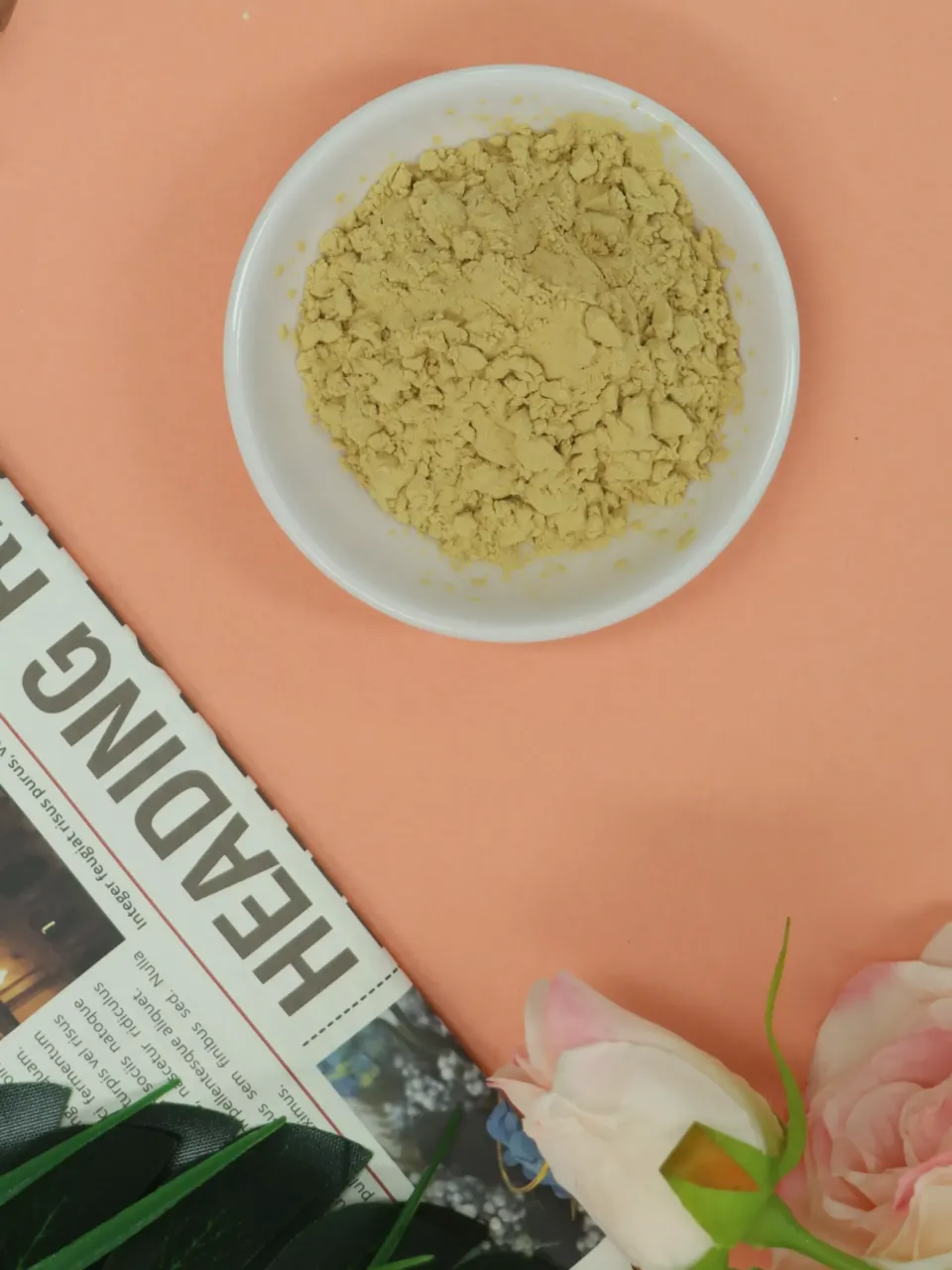
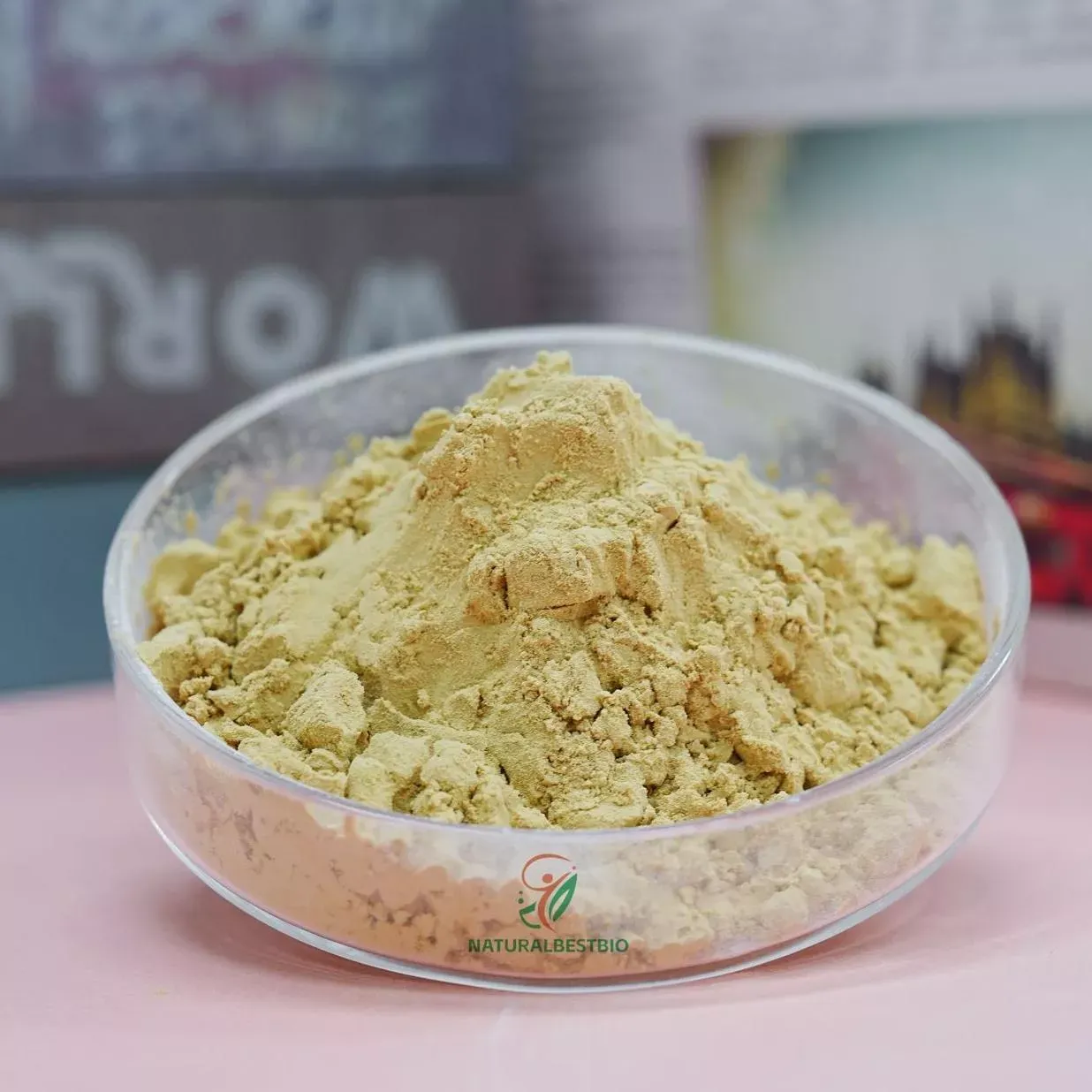
| Appearance | Pale yellow crystalline powder with a characteristic sulfurous odour |
| Solubility | Practically insoluble in water; soluble in ethanol and in alkaline aqueous solutions. |
| Handling | Light- and heat-sensitive, and it can soften or clump above roughly 45 °C. Store cool, dry and protected from light; consider coating or granulation for tablet and stick-pack lines. |
| Typical applications | Capsules, tablets, granulations and powder blends for B2B nutraceutical manufacturing; commonly formulated alongside berberine, chromium and carnitine |
| Documentation | Download public specification sheet Public sheet prepared from the current product-page specification block; not a batch-specific Certificate of Analysis. Lot-specific COA and supporting records are available for qualified buyer review when appropriate. |
| Quality system | ISO 22000:2018, FSSC 22000, HACCP and GMP (certificates provided on request) |
| Supplier | Nutrition BioTech, 1601 W. Mission Blvd, Suite 103 (DL#29), Pomona, CA 91766, United States |
Alpha-Lipoic Acid
Metabolic antioxidant ingredient for mitochondrial, glucose-support and active-aging formulas.
Why brands ask for it
Alpha-Lipoic Acid supports formulation concepts around cellular energy, antioxidant defense and glucose metabolism. It is a familiar ingredient for brands that need a cost-effective mitochondrial support component that can be used alone or in combination with berberine, chromium, carnitine and NAD-focused ingredients.
Finished-product fit
Healthy glucose metabolism, antioxidant defense, mitochondrial energy, active aging. The strongest conversations start with format, serving size, documentation, and how the material behaves in the intended formula.
What makes the sample useful
- Redox antioxidant story
- Pairs with berberine, chromium, carnitine and NAD stacks
- Familiar consumer ingredient with broad market acceptance
Before the sample ships
- Confirm active marker, assay method, and specification range.
- Review stability expectations and storage conditions for the finished format.
- Confirm blend partners.
- Match the material to the target capsule, tablet, sachet, gummy, or powder format.
File Package
Ask for the material files that match your market, dosage form, and internal review process.
Available documents may include: COA / Specification / Allergen Statement / GMO Statement / Vegan Statement / Heavy Metals / Microbial Limits / Manufacturing Flow Chart / Residual Solvent / Country of Origin / Composition Statement.
Regulatory & Facility Support
Regulatory review notes for the target market can be provided. Nutrition BioTech does not hold and does not claim any GRAS notification or NDI notification for this material.
Facility and quality system support follows the same certificate set named in the specification table: ISO 22000:2018, FSSC 22000, HACCP and GMP. The holding entity for each certificate is named on the certificate and confirmed under buyer review.
Published research context
Alpha-lipoic acid has a substantial peer-reviewed literature. The studies below are provided as technical context for formulators evaluating this raw material. These entries summarise what the cited publications report. They are not claims about Nutrition BioTech material, and no health, therapeutic or cosmetic outcome is claimed or implied for any finished product. Buyers are responsible for the claims they make on their own labels and for confirming what is permitted in their market.
- Aqueous solubility and solid-state thermal stability with cyclodextrinsReported that α-, β- and γ-cyclodextrin had little effect on the aqueous solubility of α-lipoic acid, whereas 6-O-α-maltosyl-cyclodextrins increased it in a concentration-dependent manner, and that solid-state thermal stability was improved by addition of 6-O-α-maltosyl-β-cyclodextrin.Takahashi H, Bungo Y, Mikuni K. Bioscience, Biotechnology, and Biochemistry. 2011;75(4):633–637. DOI 10.1271/bbb.100596 — source
- Complex formation and stability of the R(+)-enantiomerExamined complex formation between R(+)-α-lipoic acid and cyclodextrins using particle-distribution measurement and X-ray diffraction, and reported greater stability for the complexed material than for the uncomplexed acid.Ikuta N, Sugiyama H, Shimosegawa H, et al. International Journal of Molecular Sciences. 2013;14(2):3639–3655. DOI 10.3390/ijms14023639 — source
- Enantioselective plasma pharmacokinetics from different dosage formsMeasured R(+)- and S(−)-α-lipoic acid separately by enantioselective HPLC in twelve healthy volunteers after single 200 mg oral and intravenous doses of the racemate, and reported different plasma profiles for the two enantiomers and between the dosage forms tested.Hermann R, Niebch G, Borbe HO, et al. European Journal of Pharmaceutical Sciences. 1996;4:167–174 — source
Specification FAQ
What is the CAS number for Alpha-lipoic acid?
The CAS number for Alpha-lipoic acid is 1077-28-7 (racemic DL-alpha-lipoic acid) · 1200-22-2 (R-(+)-alpha-lipoic acid). The molecular formula is C8H14O2S2 (both isomeric forms) and the molecular weight is 206.33 g/mol (both isomeric forms).
What purity is Alpha-lipoic acid supplied at, and by which method?
99% minimum by HPLC or titration. The assay method and the isomeric form are stated on the Certificate of Analysis for each lot.
Is Alpha-lipoic acid soluble in water?
Practically insoluble in water; soluble in ethanol and in alkaline aqueous solutions.