
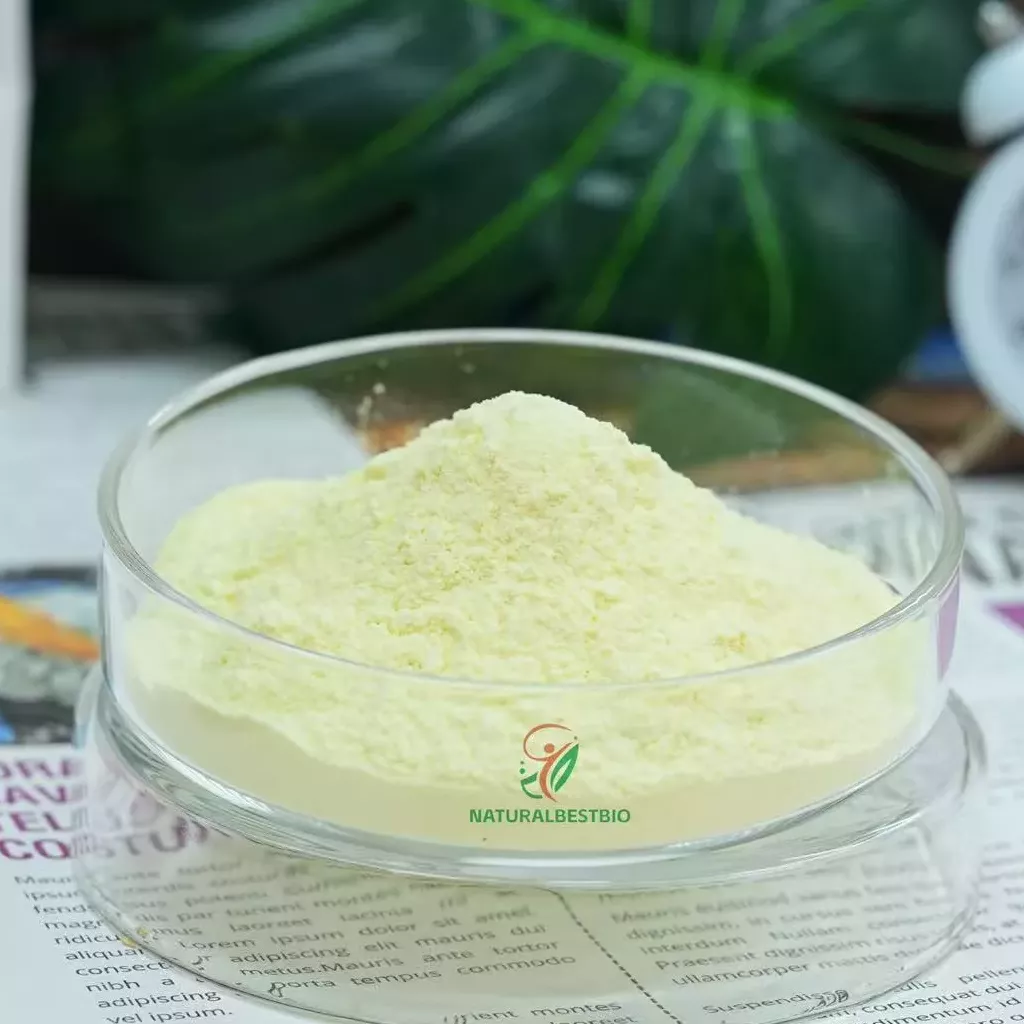
If you are scaling your industrial supply chain, partnering with a reliable PEA supplier in China is the most efficient way to access high-performance materials. As global demand for polyetheramide (PEA) grows, businesses need a PEA supplier in China that provides consistency, scalability, and technical expertise. Whether you are in the automotive or medical device sector, this guide provides the benchmarks for vetting a PEA supplier in China. For more technical background on polymer engineering, refer to industry data on plastic manufacturing.
Introduction: Why Global Buyers Are Turning to PEA Suppliers in China
Have you ever wondered why more and more companies worldwide are looking toward China when it comes to sourcing PEA (Polyetheramide)? Well, you’re not alone. In the past decade, China has rapidly become a powerhouse in advanced polymer manufacturing, and PEA is a perfect example of a material that benefits from this growth.
So, what exactly is PEA? In simple terms, it’s a high-performance polymer that’s increasingly in demand across industries such as automotive, electronics, medical devices, and precision industrial equipment. Global buyers are not just chasing low costs; they are after quality, reliability, and scalability, all of which Chinese suppliers can provide when chosen carefully.
The purpose of this guide is straightforward: help you navigate the complex landscape of PEA suppliers in China. From understanding the material itself to evaluating manufacturing capabilities and avoiding common pitfalls, by the end of this article, you’ll have a clear roadmap for making smart sourcing decisions.
What Is PEA? Understanding the Material and Its Advantages
Polyetheramide (PEA) is a type of polymer that blends the best properties of polyamides (PA) and thermoplastic elastomers (TPE). At its core, it’s a flexible yet strong material with remarkable chemical and thermal stability.
Chemical Structure and Definition
PEA’s structure is based on repeating polyether and amide units, giving it a unique combination of elasticity, strength, and heat resistance. Compared to traditional polyamides, PEA tends to be lighter and more flexible, making it ideal for applications that require both durability and movement.
Key Performance Benefits
Let’s break down what makes PEA stand out:
- Flexibility: Unlike rigid polyamides, PEA bends without cracking. This makes it better for dynamic applications like automotive seals and tubing.
- Strength: PEA holds up under mechanical stress, offering higher tensile strength compared to TPE, which is more prone to deformation.
- Thermal Stability: PEA can withstand higher temperatures, making it more reliable in engine components and electronic housings compared to some conventional plastics.
- Chemical Resistance: Oils, fuels, and many industrial chemicals don’t degrade PEA as fast as they would standard polyamide (PA6 or PA12), which is a huge advantage for industrial and automotive use.
Comparison With Alternative Materials
Here’s a quick comparison to put things into perspective:
| Material | Flexibility | Strength | Thermal Resistance | Chemical Resistance | Cost |
|---|---|---|---|---|---|
| PEA | High | High | High | High | Moderate |
| PA (Polyamide) | Moderate | High | Moderate | Moderate | Lower |
| TPU (Thermoplastic Polyurethane) | Very High | Moderate | Moderate | Moderate | Slightly higher |
| TPE (Thermoplastic Elastomer) | Very High | Low | Low | Low | Moderate |
Insight: Compared to PA, TPU, or TPE, PEA offers a balanced combination of strength and flexibility, making it suitable for applications where other materials might fail. It’s more expensive than PA but offers better long-term performance, often justifying the cost.
Main Applications of PEA Across Industries
Now that we know what makes PEA special, let’s look at where it’s actually used. This is where its real value shines for global buyers.
Automotive and Transportation Components
PEA is widely used in engine parts, fuel lines, seals, and connectors. Why? Because it’s heat resistant, chemically stable, and mechanically strong. Compared to traditional PA or TPE, it lasts longer under stress and fluctuating temperatures, meaning less maintenance and fewer replacements.
Electronics and Electrical Insulation
In the electronics sector, PEA shines as insulation for wires, connectors, and housings. Its thermal stability allows devices to run safely without melting or degrading, making it better than conventional plastics for high-performance electronics.
Industrial Equipment and Precision Parts
Precision tools, valves, and industrial components benefit from PEA’s toughness and dimensional stability. Compared to metal, it’s lighter and less prone to corrosion, yet compared to standard plastic, it’s much stronger under stress.
Medical and Specialty Applications
PEA’s biocompatibility and chemical resistance make it suitable for medical tubing, surgical instruments, and wearable devices. While metals can be heavy and rigid, PEA offers a lightweight, flexible alternative without compromising safety.
Insight: Across all these industries, PEA stands out for its unique combination of flexibility, strength, and resistance to heat and chemicals, making it a preferred material compared to PA, TPU, and TPE in high-performance applications.
Why Choose a PEA Supplier in China?
When global buyers think about sourcing PEA, China naturally comes to mind. But why exactly is China becoming the go-to hub for high-performance polymers like Polyetheramide? Let’s break it down.
Cost Efficiency Without Sacrificing Quality
One of the biggest advantages of sourcing PEA from China is the balance between cost and quality. Compared to suppliers in Europe or the U.S., Chinese manufacturers often offer more competitive pricing, yet maintain high-quality standards.
Think of it this way: if PA might cost 20% less but wears out faster, PEA from China may be slightly more expensive upfront but offers better longevity, less downtime, and fewer replacements, making it a smarter long-term investment.
Advanced Production Facilities and Scalable Capacity
Chinese PEA suppliers have invested heavily in modern polymerization plants and automated production lines. This means they can produce large volumes without compromising consistency, which is crucial for industrial-scale projects.
Compared to smaller suppliers in other regions, China’s capacity is faster and more scalable, letting buyers handle growing demand without switching suppliers or compromising lead times.
Strong R&D Capabilities and Material Customization
Another key advantage is research and development. Many Chinese PEA suppliers have in-house R&D teams that can customize formulations to meet specific project requirements—whether that’s hardness, elasticity, thermal resistance, or chemical tolerance.
For example, compared to standard PA or TPU, PEA can be tuned to be softer for flexible tubing or stronger for load-bearing components, offering a flexibility that buyers rarely get elsewhere.
Integration With Global Supply Chains
China’s logistics network is second to none. Major ports, reliable shipping lines, and well-established export processes make it easier for global buyers to integrate Chinese PEA into their supply chains.
Compared to local sourcing in smaller markets, you get faster delivery, reliable bulk shipments, and easier customs clearance, all of which reduce hidden costs and production delays.
Manufacturing Capabilities of Chinese PEA Suppliers
Once you understand why China is attractive, the next question is: what do these suppliers actually offer in terms of production capabilities? Let’s explore the key areas.
Raw Material Sourcing and Polymerization Processes
High-quality PEA starts with premium raw materials. Leading Chinese suppliers maintain secure supply chains for monomers and use advanced polymerization techniques to produce consistent, high-performance resin.
Compared to smaller suppliers elsewhere, Chinese manufacturers often have better access to raw materials at scale, meaning more consistent batch quality and lower production interruptions.
Quality Control Systems and Testing Standards
Top-tier PEA suppliers in China implement rigorous quality control systems. This includes:
- Incoming raw material inspection
- In-process testing for molecular weight, hardness, and elasticity
- Final product testing for thermal, chemical, and mechanical properties
This makes Chinese PEA stronger and more reliable than alternatives where testing is minimal or inconsistent.
Custom Formulations: Hardness, Elasticity, and Performance Tuning
As mentioned earlier, Chinese suppliers can adjust formulations to fit your specific needs. For example:
- Hardness adjustment: Softer for flexible seals, harder for structural components
- Elasticity tuning: Stretchable for tubing, rigid for housings
- Performance optimization: Enhanced chemical or thermal resistance
This flexibility is often better than off-the-shelf options, making it easier for buyers to get exactly what they need without settling for compromises.
OEM and ODM Service Capabilities
Many PEA suppliers in China offer OEM (Original Equipment Manufacturing) and ODM (Original Design Manufacturing) services. This is a huge advantage if you need components designed and produced under your specifications.
Compared to standard suppliers who only sell raw resin, these manufacturers can deliver finished or semi-finished products, saving you time and resources in development and production.
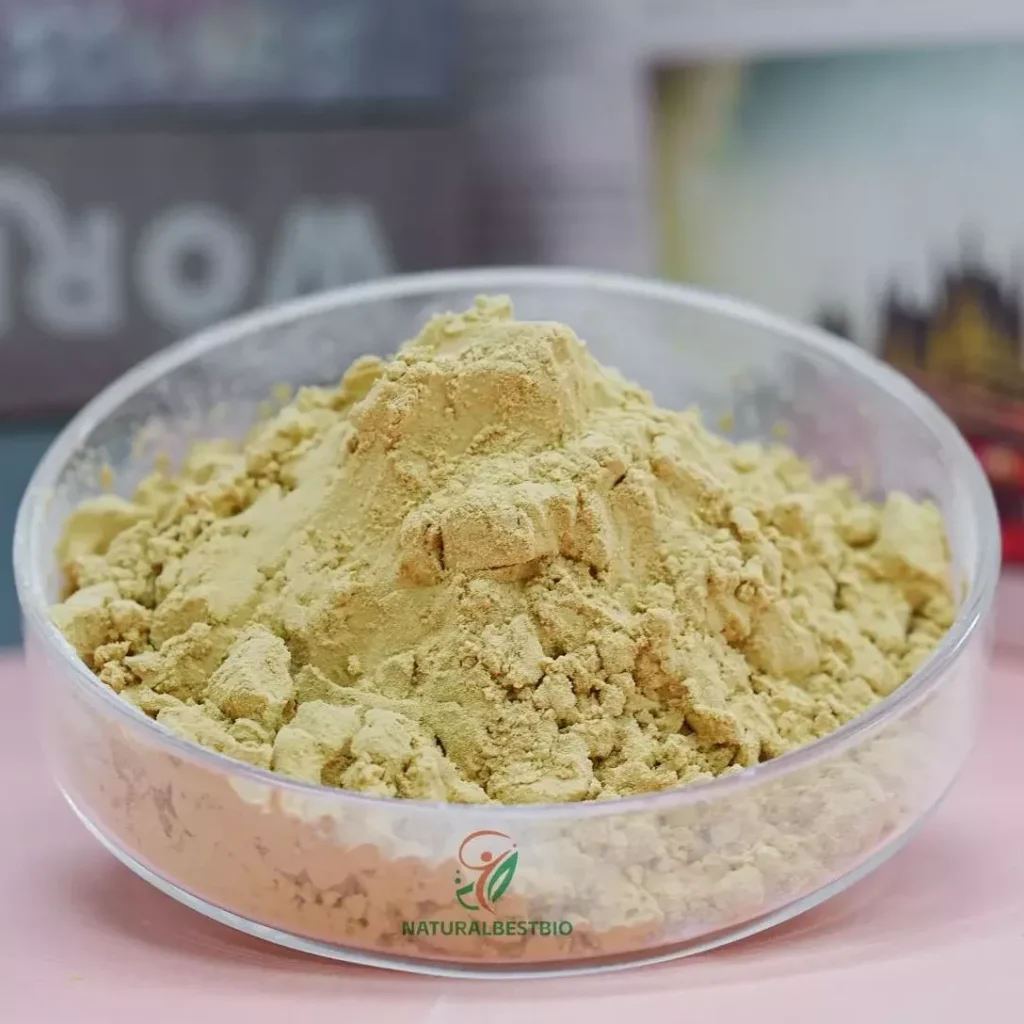
Quality Standards and Certifications to Look For in Chinese PEA Suppliers
When sourcing PEA from China, quality assurance is non-negotiable. Even though Chinese suppliers are capable of producing high-quality polymers, verifying their adherence to international standards is crucial. After all, PEA is often used in critical applications like automotive parts, electronics, and medical devices, where failure is not an option.
International Standards: ISO, RoHS, REACH, FDA
- ISO Certification ensures consistent manufacturing processes and quality control. For PEA, look for ISO 9001 (quality management) and ISO 14001 (environmental management).
- RoHS Compliance ensures the material is free from hazardous substances—critical for electronics.
- REACH Compliance guarantees chemicals used in PEA meet European safety standards, making exports to the EU smoother.
- FDA Approval is necessary for medical or food-grade PEA applications, ensuring the material is biocompatible and safe for direct or indirect human contact.
Compared to suppliers without certifications, certified manufacturers are more reliable, safer, and globally compliant, though their PEA may be slightly more expensive upfront.
Traceability and Batch Consistency
High-end Chinese suppliers maintain batch traceability, linking each production lot to raw material sources, processing parameters, and quality tests. This is essential if you need to investigate failures or ensure consistent product performance.
Compared to low-tier suppliers, traceable batches reduce risk of quality inconsistency and allow faster troubleshooting.
Environmental and Sustainability Compliance
Many buyers are now emphasizing eco-friendly materials. Leading PEA suppliers in China are increasingly adopting green production practices—like energy-efficient polymerization and recycling scrap material.
This makes PEA more sustainable compared to traditional plastics while still maintaining strength, flexibility, and chemical resistance.
How to Evaluate a Reliable PEA Supplier in China
Choosing a Chinese PEA supplier is not just about cost—it’s about trust, reliability, and technical support. Here are the key factors to consider:
Supplier Background and Export Experience
- Look for suppliers with a proven track record in international trade.
- Experienced exporters understand global logistics, packaging standards, and customs compliance, which reduces shipping delays.
Compared to new entrants, seasoned suppliers are less risky and more capable of handling large orders.
Technical Support and Communication Efficiency
A good PEA supplier provides technical consultation, helps with material selection, and offers guidance on processing.
Compared to suppliers who only ship products, those offering technical support are faster at problem-solving, reduce trial-and-error costs, and can suggest better formulations for your specific needs.
Sample Availability and Lead Times
Before committing to a bulk order, request material samples. This allows you to:
- Test mechanical, thermal, and chemical properties
- Verify consistency between batches
- Ensure compatibility with your production process
Suppliers with quick sample turnaround and reliable lead times are generally more professional and better suited for long-term partnerships.
After-Sales Service and Long-Term Cooperation Potential
Finally, evaluate after-sales support. Will the supplier handle complaints, replacements, or technical issues promptly? Are they open to long-term agreements with volume discounts or custom formulations?
Reliable suppliers provide proactive communication, helping you avoid delays and ensuring your PEA supply chain is stable.
Common Challenges When Sourcing PEA from China (and How to Avoid Them)
Even with capable suppliers, sourcing PEA from China comes with potential challenges. Here’s a realistic look at what to watch for:
Quality Inconsistency Risks
Some low-tier suppliers might cut corners, resulting in inconsistent batch quality.
Solution: Only work with certified suppliers, request batch traceability, and run pre-shipment testing.
Intellectual Property Concerns
If you’re providing custom formulations, there’s a risk of design or formula leaks.
Solution: Sign NDAs (Non-Disclosure Agreements) and consider suppliers with strong OEM/ODM reputation.
Logistics and Shipping Complexities
PEA is a high-value material. Shipping delays, customs inspections, or poor packaging can increase costs or damage product.
Solution: Choose suppliers with experience in international exports, and consider incoterms like FOB or CIF to clarify responsibilities.
Practical Solutions and Best Practices
- Visit suppliers in person or hire local inspection agencies
- Request multiple samples from different batches
- Start with smaller orders before scaling up
- Maintain clear technical documentation for production and testing
By being proactive, buyers can mitigate risk, ensure consistent quality, and build a reliable supply chain.
Future Trends in the Chinese PEA Market
The PEA market in China isn’t static—it’s evolving rapidly. For global buyers, understanding these trends is critical to staying ahead and making strategic sourcing decisions.
High-Performance and Bio-Based PEA Development
R&D in China is focusing on enhancing PEA’s mechanical, thermal, and chemical properties. Suppliers are developing high-performance grades that are stronger, more heat-resistant, and more chemically stable than standard PEA.
At the same time, there is growing interest in bio-based PEA, derived from renewable resources. Compared to conventional PEA, bio-based versions are more environmentally friendly, helping buyers meet sustainability goals without compromising on strength or flexibility.
Growing Demand From EV and Electronics Sectors
China is at the forefront of electric vehicles (EVs) and consumer electronics manufacturing. PEA is increasingly used in:
- Battery housings and connectors
- High-temperature wires and insulation
- Flexible automotive components
Compared to traditional plastics, PEA offers better thermal and chemical resistance, which is crucial in EVs where high heat and electrical loads are common.
Smart Manufacturing and Digital Quality Management
Leading suppliers are adopting Industry 4.0 practices:
- Automated production lines with real-time monitoring
- Digital tracking of material properties and batch performance
- AI-driven process optimization
This makes PEA production faster, more consistent, and less prone to errors compared to conventional methods.
Insight: By sourcing from suppliers embracing these innovations, buyers gain access to stronger, lighter, and more reliable PEA, while also benefiting from predictable lead times and improved traceability.
Conclusion
Sourcing PEA from China offers undeniable advantages:
- Cost efficiency without sacrificing quality
- Scalable production and advanced manufacturing capabilities
- Customizable formulations tailored to your needs
- Strong logistics and global supply chain integration
However, success depends on choosing the right supplier. Look for certified, experienced suppliers who offer technical support, sample testing, and reliable after-sales service. This ensures your PEA supply is consistent, high-performance, and aligned with global standards.
Strategic Value: A long-term partnership with a trusted Chinese PEA supplier can:
- Reduce production downtime
- Improve product quality
- Allow for faster market response
For global buyers, investing time in supplier evaluation and collaboration is worth it, as the benefits of high-quality PEA far outweigh short-term cost savings from unverified sources.
FAQ
| Question | Answer |
|---|---|
| What is PEA and why is it important? | PEA (Polyetheramide) is a high-performance polymer known for its strength, flexibility, thermal stability, and chemical resistance. It’s used in automotive, electronics, medical, and industrial applications. |
| Why source PEA from China? | China offers cost efficiency, scalable production, advanced R&D, and integration with global supply chains, making it ideal for high-volume or specialized needs. |
| How do I evaluate a reliable PEA supplier in China? | Check for certifications (ISO, RoHS, REACH, FDA), supplier experience, technical support, sample availability, lead times, and after-sales service. |
| What certifications should a PEA supplier have? | Look for ISO 9001, ISO 14001, RoHS, REACH, and FDA approval if medical or food-grade PEA is needed. |
| What are the main challenges when sourcing PEA from China? | Common issues include quality inconsistency, IP risks, and logistics challenges. Solutions: choose certified suppliers, sign NDAs, request batch traceability, and plan shipping carefully. |
| Can PEA be customized for specific applications? | Yes, Chinese suppliers can tune hardness, elasticity, chemical resistance, and thermal properties, making it suitable for unique industrial, automotive, and medical applications. |
| What industries use PEA the most? | Automotive, electronics, industrial equipment, and medical devices are the primary users, due to PEA’s balanced performance between strength and flexibility. |
| What are future trends in the PEA market? | High-performance and bio-based PEA, growing demand in EVs and electronics, and smart manufacturing/digital quality control are shaping the future of PEA in China. |
| Is Chinese PEA better than alternatives like PA, TPU, or TPE? | Compared to PA, TPU, and TPE, PEA is stronger, more heat-resistant, chemically stable, and more flexible, making it suitable for high-performance applications, though it is slightly more expensive than basic PA. |
| How can I ensure consistent quality when sourcing PEA from China? | Work with certified suppliers, request samples from multiple batches, implement pre-shipment testing, and maintain clear technical documentation. |
Related ingredient pages
For buyer evaluation, compare this guide with Nutrition BioTech ingredient pages, proof routes, and sourcing support.
Related ingredient pages
For buyer evaluation, compare this guide with the closest Nutrition BioTech ingredient pages and sourcing route.