
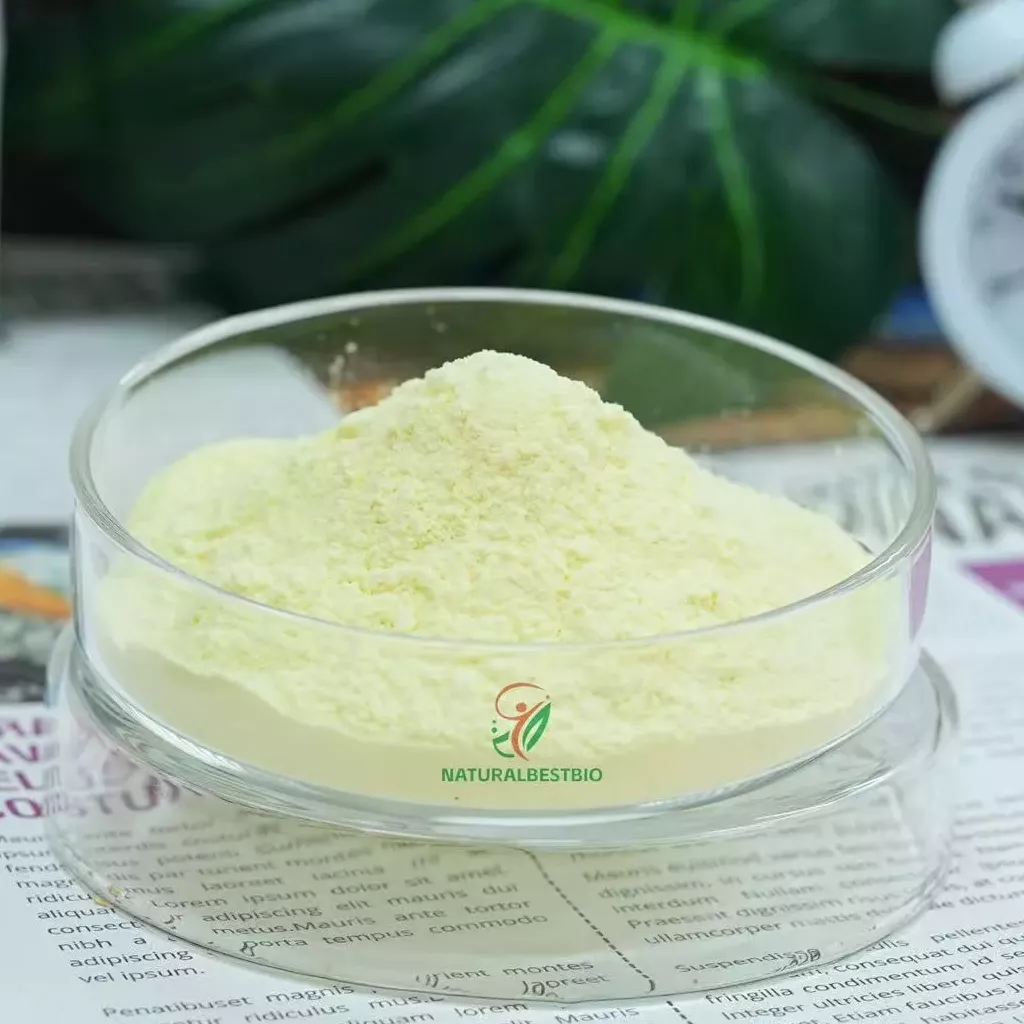
1. Introduction: Why “99% Purity” Matters in PEA
If you’ve been researching advanced nutraceuticals or next-generation health ingredients, chances are you’ve come across Palmitoylethanolamide, better known as PEA. At first glance, it might sound like just another long, scientific name in a crowded market. But dig a little deeper, and you’ll quickly realize why PEA has become one of the most talked-about compounds in pain management, neuroprotection, and inflammation control.
Now here’s the real question: why does everyone keep emphasizing PEA 99% purity? Is it just marketing hype, or does that last 1% really make a difference?
Short answer: it matters—a lot.
As global demand for PEA grows, so does the variation in quality. You’ll see products boasting 90%, 95%, 98%, and finally 99% purity. Compared to lower grades, 99% pure PEA is cleaner, stronger, more consistent, and often more effective at lower doses. Think of it like fuel for a high-performance engine. Sure, regular gasoline might work, but premium fuel lets the engine run smoother, faster, and longer.
In this guide, we’ll break down exactly what PEA is, how purity changes everything, and why 99% purity is fast becoming the industry benchmark, not just a number slapped on a label.
2. What Is PEA? A Scientific Yet Accessible Explanation
Understanding Palmitoylethanolamide Without the Jargon Overload
Palmitoylethanolamide (PEA) is a naturally occurring fatty acid amide produced by the human body. Unlike synthetic drugs that force the body into action, PEA works more like a gentle regulator, nudging biological systems back toward balance.
Your body actually produces PEA on demand, especially when tissues are under stress, inflamed, or irritated. Compared to external painkillers, PEA behaves more like an internal thermostat than an on-off switch.
Natural and Endogenous: Why That Matters
One of PEA’s biggest advantages compared to many pharmaceutical options is that it’s endogenous, meaning your body recognizes it. This makes it lighter on the system, often better tolerated, and less likely to trigger harsh side effects when compared to stronger synthetic compounds.
How PEA Works in the Body
PEA primarily activates the PPAR-α pathway, a regulatory mechanism involved in inflammation, pain signaling, and cellular homeostasis. At the same time, it modulates mast cells, which are notorious for releasing inflammatory mediators.
Compared to lower-purity PEA, 99% pure PEA interacts more predictably with these pathways, delivering faster and stronger biological responses without interference from residual impurities.
Why Purity Directly Impacts Bioactivity
Impurities act like static in a radio signal. The higher the noise, the harder it is to hear the music. In the case of PEA, lower purity means more unwanted compounds competing for absorption, stability, and receptor interaction. 99% purity cuts through that noise, delivering a cleaner, more focused signal.
3. Understanding PEA Purity Levels: What Does 99% Really Mean?
Comparing Common PEA Purity Grades
When shopping for PEA, you’ll commonly encounter several grades:
- 90% purity: More affordable, but contains higher levels of residual solvents, fatty acids, or by-products. Compared to 99%, it’s weaker and less stable.
- 95% purity: Better, but still prone to batch variability and reduced bioactivity.
- 98% purity: Often marketed as “high purity,” yet still falls short in pharmaceutical or clinical settings.
- 99% purity: The gold standard. Cleaner, stronger, and more consistent.
Compared to 90% or 95% PEA, 99% purity delivers better efficacy at lower doses, making it more cost-effective in the long run despite a higher upfront price.
Typical Impurities in Lower-Grade PEA
Lower purity PEA may contain:
- Unreacted fatty acids
- Residual solvents
- Structural analogs
- Degradation by-products
These impurities can make formulations less stable, more irritating, or simply less effective.
How Purity Is Verified
High-quality suppliers rely on analytical techniques such as:
- HPLC (High-Performance Liquid Chromatography)
- GC (Gas Chromatography)
These methods ensure that 99% purity isn’t a claim—it’s a measurable, reproducible fact.
4. The Manufacturing Difference Behind 99% Pure PEA
Raw Materials: Where Quality Begins
Compared to standard PEA, 99% pure PEA starts with superior raw materials. Lower-grade inputs introduce contaminants that are harder—and more expensive—to remove later.
Advanced Purification and Crystallization
Achieving 99% purity requires:
- Multi-step purification
- Controlled crystallization
- Precise temperature and solvent management
Compared to basic filtration methods, these advanced processes are slower and more expensive, but the payoff is significantly better quality.
GMP-Compliant Production
Good Manufacturing Practice (GMP) facilities ensure:
- Cleaner environments
- Better documentation
- Stronger traceability
Compared to non-GMP production, GMP manufacturing is safer, more reliable, and globally accepted.
Batch-to-Batch Consistency
True 99% purity isn’t a one-time achievement. Consistency across batches is what separates trusted suppliers from risky ones.
5. Why 99% Pure PEA Delivers Superior Performance
Higher Bioavailability and Stability
Compared to lower-purity PEA, 99% pure PEA absorbs faster and degrades more slowly, ensuring stronger results over time.
Better Results at Lower Dosages
Cleaner material means less waste. Users often report better outcomes with smaller doses compared to lower-grade alternatives.
Reduced Risk of Side Effects
Impurities can cause irritation or unpredictable responses. 99% purity minimizes those risks, making it better for long-term use.
Formulation Advantages
Whether used in capsules, tablets, or powders, 99% pure PEA blends more evenly and remains more stable, saving manufacturers time and money.
6. Applications That Demand 99% Purity PEA
Dietary Supplements and Nutraceuticals
High-end brands choose 99% purity to deliver clean-label, premium products.
Pharmaceutical Research
Compared to lower grades, 99% PEA provides reproducible data, which is critical for clinical studies.
Medical Food and Clinical Nutrition
Precision matters here. Impurities simply aren’t acceptable.
Veterinary and Specialized Health Products
Animals, like humans, benefit from cleaner, safer formulations, especially for long-term use.
7. Safety, Compliance, and Global Regulatory Acceptance
Safety Profile of High-Purity PEA
PEA is generally well tolerated, but higher purity reduces unknown variables, making it safer.
Meeting Global Regulations
99% pure PEA aligns better with:
- EU novel food expectations
- US dietary supplement standards
- International pharmacopeial guidelines
Documentation That Matters
Reputable suppliers provide:
- COA (Certificate of Analysis)
- MSDS
- Full traceability
Third-Party Testing
Independent testing confirms purity claims and builds trust.
8. How to Identify True 99% Pure PEA in the Market
What to Check on Technical Data Sheets
Look for:
- Clear purity percentages
- Analytical methods listed
- Batch numbers
Red Flags to Avoid
Be cautious if:
- No COA is available
- Purity claims are vague
- Pricing seems unrealistically low
Supplier Credibility
Compared to short-term traders, established suppliers with long histories are safer partners.
9. Market Trends: Why Demand for 99% Pure PEA Is Rising
Clean-Label Consumer Demand
Consumers want better, cleaner, stronger ingredients.
Innovation in Pain and Neuro Support
PEA research is expanding, and ultra-pure material is essential.
Clinical Research Growth
Higher purity equals better data, fueling more studies.
Competitive Advantage for Brands
Brands using 99% purity stand out in crowded markets.
10. Conclusion
At the end of the day, PEA 99% purity isn’t just a technical detail—it’s the foundation of effectiveness, safety, and trust. Compared to lower grades, it’s cleaner, stronger, and more reliable. While it may be more expensive upfront, it’s a smarter long-term investment for manufacturers, researchers, and consumers alike.
As the industry evolves, 99% purity isn’t the exception—it’s becoming the expectation.
12. FAQ
| Question | Answer |
|---|---|
| What does 99% purity mean in PEA? | It means 99% of the material is pure Palmitoylethanolamide, with minimal impurities. |
| Is 99% pure PEA better than 98%? | Yes. Compared to 98%, it’s cleaner, more stable, and often more effective at lower doses. |
| Is high-purity PEA safer? | Generally yes, because fewer impurities reduce unpredictable side effects. |
| Why is 99% pure PEA more expensive? | Advanced purification, GMP production, and testing increase costs—but also quality. |
| Who should use 99% pure PEA? | Premium supplement brands, clinical researchers, and consumers seeking the best results. |