
Introduction: The Rising Demand for Magnesium Acetyl-Taurate and Why It Matters
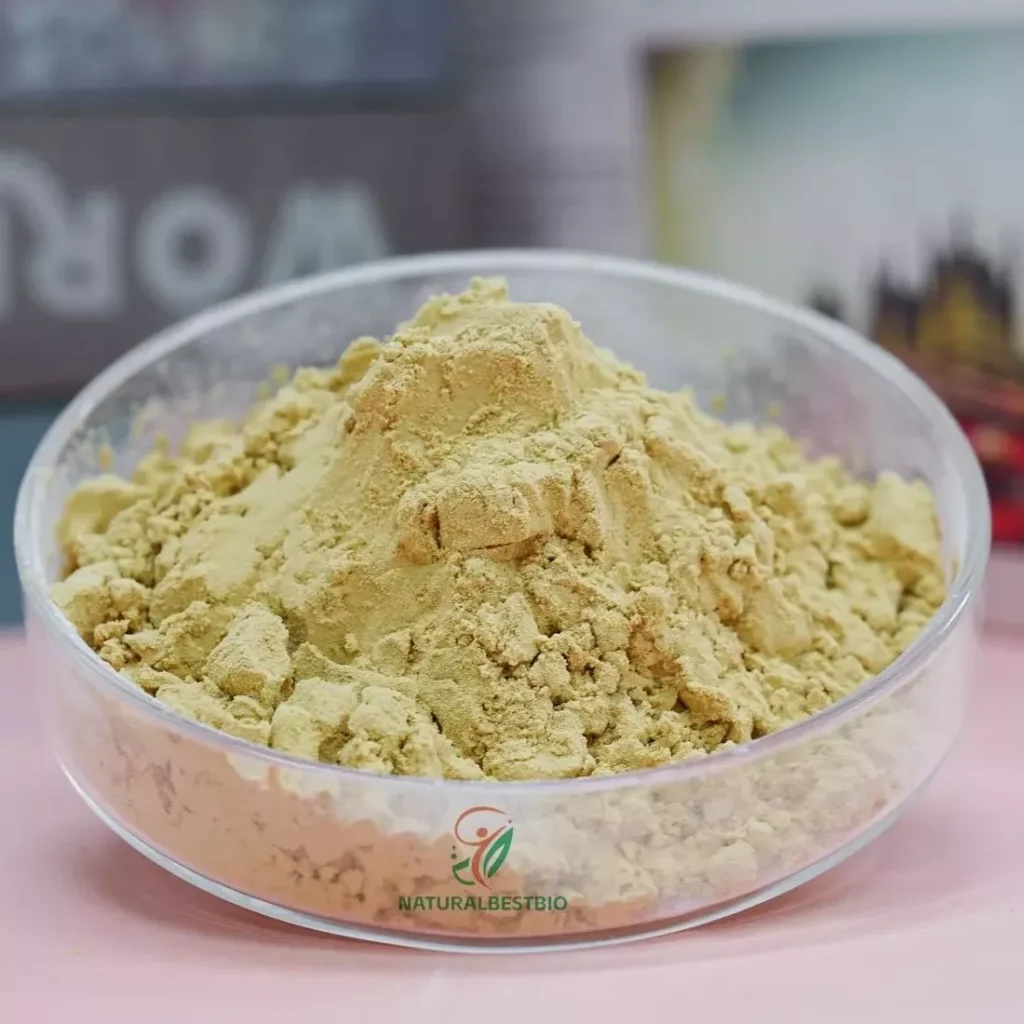
Let’s be honest—if you’ve been anywhere near the supplement industry lately, you’ve probably heard whispers (or loud marketing claims) about Magnesium Acetyl-Taurate. Sometimes it’s called Magnesium Taurinate, sometimes TATA Mg, but whatever the label, one thing is clear: this compound is gaining serious traction.
Why? Because it’s often considered better absorbed, gentler on the stomach, and potentially more effective for brain health compared to traditional magnesium forms like magnesium oxide or magnesium citrate.
Think of it like upgrading from a flip phone to a smartphone. Sure, both make calls—but one does it smarter, faster, and with way more functionality. That’s how Magnesium Acetyl-Taurate is positioned compared to older magnesium salts.
But here’s the catch—and it’s a big one:
Not all Magnesium Acetyl-Taurate suppliers are created equal.
Choosing the wrong supplier can mean:
- Lower bioavailability
- Impurities
- Poor stability
- Regulatory issues
- Damaged brand reputation
So if you’re sourcing this ingredient—whether you’re a supplement brand, contract manufacturer, or formulator—you’re not just buying a compound.
You’re buying trust.
The Chemistry of Fragility: Why This Molecule Demands Precision
Understanding Magnesium Acetyl-Taurate at a Molecular Level
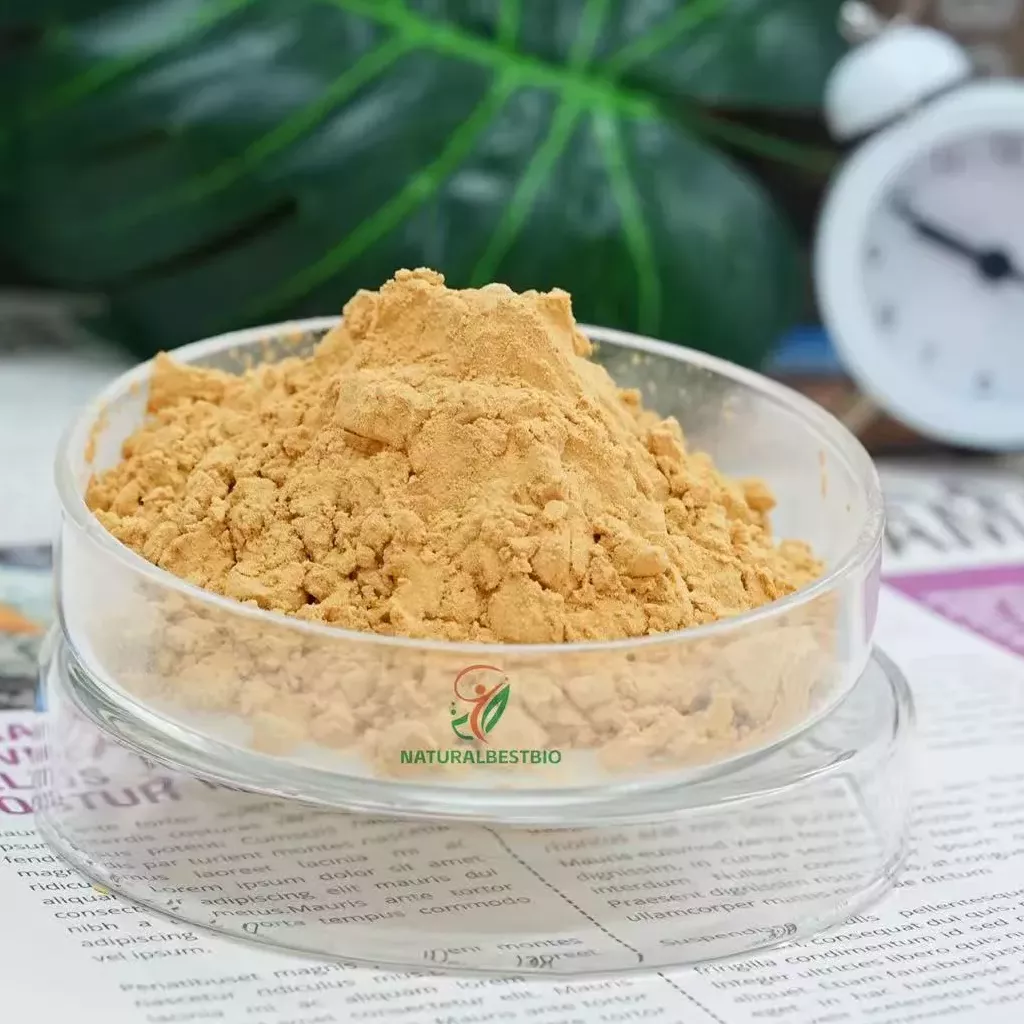
Magnesium Acetyl-Taurate is a chelated compound—a combination of magnesium and acetyl-taurine. Sounds simple, right?
Not quite.
This molecule is chemically delicate, almost like a finely tuned instrument. If handled improperly during synthesis or storage, it can degrade, lose potency, or transform into less effective forms.
Why Is It More Fragile Compared to Other Magnesium Forms?
Let’s compare:
| Property | Magnesium Oxide | Magnesium Citrate | Magnesium Acetyl-Taurate |
|---|---|---|---|
| Stability | Very high | Moderate | Lower (requires control) |
| Bioavailability | Poor | Moderate | Better / Higher |
| Manufacturing Complexity | Low | Medium | High |
| Cost | Less expensive | Moderate | More expensive |
Key takeaway:
Magnesium Acetyl-Taurate is better absorbed but also more sensitive.
Precision Is Everything
Manufacturing this compound requires:
- Controlled temperature conditions
- Precise pH balance
- High-purity raw materials
- Advanced chelation techniques
If a supplier cuts corners? You might end up with:
- Incomplete chelation
- Free magnesium ions (less effective)
- Contaminants
Imagine baking a soufflé. One wrong move and it collapses. That’s Magnesium Acetyl-Taurate chemistry in a nutshell.
Storage and Transport Challenges
Even after production, the challenge continues:
- Sensitive to moisture
- Can degrade under heat
- Requires airtight packaging
Compared to magnesium oxide—which is like a rock—this compound is more like glass.
The Certification Difference: More Than Just a Paper Trail
Why Certifications Are Not Optional
Let’s talk about certifications. Some buyers treat them like a checkbox.
Big mistake.
When it comes to Magnesium Acetyl-Taurate suppliers, certifications are your first line of defense.
Key Certifications to Look For
| Certification | What It Means | Why It Matters |
|---|---|---|
| GMP (Good Manufacturing Practices) | Standardized production | Ensures consistent quality |
| ISO 9001 | Quality management system | Better operational control |
| ISO 22000 / HACCP | Food safety management | Reduces contamination risk |
| COA (Certificate of Analysis) | Batch-specific testing | Verifies purity and potency |
| Third-Party Testing | Independent validation | More trustworthy |
Certified vs Non-Certified Suppliers
Let’s compare:
- Certified Supplier
- More reliable
- Better documentation
- Higher cost
- Stronger brand protection
- Non-Certified Supplier
- Less expensive
- Riskier
- Inconsistent quality
- Potential legal issues
So yes—certified suppliers are often more expensive, but they are also safer, stronger, and better aligned with long-term success.
The Hidden Value of Traceability
A good supplier can tell you:
- Where raw materials came from
- How the product was processed
- What each batch contains
That’s not just transparency—it’s accountability.
The Domino Effect: How Supplier Choice Impacts Your Brand
Your Supplier Is Your Silent Business Partner
You might not see them. Your customers don’t know them.
But your supplier?
They influence everything.
From product quality to customer trust, your supplier choice sets off a chain reaction—a domino effect.
How It Impacts Product Performance
High-quality Magnesium Acetyl-Taurate:
- Absorbs faster
- Delivers better cognitive benefits
- Causes fewer side effects
Low-quality versions?
- Poor absorption
- Reduced effectiveness
- Possible digestive discomfort
That difference shows up in:
- Reviews
- Repeat purchases
- Refund requests
Brand Reputation: Built or Broken
Let’s say a customer buys your supplement expecting:
- Better sleep
- Improved focus
- Reduced anxiety
If your ingredient is subpar?
They won’t blame the supplier.
They’ll blame you.
Cost vs Value: A Real-World Perspective
| Factor | Low-Cost Supplier | Premium Supplier |
|---|---|---|
| Price | Less expensive | More expensive |
| Quality | Inconsistent | Consistent |
| Customer Satisfaction | Lower | Higher |
| Long-Term Profit | Risky | Stronger |
It’s like buying cheap tires for a sports car. Sure, you save money upfront—but at what cost?
Regulatory Compliance Risks
Using a poor supplier can lead to:
- Product recalls
- Failed inspections
- Legal penalties
That’s not just inconvenient—it’s business-threatening.
Red Flags: How to Vet a Magnesium Acetyl-Taurate Supplier
What Should Make You Pause?
Not all suppliers wave red flags openly. Sometimes, you have to read between the lines.
Here are warning signs you shouldn’t ignore:
1. Vague Product Specifications
If a supplier can’t clearly explain:
- Purity levels
- Chelation process
- Stability data
That’s a problem.
2. Missing or Generic COA
A real COA should be:
- Batch-specific
- Detailed
- Recent
A generic one? That’s like a fake ID—it might look legit, but it won’t hold up under scrutiny.
3. Prices That Are “Too Good to Be True”
If one supplier is significantly cheaper, ask yourself:
What are they cutting?
Possibilities include:
- Lower-grade raw materials
- Incomplete chelation
- Lack of testing
4. No Third-Party Testing
Suppliers who avoid independent testing are like restaurants without health inspections.
Would you eat there?
5. Poor Communication
If responses are:
- Slow
- Vague
- Incomplete
That’s a preview of future problems.
Supplier Evaluation Checklist
| Criteria | What to Look For | Risk Level if Missing |
|---|---|---|
| Documentation | Full COA, MSDS | High |
| Certifications | GMP, ISO | High |
| Transparency | Clear sourcing | Medium |
| Technical Support | Responsive team | Medium |
| Pricing Logic | Reasonable, justified | High |
Conclusion
At the end of the day, sourcing Magnesium Acetyl-Taurate isn’t just a procurement task.
It’s a strategic decision.
You’re choosing between:
- Short-term savings vs long-term growth
- Risk vs reliability
- Average vs exceptional
The right supplier delivers:
- Better product performance
- Stronger customer trust
- Fewer regulatory headaches
The wrong one?
Well… you’ve seen the domino effect.
So take your time. Ask questions. Demand transparency.
Because in this industry, quality isn’t optional—it’s everything.
FAQ
| Question | Answer |
|---|---|
| What is Magnesium Acetyl-Taurate used for? | It’s commonly used for cognitive support, cardiovascular health, and relaxation. Compared to magnesium oxide, it is often better absorbed and gentler on the digestive system. |
| Is it better than Magnesium Citrate? | It depends on the goal. Magnesium Acetyl-Taurate is often considered better for brain health and neurological benefits, while citrate is more commonly used for digestion. |
| Why is it more expensive? | The manufacturing process is more complex, requiring higher precision and better raw materials. This makes it more expensive but also potentially more effective. |
| Are there side effects? | Generally well-tolerated, but high doses may cause mild digestive discomfort. Compared to magnesium oxide, it tends to cause fewer gastrointestinal issues. |
| Who should use it? | Ideal for individuals seeking cognitive support, stress reduction, or cardiovascular benefits. Not always necessary for those just needing general magnesium supplementation. |
| How do I verify a supplier? | Check certifications, request batch-specific COAs, evaluate transparency, and ensure third-party testing. Avoid suppliers with vague documentation. |
| Can low-quality suppliers affect my product? | Absolutely. Poor-quality ingredients can lead to reduced effectiveness, customer dissatisfaction, and potential regulatory issues. |
| Is it safe for long-term use? | Generally yes, when sourced from a high-quality supplier and used within recommended doses. Always consult a healthcare professional for specific conditions. |