Magnesium acetyl taurate supplier specification
Nutrition BioTech is a bulk magnesium acetyl taurate ingredient supplier and manufacturer, supplying Magsera™ magnesium acetyl-taurate powder at 98% minimum by HPLC (CAS 75350-40-2), for B2B nutraceutical and dietary-supplement formulation.
Magsera™ is the branded name for our anhydrous magnesium acetyl-taurate (CAS 75350-40-2). It was previously supplied under the name MagTaurate™; the material, specification and CAS number are unchanged.
Every lot ships with a Certificate of Analysis stating identity, assay and the assay basis, from an ISO 22000 and FSSC 22000 certified quality system. Samples, specifications and COAs are available on request for formulation trials.
| Ingredient name | Magnesium acetyl taurate (Magsera™) |
|---|---|
| Synonyms | Magnesium N-acetyl taurate; magnesium bis(2-acetamidoethanesulfonate); magnesium acetyl taurinate |
| CAS number | 75350-40-2 |
| Machine-readable identifiers | InChIKey MJFUUCZDSVHBDO-UHFFFAOYSA-L · PubChem CID 11703161 |
| Molecular formula | C8H16MgN2O8S2 |
| Molecular weight | 356.66 g/mol (calculated for the anhydrous formula) |
| Assay / purity | 98% minimum by HPLC. Elemental magnesium content is stated on the Certificate of Analysis for each lot; other grades available on request. |
| Production route | Chemical synthesis from N-acetyl taurate (taurine-derived) and a magnesium source. |
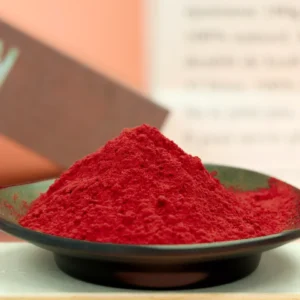
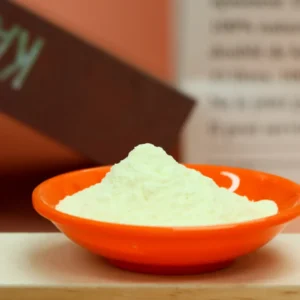
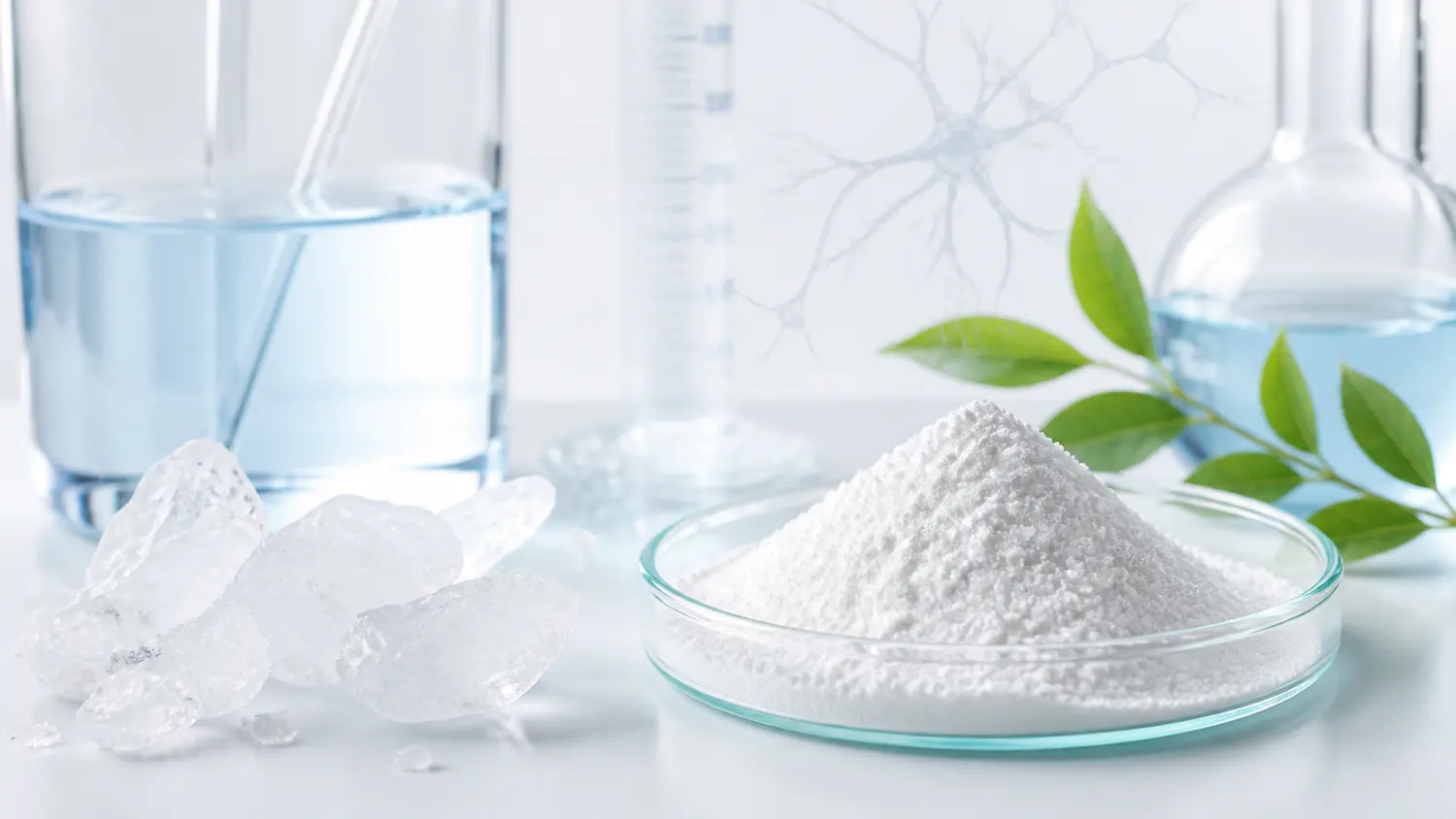
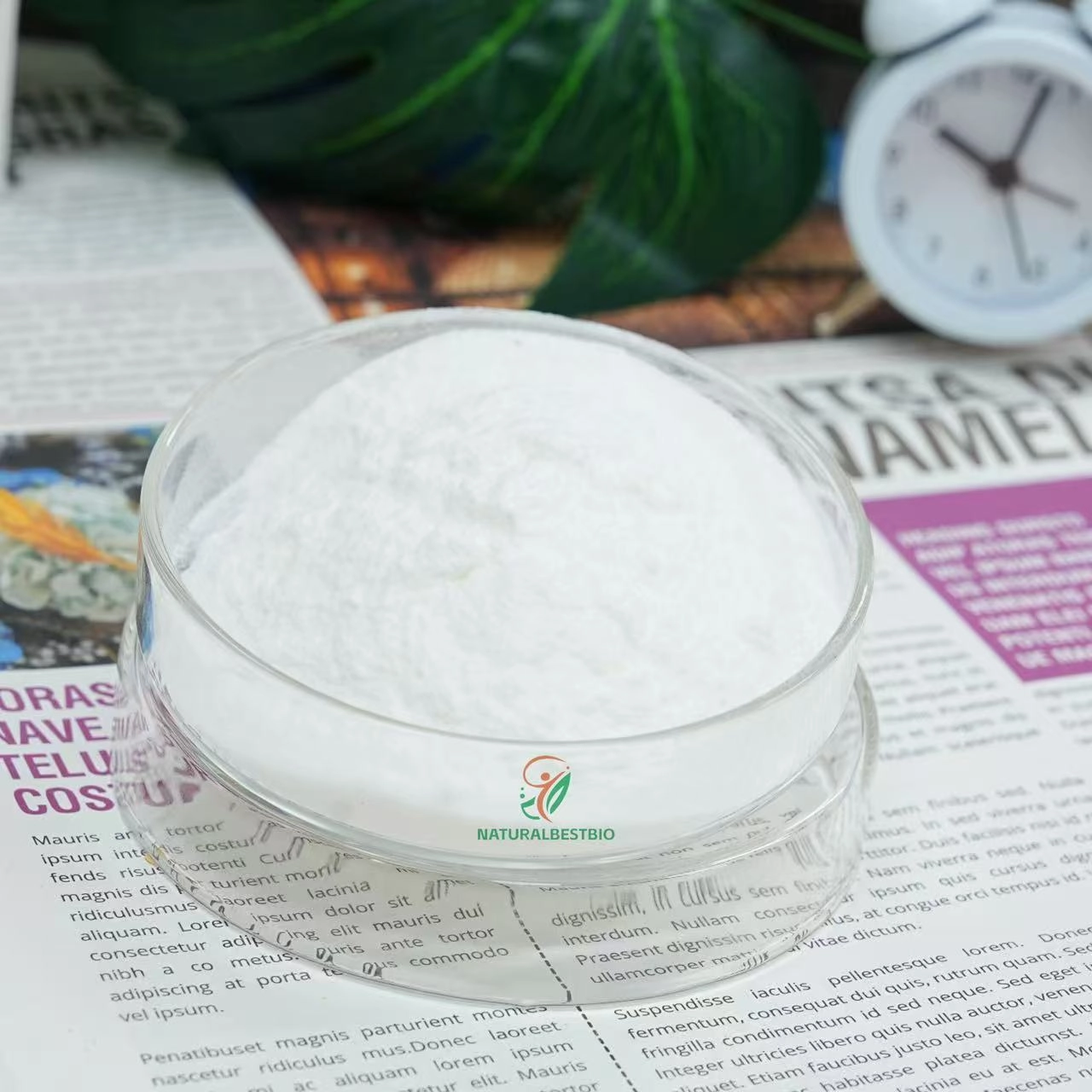
| Appearance | White to off-white powder |
| Solubility | Water-soluble; solubility data for the supplied grade are stated on the specification sheet. |
| Typical applications | Capsules, tablets, powder sticks and sachets, and beverage powders for B2B dietary-supplement programs. |
| Elemental magnesium content | 6.39–7.07% Mg by titration, stated on the Certificate of Analysis for each lot. Dose on elemental magnesium per gram, not on salt weight. |
| Particle size | Minimum 95% through #20 mesh (USP method). |
| Loss on drying | Not more than 1.0% (CP2020 method). |
| Contaminant limits | Lead, arsenic, mercury and cadmium each not more than 1 ppm by ICP-MS. Total plate count not more than 1,000 cfu/g; yeast and mould not more than 100 cfu/g; E. coli, Salmonella and S. aureus negative. Aflatoxins B1, B2, G1, G2 not more than 20 ppb by LC-MS. Residual solvents and pesticide residues meet USP. |
| Allergen and GMO limits | Gluten not more than 20 ppm; soy and total milk protein each not more than 2.5 ppm (ELISA). GMO not more than 0.1% by PCR. |
| Packaging | 25 kg per barrel: double polyethylene bag inside, fibre drum outside. |
| Storage | Store in a dry, cool place away from strong light and heat. |
| Shelf life | Five years from date of manufacture when stored as specified. |
| Documentation | Download public specification sheet Public sheet prepared from the current product-page specification block; not a batch-specific Certificate of Analysis. Lot-specific COA and supporting records are available for qualified buyer review when appropriate. |
| Quality system | ISO 22000:2018, FSSC 22000 and HACCP based quality system, GMP-aligned manufacturing; certificates available on request. |
| Supplier | Nutrition BioTech, 1601 W. Mission Blvd, Suite 103 (DL#29), Pomona, CA 91766, United States |
Magsera | Product-first magnesium route
Magnesium Acetyl Taurate for calm, sleep, stress-resilience, and focus-without-stimulation formulas.
A differentiated magnesium-acetyl-taurine ingredient route for brands that need something more ownable than generic magnesium glycinate and less crowded than magnesium L-threonate.
Category tension
Magnesium is crowded. Brain-focused magnesium is not.
Most magnesium pages sound the same: relax, sleep, muscle, calm. MgAT gives a brand team a sharper product story: acetyl-taurine chemistry, magnesium identity, NMR authenticity, a full analytical specification, and practical format routes for gummies, powders, soft chews, and drink mixes.
This page starts with the raw material. The platform comes second: calm/sleep, stress-resilience, women’s nightly routine, and focus-without-stimulation product concepts.
Why MgAT is different
Acetyl-taurine identity
MgAT is positioned as a magnesium salt of acetyl-taurine, giving it a more distinctive identity than simple magnesium plus taurine blends.
NMR authenticity route
For buyers concerned about whether a material is true MgAT or a simple blend, 1H NMR review can help distinguish MgAT identity from taurine-magnesium mixtures.
Identity and documentation, not a comparison
Magnesium acetyl-taurate is supplied anhydrous at 98% minimum by HPLC, CAS 75350-40-2, C8H16MgN2O8S2, 356.66 g/mol on the anhydrous formula, with elemental magnesium of 6.39–7.07% by titration stated per lot on the Certificate of Analysis. Comparative absorption literature for this material is summarised in the cited research section below, with the compounds each study actually tested named in full.
Format-first usability
A strong candidate for gummy, powder, soft-chew, and drink-format review where solubility and serving experience matter.
Platform routes
Where MgAT belongs commercially.
For brands building daily calm, stress-resilience, or high-pressure day support concepts without making disease claims.
Nighttime magnesium formulas, soft chews, powder sticks, and women’s daily balance routines.
For nootropic-adjacent brands that want calm-focus positioning without caffeine or stimulant language.
Identity, NMR, assay, application notes, and internal data summaries for R&D, regulatory, and procurement review.
Proof package
What serious buyers should review before launch.
Review acetyl singlet and expected taurine peaks to support authentic MgAT identity.
Specification, Certificate of Analysis, identity and assay method, elemental magnesium, contaminant limits and stability data are available for technical buyer review. Internal preclinical summaries, where they exist, are provided under buyer review and are labelled as internal; they are not published as claims and are not a substitute for peer-reviewed evidence.
Gummy, powder, soft-chew, drink mix, and stick-pack application discussion.
COA/spec, assay, quality documents, claim-safe copy support, and sample route by request.
Buyer-fit examples
Built for brands already selling felt outcomes.
| Buyer pattern | MgAT entry point | Next action |
|---|---|---|
| Women’s calm / sleep gummy brands | More ownable magnesium route than generic glycinate. | Sample + gummy fit review. |
| Liquid / powder routine brands | Water-soluble magnesium route for powder and drink applications. | Application notes + sensory discussion. |
| Traceability-led premium brands | NMR identity, assay, and technical file review route. | Buyer sheet + file package. |
Claim boundary
Strong positioning without overclaiming.
Use: calm-focused formulas, sleep-support formulas, stress-resilience concepts, focus-without-stimulation, magnesium specification route, NMR-authenticated identity review, analytical specification review, and format-review support.
Keep public copy in the structure/function lane: ingredient identity, product-format fit, internal preclinical review, and technical buyer files. Strong marketing first; medical outcome language only after a separate source and regulatory review.
Review MgAT before your next calm or sleep formula looks like everyone else’s.
Request sample availability, buyer sheet, NMR identity notes, technical file package, and application review for gummy, soft-chew, powder, or drink formats.
Specification FAQ
What is the CAS number for Magnesium acetyl taurate?
The CAS number for Magnesium acetyl taurate is 75350-40-2. The molecular formula is C8H16MgN2O8S2 and the molecular weight is 356.66 g/mol (calculated for the anhydrous formula). Machine-readable identifiers: InChIKey MJFUUCZDSVHBDO-UHFFFAOYSA-L · PubChem CID 11703161.
What purity is Magnesium acetyl taurate supplied at, and by which method?
98% minimum by HPLC. Elemental magnesium content is stated on the Certificate of Analysis for each lot; other grades available on request.
Is Magnesium acetyl taurate soluble in water?
Water-soluble; solubility data for the supplied grade are stated on the specification sheet.
How is Magnesium acetyl taurate produced and where does it come from?
Chemical synthesis from N-acetyl taurate (taurine-derived) and a magnesium source.
How should Magnesium acetyl taurate be stored?
Store in a dry, cool place away from strong light and heat.
Published research context
Magnesium acetyl-taurate has a focused comparative peer-reviewed absorption literature. The studies below are provided as technical context for formulators evaluating this raw material. These entries summarise what the cited publications report. They are not claims about Nutrition BioTech material, and no health, therapeutic or cosmetic outcome is claimed or implied for any finished product. Buyers are responsible for the claims they make on their own labels and for confirming what is permitted in their market.
- Serum and tissue timeline of five magnesium compoundsFollowing a single 400 mg/70 kg dose in rats, compared magnesium sulfate, oxide, acetyl taurate, citrate and malate; reported that serum area under the curve was highest for magnesium malate with magnesium acetyl taurate second, that magnesium acetyl taurate was rapidly absorbed and reached the highest tissue magnesium concentration in the brain of the compounds tested, and that oxide and citrate had the lowest bioavailability versus control. This is a rat tissue-distribution study, not raw-material release testing; identity and assay of supplied material follow the methods stated in our specification and COA.Uysal N, Kizildag S, Yuce Z, Guvendi G, et al. Biol Trace Elem Res. 2019;187(1):128-136. PMID 29679349. DOI 10.1007/s12011-018-1351-9. source
- Dose-dependent tissue distribution of organic magnesium compoundsCompared organic-acid-bound compounds (magnesium citrate and malate) with amino-acid-bound compounds (magnesium acetyl taurate and glycinate) at different doses in rats; reported that brain magnesium levels increased in all magnesium acetyl taurate groups, that magnesium citrate increased muscle and brain magnesium in a dose-independent manner, and that dividing high daily doses did not sufficiently increase tissue magnesium levels. The same matrix note applies: rat study, not raw-material assay.Ates M, Kizildag S, Yuksel O, Hosgorler F, et al. Biol Trace Elem Res. 2019;192(2):244-251. PMID 30761462. DOI 10.1007/s12011-019-01663-0. source