Fucoidan 85-98% supplier specification
Nutrition BioTech is a bulk fucoidan ingredient supplier and manufacturer, supplying brown-seaweed fucoidan (CAS 9072-19-9) at 85% to 98% fucoidan content depending on grade, produced by aqueous extraction and purification of brown algae, for B2B nutraceutical and cosmetic formulation.
Fucoidan is a sulfated polysaccharide rather than a single small molecule, so it has no fixed molecular weight; material is defined by seaweed species, fucoidan content, sulfate content and molecular-weight distribution. Iodine and heavy-metal control are the standing questions for any marine polysaccharide, and both are addressed per lot on the Certificate of Analysis.
| Ingredient name | Fucoidan 85-98% |
|---|---|
| Synonyms | Fucoidin; sulfated alpha-L-fucan; sulfated fucose polysaccharide; brown seaweed polysaccharide |
| CAS number | 9072-19-9 |
| Molecular formula | Not applicable — polydisperse sulfated polysaccharide built on an L-fucose backbone with sulfate ester groups, plus minor galactose, mannose, xylose and uronic acid units depending on species. |
| Molecular weight | No single defined value; molecular-weight distribution varies with species and process and is reported per grade where a buyer specifies it. |
| Assay / purity | Fucoidan content 85% to 98% depending on grade; the exact grade, assay method and assay basis are specified per order and stated on the Certificate of Analysis. Sulfate content and fucose content are reported alongside assay. |
| Source / production route | Aqueous extraction and purification from brown seaweed (Fucus vesiculosus, Undaria pinnatifida or Laminaria japonica depending on grade). Species, harvest region and process are stated on the specification sheet, since species determines the sulfation pattern. |
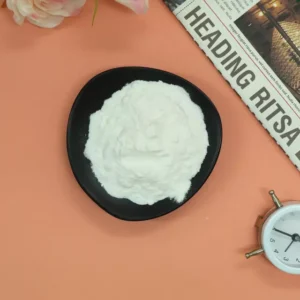
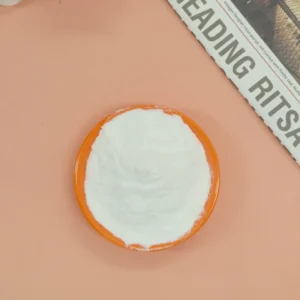
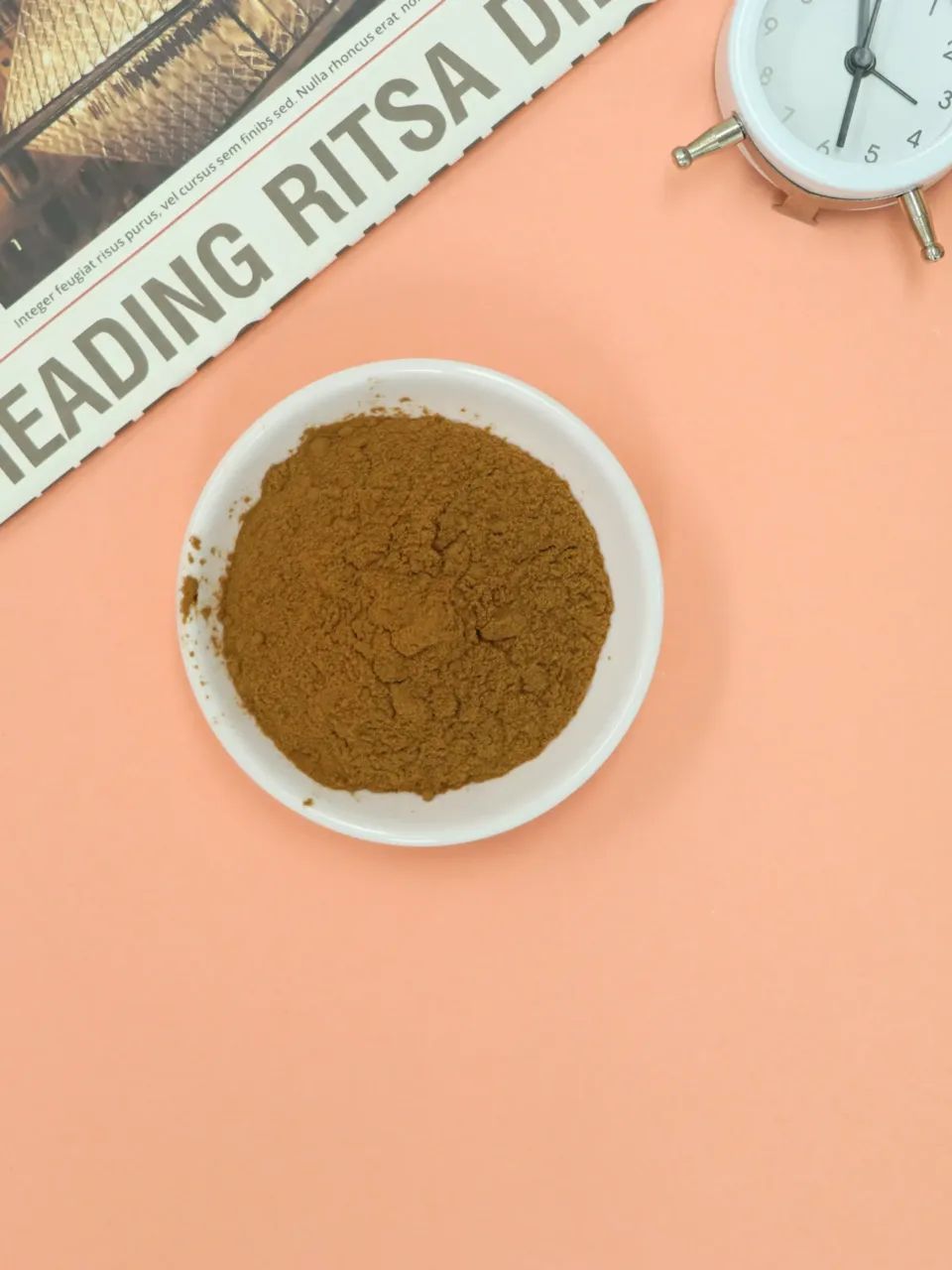
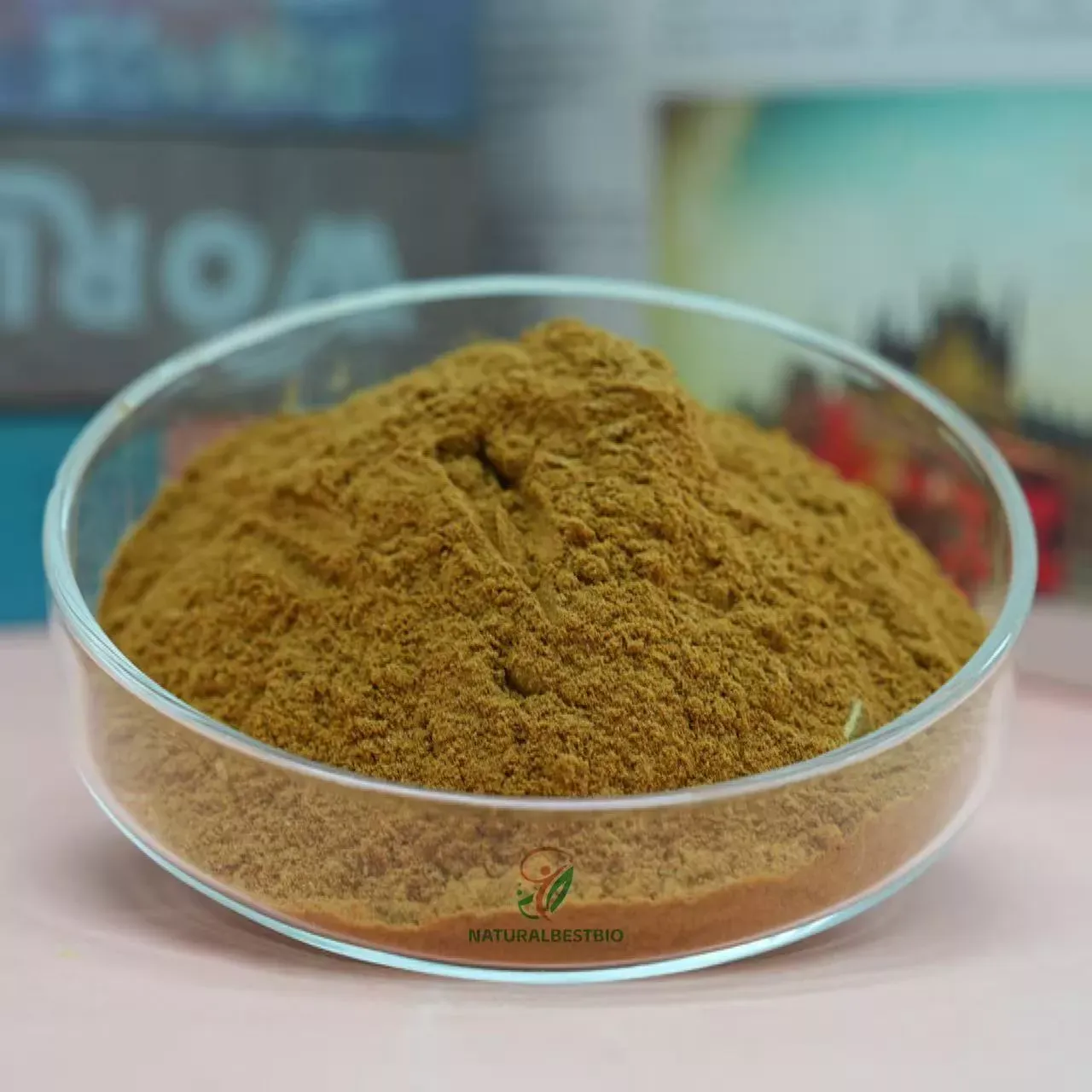
| Appearance | Off-white to light brown or beige powder |
| Solubility | Soluble in water, forming viscous solutions at higher concentrations; insoluble in ethanol and most organic solvents. Viscosity behaviour should be confirmed for beverage and topical bases. |
| Typical applications | Capsules, tablets, sachets, powder blends and topical cosmetic bases for B2B manufacturing; commonly formulated alongside marine collagen, prebiotic fibre and immune-positioned ingredients |
| Documentation | Download public specification sheet Public sheet prepared from the current product-page specification block; not a batch-specific Certificate of Analysis. Lot-specific COA and supporting records are available for qualified buyer review when appropriate. |
| Quality system | ISO 22000:2018, FSSC 22000, HACCP and GMP (certificates provided on request) |
| Supplier | Nutrition BioTech, 1601 W. Mission Blvd, Suite 103 (DL#29), Pomona, CA 91766, United States |
Fucoidan 85-98%
High-purity fucoidan for marine wellness, immune and skin-longevity formulas.
Why brands ask for it
Fucoidan 85-98% gives brands a premium marine polysaccharide story for immune, gut and skin-longevity positioning. Buyer confidence depends on source control, purity, heavy metals, iodine discussion and consistent documentation.
Finished-product fit
Marine wellness, immune support, gut support, skin hydration/beauty-from-within. The strongest conversations start with format, serving size, documentation, and how the material behaves in the intended formula.
What makes the sample useful
- High-purity fucoidan
- Seaweed-source story
- Low heavy metals/source control important
Before the sample ships
- Confirm source, identity, and supporting documentation.
- Confirm active marker, assay method, and specification range.
- Confirm sulfate content.
- Request contaminant, residual solvent, and microbiology files as needed.
- Confirm iodine.
File Package
Ask for the material files that match your market, dosage form, and internal review process.
Available documents may include: COA / Specification / Allergen Statement / GMO Statement / Vegan Statement / Heavy Metals / Microbial Limits / Manufacturing Flow Chart / Residual Solvent / Country of Origin / Composition Statement.
Regulatory & Facility Support
Regulatory review notes for the target market can be provided. Nutrition BioTech does not hold and does not claim any GRAS notification or NDI notification for this material.
Facility and quality system support follows the same certificate set named in the specification table: ISO 22000:2018, FSSC 22000, HACCP and GMP. The holding entity for each certificate is named on the certificate and confirmed under buyer review.
Regulatory status of Fucoidan
The entries below summarise publicly available regulatory documents and are provided as context for buyers. They are not claims about Nutrition BioTech material, and no health outcome is claimed or implied for any finished product. Authorisation is specific to the source, form and conditions of use described in each instrument. Buyers are responsible for confirming the status of the ingredient in their own market and for the claims they make on their own labels. Last reviewed: 3 August 2026.
Authorised fucoidan extracts in the EU Union list
Fucoidan extracts from the seaweeds Fucus vesiculosus and Undaria pinnatifida are entered in the Union list of authorised novel foods set out in the Annex to Commission Implementing Regulation (EU) 2017/2470. The recorded food category is foods, including food supplements as defined in Directive 2002/46/EC, for the general population, at a maximum level of 250 mg per day.
Commission Implementing Regulation (EU) 2017/2470, 20 December 2017 — source
Authorisation is tied to the seaweed species and the extract specification
The Union list entries are specific to the named seaweed species and to the specification of the extract described in the entry. The designation to be used on the labelling of foods containing the Undaria pinnatifida material is “Fucoidan extract from seaweed Undaria pinnatifida”. Fucoidan obtained from a different species or by a different process is not automatically covered by those entries.
Union list entries, Commission Implementing Regulation (EU) 2017/2470 — source
Framework and what buyers should confirm
Novel food authorisation in the EU operates under Regulation (EU) 2015/2283, and an authorisation applies only to the material, specification and conditions of use described in the relevant instrument. The seaweed species, extraction route and specification of the lot supplied should be checked against the intended Union list entry, and against the corresponding requirements of any other target market, before formulating.
Regulation (EU) 2015/2283 on novel foods — source
Specification FAQ
What is the CAS number for Fucoidan?
The CAS number for Fucoidan is 9072-19-9. The molecular formula is Not applicable — polydisperse sulfated polysaccharide built on an L-fucose backbone with sulfate ester groups, plus minor galactose, mannose, xylose and uronic acid units depending on species. and the molecular weight is No single defined value; molecular-weight distribution varies with species and process and is reported per grade where a buyer specifies it..
What purity is Fucoidan supplied at, and by which method?
Fucoidan content 85% to 98% depending on grade; the exact grade, assay method and assay basis are specified per order and stated on the Certificate of Analysis. Sulfate content and fucose content are reported alongside assay.
Is Fucoidan soluble in water?
Soluble in water, forming viscous solutions at higher concentrations; insoluble in ethanol and most organic solvents. Viscosity behaviour should be confirmed for beverage and topical bases.
How is Fucoidan produced and where does it come from?
Aqueous extraction and purification from brown seaweed (Fucus vesiculosus, Undaria pinnatifida or Laminaria japonica depending on grade). Species, harvest region and process are stated on the specification sheet, since species determines the sulfation pattern.
Published research context
Fucoidan has a long peer-reviewed literature. The studies below are provided as technical context for formulators evaluating this raw material. These entries summarise what the cited publications report. They are not claims about Nutrition BioTech material, and no health, therapeutic or cosmetic outcome is claimed or implied for any finished product. Buyers are responsible for the claims they make on their own labels and for confirming what is permitted in their market.
- Structural classes and extraction-method dependenceReviewed fucose-containing sulfated polysaccharides from brown seaweeds, describing backbones built of (1-3)-linked or alternating (1-3)- and (1-4)-linked alpha-L-fucopyranosyl residues as well as sulfated galactofucans, and emphasized that the extraction methodology has a crucial, partly overlooked significance for preserving the structural integrity and sulfate groups of the recovered fucoidan.Ale MT, Mikkelsen JD, Meyer AS. Mar Drugs. 2011;9(10):2106-2130. PMID 22073012. DOI 10.3390/md9102106. source
- Absolute molecular weight and chain conformation by triple-detection SECMeasured mass and size characteristics of six fucoidans extracted from different algal species by size-exclusion chromatography with triple detection, reporting considerable structural diversity, heterogeneous composition and large differences in molecular weight profiles, with most fucoidan fractions behaving as expanded flexible chains in solution and conformation data suggesting branched structures with partly long side chains.Neupane S, Bittkau KS, Alban S. J Chromatogr A. 2020;1612:460658. PMID 31703890. DOI 10.1016/j.chroma.2019.460658. source
- Validated HPSEC method for molecular weight estimationOptimized and validated a high-performance size-exclusion chromatography method with refractive index detection for molecular weight estimation of soluble algal polysaccharides including fucoidan, calibrated with pullulan and dextran standards; reported retention-time repeatability with RSD below 2.6%, recoveries of 96.3-109.8%, correlation coefficients above 0.999, and detection limits of 0.05-0.21 mg/mL.Gómez-Ordóñez E, Jiménez-Escrig A, Rupérez P. Talanta. 2012;93:153-159. PMID 22483892. DOI 10.1016/j.talanta.2012.01.067. source
- Purification route shapes fraction compositionCompared Fucus vesiculosus fucoidan fractions purified by dye affinity chromatography under different adsorption conditions and reported that the fractions differed in sulfate content and average molecular weight (one fraction averaging 48 kDa), with fucose, galactose and uronic acid/glucose dimers detected in all fractions while xylose appeared only in some – showing that the purification protocol itself shapes the composition of the finished ingredient.Zayed A, Muffler K, Hahn T, Rupp S, Finkelmeier D, Burger-Kentischer A, Ulber R. Mar Drugs. 2016;14(4):79. PMID 27092514. DOI 10.3390/md14040079. source