Nutrition BioTech is a bulk Akkermansia muciniphila (AKK) ingredient supplier, supplying the species as live biomass, pasteurized / heat-inactivated cells or postbiotic powder with potency stated per gram on the Certificate of Analysis, for B2B microbiome and gut-health formulation.
Akkermansia muciniphila is a whole-cell microbial ingredient, so it has no CAS number, no molecular formula and no molecular weight; identity runs through species and strain designation instead. The first specification questions are therefore format (live, pasteurized, inactivated or postbiotic), potency unit, strain designation, storage requirement and dosage format — those four determine everything downstream.
Ingredient name
Akkermansia muciniphila (AKK)
Synonyms
AKK; Akkermansia; mucin-degrading gut commensal; next-generation microbiome ingredient
Not applicable — whole-cell biological ingredient, identified by species and strain designation rather than by CAS number
Material formats
Live biomass, pasteurized / heat-inactivated cells, or postbiotic powder. The exact format is confirmed per order and stated on the specification sheet.
Identity & potency
Strain designation and potency unit are stated on the Certificate of Analysis — CFU per gram for live material, or total cells / AFU per gram for pasteurized and inactivated material. Potency is not interchangeable between formats.
Production route
Anaerobic fermentation followed by harvest and stabilization (freeze-drying or spray-drying). Carrier, cryoprotectant and any pasteurization step are stated on the specification sheet.
Appearance
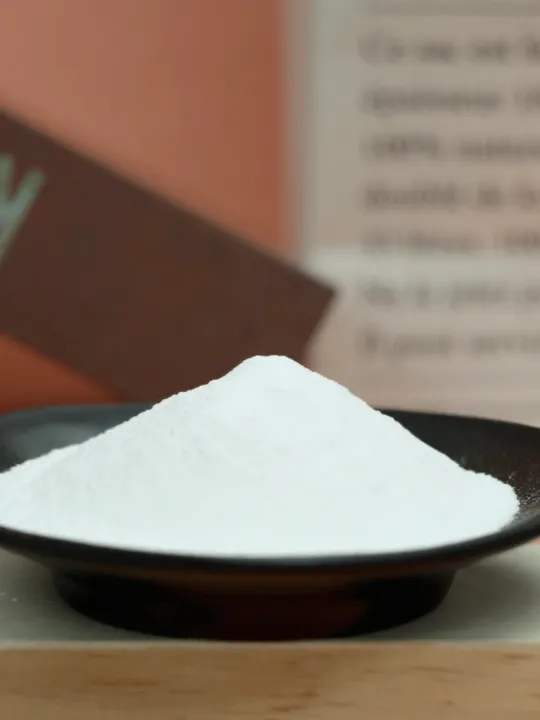
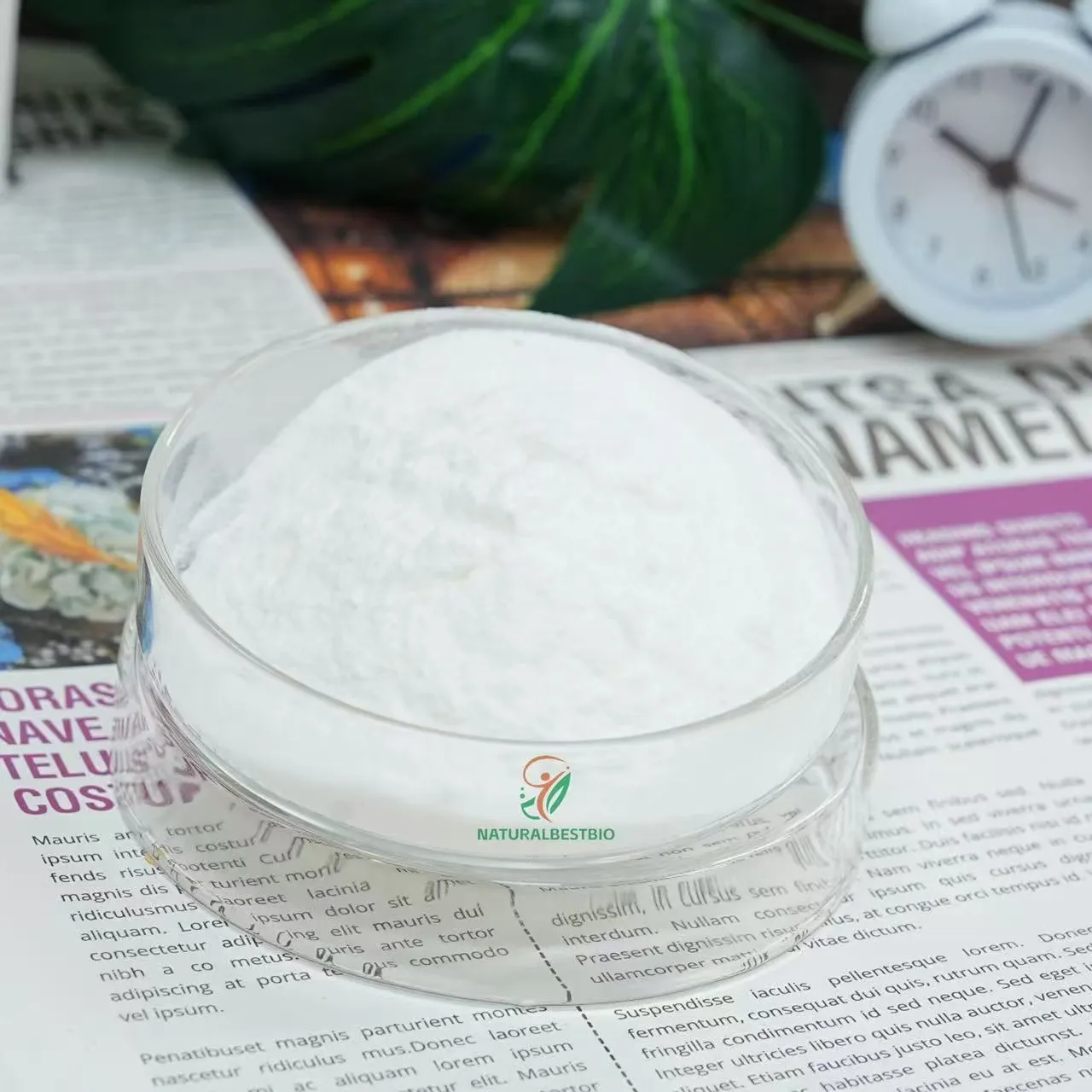
Off-white to light beige powder; shade depends on carrier and drying route
Storage & stability
Per specification sheet. Live formats require cold-chain handling; pasteurized and postbiotic formats are more tolerant of ambient logistics. Stability data provided on request.
Typical applications
Capsules, sachets and stick packs, dual-chamber and moisture-controlled formats, and blends alongside fiber, protein and polyphenol systems for B2B manufacturing
Documentation
Certificate of Analysis, specification sheet, strain identity and species confirmation, potency method, heavy metals, microbiological testing, allergen statement, GMO statement, storage and stability data
Regulatory note
Regulatory status for live, pasteurized and postbiotic microbial ingredients differs by market and by format. Buyers should confirm the status for the destination market before formulation.
Quality system
ISO 22000:2018, FSSC 22000, HACCP and GMP (certificates provided on request)
Supplier
Nutrition BioTech, 1601 W. Mission Blvd, Suite 103 (DL#29), Pomona, CA 91766, United States
AKK / Akkermansia Muciniphila for gut-aging and post-GLP-1 microbiome products.
A next-generation microbiome ingredient route for brands building gut barrier, metabolic resilience, fullness-after-meals, and post-GLP-1 companion concepts with a serious COA/spec/sample review path.
Most probiotic pages chase strain count. AKK gives brands a sharper product route: gut-barrier proximity, metabolic-routine storytelling, post-GLP-1 relevance, and a premium microbiome ingredient that can sit beside fiber, protein, berberine, DHB, creatine, and polyphenol systems.
Product first: verify the AKK material
Before building the platform story, confirm the exact material: live, pasteurized, inactive, or postbiotic status; potency unit; strain/source identity; COA/spec; storage; and target dosage form.
Why brands care now
Probiotic shelves are crowded. AKK gives product teams a more ownable gut-aging and metabolic-routine route for capsules, powders, stick packs, and post-GLP-1 companion concepts.
Best-fit buyer
Supplement brands, R&D teams, formulators, distributors, and contract manufacturers building next-generation gut health, weight-maintenance routine, and microbiome-forward longevity products.
COA-backed material proof
Inactive AKK powder with total-cell-count and quality-panel review.
Reviewed COAs identify Akkermansia muciniphila inactivated bacteria powder, including AM06 batches, with total cell count specification NLT 2.0 x 10^11 cells/g and batch results around 2.4-2.9 x 10^11 cells/g. Viable cell result is listed as absent, ND, or not detected, with moisture, heavy metals, microbial limits, storage, and shelf-life review available for qualified projects.
Patent, clinical, and source-origin claims should be reviewed from separate source files before public use.
Post-GLP-1 companion route
AKK can be reviewed with fiber, protein, creatine, berberine, DHB, and polyphenol systems for gut, metabolic-routine, and muscle-support product concepts.
FiberProteinCreatineDHBBerberine
Buyer file package
The useful next step is a material review, not a generic sample request. Ask for the files that match your formula and market route.
COASpecPotency methodStorageAllergenGMOVegan
Claim boundary
Public language should stay in gut-aging, microbiome, wellness, structure/function, formulation, and quality-review territory. Stronger technical discussion belongs in buyer-specific file review.
Published category signal
Published human and regulatory work has helped make live and pasteurized Akkermansia muciniphila a serious next-generation microbiome category. Product-specific claims still require exact material and evidence review.
Format review
Capsules are the cleanest starting route. Powders, sachets, blends, gummies, and stick packs require review of heat, moisture, potency unit, taste, storage, and label strategy.
Do not make it generic
AKK should not read like another commodity probiotic. The commercial story is gut-aging plus post-GLP-1 routine plus a serious COA/spec route.
Best sample requests include target format, serving size, potency unit, market, project stage, and the files your QA or regulatory team needs before approval.
Use these questions to start a claim-safe B2B sample, formulation, and documentation review.
What files can Nutrition BioTech provide for Akkermansia Muciniphila?
Available files may include COA, specification, identity, source, allergen, GMO, vegan, heavy metals, microbial limits, manufacturing flow, residual solvent, country of origin, and composition statements, depending on the material and target market.
How should a brand review Akkermansia Muciniphila before sampling?
The best first review includes the target dosage form, serving size, market channel, active marker, required documents, and any formulation constraints such as solubility, taste, density, particle behavior, or stability.
What regulatory and facility support may be available?
Product-specific regulatory information may include Self-GRAS, NDI or NDIN, GRAS, ODI, or regulatory review notes where applicable. Facility and quality system support may include Kosher, Halal, HACCP, ISO 22000, PCQI, c-GMP, NSF, and other applicable certificates upon request.
Claim boundary: ingredient pages are for B2B technical and formulation review. Public wording should be matched to the intended market, dosage form, and applicable regulatory review.
Akkermansia muciniphila (AKK) is a next-generation beneficial gut bacterium used as a microbiome ingredient for gut-wellness and gut-aging-axis supplement positioning. It can be reviewed as a live-culture route or as a pasteurized/inactivated postbiotic-style route. Each path has different identity, handling, enumeration, stability, dossier, and claim-boundary requirements.
A microbiome ingredient that needs identity and documentation, not just a name
AKK is one of the most discussed next-generation microbiome ingredients, but for a B2B launch the useful questions are practical: what material status is being supplied, what strain/source documentation exists, how is it counted or characterized, what dossier route applies in the target market, how stable is it in the intended format, and what language can be defended publicly. Nutrition BioTech supports buyers with identity, specification, enumeration, stability, and dossier review.
Before positioning AKK, review the source-file route.
For AKK and other proof-sensitive microbiome ingredients, the buyer decision starts with material identity, status, assay/enumeration method, COA/spec, contaminants, microbial limits, storage, dossier notes, and claim-boundary review.
AKK is a beneficial gut bacterium used as a next-generation microbiome ingredient for gut-wellness and gut-aging-axis supplement positioning. B2B buyers usually review identity, status, enumeration, stability, format fit, and claim boundary before launch planning.
Is AKK supplied as a live culture or a pasteurized route?
Both routes can exist in the market. The supplied status affects handling, storage, counting or characterization method, format fit, dossier pathway, and label language. Confirm the material route before building a product story.
Why do strain, source, and dossier status matter?
Microbiome ingredients require clear strain identity, source documentation, method notes, and market-specific dossier review before a brand uses strong positioning. Nutrition BioTech can organize the source-file and dossier review route for qualified projects.
What dosage forms should brands review first?
Capsules, sachets, sticks, and other low-moisture formats are common starting points. Viability or activity target, moisture, packaging, storage, and shelf-life logic should be reviewed for the intended formula.
What documentation should a buyer request?
Ask for identity, COA/specification, method notes, stability direction, and dossier/regulatory status notes. Sensitive source files may require NDA review for qualified formulation projects.
How should AKK claims stay within a safer boundary?
Use gut and microbiome wellness structure/function language. Keep medical, body-weight, and outcome-guarantee language out of public copy unless separately reviewed by the right regulatory owner for the target market.
How do we request a sample or review?
Send your target positioning, dosage form, market, and file needs through the contact page. Nutrition BioTech can organize identity, specification, enumeration, stability, and dossier review around your formula.