
1. Introduction: The Rising Global Demand for Punicalagins
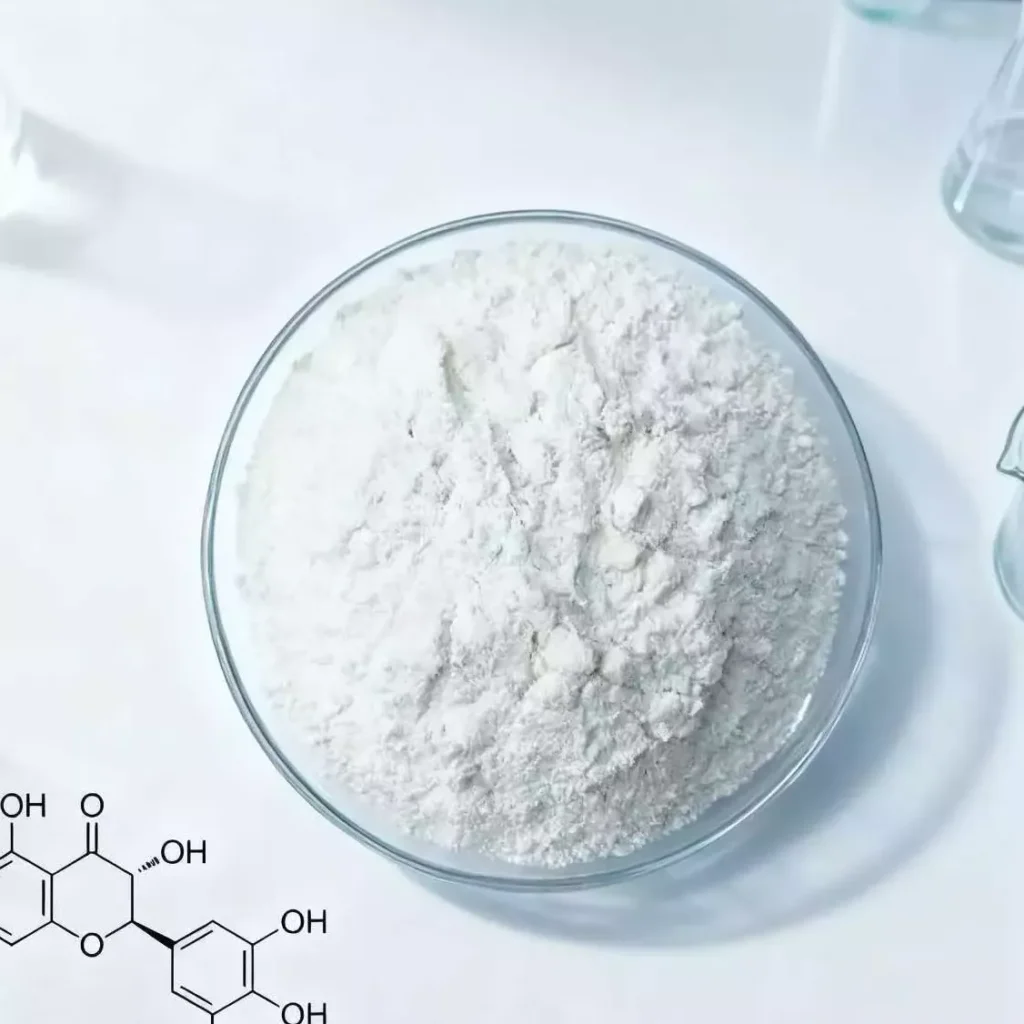
If you have spent any time researching antioxidant ingredients lately, you have probably noticed one name popping up again and again: punicalagins. Compared to generic polyphenols or basic plant extracts, punicalagins are stronger, more bioactive, and often considered the gold standard of pomegranate-derived compounds. That reputation alone explains why interest in a reliable punicalagins manufacturer has exploded across global markets.
Think of the nutraceutical industry like a high-performance engine. Antioxidants are the fuel, and punicalagins are premium-grade fuel compared to regular gasoline. They burn cleaner, work faster, and deliver better long-term performance. As consumer awareness grows, brands are no longer satisfied with “pomegranate extract” on a label. They want precision, potency, and proof—and that means sourcing from a professional punicalagins manufacturer.
From dietary supplements and functional beverages to cosmetics and pharmaceutical research, punicalagins have moved from niche science to mainstream demand. Compared to synthetic antioxidants, they are lighter on the body, less controversial, and more aligned with clean-label trends. This shift is pushing manufacturers to innovate faster, maintain stronger quality systems, and operate at global compliance levels.
2. What Are Punicalagins? Scientific Background and Market Value
So what exactly are punicalagins, and why are they compared so often to other antioxidants like ellagic acid or resveratrol?
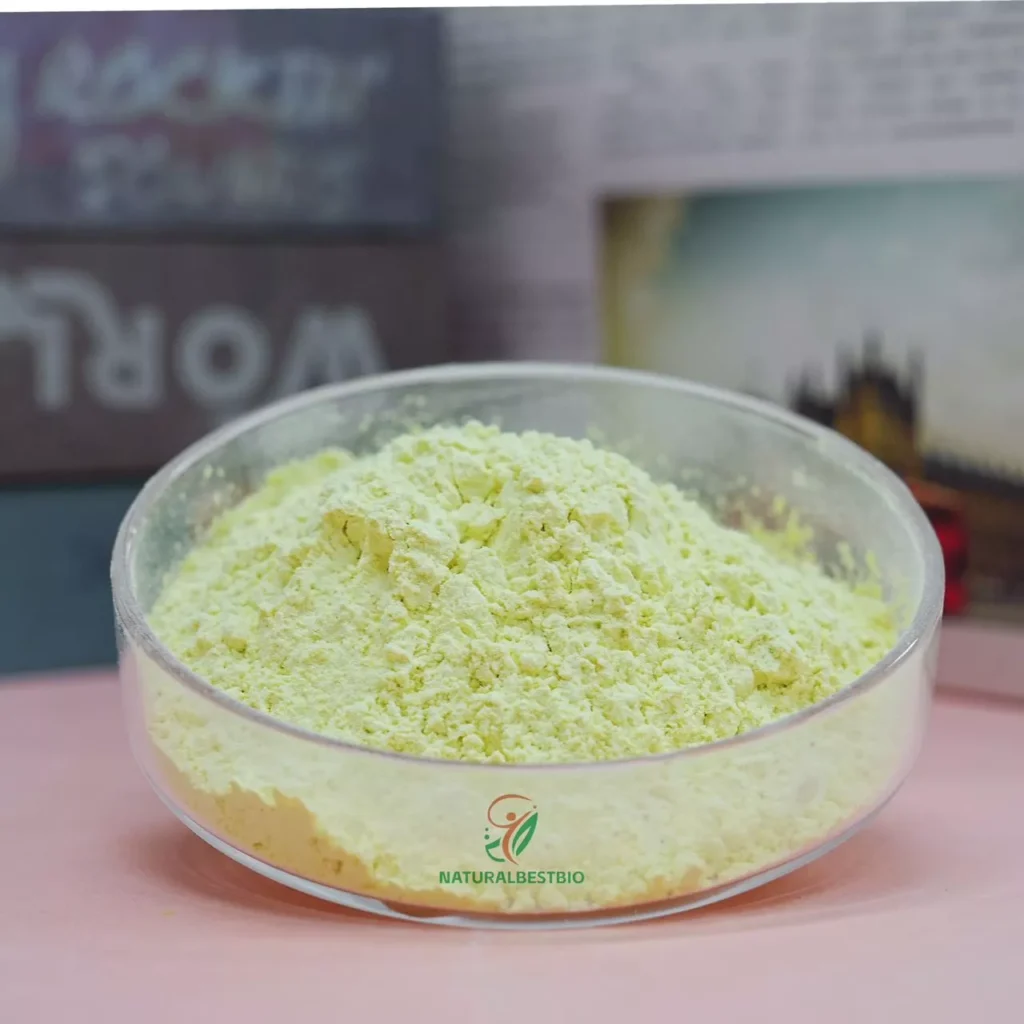
Punicalagins are water-soluble ellagitannins found almost exclusively in pomegranate peel. Compared to many polyphenols that degrade quickly, punicalagins are remarkably stable and stronger in antioxidant capacity. In fact, multiple studies show that punicalagins contribute more than 50% of the total antioxidant activity of pomegranate juice.
Why Punicalagins Matter Compared to Other Antioxidants
- Compared to vitamin C, punicalagins are stronger and longer-lasting in oxidative stress defense.
- Compared to green tea catechins, they are more stable during processing.
- Compared to synthetic antioxidants, they are safer, more consumer-friendly, and less expensive in regulatory risk over time.
From a market perspective, punicalagins add value because they are:
- Clinically researched
- Easy to standardize
- Suitable for premium positioning
This combination makes punicalagins a better choice for brands targeting longevity, cardiovascular health, skin aging, and metabolic wellness.
3. From Pomegranate to Powder: The Manufacturing Process Explained
The journey from raw pomegranate to standardized punicalagins powder is a bit like turning grapes into fine wine. It takes patience, precision, and experience. A professional punicalagins manufacturer does not cut corners here.
Raw Material Selection
It all starts with pomegranate peel—not the juice. Compared to pulp, the peel contains dramatically higher punicalagin concentrations. Manufacturers source peels from specific cultivars, often grown in regions with optimal sunlight and soil mineral balance. Compared to random sourcing, this approach delivers stronger and more consistent yields.
Extraction and Concentration
Most manufacturers use water or hydroalcoholic extraction, which is safer and lighter compared to harsh solvents. The extract is then concentrated using membrane filtration or vacuum evaporation. This step is crucial—too much heat, and punicalagins degrade. Too little concentration, and potency suffers.
Drying and Powder Formation
Spray drying or freeze drying converts the extract into powder. Compared to spray drying, freeze drying is slower and more expensive but preserves bioactivity better. High-end punicalagins manufacturers often choose this route for pharmaceutical-grade products.
4. Quality Control Standards in a Professional Punicalagins Manufacturer
Quality control is where real manufacturers separate themselves from traders and resellers. Compared to low-cost suppliers, a professional punicalagins manufacturer invests heavily in analytical infrastructure.
Analytical Testing: HPLC, UV, and Fingerprint Analysis
| Test Method | Purpose | Why It Matters |
|---|---|---|
| HPLC | Quantifies punicalagin A & B | Ensures accurate potency |
| UV Spectroscopy | Rapid screening | Faster batch release |
| Fingerprint Analysis | Identity verification | Prevents adulteration |
Compared to single-method testing, multi-layer analysis is stronger and more reliable.
Heavy Metals, Pesticide Residues, and Microbial Control
Punicalagins may be natural, but nature is not always clean. Compared to untested extracts, compliant products must meet strict limits for lead, arsenic, cadmium, mercury, pesticides, yeast, mold, and pathogens.
Batch-to-Batch Consistency and Specification Control
Consistency is everything. A 40% punicalagins extract that tests at 35% is not acceptable. Professional manufacturers use tight specifications and statistical process control to ensure every batch performs the same.
Stability Testing and Shelf-Life Validation
Compared to unstable polyphenols, punicalagins have excellent shelf stability—but only when properly processed and packaged. Accelerated and real-time stability testing validate expiration dates.
5. Certifications and Compliance for Global Markets
Certifications are not just logos; they are trust signals.
GMP, ISO, HACCP Manufacturing Standards
- GMP ensures pharmaceutical-grade discipline
- ISO focuses on system consistency
- HACCP reduces contamination risk
Compared to uncertified factories, certified manufacturers operate cleaner, faster, and safer.
Compliance with USP, EP, and CP Monographs
While punicalagins may not yet have standalone monographs everywhere, alignment with pharmacopoeial principles increases credibility.
Regulatory Readiness for US, EU, and Asian Markets
A global-ready punicalagins manufacturer understands FDA dietary supplement regulations, EFSA novel food considerations, and Asian market nuances. Compared to local-only suppliers, they reduce regulatory delays and costs.
6. Customization Capabilities: Meeting Diverse Client Requirements
Customization is where manufacturers become partners.
Custom Punicalagins Concentrations
| Standardization Level | Best Use Case |
|---|---|
| 10% | Functional foods, beverages |
| 40% | Dietary supplements |
| 90% | Research, pharma applications |
Higher concentrations are stronger but more expensive, so choosing the right level matters.
Particle Size, Solubility, and Formulation Compatibility
Fine particle sizes dissolve faster, while larger particles flow better. Compared to generic powders, tailored specs reduce formulation headaches.
Private Labeling and OEM/ODM Solutions
Compared to building a factory, OEM/ODM is faster and less expensive. Many manufacturers offer branding, formulation, and packaging support.
Packaging Options
From fiber drums to aluminum foil bags, packaging protects stability and simplifies logistics.
7. Applications of Punicalagins Across Industries
Dietary Supplements and Functional Beverages
Capsules, tablets, stick packs, RTD drinks—punicalagins shine here. Compared to basic antioxidants, they justify premium pricing.
Pharmaceutical and Clinical Research Applications
High-purity punicalagins are used in inflammation, cardiovascular, and oncology research.
Cosmetic and Anti-Aging Formulations
Compared to synthetic antioxidants, punicalagins are gentler and better accepted in clean beauty.
Functional Food and Sports Nutrition Innovations
From protein bars to recovery drinks, punicalagins add both function and marketing appeal.
8. Sustainability and Ethical Sourcing Practices
Sustainability is no longer optional. Compared to wasteful extraction, ethical manufacturers upcycle pomegranate peels, reduce water use, and support farmers. This approach is better for branding, better for margins, and better for the planet.
9. How to Choose the Right Punicalagins Manufacturer
Choosing a manufacturer is like choosing a long-term teammate.
Ask:
- Do they control raw materials?
- Do they provide full COAs?
- Are they transparent with audits?
Compared to the cheapest option, a reliable partner saves money over time by avoiding recalls, delays, and reformulations.
10. FAQ
| Question | Answer |
|---|---|
| What makes a good punicalagins manufacturer? | Strong QC, certifications, customization, and transparency |
| Are higher concentrations always better? | Not always; higher potency is stronger but more expensive |
| Are punicalagins safe for long-term use? | Generally safe when used as directed |
| How are punicalagins compared to ellagic acid? | Punicalagins are stronger and more bioavailable |
| Can punicalagins be used in cosmetics? | Yes, especially for anti-aging formulations |
Related ingredient pages
For buyer evaluation, compare this guide with Nutrition BioTech ingredient pages, proof routes, and sourcing support.