
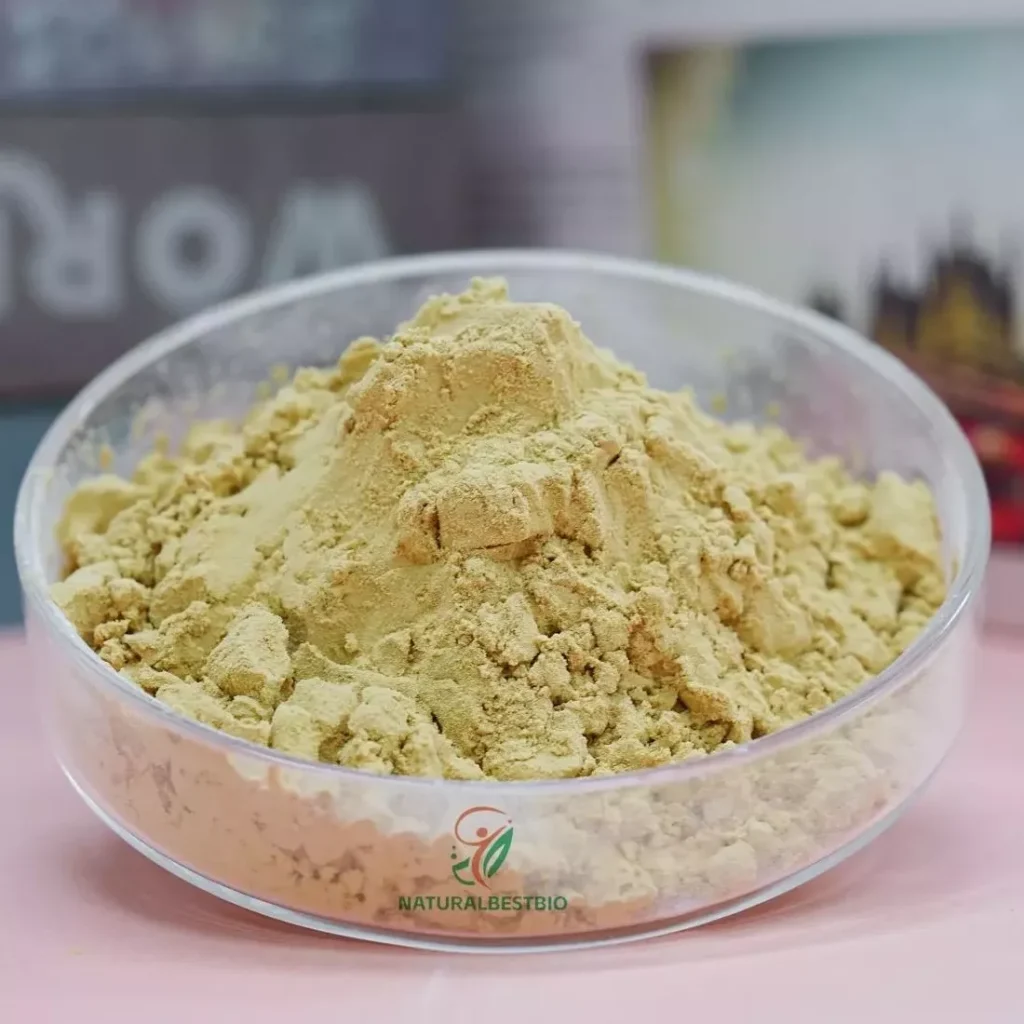
If you are sourcing a mitochondria booster bulk supply, mastering quality standards is essential for maintaining consistent potency in your final products. Whether you are a supplement manufacturer, research laboratory, or health clinic, buying in bulk ensures cost-efficiency. This guide explores the strategic steps to maximize your investment in mitochondrial health. For technical background on cellular energy, refer to the National Center for Biotechnology Information.
Introduction
Have you ever wondered what truly powers your cells, keeping you energetic, alert, and ready to take on the day? Well, the secret lies in tiny, yet mighty organelles called mitochondria—the so-called “powerhouses” of your cells. They’re like the batteries in your smartphone, constantly generating energy to keep everything running smoothly. But just like batteries can drain faster with heavy use, our mitochondria can also get sluggish due to aging, stress, poor nutrition, or environmental factors. That’s where mitochondria boosters come in—they’re designed to recharge your cellular batteries and keep your body performing at its best.
Now, you might be thinking, “Sure, supplements are great, but why bulk supply?” Well, whether you’re a manufacturer, a research lab, or a health clinic looking to provide consistent mitochondrial support to many people, buying mitochondria boosters in bulk isn’t just cost-effective—it’s smarter, more reliable, and ensures uninterrupted availability. Compared to buying small batches, bulk supply often guarantees better pricing, faster restocking, and stronger quality control, which is crucial when you’re aiming for consistent results.
In this guide, we’re diving deep into everything you need to know about mitochondria booster bulk supply. From understanding what these boosters actually do, to exploring the key ingredients that make them effective, to selecting reliable suppliers and even learning how to store them properly—we’ll cover it all. By the end of this article, you’ll not only understand why bulk supply is essential but also feel confident in choosing the right products and suppliers for your needs.
So, buckle up! Think of this as your roadmap to powering up mitochondria on a larger scale. We’ll sprinkle in comparisons, practical tips, and some science-backed insights, all in a way that’s easy to read and surprisingly fun. After all, understanding how to boost your body’s energy isn’t just about science—it’s about making life faster, stronger, and more efficient.
What Are Mitochondria Boosters?
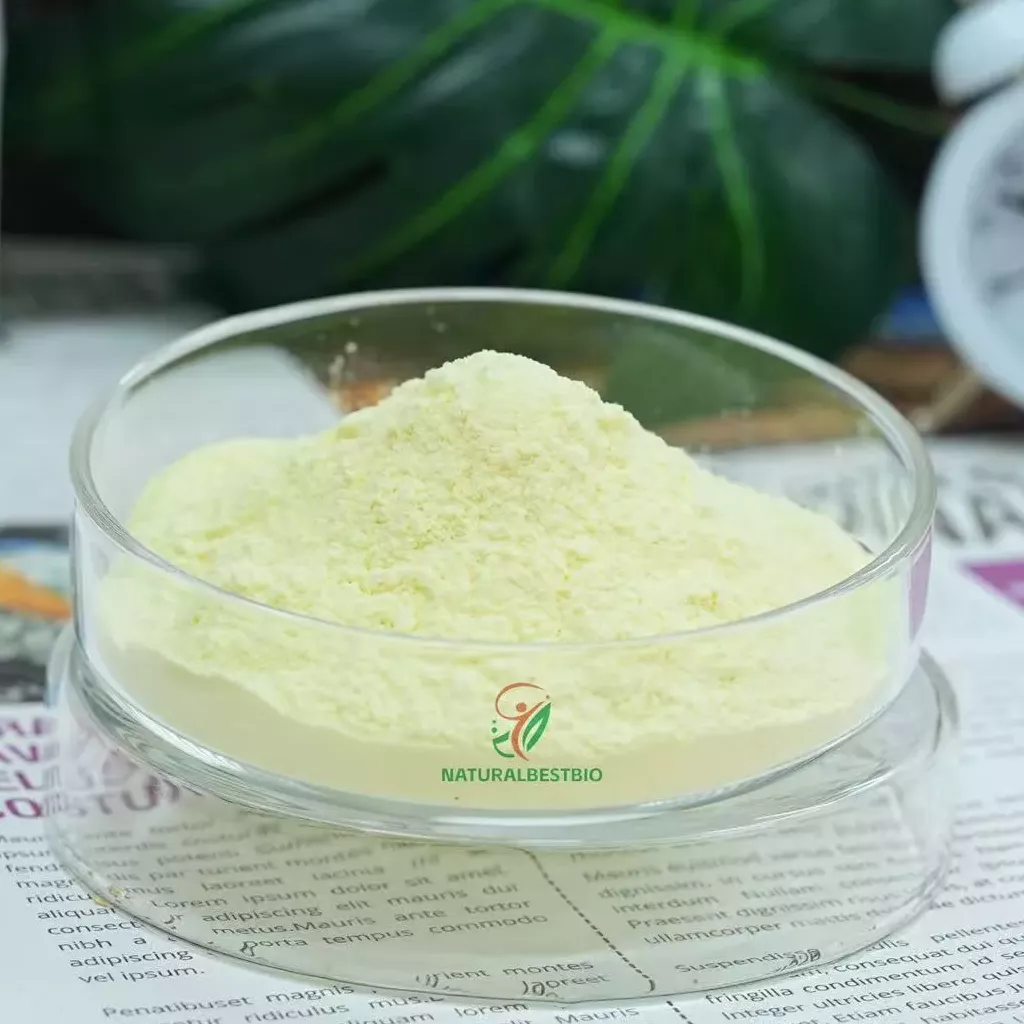
So, what exactly are mitochondria boosters, and why is everyone talking about them in the health and supplement world? Imagine your cells are tiny factories. Each factory has a power plant inside—this is your mitochondria. These power plants convert nutrients from your food into ATP (adenosine triphosphate), the energy currency your body runs on. The more efficiently your mitochondria work, the stronger, faster, and more energetic you feel.
Mitochondria boosters are supplements or compounds specifically designed to support, enhance, or protect mitochondrial function. Think of them as fuel additives or maintenance kits for your cellular power plants. They help the mitochondria work more efficiently, recover from oxidative stress, and even multiply in some cases. Compared to taking general vitamins, mitochondria boosters target the core energy production mechanism, making them a more precise approach to enhancing vitality.
How Do Mitochondria Boosters Work?
Mitochondria boosters don’t just magically increase your energy—they work at the cellular level. Here’s a breakdown:
- Energy Enhancement: They improve ATP production, so your cells can generate energy faster. Think of it like upgrading a car engine from a 100-horsepower to a 200-horsepower engine—suddenly everything runs smoother and stronger.
- Oxidative Stress Protection: Mitochondria are sensitive to free radicals, which are like sparks in a factory that can damage machinery. Certain boosters act as antioxidants, neutralizing these sparks and preventing wear and tear.
- Mitochondrial Biogenesis: Some boosters even encourage the creation of new mitochondria. Imagine adding more power plants to your city—you get more energy without overworking the existing ones.
- Cellular Repair Support: By supporting mitochondria, these boosters also indirectly help your body repair damaged cells, contributing to better overall health and performance.
Why They’re Becoming Popular
Compared to general wellness supplements, mitochondria boosters are gaining traction for a few key reasons:
- Faster Recovery and Performance: Athletes and biohackers love them because they can feel more energized, recover quicker, and perform stronger.
- Age-Related Benefits: As we age, mitochondria naturally decline in number and efficiency. Boosters can help maintain youthful energy levels compared to other generic energy supplements that only provide a temporary caffeine-like boost.
- Cellular Longevity: Unlike some supplements that address symptoms, mitochondria boosters target the root of energy production, potentially improving long-term health.
Popular Forms of Mitochondria Boosters
Mitochondria boosters come in various forms, each with its own advantages:
- Powders: Easier to mix in bulk drinks or formulations; usually lighter and faster to absorb than capsules.
- Capsules/Tablets: Convenient for individual doses; sometimes more expensive per mg but easier to handle.
- Liquid Extracts: Often faster acting, but bulk storage can be trickier.
Compared to other energy supplements, mitochondria boosters are more precise, cellular-level focused, and potentially longer-lasting, rather than giving a temporary spike.
Why Bulk Supply is Important
If you’re serious about mitochondria boosters—whether you’re running a supplement business, a research lab, or even a health clinic—you might wonder: “Why bother with bulk supply? Isn’t buying small batches easier?” Well, here’s the thing—buying in bulk is like filling a reservoir rather than a single cup. It might seem like more upfront, but the benefits compared to small-scale buying are significantly better, faster, and stronger in the long run.
1. Cost Efficiency: More Affordable per Unit
One of the biggest advantages of bulk supply is the cost savings. Compared to small retail packs, bulk purchases often reduce the per-unit price by 30-70% depending on the supplier. Imagine buying 1 kg of powdered booster versus 100 individual bottles—bulk gives you more product for less money, freeing up budget for research, marketing, or higher-quality ingredients.
2. Reliable and Consistent Stock
Ever run into a situation where a supplement you rely on is out of stock? Frustrating, right? Bulk supply ensures you always have a steady stock, preventing interruptions in production or research. Compared to small orders, bulk purchasing reduces the risk of delays, backorders, or shipping issues.
3. Better Quality Control
When buying bulk, suppliers often provide certifications, batch testing, and traceability, ensuring consistency in potency and purity. This is stronger quality assurance compared to random small retail purchases, where batches might vary in potency or purity. If you’re formulating your own products, consistent ingredients are essential for maintaining brand reputation and customer trust.
4. Customization and Flexibility
Bulk supply opens up opportunities for formulation control. You can mix powders, create your own dosage, or combine boosters with other active ingredients. Compared to pre-packaged options, bulk gives you lighter packaging flexibility and more precise dosing, especially useful for clinical studies or customized supplements.
5. Reduced Environmental Impact
Believe it or not, buying in bulk can be more eco-friendly. Fewer shipments, less packaging, and consolidated logistics mean less waste and a smaller carbon footprint compared to repeatedly ordering smaller amounts. It’s like choosing a larger fuel-efficient truck to move all your cargo instead of dozens of tiny cars.
6. Stronger Negotiating Power
If you commit to buying bulk regularly, suppliers often provide better terms, faster shipping, and discounts, compared to occasional small orders. This creates a win-win relationship where both parties benefit from volume consistency, reliability, and long-term partnership.
Quick Comparison: Bulk vs Small Orders
| Feature | Bulk Supply | Small Orders |
|---|---|---|
| Cost per unit | Lower, more affordable | Higher, less cost-efficient |
| Stock reliability | Stronger, consistent | Risk of shortages |
| Quality consistency | High, batch-tested | Variable between batches |
| Flexibility in use | Custom formulations | Limited options |
| Environmental impact | Lower | Higher |
| Supplier relationships | Stronger negotiating power | Weak |
So, if you’re thinking about mitochondria booster bulk supply, the advantages are clear: you get better pricing, stronger quality control, faster availability, and more flexibility. Compared to small-scale buying, bulk is the smarter choice for serious buyers.
Key Ingredients in Mitochondria Boosters
When it comes to mitochondria boosters, not all ingredients are created equal. Some act like premium fuel, directly supercharging your cellular power plants, while others are more like maintenance tools, protecting your mitochondria from damage. Understanding these ingredients is essential, especially if you’re sourcing bulk supply, because quality and efficacy vary widely between suppliers.
Here’s a detailed look at the key ingredients commonly found in mitochondria boosters, why they matter, and how they compare.
1. Coenzyme Q10 (CoQ10)
CoQ10 is one of the most famous mitochondria-boosting ingredients. Think of it as the spark plug for your cellular engine—it’s crucial for producing ATP. Without sufficient CoQ10, energy production slows down, and fatigue sets in.
Advantages:
- Supports energy production at the cellular level
- Acts as a potent antioxidant, protecting mitochondria from oxidative stress
- Often used in heart health and aging studies
Disadvantages:
- Absorption can be slower unless formulated with lipids
- Can be more expensive in bulk compared to other common antioxidants
Compared to other ingredients: CoQ10 is generally stronger in ATP production, but slower acting than some compounds like PQQ (Pyrroloquinoline quinone).
2. PQQ (Pyrroloquinoline Quinone)
PQQ is often called the mitochondrial growth factor because it promotes mitochondrial biogenesis—essentially increasing the number of mitochondria in your cells.
Advantages:
- Stimulates creation of new mitochondria, improving long-term energy
- Strong antioxidant properties, protecting cells from damage
- Works synergistically with CoQ10 for enhanced performance
Disadvantages:
- Typically more expensive per dose
- Long-term effects in humans are still being researched
Compared to CoQ10: PQQ is better for long-term mitochondrial growth, while CoQ10 is better for immediate ATP support. Using both together often produces faster and stronger energy benefits.
3. L-Carnitine
L-Carnitine is like the delivery truck for fat fuel—it transports fatty acids into the mitochondria so they can be burned for energy. Without L-Carnitine, your mitochondria can’t efficiently use fat as an energy source.
Advantages:
- Supports fat metabolism and weight management
- Enhances endurance and recovery
- Often combined with other boosters for synergistic effects
Disadvantages:
- Some forms (like L-Carnitine Tartrate) are absorbed less efficiently than Acetyl-L-Carnitine (ALCAR)
- High doses can sometimes cause mild gastrointestinal discomfort
Compared to CoQ10 and PQQ: L-Carnitine is stronger for fat energy utilization, but less effective for direct ATP production or mitochondrial growth.
4. Alpha-Lipoic Acid (ALA)
Alpha-Lipoic Acid is a universal antioxidant, protecting mitochondria from free radicals while helping recycle other antioxidants like CoQ10 and Vitamin C. Think of it as the maintenance crew that keeps the power plant running smoothly.
Advantages:
- Powerful antioxidant protecting mitochondria
- Supports glucose metabolism, making it ideal for energy regulation
- Can enhance effectiveness of CoQ10 and PQQ
Disadvantages:
- Can be less potent for direct energy production compared to CoQ10 or PQQ
- High doses may cause mild digestive issues
Compared to other ingredients: ALA is better for protection, while CoQ10 and PQQ are better for energy creation.
5. Resveratrol
Resveratrol is a polyphenol found in red wine and grapes, known for activating sirtuins, which are proteins that support mitochondrial health. It’s like the longevity supervisor for your cells, helping them stay efficient over time.
Advantages:
- Promotes cellular longevity and mitochondrial efficiency
- Strong antioxidant properties
- Can complement CoQ10 and PQQ
Disadvantages:
- Bioavailability is low unless formulated with special carriers
- Effects are more preventive than immediate
Compared to other ingredients: Resveratrol is better for long-term health, less so for quick energy boosts.
Quick Comparison Table: Key Ingredients
| Ingredient | Primary Role | Advantages | Disadvantages | Best Use |
|---|---|---|---|---|
| CoQ10 | ATP production | Strong energy support, antioxidant | Slower absorption, more expensive | Immediate energy |
| PQQ | Mitochondrial growth | Stimulates new mitochondria, antioxidant | Expensive, long-term human data limited | Long-term energy & growth |
| L-Carnitine | Fat transport | Improves endurance, fat metabolism | Variable absorption, mild GI effects | Fat-burning & endurance |
| Alpha-Lipoic Acid | Antioxidant | Protects mitochondria, recycles antioxidants | Less direct energy production | Mitochondrial protection |
| Resveratrol | Longevity | Supports sirtuins, antioxidant | Low bioavailability, preventive | Anti-aging & long-term efficiency |
By understanding these ingredients, you can make smarter choices when sourcing bulk mitochondria boosters. Compared to generic energy supplements, combinations of these ingredients provide faster, stronger, and more sustainable cellular energy, making them ideal for research, formulation, or large-scale health applications.
Choosing a Reliable Bulk Supplier
So, you’ve decided to go the bulk supply route for mitochondria boosters—smart move! But here’s the catch: not all suppliers are created equal. Choosing the wrong supplier can lead to inconsistent quality, delayed shipments, or even regulatory headaches. Compared to buying retail or small batches, bulk sourcing demands more research, verification, and planning.
Here’s a step-by-step guide to help you pick a trusted, high-quality supplier.
1. Verify Certifications and Compliance
When sourcing supplements in bulk, certifications are non-negotiable. A reputable supplier should have:
- GMP (Good Manufacturing Practices) certification
- ISO certifications for quality and safety
- Compliance with FDA or EFSA regulations (depending on region)
- Third-party lab testing for purity and potency
Why it matters: Compared to uncertified suppliers, certified ones are stronger in reliability, safer, and less likely to have quality variation between batches.
2. Evaluate Ingredient Sourcing
Bulk mitochondria boosters rely heavily on high-quality active ingredients like CoQ10, PQQ, and L-Carnitine. Ask suppliers:
- Where are the ingredients sourced from?
- Are they synthetic or natural? (Some natural forms are more expensive but better absorbed)
- Do they provide batch-specific Certificates of Analysis (CoA)?
Compared to generic suppliers, those who provide detailed ingredient sourcing are faster at troubleshooting and ensuring product consistency.
3. Pricing and Terms
Price is important, but it shouldn’t be the only factor. Here’s what to consider:
- Cost per unit vs quality: Cheaper isn’t always better; low-cost suppliers may cut corners on purity.
- Minimum order quantity (MOQ): Some suppliers require larger bulk orders, which may be more cost-effective per unit but higher upfront.
- Discounts for recurring orders: Long-term bulk agreements often lower prices and improve shipping reliability.
Compared to small retail purchases, bulk suppliers often offer lighter packaging costs and more flexible volume options.
4. Check Supplier Reputation
Before committing, research the supplier’s industry reputation:
- Look for customer reviews and testimonials
- Check for history of recalls or complaints
- Consider industry associations or endorsements
Why it matters: Compared to unknown or unverified suppliers, reputable ones provide stronger reliability and trust, which is crucial when supplying multiple batches of mitochondria boosters.
5. Shipping and Storage Capabilities
Mitochondria booster powders and compounds often require specific temperature and humidity control:
- Does the supplier offer temperature-controlled shipping?
- Can they handle large volumes without compromising quality?
- Are storage facilities certified and monitored?
Compared to suppliers who cut corners, those with proper shipping and storage infrastructure ensure your bulk products arrive fresh, potent, and ready for use.
6. Customer Support and Technical Guidance
A strong supplier doesn’t just deliver products—they provide support and guidance:
- Answer questions about formulation compatibility
- Provide technical sheets, stability data, and recommended handling instructions
- Assist with regulatory or labeling questions
Compared to minimal-contact suppliers, those offering robust technical support make your bulk supply process faster, safer, and more efficient.
Quick Comparison Table: Bulk Supplier Evaluation
| Factor | Strong Supplier | Weak Supplier | Advantage |
|---|---|---|---|
| Certifications | GMP, ISO, FDA/EFSA compliant | None or unclear | Stronger quality assurance |
| Ingredient Sourcing | Transparent, batch-tested | Unknown source | Faster troubleshooting, consistent potency |
| Pricing & MOQ | Competitive with bulk discounts | Cheap but variable quality | Cost-effective and reliable |
| Reputation | Verified reviews, industry recognition | Limited info | Trusted partnership |
| Shipping & Storage | Controlled environment, monitored | Standard shipping | Preserves potency and shelf life |
| Customer Support | Technical guidance provided | Minimal support | Efficient problem-solving |
By carefully evaluating suppliers using these criteria, you’ll ensure that your bulk mitochondria boosters are strong, reliable, and consistent, which is critical for research, manufacturing, or large-scale distribution.
Potential Applications of Mitochondria Boosters in Bulk
Once you’ve secured a bulk supply of mitochondria boosters, the next question is: “What can I actually do with it?” The possibilities are vast, ranging from nutritional supplements to clinical research and athletic performance optimization. Compared to small-scale purchases, bulk supply opens up stronger, more versatile applications, making it a powerful tool for businesses, labs, and wellness programs alike.
1. Dietary and Nutritional Supplements
Bulk mitochondria boosters are widely used in formulating capsules, powders, or energy drinks. Manufacturers can mix high-quality ingredients like CoQ10, PQQ, and L-Carnitine to create supplements tailored for energy, endurance, or longevity.
Advantages:
- Cost-effective for large production runs
- Ensures consistent ingredient potency across batches
- Allows for custom formulations (e.g., combining antioxidants, amino acids, or vitamins)
Compared to small-batch purchases, bulk supply is faster for large-scale production and ensures that popular products never go out of stock.
Considerations:
- Requires strict quality control to maintain potency
- Shelf life must be managed carefully to prevent degradation of sensitive compounds
2. Sports Nutrition and Performance Enhancement
Athletes and fitness enthusiasts are increasingly turning to mitochondria boosters for endurance, recovery, and energy. Bulk supply enables manufacturers to create specialized pre-workout formulas or recovery blends.
Advantages:
- Supports fat-burning and ATP production for longer workouts
- Enhances muscle recovery and reduces oxidative stress
- Can be combined with other performance enhancers for stronger effects
Compared to standard energy supplements like caffeine or sugar-based drinks, mitochondria boosters provide sustainable energy at the cellular level without crashes or long-term oxidative damage.
3. Clinical Research and Trials
Bulk mitochondria boosters are invaluable for research institutions and clinical studies investigating aging, neurodegenerative diseases, or metabolic health. They allow researchers to administer consistent doses across large study groups.
Advantages:
- Ensures uniformity of test compounds
- Reduces cost per participant compared to small retail supplements
- Facilitates long-term studies without interruptions
Compared to sourcing retail products, bulk supply is faster, more reliable, and scientifically traceable, which is critical for valid and reproducible research results.
4. Wellness Programs and Clinics
Many wellness centers, anti-aging clinics, and integrative health programs use mitochondria boosters in therapeutic regimens. Bulk supply allows practitioners to customize treatments for multiple patients efficiently.
Advantages:
- Provides steady stock for ongoing programs
- Enables personalized dosing for individual patients
- Can be integrated into IV therapy, powders, or oral supplements
Compared to buying retail bottles, bulk supply is more economical and flexible, supporting patient-centered programs at scale.
5. Formulation and Private Labeling
For entrepreneurs or supplement brands, bulk mitochondria boosters are perfect for private labeling. You can create unique products, blending boosters with other ingredients for targeted benefits like anti-aging, mental focus, or energy enhancement.
Advantages:
- Stronger branding opportunities
- More control over dosage, flavor, and combination of active ingredients
- Better profit margins compared to selling pre-packaged retail supplements
Compared to purchasing pre-made products, bulk allows for lighter packaging, more custom formulations, and competitive pricing.
Quick Comparison Table: Potential Applications
| Application | Advantages | Best Use Case | Compared to Small-Batch |
|---|---|---|---|
| Nutritional Supplements | Cost-effective, consistent, customizable | Mass-market capsules/powders | Faster, reliable production |
| Sports Nutrition | Endurance, recovery, sustainable energy | Pre-workout, recovery formulas | Longer-lasting effects vs caffeine/sugar |
| Clinical Research | Uniformity, reproducible results, lower cost | Studies on aging, metabolism | Stronger traceability, faster supply |
| Wellness Programs | Personalized dosing, steady stock | Clinics, anti-aging programs | More economical and flexible |
| Private Label | Custom branding, high control | Entrepreneurial supplement lines | Better profit margins and customization |
By understanding these applications, it’s clear that bulk mitochondria boosters are not just about cost savings—they unlock versatility, scalability, and consistent quality. Whether you’re developing a product, conducting research, or running a wellness program, bulk supply is faster, stronger, and more reliable than smaller orders.
Tips for Storing and Handling Bulk Mitochondria Boosters
You’ve invested in a bulk supply of mitochondria boosters—now comes the crucial part: storing and handling them correctly. Mitochondria-boosting compounds like CoQ10, PQQ, L-Carnitine, and Alpha-Lipoic Acid are sensitive to heat, light, and moisture, which can degrade potency over time. Compared to small retail bottles, bulk powders or capsules require stronger attention to storage and handling. Let’s break it down.
1. Optimal Storage Conditions
To keep mitochondria boosters effective, maintain the following conditions:
- Temperature: Most powders are stable at 15–25°C (59–77°F). Avoid high heat, which can reduce potency—think of it like your cellular “engine oil” evaporating under the sun.
- Humidity: Moisture can cause clumping, degradation, and microbial growth. Use airtight containers and consider desiccants for extra protection.
- Light Exposure: Many compounds, especially CoQ10 and PQQ, are sensitive to light. Store in opaque or dark containers.
Compared to standard retail packaging, bulk products require larger-scale controlled storage but offer more flexibility in using temperature- or humidity-controlled warehouses.
2. Handling Best Practices
Proper handling ensures safety and quality:
- Use clean, dry equipment when transferring powders
- Avoid direct contact with skin; use gloves if needed
- Minimize exposure to air to prevent oxidation
- Label all containers clearly with ingredient name, batch number, and expiration date
Compared to small bottles, bulk handling requires more organized processes, but it ensures stronger consistency for formulations and research applications.
3. Shelf Life and Potency Monitoring
Even under optimal conditions, mitochondria boosters have limited shelf lives:
| Ingredient | Typical Shelf Life | Notes |
|---|---|---|
| CoQ10 | 24 months | More stable in powder form; sensitive to light |
| PQQ | 12–18 months | Sensitive to heat; store in airtight dark containers |
| L-Carnitine | 18–24 months | Stable but can absorb moisture; use desiccants |
| Alpha-Lipoic Acid | 12–18 months | Sensitive to oxidation; minimize air exposure |
| Resveratrol | 12–24 months | Protect from light; crystalline form more stable |
Tip: Regularly check powders for color changes, odor, or clumping, which may indicate degradation. Compared to pre-packaged retail products, bulk requires more proactive monitoring, but this ensures stronger efficacy and safety for end users.
4. Safety Considerations
While mitochondria boosters are generally safe, bulk handling introduces additional precautions:
- Store powders away from children and pets
- Avoid inhalation of fine powders—consider masking or fume hoods for large batches
- Ensure fire safety, especially with flammable compounds or high-volume storage
Compared to handling individual bottles, bulk products require stronger workplace safety protocols, which pay off in maintaining product integrity and employee safety.
5. Packaging for Distribution
If you plan to distribute or repackage, consider:
- Smaller airtight containers for end-use doses
- Desiccants to prevent moisture in capsules or sachets
- Tamper-evident sealing for quality assurance
Compared to pre-packaged retail products, repackaging bulk allows for custom dosing, branding, and distribution efficiency, but you must maintain the same storage standards to preserve quality.
Conclusion
Investing in mitochondria boosters in bulk isn’t just a matter of convenience—it’s a strategic decision that can save money, ensure consistent quality, and unlock a wide range of applications. Think of it like upgrading from a single generator to a fully equipped power plant: with bulk supply, you gain reliability, scalability, and flexibility that small-scale purchases simply can’t match.
Here’s a quick recap of the key points we’ve explored:
- Understanding Mitochondria Boosters: These compounds target the cellular powerhouse, enhancing ATP production, supporting mitochondrial health, and promoting long-term energy efficiency. Compared to generic energy supplements, mitochondria boosters offer faster, stronger, and more sustainable results.
- Why Bulk Supply Matters: Bulk supply reduces per-unit costs, ensures continuous availability, provides stronger quality control, and offers better flexibility for formulation and distribution. Compared to small orders, bulk is more efficient, reliable, and eco-friendly.
- Key Ingredients: Compounds like CoQ10, PQQ, L-Carnitine, Alpha-Lipoic Acid, and Resveratrol are the backbone of effective mitochondria boosters. Understanding their roles allows you to compare options, optimize formulations, and tailor products for immediate energy, mitochondrial growth, or long-term cellular protection.
- Choosing a Reliable Supplier: Certifications, ingredient sourcing transparency, pricing, reputation, shipping capabilities, and technical support are critical factors. Strong suppliers offer better reliability, safer products, and long-term partnerships compared to unverified sources.
- Potential Applications: Bulk mitochondria boosters are ideal for nutritional supplements, sports nutrition, clinical research, wellness programs, and private labeling. Compared to small batches, bulk products provide faster scalability, customization, and cost efficiency.
- Storage and Handling: Proper temperature, humidity, light control, and careful handling ensure potency, shelf life, and safety. Bulk storage requires stronger protocols but delivers more consistent and reliable products.
In short, buying mitochondria boosters in bulk is not just about quantity—it’s about quality, control, and strategic advantage. Whether you’re a manufacturer, researcher, or wellness professional, bulk supply empowers you to deliver faster, stronger, and more effective mitochondrial support to your clients, patients, or study participants.
By combining the right ingredients, supplier, and handling practices, you can harness the full potential of mitochondria boosters while ensuring sustainable and scalable results.
FAQ
| Question | Answer |
|---|---|
| What are mitochondria boosters? | Mitochondria boosters are supplements designed to support the function, energy production, and health of mitochondria—the “powerhouses” of your cells. Key ingredients like CoQ10, PQQ, L-Carnitine, and Alpha-Lipoic Acid help improve ATP production, reduce oxidative stress, and even promote mitochondrial growth. Compared to general energy supplements, they offer long-lasting, cellular-level benefits. |
| Why should I buy mitochondria boosters in bulk? | Bulk supply is more cost-effective, reliable, and consistent. Compared to small orders, bulk purchases ensure steady stock, stronger quality control, better supplier terms, and flexibility for large-scale production, research, or wellness programs. |
| How do I choose a reliable bulk supplier? | Look for suppliers with GMP and ISO certifications, transparent ingredient sourcing, batch-specific Certificates of Analysis, a strong reputation, and proper shipping/storage infrastructure. Suppliers offering technical guidance and good customer support are generally faster, safer, and more reliable than unknown vendors. |
| What are the key ingredients to look for in bulk mitochondria boosters? | Key ingredients include CoQ10 (energy production), PQQ (mitochondrial biogenesis), L-Carnitine (fat metabolism), Alpha-Lipoic Acid (antioxidant), and Resveratrol (cellular longevity). Each has unique advantages; for example, CoQ10 is stronger for immediate energy, while PQQ is better for long-term mitochondrial growth. |
| How should bulk mitochondria boosters be stored? | Store in cool (15–25°C), dry, and dark conditions with airtight containers and desiccants if needed. Avoid moisture, heat, and light, which can degrade potency. Compared to retail bottles, bulk storage requires more proactive monitoring and handling but ensures longer shelf life and stronger consistency. |
| What are the potential applications of bulk mitochondria boosters? | Applications include nutritional supplements, sports nutrition, clinical research, wellness programs, and private labeling. Compared to small-scale purchases, bulk supply enables faster scalability, customization, and cost efficiency. |
| Are there any safety concerns with bulk handling? | While mitochondria boosters are generally safe, bulk powders require careful handling: use gloves, masks if necessary, minimize exposure to air, and store away from children or pets. Compared to small bottles, bulk products need stronger safety protocols to maintain quality and employee safety. |
| How long do mitochondria boosters last in bulk storage? | Shelf life varies by ingredient: CoQ10 (24 months), PQQ (12–18 months), L-Carnitine (18–24 months), Alpha-Lipoic Acid (12–18 months), Resveratrol (12–24 months). Proper storage and monitoring are crucial to maintain strong potency and effectiveness. |
| Can I mix bulk mitochondria boosters for custom formulations? | Yes! Bulk supply allows custom blending, which is ideal for private labeling, clinical research, or specialized wellness programs. Compared to pre-made products, you get stronger flexibility, better control over dosage, and cost-effective customization. |
| Are bulk mitochondria boosters more expensive? | While upfront costs are higher, the per-unit cost is significantly lower, making them more economical in the long run. Compared to small retail purchases, bulk supply offers faster ROI, better quality, and scalability. |
Related ingredient pages
For buyer evaluation, compare this guide with the closest Nutrition BioTech ingredient pages and sourcing route.