
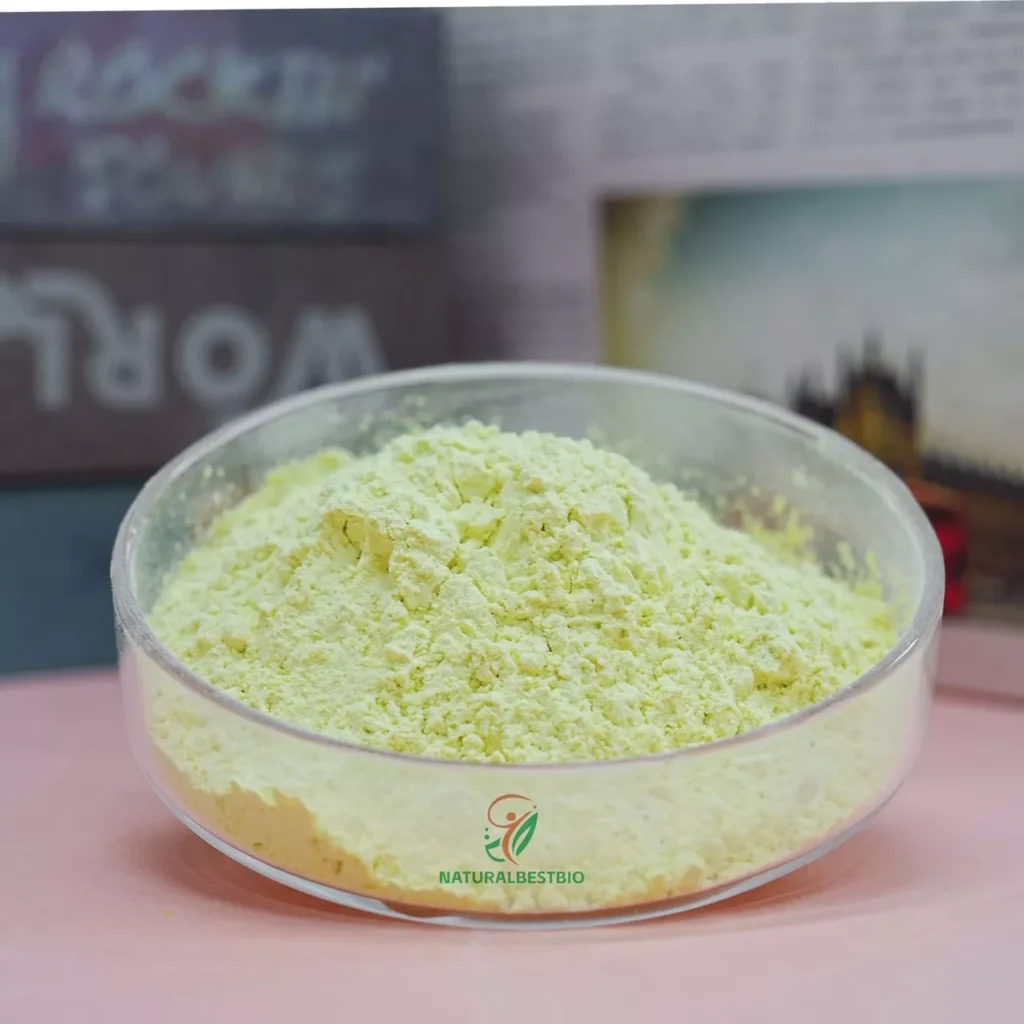
For researchers and manufacturers, selecting a reliable pharmaceutical grade spermidine source is the most critical step for clinical success. As longevity science advances, the demand for high-purity polyamines has grown exponentially. This guide outlines why high-grade materials are essential for safety and reproducibility. For further technical details on clinical standards, you can refer to industry guidelines for pharmaceutical ingredients.
1. Introduction: Why Spermidine Is Gaining Pharmaceutical Attention
If you’ve spent any time reading about longevity, cellular health, or next-generation nutraceuticals, you’ve probably stumbled across spermidine. It’s one of those compounds that seems to come out of nowhere and suddenly everyone—from researchers to supplement brands—is talking about it. But why now? And why is pharmaceutical grade spermidine specifically getting so much attention compared to food-derived or supplement-grade alternatives?
Think of spermidine like a maintenance engineer inside your cells. Over time, cellular “junk” piles up—damaged proteins, worn-out organelles, metabolic waste. Spermidine helps trigger autophagy, the cell’s internal recycling system. Compared to many antioxidants that simply mop up free radicals, spermidine works at a deeper, structural level. It doesn’t just clean the floor; it renovates the house.
What really pushed spermidine into the pharmaceutical spotlight was epidemiological research suggesting that higher dietary intake correlates with longer lifespan and reduced cardiovascular risk. Compared to vitamins or minerals that have been studied for decades, spermidine is relatively new, which makes it both exciting and challenging. Novelty brings opportunity—but also scrutiny.
This is where pharmaceutical grade spermidine enters the conversation. Compared to food-grade or cosmetic-grade materials, pharmaceutical grade spermidine is purer, stronger, safer, and more tightly controlled. For clinical research, prescription formulations, or high-end medical nutrition products, “good enough” simply isn’t good enough anymore.
So let’s unpack what pharmaceutical grade spermidine really is, how it’s made, why quality matters, and where the market is heading. If you’re a researcher, manufacturer, healthcare professional, or simply a curious reader, you’re in the right place.
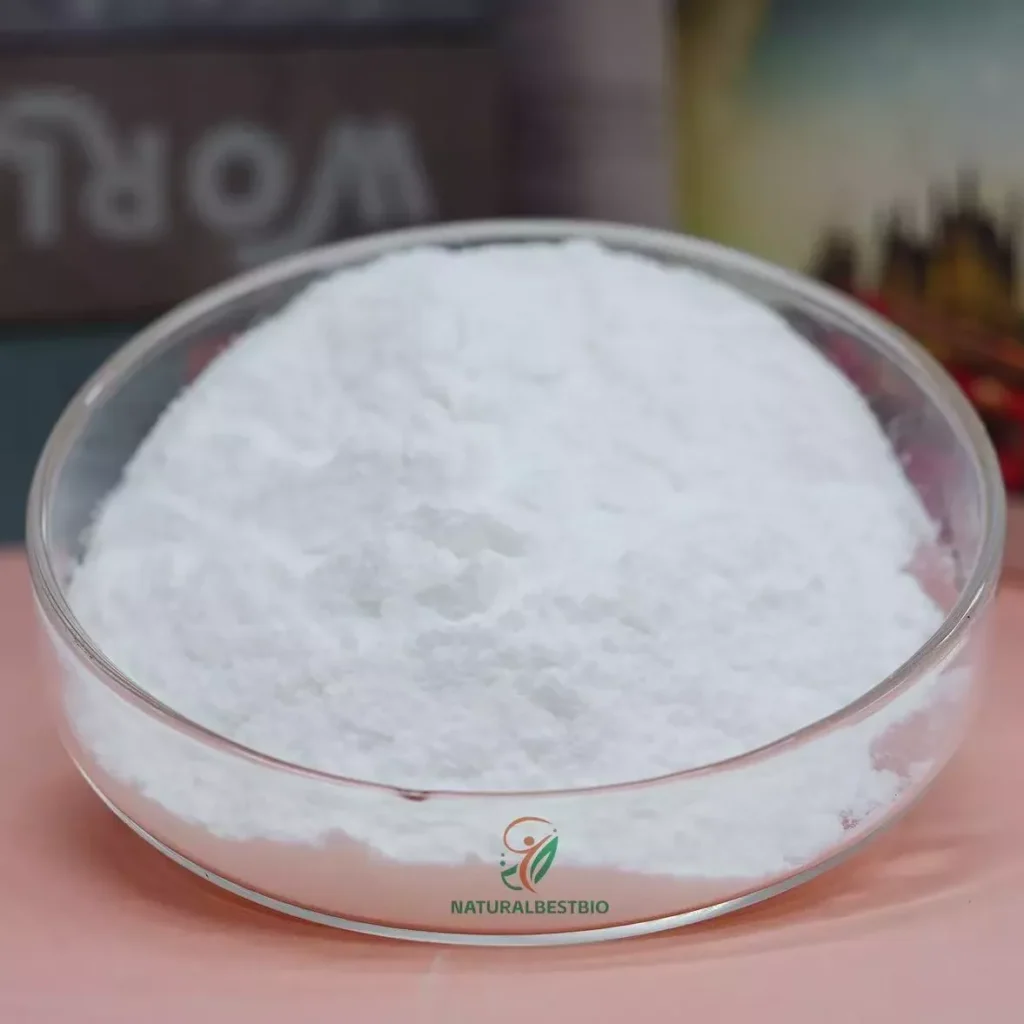
2. What Is Spermidine? A Scientific Overview
At its core, spermidine is a naturally occurring polyamine. Polyamines are small, positively charged molecules that interact with DNA, RNA, and proteins. Compared to larger biomolecules like enzymes or hormones, spermidine is chemically simple—but biologically powerful.
Where Spermidine Comes From
Spermidine is found almost everywhere life exists. Humans produce it endogenously, gut bacteria synthesize it, and many foods contain it naturally.
Common dietary sources include:
- Wheat germ
- Soybeans and fermented soy products
- Aged cheese
- Mushrooms
- Legumes
However, the amount you get from food is highly variable. Compared to a standardized pharmaceutical ingredient, dietary intake is inconsistent, slower to absorb, and harder to dose accurately.
How Spermidine Works in the Body
The real claim to fame of spermidine is its ability to induce autophagy. Autophagy literally means “self-eating,” but don’t let the name scare you. It’s a protective process where cells break down damaged components and recycle them into new building blocks.
Compared to caloric restriction—which also induces autophagy but is hard to maintain—spermidine offers a more practical, gentler, and potentially safer pathway.
Other mechanisms under investigation include:
- Stabilization of DNA and RNA structures
- Modulation of inflammation
- Support for mitochondrial function
- Cardiovascular protection
Compared to compounds like resveratrol, spermidine appears more stable, less prone to rapid degradation, and potentially more effective at lower doses.
3. Defining “Pharmaceutical Grade” Spermidine
So what does “pharmaceutical grade” actually mean? Is it just a marketing buzzword? Not at all.
What Sets Pharmaceutical Grade Spermidine Apart
Pharmaceutical grade spermidine refers to material that meets strict purity, consistency, and safety standards suitable for use in medicines or clinical research.
Compared to food-grade spermidine:
- Purity is higher (often ≥99%)
- Impurities are tightly identified and controlled
- Batch-to-batch consistency is stronger
- Documentation is more comprehensive
Compared to supplement-grade spermidine:
- Testing standards are more rigorous
- Manufacturing controls are stricter
- Traceability is better
- Regulatory acceptance is higher
In simple terms, pharmaceutical grade spermidine is the gold standard. It’s cleaner, stronger, and more reliable—but also more expensive.
Why “Grade” Matters So Much
Imagine building a precision watch. Would you use parts with unknown tolerances? Probably not. In pharmaceuticals, even tiny impurities can cause side effects, stability issues, or regulatory rejection.
Pharmaceutical grade spermidine is designed for:
- Clinical trials
- Prescription drug development
- Advanced medical nutrition
- Regulated healthcare products
Compared to lower grades, it offers better safety margins and faster regulatory pathways.
4. Manufacturing and Quality Control Standards
This is where things get technical—but also fascinating. The journey from raw materials to pharmaceutical grade spermidine is anything but simple.
Production Methods
Pharmaceutical grade spermidine is typically produced through:
- Chemical synthesis, or
- Microbial fermentation followed by purification
Compared to plant extraction, fermentation is often faster, more scalable, and more consistent. Plant sources vary by season, geography, and agricultural practices. Microbial systems, on the other hand, behave more like disciplined factory workers.
Purification and Refinement
After synthesis or fermentation, spermidine undergoes multiple purification steps:
- Filtration
- Chromatography
- Crystallization
Each step removes unwanted byproducts. Compared to supplement-grade processes, pharmaceutical workflows involve more stages, tighter controls, and higher costs.
Quality Control Testing
Every batch is tested for:
- Identity and potency
- Impurities and residual solvents
- Microbial contamination
- Heavy metals
Compared to food-grade testing, pharmaceutical QC is stronger, deeper, and more time-consuming—but that’s exactly the point.
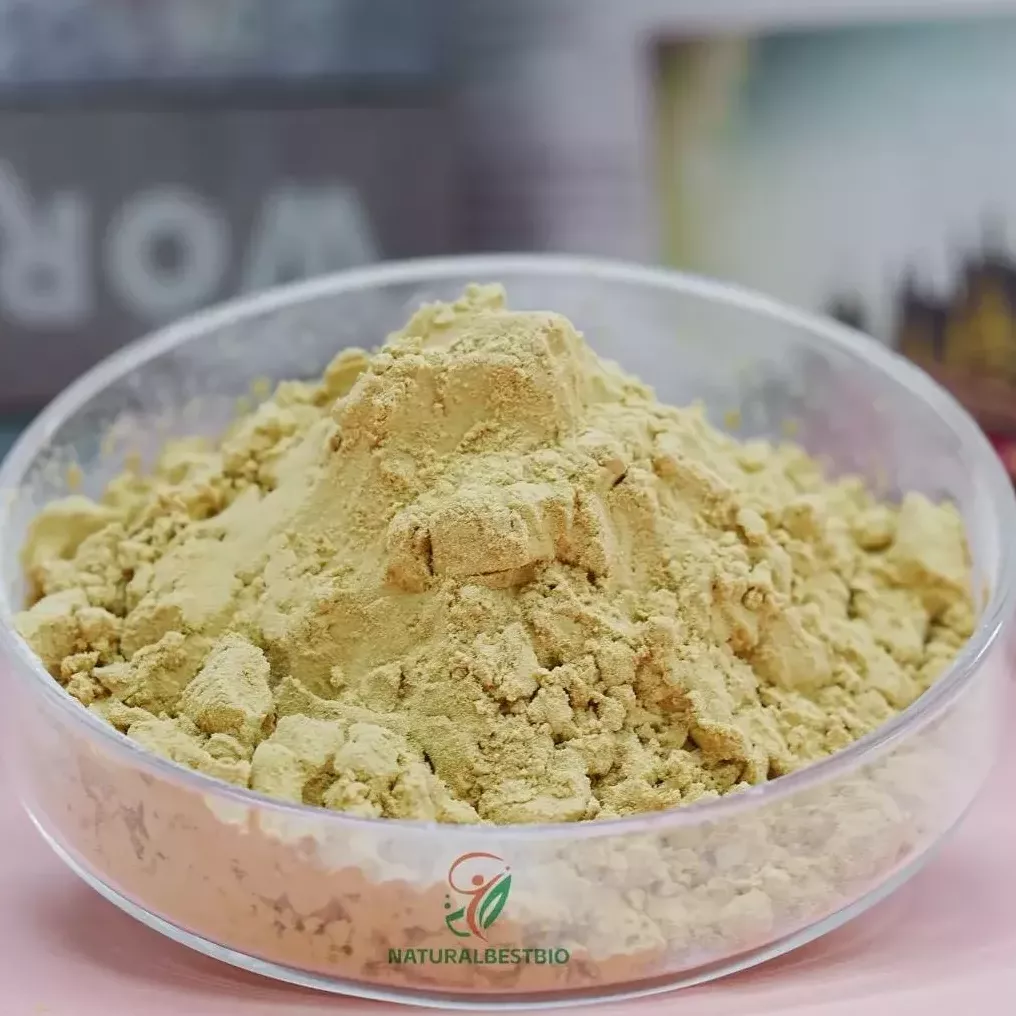
5. Safety, Regulatory, and Compliance Considerations
Safety is where pharmaceutical grade spermidine truly earns its reputation.
Regulatory Frameworks
Depending on the market, pharmaceutical grade spermidine may fall under:
- FDA (United States)
- EMA (European Union)
- PMDA (Japan)
Compared to nutraceutical regulations, pharmaceutical pathways are slower, more expensive, but far more credible.
Safety Profile and Usage Precautions
Current research suggests spermidine is generally well tolerated. However, compared to food-derived intake, concentrated pharmaceutical doses require caution.
Potential considerations include:
- Gastrointestinal discomfort at high doses
- Interactions with certain medications
- Special populations (pregnant individuals, immunocompromised patients)
Pharmaceutical grade material allows better dose control, which is safer compared to unstandardized supplements.
6. Applications of Pharmaceutical Grade Spermidine
So where is all this high-quality spermidine actually used?
Clinical and Therapeutic Research
Researchers favor pharmaceutical grade spermidine because results are:
- More reproducible
- More credible
- Easier to publish and defend
Compared to mixed-grade materials, pharmaceutical grade ingredients reduce experimental noise.
Pharmaceutical and Medical Nutrition Products
Some emerging applications include:
- Longevity-focused therapeutics
- Cardiovascular support formulations
- Neuroprotective research
Compared to general supplements, these applications demand stronger evidence and stricter quality.
7. How to Evaluate a Reliable Pharmaceutical Grade Spermidine Supplier
Not all suppliers are created equal. Choosing the wrong one can cost time, money, and reputation.
Key Evaluation Criteria
Compared to casual ingredient sourcing, pharmaceutical procurement should focus on:
- GMP certification
- Full documentation (COA, DMF, MSDS)
- Transparent manufacturing processes
- Regulatory support experience
A cheaper supplier isn’t always better. In fact, lower prices often mean weaker controls and higher risk.
Comparing Suppliers Effectively
| Evaluation Factor | Strong Supplier | Weak Supplier |
|---|---|---|
| Purity Level | ≥99% | Variable |
| Documentation | Complete & traceable | Incomplete |
| Regulatory Support | Proactive | Minimal |
| Cost | More expensive | Cheaper but risky |
Compared to unreliable vendors, a high-quality supplier saves money in the long run by avoiding recalls, delays, and compliance failures.
8. Market Trends and Future Outlook
The spermidine market is evolving fast.
Current Market Dynamics
Compared to five years ago, demand is:
- Stronger
- Faster-growing
- More research-driven
Pharmaceutical grade spermidine, while more expensive, is gaining share because credibility matters.
Future Outlook
Expect to see:
- More clinical trials
- More regulatory filings
- More pharmaceutical partnerships
Compared to trend-driven supplements, pharmaceutical grade spermidine is positioned for long-term, sustainable growth.
9. Conclusion: Pharmaceutical Grade Spermidine as a Strategic Ingredient
Pharmaceutical grade spermidine isn’t just a purer version of a trendy compound—it’s a strategic investment in quality, safety, and credibility.
Compared to food-grade or supplement-grade options, it’s:
- Better controlled
- Stronger in consistency
- Safer for clinical use
- More expensive—but worth it
As research deepens and regulations tighten, pharmaceutical grade spermidine is likely to become the default choice for serious applications. If spermidine is the engine, pharmaceutical grade quality is the premium fuel that keeps it running smoothly.
10. FAQ
| Question | Answer |
|---|---|
| What makes pharmaceutical grade spermidine different? | It has higher purity, stricter quality control, and better regulatory compliance compared to food or supplement grades. |
| Is pharmaceutical grade spermidine safer? | Generally yes, because impurities and contaminants are more tightly controlled. |
| Is it more expensive? | Yes, it is more expensive compared to lower grades, but offers better consistency and safety. |
| Who should use pharmaceutical grade spermidine? | Researchers, pharmaceutical companies, and regulated medical product manufacturers. |
| Can consumers use it directly? | Typically no; it is intended for professional and clinical applications. |
Related ingredient pages
For buyer evaluation, compare this guide with the closest Nutrition BioTech ingredient pages and application context.