
Introduction: Rising Demand for High-Purity Dihydromyricetin
If you’ve been paying attention to the nutraceutical, pharmaceutical, or functional food markets lately, you’ve probably noticed one ingredient quietly stealing the spotlight: Dihydromyricetin 98%. Often abbreviated as DHM, this flavonoid has gone from being a niche botanical compound to a globally traded, high-value raw material. And the demand? It’s accelerating faster than many comparable plant extracts.
Why the sudden interest? Compared to lower-purity botanical extracts, high-purity dihydromyricetin 98% delivers stronger functionality, better consistency, and faster formulation results. Manufacturers want fewer impurities. Brands want cleaner labels. Consumers want products that work—and work better.
In wholesale markets, purity isn’t just a technical specification. It’s a commercial advantage. Compared to 30%, 50%, or even 70% DHM products, 98% dihydromyricetin offers higher potency, lighter dosage requirements, and more predictable outcomes. That’s why buyers across supplements, beverages, cosmetics, and pharmaceuticals are actively sourcing wholesale dihydromyricetin 98% instead of settling for lower grades.
Think of it like buying fuel. Sure, regular gas gets you moving. But premium fuel? It runs cleaner, burns more efficiently, and performs better over time. That’s exactly how the market views high-purity DHM today.
What Is Dihydromyricetin 98%?
At its core, dihydromyricetin is a naturally occurring flavonoid primarily extracted from Ampelopsis grossedentata, commonly known as vine tea. While DHM exists in nature alongside dozens of other plant compounds, 98% dihydromyricetin refers to an ultra-refined extract where DHM is the dominant active ingredient.
Understanding the “98%” Label
Let’s be clear: not all DHM is created equal.
Compared to crude plant powders or low-concentration extracts, Dihydromyricetin 98% contains significantly fewer residual flavonoids, tannins, solvents, and plant fibers. This higher purity translates into:
- Stronger bioactivity
- More predictable dosing
- Better solubility and formulation performance
- Lower risk of unwanted side effects
Compared to 50% or 70% DHM, the 98% version is lighter in excipients, stronger per gram, and more efficient in bulk applications. That efficiency is precisely why wholesale buyers gravitate toward it.
Chemical and Physical Characteristics
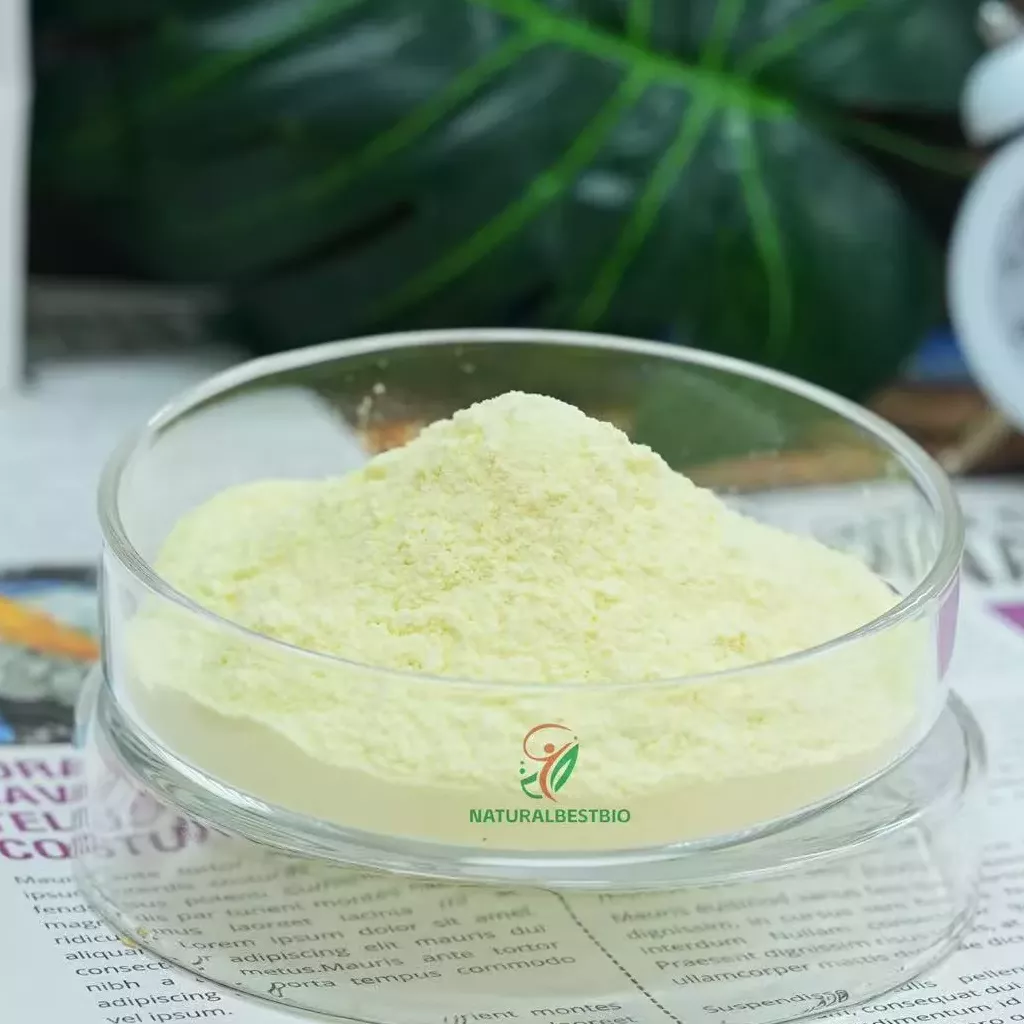
From a technical standpoint, Dihydromyricetin 98% typically appears as a light yellow to off-white crystalline powder, odorless or with a very mild botanical scent. Compared to darker, lower-grade extracts, the lighter color indicates fewer impurities and better refinement.
Key Functional Benefits of Dihydromyricetin 98%
So why all the excitement? Why is dihydromyricetin 98% considered better, stronger, and faster-acting compared to alternative flavonoids?
Enhanced Bioactivity Compared to Lower-Purity DHM
Higher purity means higher biological efficiency. Compared to low-grade DHM, 98% purity allows the compound to interact more directly with metabolic and neurological pathways. That’s why formulators report faster noticeable effects and lower required dosages.
Better Stability and Absorption
Compared to polyphenols that degrade easily, DHM is relatively stable. At 98% purity, stability improves even further because fewer reactive compounds are present. This makes it better suited for capsules, powders, beverages, and even effervescent products.
Subjective Advantages and Usage Considerations
Users often describe products containing high-purity DHM as:
- Faster-acting
- Cleaner-feeling
- Less likely to cause gastrointestinal discomfort
However, compared to lower-dose blends, 98% DHM requires careful formulation. Higher potency means dosage precision matters more. This is an advantage—but also a responsibility for manufacturers.
Why Choose 98% Purity for Wholesale Supply?
From a wholesale perspective, choosing Dihydromyricetin 98% is not just about chemistry—it’s about economics, logistics, and brand positioning.
Cost Efficiency Compared to Lower Grades
At first glance, 98% DHM appears more expensive per kilogram. But here’s the twist: it’s often less expensive per finished dose.
Compared to 50% DHM:
- You need less raw material
- You reduce filler usage
- You simplify formulation steps
In other words, higher purity = lower total cost of use.
Better Compatibility with Global Regulations
Compared to impure extracts, 98% DHM is easier to document, standardize, and register. That matters when exporting to regions with strict compliance requirements like the EU, Japan, or North America.
Applications Across Global Industries
One reason wholesale dihydromyricetin 98% demand keeps rising is its versatility.
Dietary Supplements
Compared to synthetic alternatives, DHM is plant-derived, which makes it more appealing to clean-label brands. Capsules, tablets, and powdered stick packs benefit from its strength and stability.
Functional Beverages and Foods
Compared to bitter flavonoids, DHM is lighter in taste, making it easier to incorporate into beverages without heavy masking agents.
Pharmaceutical and Clinical Research
High-purity DHM allows researchers to control variables more precisely, which is impossible with mixed botanical extracts.
Cosmetics and Topicals
Compared to unstable antioxidants, DHM is stronger and longer-lasting, particularly in anti-aging and calming formulations.
Wholesale Dihydromyricetin 98% Manufacturing Process
Understanding how DHM 98% is made helps buyers assess quality.
Extraction Compared to Traditional Methods
Modern manufacturers use advanced solvent extraction and membrane filtration, which is cleaner and faster compared to traditional boiling or maceration.
Purification and Crystallization
Multiple purification steps remove unwanted compounds. Compared to single-pass processes, multi-stage purification produces a lighter, purer, and more consistent product.
Quality Standards and Certifications to Look For
When sourcing wholesale dihydromyricetin 98%, certifications matter more than marketing claims.
Key Standards to Expect
- GMP (Good Manufacturing Practice)
- ISO 9001 / ISO 22000
- COA with HPLC purity verification
Compared to uncertified suppliers, certified manufacturers offer stronger traceability, better safety, and lower compliance risk.
Packaging, Storage, and Shelf Life Considerations
Even the best DHM can degrade if mishandled.
Packaging That Protects Potency
Compared to paper or thin plastic, foil-lined, vacuum-sealed packaging offers better moisture and oxygen protection.
Storage Conditions
DHM 98% performs best when stored in:
- Cool temperatures
- Dry environments
- Away from direct light
Under proper conditions, shelf life is 24–36 months, which is longer compared to less refined extracts.
How to Select a Reliable Wholesale Dihydromyricetin Supplier
Choosing the right supplier is like choosing a long-term business partner—you want reliability, not surprises.
Key Evaluation Criteria
Compared to traders, direct manufacturers offer better pricing, faster response times, and stronger quality control.
Ask yourself:
- Do they provide batch-specific COAs?
- Can they scale supply?
- Do they understand your application?
The best suppliers don’t just sell DHM—they support your success.
Market Trends and Future Outlook for Dihydromyricetin 98%
Compared to many trending ingredients that fade quickly, DHM shows long-term staying power.
Why the Market Is Growing
- Rising demand for plant-based actives
- Increased focus on functional wellness
- Stronger clinical interest
Compared to generic antioxidants, DHM offers more targeted benefits, which positions it well for future growth.
Conclusion
Wholesale Dihydromyricetin 98% is more than a raw material—it’s a strategic ingredient. Compared to lower-purity alternatives, it is stronger, cleaner, more efficient, and more future-proof.
For brands and formulators willing to invest in quality, DHM 98% offers a clear path to differentiation, performance, and trust.
FAQ
| Question | Answer |
|---|---|
| What does 98% purity mean in dihydromyricetin? | It means 98% of the material is active DHM, verified by analytical testing, compared to lower-grade extracts with fillers. |
| Is Dihydromyricetin 98% better than 50% DHM? | Yes, it is stronger, more efficient, and often more cost-effective per dose compared to lower-purity options. |
| Who should use high-purity DHM? | Supplement brands, beverage formulators, pharmaceutical researchers, and cosmetic manufacturers benefit most. |
| Are there side effects? | At appropriate doses, DHM is generally well tolerated. Higher purity requires accurate formulation to avoid overuse. |
| What certifications should a supplier have? | GMP, ISO, and third-party COA testing are essential for wholesale reliability. |
Related ingredient pages
For buyer evaluation, compare this guide with the closest Nutrition BioTech ingredient pages and application context.