
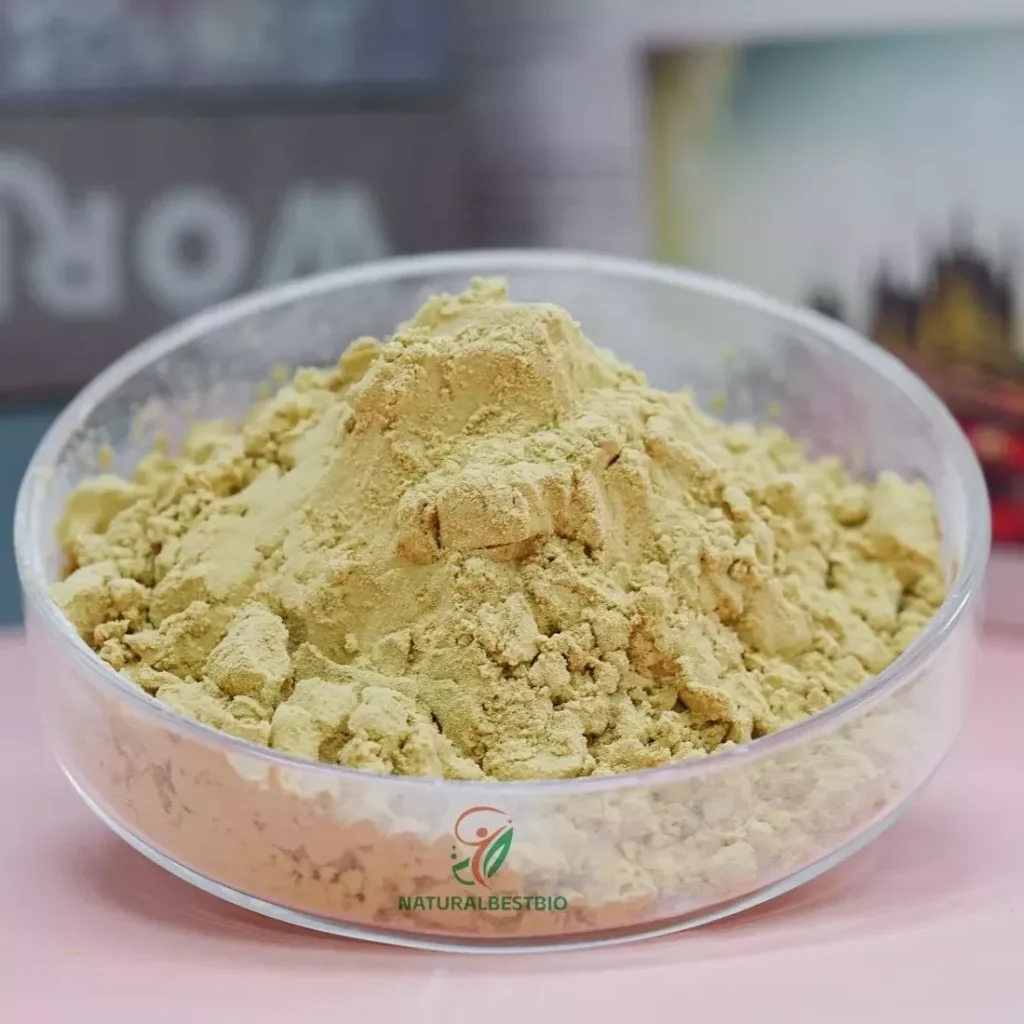
Let’s be honest—if you’ve been researching NAD+ powder suppliers, you’re probably not here for fluff. You want clarity. You want to know which suppliers are worth your time (and money), which ones might quietly ruin your product, and how to make smarter sourcing decisions in a market that’s growing faster than most people can keep up with.
NAD+ (Nicotinamide Adenine Dinucleotide) isn’t just another supplement ingredient—it’s a highly sensitive, biologically active molecule that behaves very differently compared to more stable compounds like vitamin C or creatine. And that changes everything when it comes to sourcing.
So let’s dive in.
1. The Anatomy of NAD+ Instability: Why This Molecule is Different
Imagine trying to transport ice cream across a desert without refrigeration. That’s what working with NAD+ can feel like.
Why NAD+ Is So Fragile
NAD+ is inherently unstable compared to many other nutraceutical compounds. It’s sensitive to:
- Heat
- Moisture
- Light exposure
- pH changes
- Improper storage conditions
Compared to more stable molecules, NAD+ degrades faster, loses potency sooner, and requires significantly stricter handling protocols.
What Happens When NAD+ Breaks Down?
When NAD+ degrades, it doesn’t just “weaken”—it transforms into:
- Nicotinamide (NAM)
- Other inactive or less effective byproducts
This means your final product might:
- Deliver less benefit
- Become less effective compared to competitors
- Damage your brand reputation
Stability Comparison Overview
| Compound Type | Stability Level | Handling Difficulty | Shelf Life |
|---|---|---|---|
| Vitamin C | Moderate | Easy | Long |
| Creatine | High | Very Easy | Very Long |
| NAD+ Powder | Low | Complex | Shorter |
Compared to traditional supplements, NAD+ is more delicate, more demanding, and less forgiving.
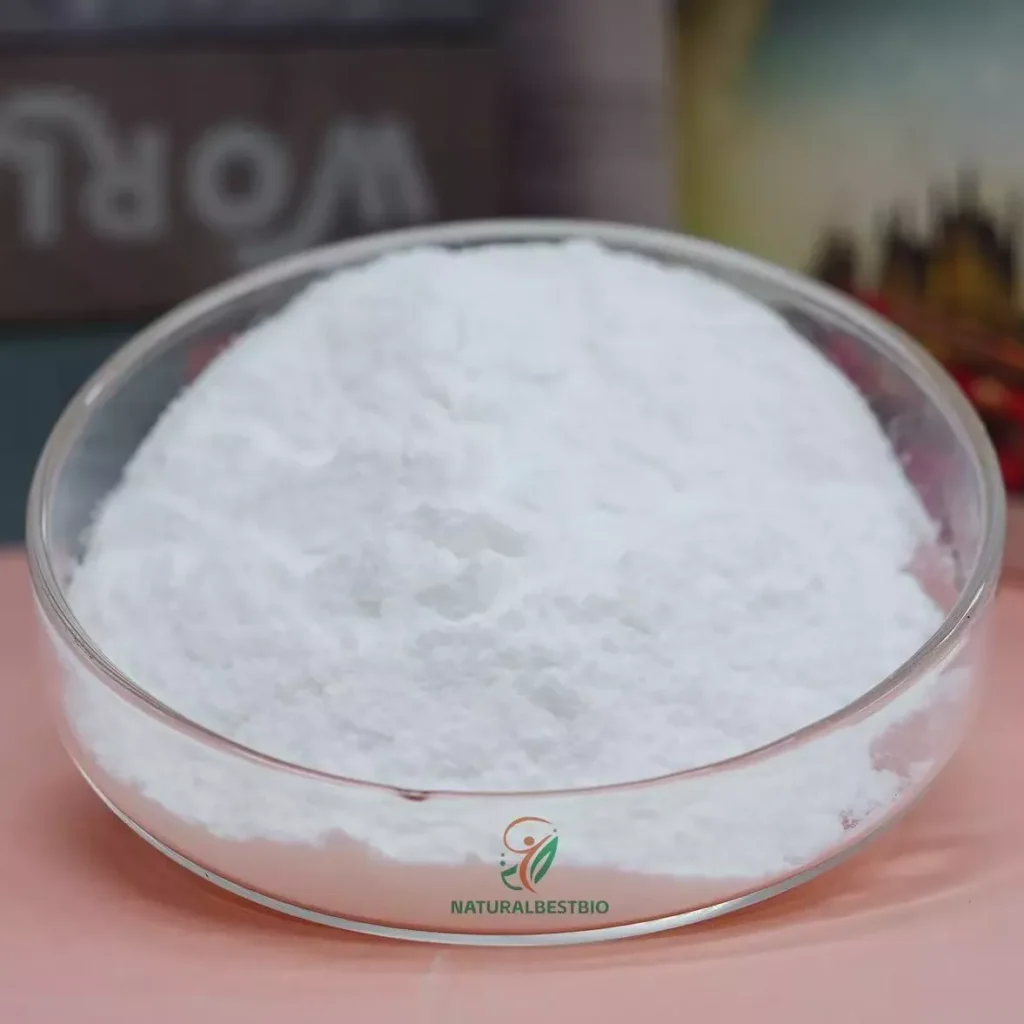
2. The “Hidden” Costs of Low-Quality NAD+ Powder
At first glance, a cheaper supplier might seem like a win. Lower cost = higher margins, right?
Not so fast.
The Illusion of “Cheap” NAD+
Low-cost NAD+ powder is often:
- Less pure
- Improperly stored
- Poorly tested
- Already partially degraded
Compared to premium-grade NAD+, cheaper alternatives might be:
- Less effective
- Less stable
- More risky
Real Costs You Don’t See Upfront
| Hidden Cost Factor | Impact on Business | Long-Term Effect |
|---|---|---|
| Degraded potency | Lower product effectiveness | Customer dissatisfaction |
| Batch inconsistency | Unpredictable results | Brand trust erosion |
| Regulatory issues | Compliance failures | Legal risks |
| Returns & complaints | Increased overhead | Profit loss |
A Simple Analogy
Buying low-quality NAD+ is like buying a cheaper engine for a luxury car. Sure, you save upfront—but performance suffers, breakdowns happen faster, and repairs cost more in the long run.
Who Is Most at Risk?
- Startups trying to cut costs
- Brands scaling too quickly
- Companies without strong QC teams
3. The 4 Pillars of a Quality-Controlled NAD+ Supply Chain
If NAD+ is fragile, then your supply chain needs to be stronger, smarter, and more controlled.
Let’s break it down.
Raw Material Integrity
This is where everything begins.
High-quality NAD+ powder should be:
- ≥ 98% purity (preferably higher)
- Manufactured under GMP conditions
- Free from contaminants
Compared to lower-tier suppliers, premium manufacturers:
- Use better synthesis processes
- Maintain stricter quality benchmarks
- Deliver more consistent results
Advanced Manufacturing Processes
Not all manufacturing is equal.
Key differences:
| Factor | High-End Supplier | Low-End Supplier |
|---|---|---|
| Technology | Advanced | Basic |
| Process control | Tight | Loose |
| Contamination risk | Low | Higher |
Better manufacturing = stronger stability, cleaner product, and longer shelf life.
Cold Chain Logistics
Here’s where many suppliers fail.
NAD+ should ideally be:
- Stored at controlled temperatures
- Shipped under cold-chain conditions
- Protected from humidity
Compared to standard shipping:
- Cold-chain logistics are more expensive
- But they preserve product integrity better
Third-Party Testing & Transparency
A reliable supplier should provide:
- COA (Certificate of Analysis)
- Stability data
- Batch testing reports
Transparency = trust
If a supplier hesitates to share this data, that’s a warning sign.
4. Red Flags: How to Spot a High-Risk NAD+ Supplier
Let’s flip the script.
Instead of asking “Who’s the best supplier?”, ask:
“Who should I avoid?”
Major Warning Signs
❌ Unrealistically Low Prices
If it’s significantly cheaper than the market average, something’s off.
❌ Lack of Documentation
No COA? No stability data? Walk away.
❌ Poor Communication
Slow responses = poor support down the line.
❌ No Cold Chain Mention
If they don’t talk about storage and shipping conditions, they probably don’t prioritize them.
❌ Inconsistent Batches
If quality varies, your product consistency suffers.
Supplier Risk Comparison
| Supplier Type | Price | Quality | Risk Level |
|---|---|---|---|
| Premium Supplier | Higher | Stronger | Low |
| Mid-Tier Supplier | Moderate | متوسط | Medium |
| Low-Cost Supplier | Cheaper | Weaker | High |
Compared to cheaper suppliers, premium ones are more reliable, more stable, and safer long-term.
5. The Business Case: QC as a Marketing Advantage
Here’s something many brands overlook:
Quality control isn’t just a cost—it’s a marketing weapon.
Why QC Matters to Customers
Modern consumers are:
- More informed
- More skeptical
- More focused on quality
If you can prove:
- Better purity
- Better stability
- Better sourcing
You instantly stand out.
How to Turn QC Into a Competitive Edge
| Strategy | Result |
|---|---|
| Highlight third-party testing | Builds trust |
| Share sourcing transparency | Enhances credibility |
| Emphasize stability | Differentiates product |
Real-World Comparison
Compared to competitors using generic NAD+:
- Your product becomes stronger in branding
- More premium-positioned
- Easier to justify higher pricing
Is It Worth the Extra Cost?
Short answer: Yes.
Long answer:
- Higher upfront cost
- Lower long-term risk
- Better customer retention
6. Conclusion
Choosing an NAD+ powder supplier isn’t just a purchasing decision—it’s a strategic partnership.
Think of it like this:
Would you build a house on unstable ground?
Probably not.
Then why build your product on unstable raw materials?
What to Look For in a Supplier
- Strong quality control systems
- Transparent testing practices
- Proven logistics capabilities
- Consistent product quality
Final Thought
The best NAD+ supplier isn’t necessarily the cheapest or the fastest.
It’s the one that helps you:
- Build a better product
- Create stronger trust
- Grow a more sustainable business
7. FAQ
| Question | Answer |
|---|---|
| What is NAD+ powder used for? | NAD+ powder is commonly used in supplements aimed at supporting cellular energy, anti-aging, and metabolic health. |
| Why is NAD+ so expensive compared to other supplements? | Because it is more complex to manufacture, less stable, and requires stricter storage conditions compared to simpler compounds. |
| How can I verify a supplier’s quality? | Request COAs, third-party lab reports, and stability data. Reliable suppliers will provide these without hesitation. |
| Is cheaper NAD+ powder always lower quality? | Not always, but compared to premium options, cheaper versions are often less pure, less stable, and more risky. |
| What storage conditions are required for NAD+ powder? | Ideally cool, dry, and protected from light—cold chain storage is often preferred for maximum stability. |
| Who should use NAD+ supplements? | Typically adults interested in energy support, aging health, and cellular function. However, medical consultation is recommended. |
| Are there side effects? | Some users may experience mild effects like nausea or flushing, especially at higher doses. Always follow dosage guidelines. |
| How does NAD+ compare to NMN or NR? | NAD+ is the direct molecule, while NMN and NR are precursors. Compared to NAD+, precursors may be more stable but require conversion in the body. |
| What industries use NAD+ powder suppliers? | Nutraceuticals, pharmaceuticals, research labs, and wellness brands. |
| What is the biggest risk when choosing a supplier? | Inconsistent quality and degraded product, which can harm both your product performance and brand reputation. |