
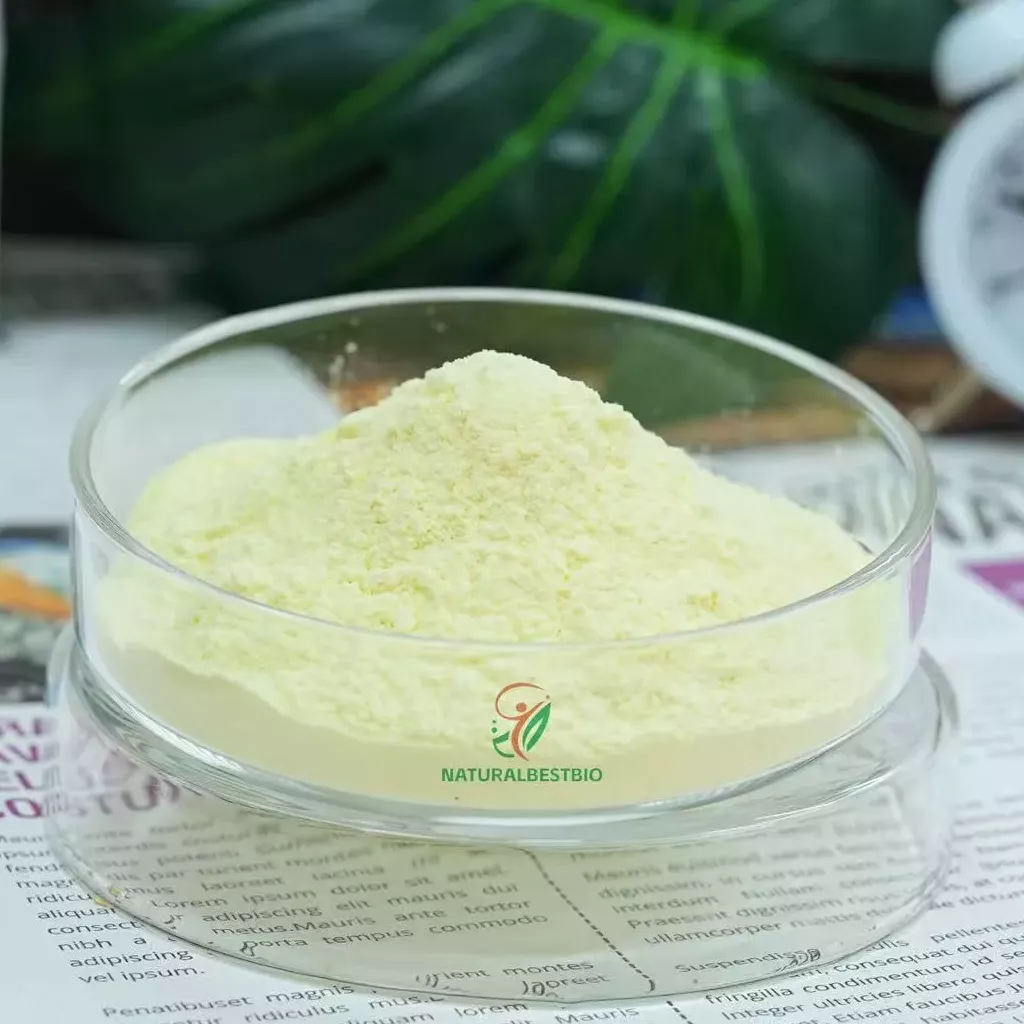
When you step into the world of wholesale Magnesium Acetyl-Taurate, things can feel a bit like walking into a lab where everything is labeled in a language you almost understand. You see certifications, purity claims, pricing tiers, and supply promises—but what actually matters?
Let’s break it down together. Not in a stiff, textbook way—but like two professionals sitting down, comparing notes, and figuring out how to make better, smarter, and more profitable decisions.
The First Filter: Decoding the “Alphabet Soup” of Certifications in Wholesale Magnesium Acetyl-Taurate
Let’s be honest—certifications can feel like alphabet soup: GMP, ISO, COA, NSF, HACCP… it’s easy to assume more letters = better product. But is that really true?
Why Certifications Matter (But Not Equally)
Think of certifications as passports. Some open doors globally, others barely get you through the airport.
Here’s how they compare:
| Certification | What It Means | Strength | Weakness |
|---|---|---|---|
| GMP (Good Manufacturing Practice) | Ensures consistent production quality | Strong baseline standard | Doesn’t guarantee innovation or stability |
| ISO 9001 | Quality management system | Globally recognized | Broad, not ingredient-specific |
| COA (Certificate of Analysis) | Lab-tested batch verification | Highly specific | Only reflects one batch |
| NSF Certification | Public health and safety compliance | Strong credibility | More expensive to maintain |
Compared to uncertified suppliers, certified manufacturers are safer, more consistent, and more reliable.
But compared to high-end certified + audited suppliers, basic certification alone is not enough.
The Hidden Truth About Certifications
Here’s the uncomfortable truth:
A supplier can have all the certifications and still deliver a product that’s:
- Less stable
- Slightly degraded
- Not optimized for absorption
So what’s missing?
Context.
Certifications tell you how something was made—not necessarily how well it performs.
The “Invisible” Variable: Stability and Degradation in Magnesium Acetyl-Taurate Bulk Supply
Now we’re getting into the real game-changer.
You could buy the cheapest Magnesium Acetyl-Taurate on the market—but what if it’s already degrading before it even reaches your warehouse?
Why Stability Is Everything
Magnesium Acetyl-Taurate is valued for its neuroprotective and cognitive support properties. But those benefits depend on molecular integrity.
If the compound degrades:
- Potency drops
- Effectiveness weakens
- Customer satisfaction declines
It’s like buying fresh fruit vs slightly spoiled fruit. Both look fine—but one delivers real value.
Factors That Affect Stability
Let’s compare stable vs unstable supply:
| Factor | Stable Product | Unstable Product |
|---|---|---|
| Storage conditions | Controlled humidity & temperature | Poor environmental control |
| Packaging | Airtight, UV-protected | Basic plastic bags |
| Shelf life | Longer (24–36 months) | Shorter (12–18 months) |
| Potency over time | Stronger retention | Faster degradation |
Compared to standard magnesium compounds, Magnesium Acetyl-Taurate is more sensitive but potentially more effective—making stability even more critical.
The Real Cost of Instability
Cheap product + degradation = hidden loss.
- Returns increase
- Brand trust decreases
- Reformulation costs rise
So is it really cheaper?
Not even close.
Supply Chain Agility: The “Plan B” Factor in Wholesale Magnesium Acetyl-Taurate
Let me ask you something:
What happens if your supplier suddenly can’t deliver?
If your answer is “we’ll figure it out,” you’re already at risk.
Why Supply Chain Flexibility Matters
A strong supplier doesn’t just deliver product—they deliver certainty.
Compared to rigid suppliers, agile ones are:
- Faster in responding to demand spikes
- Better at handling raw material shortages
- Stronger in logistics coordination
Key Indicators of Supply Chain Strength
| Indicator | Agile Supplier | Weak Supplier |
|---|---|---|
| Backup manufacturing sites | Yes | No |
| Raw material sourcing | Multiple channels | Single source |
| Lead time consistency | Predictable | Fluctuating |
| Crisis response | Proactive | Reactive |
The “Plan B” Mindset
Think of your supplier like a co-pilot.
Would you rather have someone who says:
“We’ve got three backup routes”
Or someone who says:
“Let’s hope the weather stays clear”?
Exactly.
The Operational Audit: Red Flags and Green Lights in Magnesium Acetyl-Taurate Suppliers
This is where you separate the professionals from the pretenders.
Red Flags You Should Never Ignore
- Vague answers about sourcing
- No batch traceability
- Pricing that seems too good to be true
- Delayed communication
These are warning signs that scream:
“Problems ahead.”
Green Lights That Signal Reliability
- Transparent documentation
- Willingness to share test results
- Clear logistics timelines
- Strong customer support
Quick Comparison: Good vs Bad Supplier
| Aspect | Reliable Supplier | Risky Supplier |
|---|---|---|
| Communication | Fast and clear | Slow and vague |
| Documentation | Detailed | Minimal |
| Pricing | Competitive but realistic | Extremely cheap |
| Quality consistency | High | Variable |
Compared to unreliable vendors, good suppliers are more expensive upfront but far cheaper long-term.
Case Study: The Hidden Cost of “Cheap” NAD+ (And Why It Applies to Magnesium Acetyl-Taurate)
Let’s tell a quick story.
A supplement company once chose a cheaper NAD+ supplier to cut costs.
At first? Everything looked great.
Then:
- Product complaints increased
- Lab tests showed reduced potency
- They had to recall batches
The “cheap” option ended up costing them 3x more.
What This Teaches Us
Even though this example is NAD+, the lesson applies directly to Magnesium Acetyl-Taurate wholesale purchasing.
Cheaper raw materials often mean:
- Lower stability
- Higher degradation
- Increased risk
Cost Comparison Breakdown
| Cost Type | Cheap Supplier | Premium Supplier |
|---|---|---|
| Initial cost | Lower | Higher |
| Quality control | Weak | Strong |
| Risk of loss | High | Low |
| Long-term ROI | Poor | Better |
So which one is really cheaper?
You already know the answer.
The Final Checklist: A 5-Point Framework for Bulk Buyers of Magnesium Acetyl-Taurate
Before you sign any contract, run through this mental checklist.
1. Certification Depth (Not Just Quantity)
Are the certifications meaningful—or just decorative?
2. Stability Assurance
Do they provide data on shelf life and degradation?
3. Supply Chain Strength
Do they have a Plan B?
4. Transparency Level
Are they open—or evasive?
5. Total Cost (Not Just Price)
What are you really paying over time?
Quick Evaluation Table for Buyers
| Criteria | Question to Ask | Ideal Answer |
|---|---|---|
| Certifications | Are they relevant? | Yes, industry-specific |
| Stability | Is data provided? | Yes, detailed |
| Supply chain | Are backups available? | Yes |
| Transparency | Can they prove claims? | Absolutely |
| Cost | Is it sustainable? | Yes |
Conclusion
Here’s the bottom line:
Buying wholesale Magnesium Acetyl-Taurate isn’t just about price—it’s about trust, performance, and long-term value.
The best suppliers?
They don’t just sell you a product.
They become part of your growth strategy.
So next time you’re comparing options, ask yourself:
Am I buying a product…
or building a partnership?
Because the difference?
It’s everything.
FAQ
| Question | Answer |
|---|---|
| What is Magnesium Acetyl-Taurate used for? | It’s commonly used for cognitive support, cardiovascular health, and nervous system balance. |
| Is it better than other magnesium forms? | Compared to magnesium oxide, it’s more bioavailable and potentially more effective for brain health. |
| What are the side effects? | Generally mild—may include digestive discomfort in high doses. |
| Who should use it? | Adults seeking cognitive or neurological support, but always consult a healthcare provider. |
| How should it be stored? | In a cool, dry place with airtight packaging to maintain stability. |
| Why is wholesale pricing so variable? | Differences in purity, stability, certifications, and supply chain strength affect cost. |
| Is cheaper Magnesium Acetyl-Taurate worse? | Often yes—compared to premium options, it may be less stable and less effective. |
| How do I verify quality? | Request COA, third-party testing, and supplier transparency. |