1. Introduction: The Growing Demand for NAD+ Supplements
Ever wondered why some people seem to age slower, recover faster, and have boundless energy while others feel constantly drained? The answer might lie in one powerful molecule — NAD+ (Nicotinamide Adenine Dinucleotide).
NAD+ is a vital coenzyme found in every cell of the human body. It plays a key role in cellular energy production, DNA repair, and overall cell health. Think of it as your body’s internal spark plug — without it, your cells can’t efficiently turn nutrients into energy.
As we age, our NAD+ levels decline dramatically, leading to slower metabolism, fatigue, cognitive decline, and even accelerated aging. That’s why NAD+ supplements have exploded in popularity — people are looking to restore energy, boost longevity, and support cellular repair naturally.
In recent years, NAD+ powder has become the go-to form for supplement manufacturers, cosmetic formulators, and pharmaceutical companies. Its flexibility allows it to be used in capsules, functional drinks, skincare serums, and injectable formulations.
However, here’s the challenge: not all NAD+ powder suppliers are created equal. While some provide pharmaceutical-grade NAD+ with purity levels above 99%, others sell unstable or contaminated versions that degrade before reaching consumers. This makes supplier selection one of the most critical factors for companies in the wellness and pharmaceutical industries.
2. Understanding NAD+ Powder: Quality Matters
If you’re exploring NAD+ for your brand or product line, it’s essential to understand what makes high-quality NAD+ powder stand out.
What Is NAD+ Powder, Exactly?
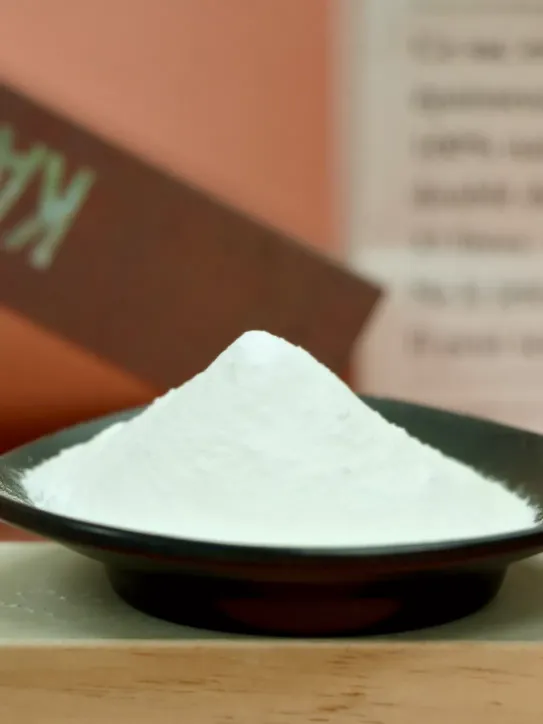
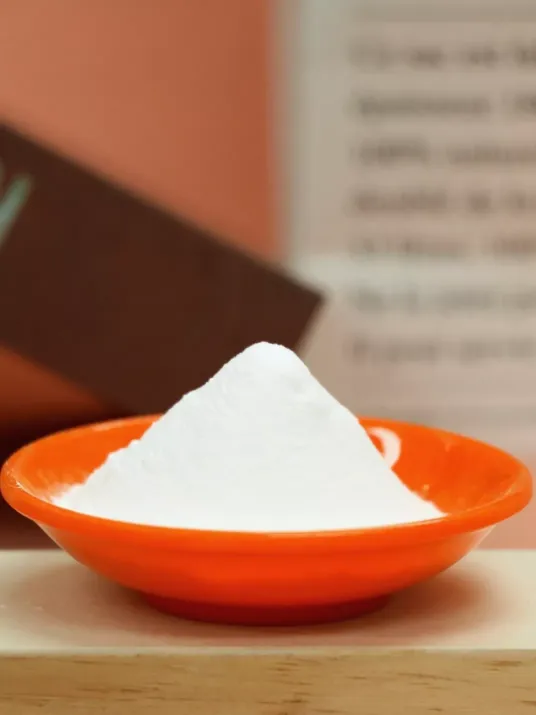
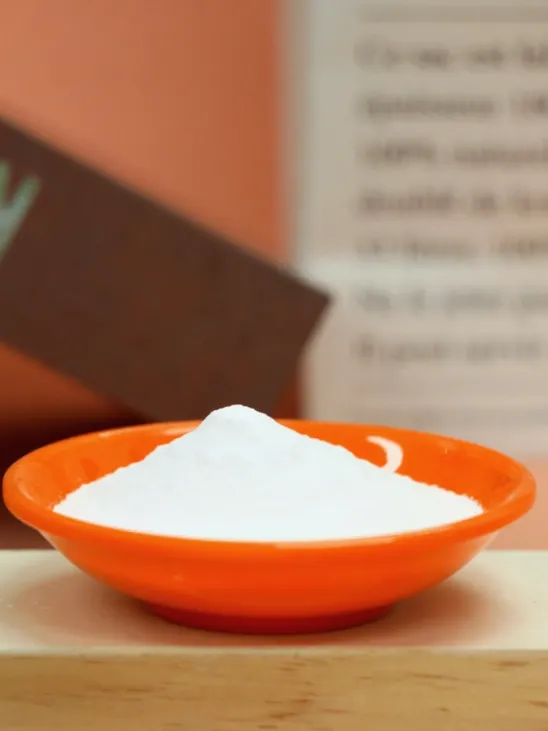
In simple terms, NAD+ powder is the solid, purified form of Nicotinamide Adenine Dinucleotide. It’s typically extracted and crystallized to achieve varying levels of purity and stability. When reconstituted in liquid or encapsulated in supplement form, it serves as a direct precursor to cellular NAD+ activity.
Purity, Stability, and Bioavailability
Let’s break down these three pillars of NAD+ powder quality:
| Quality Factor | Description | Why It Matters |
|---|---|---|
| Purity | Indicates the amount of pure NAD+ in the product, often ≥98% or ≥99%. | Higher purity means fewer contaminants and better effectiveness. |
| Stability | Refers to how well NAD+ resists degradation over time. | Unstable NAD+ loses potency quickly, especially when exposed to heat or moisture. |
| Bioavailability | How easily your body absorbs and utilizes NAD+. | Better bioavailability means faster, more noticeable results. |
High-purity NAD+ powder is usually produced using pharmaceutical-grade techniques under Good Manufacturing Practice (GMP) and ISO-certified conditions. It’s the kind of product you’ll find in premium nutraceuticals or advanced anti-aging formulations.
Purity Grades and Their Implications
When sourcing NAD+, you’ll often encounter labels like “≥98% purity” or “≥99% purity.” While both sound impressive, that 1% difference can have a major impact. A 99% pure NAD+ powder is typically better for clinical or injectable applications, whereas 98% may be sufficient for dietary supplements or topical cosmetics.
Storage and Handling: The Silent Quality Killer
Even the best NAD+ powder can become ineffective if it’s not stored properly. The compound is sensitive to light, humidity, and temperature.
Proper storage involves:
- Keeping it in airtight, opaque containers
- Storing at cool temperatures (below 4°C)
- Avoiding prolonged exposure to air
Manufacturing Process and Raw Material Sourcing
The manufacturing process can dramatically affect the product’s stability and bioavailability. Reputable NAD+ suppliers use fermentation-based synthesis or enzymatic conversion methods that minimize impurities. Moreover, the raw materials — such as nicotinamide and ribose derivatives — must come from traceable, high-quality sources.
3. Key Factors to Consider When Choosing a NAD+ Powder Supplier
Choosing the right NAD+ powder supplier is a decision that can make or break your product’s success. Below is a practical buyer’s checklist — your roadmap to finding a trusted partner.
1. Product Quality & Certification
Never compromise on certifications. A professional supplier should provide:
- GMP (Good Manufacturing Practice) certification
- ISO 9001 or 22000 for quality management
- COA (Certificate of Analysis) verifying batch purity
- MSDS (Material Safety Data Sheet) for handling and safety information
These documents prove the NAD+ powder has undergone proper testing and compliance checks. A supplier without them? Big red flag.
2. Supply Chain Transparency
A transparent supplier will disclose where their NAD+ is made, how it’s processed, and the source of their raw materials. This traceability helps ensure consistency and accountability.
Many companies now request audits or virtual inspections of supplier facilities to verify their operations. Suppliers that resist such requests may have something to hide.
3. Testing & Documentation
Third-party testing isn’t optional — it’s essential. Look for suppliers who:
- Conduct independent lab testing
- Provide batch traceability
- Offer real-time quality control updates
You want to see independent validation that the NAD+ is pure, stable, and contamination-free.
4. MOQ & Lead Time
MOQ (Minimum Order Quantity) and lead time flexibility can be a deal-breaker, especially for startups or R&D labs.
- Research companies may prefer smaller MOQ (100g–500g).
- Bulk manufacturers often order kilograms or more.
A reliable supplier offers scalable options — starting small but supporting fast delivery for bulk production later.
5. Customer Service & Technical Support
The best NAD+ suppliers aren’t just vendors — they’re partners. Look for those who offer:
- Prompt communication
- Custom formulations or blends
- Guidance on application and stability testing
If a supplier goes silent after your payment, you’re in trouble. Good communication reflects reliability.
4. Red Flags: How to Spot an Unreliable Supplier
Unfortunately, the booming NAD+ market has also attracted counterfeiters and low-quality manufacturers. Spotting red flags early can save you from costly mistakes.
Fake Purity Claims
Some suppliers advertise “99.9% pure NAD+ powder” without providing lab results or COAs. If the data isn’t verified by a third-party lab, it’s likely false. Always request a recent batch report — not a generic one.
Unstable Formulations and Poor Packaging
Real NAD+ is sensitive and needs special packaging, like aluminum foil bags with desiccants. If you receive product in a clear plastic bag, it’s likely degraded. Unstable NAD+ can oxidize quickly, turning yellow or brown — a clear sign of loss of potency.
Unrealistic Pricing
If the price seems too good to be true, it probably is.
- Authentic, high-purity NAD+ costs more because of complex synthesis and purification.
- Cheap NAD+ powder often contains fillers, contaminants, or degraded compounds.
It’s better to pay a bit more for guaranteed quality than lose your reputation with an ineffective product.
No Documentation or Customer Support
A trustworthy supplier should provide:
- Certificates (COA, MSDS)
- Technical data sheets
- Stability reports
If they can’t — or won’t — provide these, walk away.
Verifying Legitimacy
You can verify a supplier’s legitimacy through:
- Audits (on-site or remote)
- Reference checks
- Industry directories (like Alibaba Verified or Global Sources)
- Online reviews and reputation checks
Checking business licenses and import/export certificates can also prevent fraud.
5. The Advantages of Working with a Professional NAD+ Supplier
When you partner with a professional NAD+ powder supplier, you’re not just buying a raw ingredient — you’re investing in a relationship built on quality, consistency, and innovation.
Let’s explore why working with a reputable supplier gives your brand a competitive edge.
1. Consistent Quality and Purity
Imagine launching a high-end supplement or skincare line, only to realize later that the NAD+ content is inconsistent across batches. That’s every manufacturer’s nightmare.
Professional suppliers use controlled production environments, automated purification systems, and rigorous quality assurance protocols to maintain purity levels above 99%. Each batch undergoes stability testing, ensuring that the compound maintains its potency even under extended storage conditions.
This consistency translates into:
- Better product performance
- Greater consumer trust
- Easier regulatory compliance
Compared to smaller, unverified suppliers, professional ones deliver stronger quality assurance, faster delivery timelines, and more reliable documentation.
2. Reliable Global Shipping and Compliance
Reputable NAD+ suppliers are well-versed in international regulations. Whether you’re in the U.S., Europe, or Asia, they understand import laws, customs requirements, and safety standards.
They often provide:
- Proper export documentation
- Temperature-controlled logistics
- Hazard classification details (for customs)
This means your product arrives on time, intact, and compliant with all legal standards — something less-experienced suppliers often overlook.
3. Technical Support and R&D Collaboration
Top-tier NAD+ suppliers employ scientists and formulation experts who help clients optimize product performance. Whether you’re designing a sublingual tablet, energy shot, or cosmetic serum, these experts can guide you through:
- Optimal dosage and concentration levels
- Compatibility with other ingredients
- Shelf-life testing and packaging options
This type of collaborative partnership is invaluable. It ensures that your final product is better, faster, and more effective compared to competitors using generic NAD+ sources.
4. Real-World Example of Supplier Impact
For instance, a nutraceutical company sourcing high-purity NAD+ from a professional supplier can formulate a supplement that:
- Has higher stability during shipping
- Demonstrates faster absorption rates
- Delivers more consistent consumer results
As a result, they see fewer product complaints, higher repeat purchases, and a stronger brand reputation. That’s the tangible power of working with professionals.
6. Sustainability and Ethical Sourcing in the NAD+ Industry
As the global demand for NAD+ powder surges, so does the responsibility to produce it sustainably and ethically. Consumers are becoming increasingly conscious about where their supplements come from — and how they’re made.
Eco-Friendly Manufacturing
Leading NAD+ suppliers are now embracing green chemistry — processes that minimize waste, reduce solvent use, and optimize energy efficiency.
Compared to traditional methods, green chemistry approaches:
- Use less toxic reagents
- Generate less chemical waste
- Consume less water and electricity
Some suppliers even implement closed-loop systems, recycling solvents and raw materials to reduce their environmental footprint.
Ethical Raw Material Sourcing
Ethical sourcing ensures that every ingredient — including the vitamin B3 derivatives used to synthesize NAD+ — comes from responsible, audited sources. This practice prevents the exploitation of labor, reduces environmental harm, and maintains supply chain transparency.
The Link Between Sustainability and Brand Reputation
Modern consumers want brands that reflect their values. In fact, studies show that over 70% of supplement buyers prefer products labeled as eco-friendly or sustainably sourced.
Choosing an eco-friendly NAD+ supplier not only helps the planet but also enhances your brand credibility and marketability. It shows that your company values long-term health — not just profits.
(SEO Keywords: sustainable NAD+ production, eco-friendly NAD+ supplier)
7. Conclusion: Investing in Quality and Trust
In the fast-evolving world of NAD+ supplements, the line between quality and compromise is razor-thin. Choosing the right NAD+ powder supplier is more than a purchase decision — it’s a strategic investment in your brand’s future.
Let’s recap the key points:
- NAD+ is crucial for energy, cellular repair, and anti-aging.
- Quality matters — purity, stability, and bioavailability determine product success.
- Professional suppliers offer certifications, transparency, and technical expertise.
- Unreliable suppliers risk your brand’s reputation with unstable or fake products.
- Sustainable sourcing strengthens both ethics and brand loyalty.
Ultimately, price should never outweigh quality. The best suppliers aren’t the cheapest — they’re the ones who deliver trust, consistency, and innovation.
Looking for a certified NAD+ powder supplier?
Choose one with proven track records, proper certifications, and transparent testing protocols. Because when it comes to health and longevity, quality isn’t optional — it’s everything.
8. FAQ
Below is a detailed FAQ section designed to answer the most common questions about NAD+ powders, suppliers, and their applications.
| Question | Answer |
|---|---|
| What is NAD+ powder used for? | NAD+ powder is used in dietary supplements, pharmaceuticals, and skincare products to boost energy metabolism, support anti-aging, and enhance cellular repair. |
| How can I verify the quality of NAD+ powder? | Always ask for a Certificate of Analysis (COA), third-party lab reports, and check for GMP or ISO certifications. A reliable supplier will readily provide these. |
| What purity level should I look for in NAD+ powder? | For supplements, a ≥98% purity is acceptable. For injectable or pharmaceutical use, ≥99% purity is recommended. |
| How is NAD+ powder different from NMN or NR? | NMN (Nicotinamide Mononucleotide) and NR (Nicotinamide Riboside) are precursors that convert into NAD+ inside the body, whereas NAD+ powder delivers the molecule directly. |
| Can NAD+ powder be used in cosmetics? | Yes, it’s increasingly used in anti-aging serums and creams for its role in enhancing skin cell regeneration and reducing oxidative stress. |
| What are the storage conditions for NAD+ powder? | Store in cool (below 4°C), dry, and dark conditions to prevent degradation. Keep sealed tightly to avoid moisture and oxygen exposure. |
Related ingredient pages
For buyer evaluation, compare this guide with the closest Nutrition BioTech ingredient pages and sourcing route.