
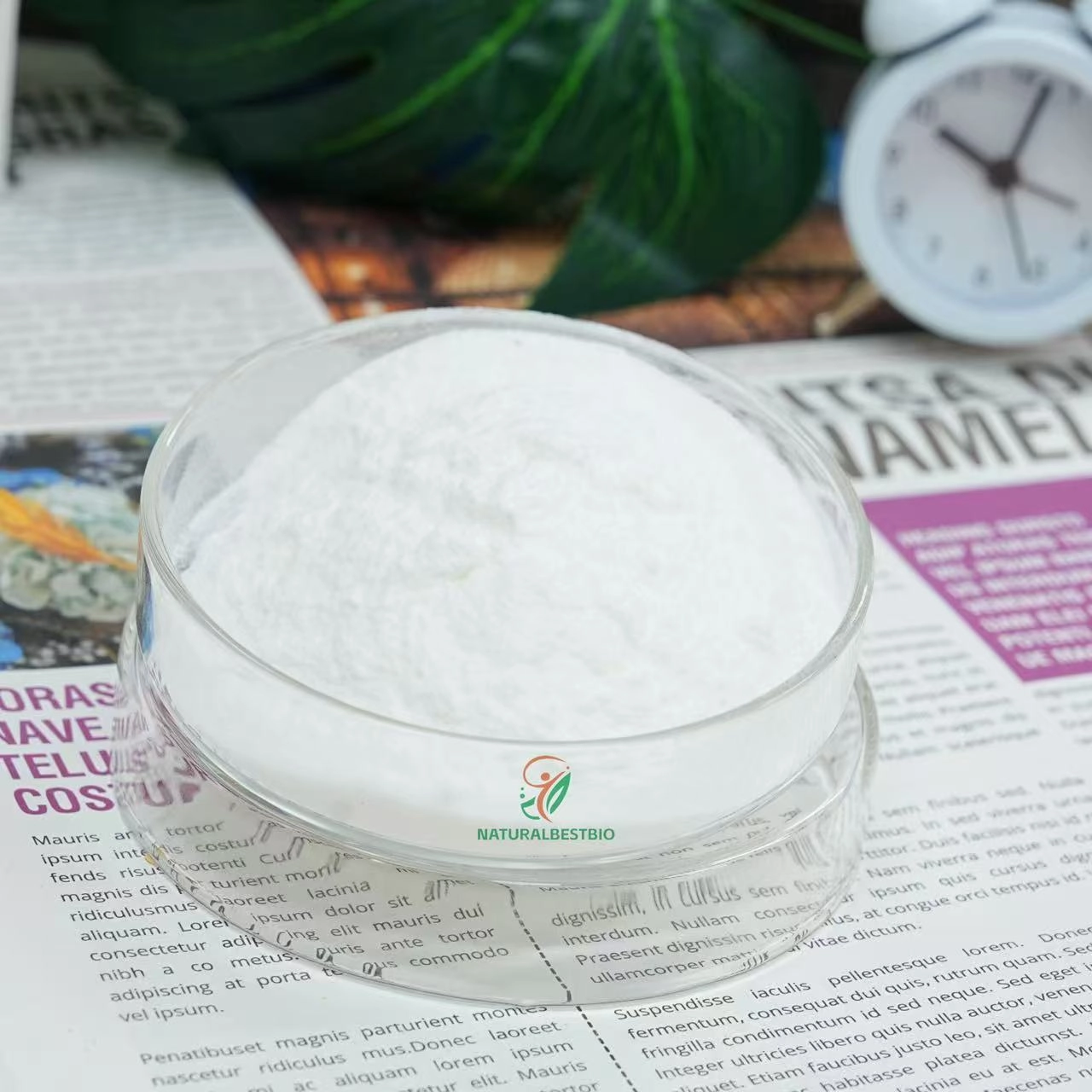
Epicatechin 90% supplier specification
Nutrition BioTech is a bulk epicatechin ingredient supplier and manufacturer, supplying (−)-epicatechin (CAS 490-46-0) at 90% minimum by HPLC, produced by botanical extraction and purification, for B2B nutraceutical formulation.
Epicatechin is supplied at 90% minimum assay, with the assay method and assay basis stated on the Certificate of Analysis for each lot. Caffeine content and the wider catechin profile are the specification points buyers normally confirm alongside assay.
| Ingredient name | Epicatechin 90% |
|---|---|
| Synonyms | (−)-Epicatechin; L-epicatechin; epicatechol; (2R,3R)-2-(3,4-dihydroxyphenyl)-3,4-dihydro-2H-chromene-3,5,7-triol |
| CAS number | 490-46-0 |
| Machine-readable identifiers | InChIKey PFTAWBLQPZVEMU-UKRRQHHQSA-N · PubChem CID 72276 |
| Molecular formula | C15H14O6 |
| Molecular weight | 290.27 g/mol |
| Assay / purity | 90% minimum by HPLC, stated on the Certificate of Analysis for each lot. Higher-assay grades can be quoted on request. |
| Source / production route | Botanical extraction and purification (flavanol naturally present in cocoa, green tea and certain fruits). The plant source and solvent system for the supplied lot are stated on the specification sheet. |
| Source type | Plant-derived. Obtained by botanical extraction and purification, as stated in the production route above; the plant source and solvent system for the supplied lot are stated on the specification sheet. |
| Contaminant testing | Heavy metals, microbiological limits and residual solvents are tested on each lot. The methods applied and the results are stated on the Certificate of Analysis. |
| Regulatory note | Permitted use and labelling of epicatechin differ between jurisdictions; confirming the regulatory status in the destination market before launch rests with the buyer. Nutrition BioTech does not hold and does not claim any GRAS notification or NDI notification for this material. |
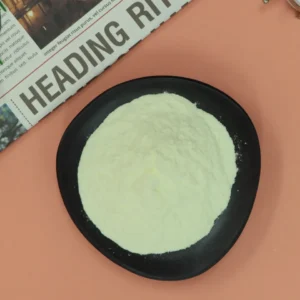
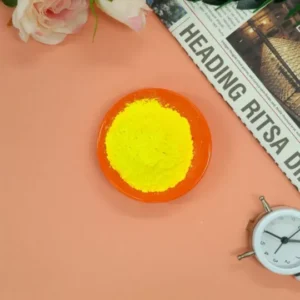
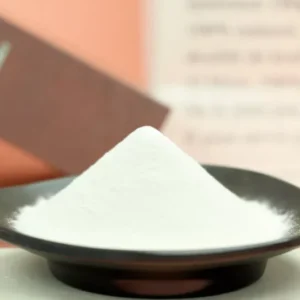
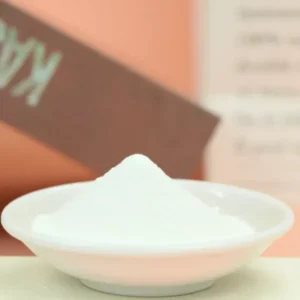
| Appearance | Off-white to light brown or light pink powder |
| Solubility | Slightly soluble in water; soluble in ethanol, methanol and DMSO. Sensitive to alkaline pH, heat and oxidation, so process conditions should be confirmed for the intended dosage form. |
| Typical applications | Capsules, tablets, stick packs and powder blends for B2B nutraceutical manufacturing; commonly formulated alongside creatine, NAD+ precursors, dihydromyricetin and PQQ |
| Documentation | Download public specification sheet Public sheet prepared from the current product-page specification block; not a batch-specific Certificate of Analysis. Lot-specific COA and supporting records are available for qualified buyer review when appropriate. |
| Quality system | ISO 22000:2018, FSSC 22000, HACCP and GMP (certificates provided on request) |
| Supplier | Nutrition BioTech, 1601 W. Mission Blvd, Suite 103 (DL#29), Pomona, CA 91766, United States |
Epicatechin
Epicatechin for sports-longevity, muscle-support and active-aging formulas.
Why brands ask for it
Epicatechin is positioned for brands building sports longevity and active-aging formulas. It provides a flavanol story for muscle support, vascular-category positioning and performance-oriented supplement concepts.
Finished-product fit
Muscle support, sports longevity, cardiovascular-category formulations, active aging. The strongest conversations start with format, serving size, documentation, and how the material behaves in the intended formula.
What makes the sample useful
- Sports-longevity-related consumer story
- Cocoa/green-tea flavanol angle
- Pairs with creatine, NAD, DHM, PQQ
Before the sample ships
- Confirm active marker, assay method, and specification range.
- Confirm source, identity, and supporting documentation.
- Review serving-size logic and label-space fit.
- Match the material to the target capsule, tablet, sachet, gummy, or powder format.
File Package
Ask for the material files that match your market, dosage form, and internal review process.
Available documents may include: COA / Specification / Allergen Statement / GMO Statement / Vegan Statement / Heavy Metals / Microbial Limits / Manufacturing Flow Chart / Residual Solvent / Country of Origin / Composition Statement.
Regulatory & Facility Support
Regulatory review notes for the target market can be provided. Nutrition BioTech does not hold and does not claim any GRAS notification or NDI notification for this material.
Facility and quality system support follows the same certificate set named in the specification table: ISO 22000:2018, FSSC 22000, HACCP and GMP. The holding entity for each certificate is named on the certificate and confirmed under buyer review.
Specification FAQ
What is the CAS number for Epicatechin?
The CAS number for Epicatechin is 490-46-0. The molecular formula is C15H14O6 and the molecular weight is 290.27 g/mol. Machine-readable identifiers: InChIKey PFTAWBLQPZVEMU-UKRRQHHQSA-N · PubChem CID 72276.
What purity is Epicatechin supplied at, and by which method?
90% minimum by HPLC, stated on the Certificate of Analysis for each lot. Higher-assay grades can be quoted on request.
Is Epicatechin soluble in water?
Slightly soluble in water; soluble in ethanol, methanol and DMSO. Sensitive to alkaline pH, heat and oxidation, so process conditions should be confirmed for the intended dosage form.
How is Epicatechin produced and where does it come from?
Botanical extraction and purification (flavanol naturally present in cocoa, green tea and certain fruits). The plant source and solvent system for the supplied lot are stated on the specification sheet.
Published research context
Epicatechin has a long peer-reviewed literature. The studies below are provided as technical context for formulators evaluating this raw material. These entries summarise what the cited publications report. They are not claims about Nutrition BioTech material, and no health, therapeutic or cosmetic outcome is claimed or implied for any finished product. Buyers are responsible for the claims they make on their own labels and for confirming what is permitted in their market.
- Thermal instability in boiling aqueous mediaReported approximately 65.2% loss of (-)-epicatechin within the first 10 minutes and more than 99.5% loss within 30 minutes in an 85-minute boiling-water incubation assay, and identified 22 degradation products by UPLC-ESI-MS/MS; isomerisation, oxidation, hydroxylation, dimerisation and ring cleavage were described as the main reactions.Huang W, Lin S, Cao H. Food Chem. 2025;465(Pt 1):142038. PMID 39549518. DOI 10.1016/j.foodchem.2024.142038. source
- Solid-state thermal epimerisation between catechin and epicatechinReported that heating solid catechin and epicatechin drives epimerisation and polymerisation: catechin-to-epicatechin conversion was maximal after 180 C for 30 min at a ratio of 0.76:1, and epicatechin-to-catechin conversion after 250 C for 2 min at a ratio of 1.34:1, with pyrocatechol identified by HPLC as a degradation product of both.Oomah BD, Quigley N, Latorre ML, Rayne S, Mazza G. J Agric Food Chem. Published online 4 June 2008. PMID 18522409. DOI 10.1021/jf0733261. source
- Chiral HPLC separation of the two stereoisomersDescribed enantioseparation of catechin and epicatechin on a phenyl column using aqueous mobile phases containing 0.05% (w/v) and 0.6% (w/v) beta-cyclodextrin respectively, and examined by HPLC the effect of sucrose, glucose and fructose on heat-induced epimerisation.Terashima H, Seki M, Watanabe S, Yamamoto A, Aizawa S, Taga A. J Chromatogr A. 2022;1673:463029. PMID 35468371. DOI 10.1016/j.chroma.2022.463029. source