1. Introduction: The Growing Demand for Ellagic Acid Powder
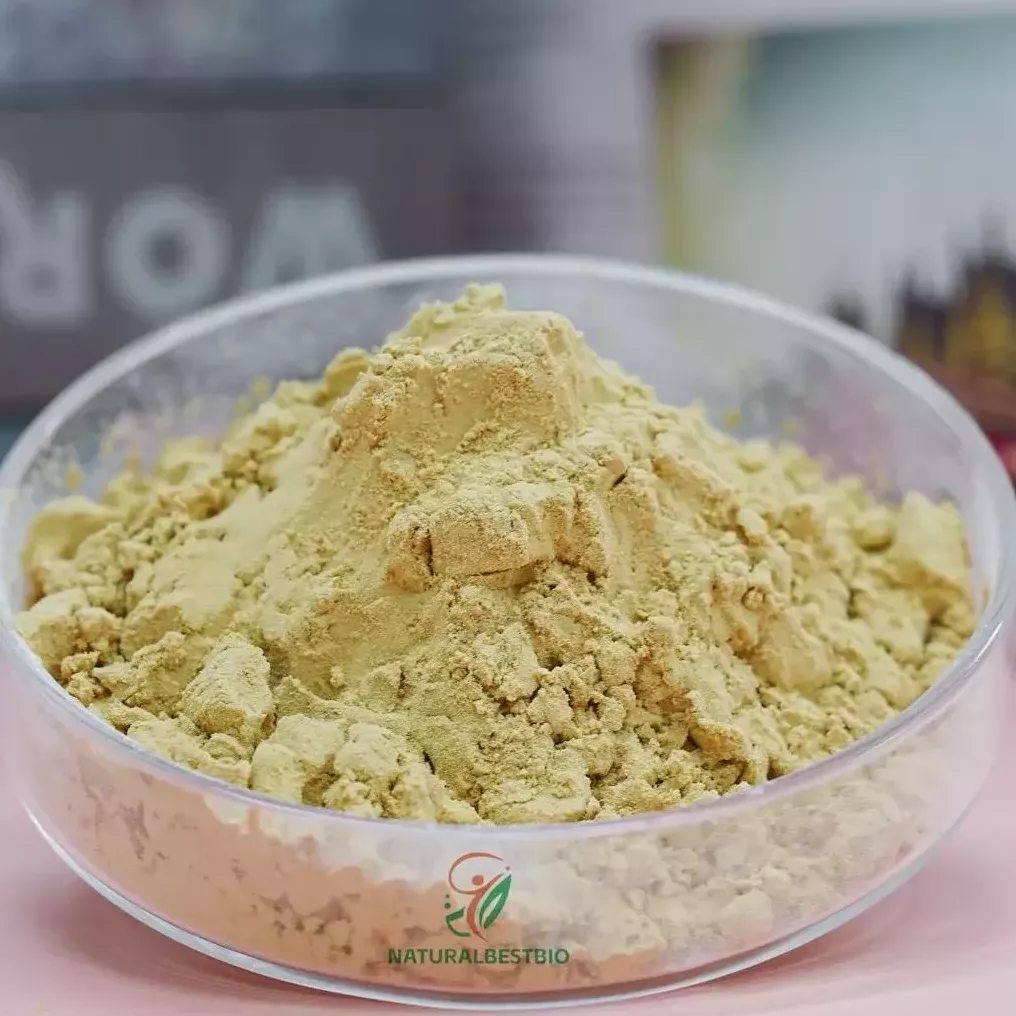
If you’ve been paying attention to ingredient trends in nutraceuticals, cosmetics, or functional foods, you’ve probably noticed one name popping up again and again: ellagic acid powder. And honestly, it’s not hype without reason.
Compared to many plant-based antioxidants, ellagic acid stands out as stronger, more stable, and often better tolerated when formulated correctly. As consumer demand shifts toward clean-label, science-backed ingredients, manufacturers are actively searching for a reliable ellagic acid powder supplier that can deliver consistent quality at scale.
Think of ellagic acid like a precision tool rather than a blunt instrument. Compared to generic antioxidant blends, it’s more targeted, more researched, and—when sourced properly—more effective. This rising demand puts suppliers under pressure to deliver not just volume, but trust, traceability, and technical support.
So how do you separate a truly professional ellagic acid powder supplier from a reseller riding the trend? That’s exactly what this guide explores.
2. What Is Ellagic Acid Powder?
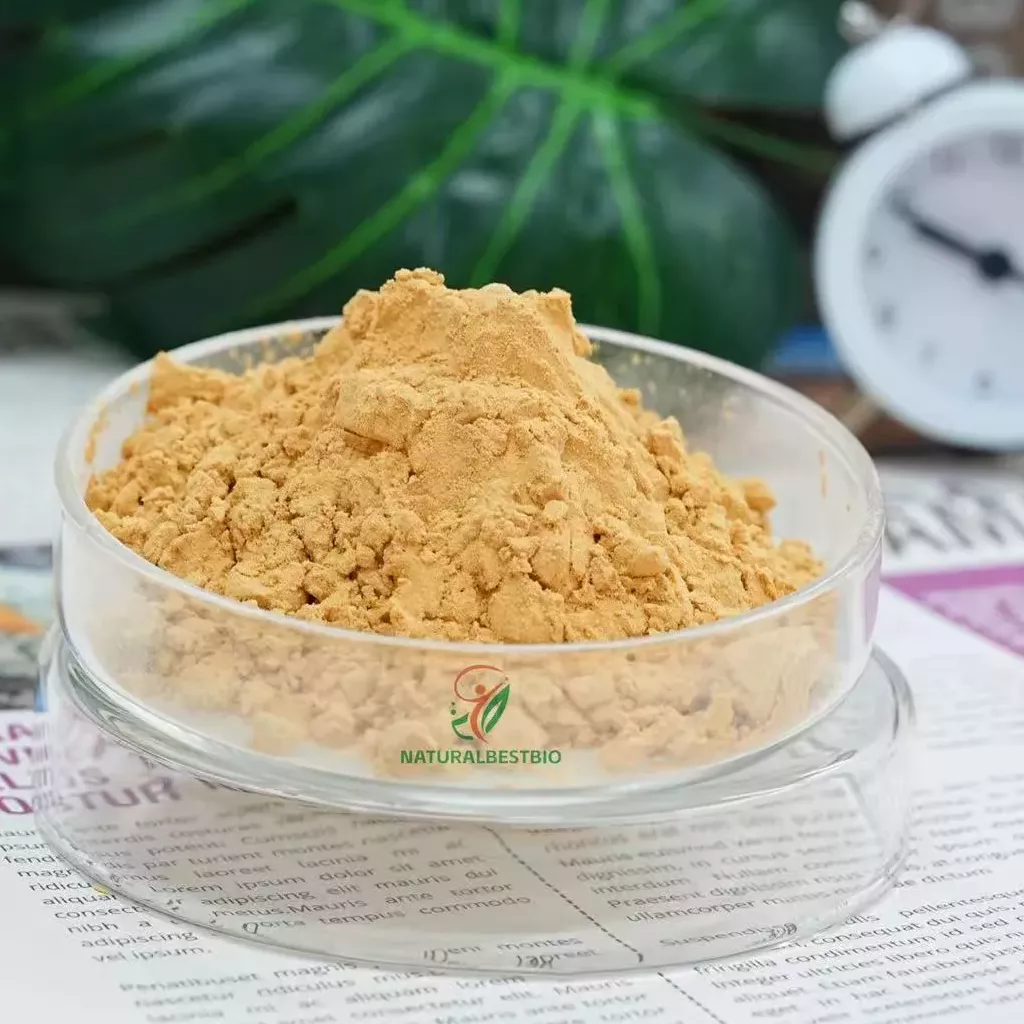
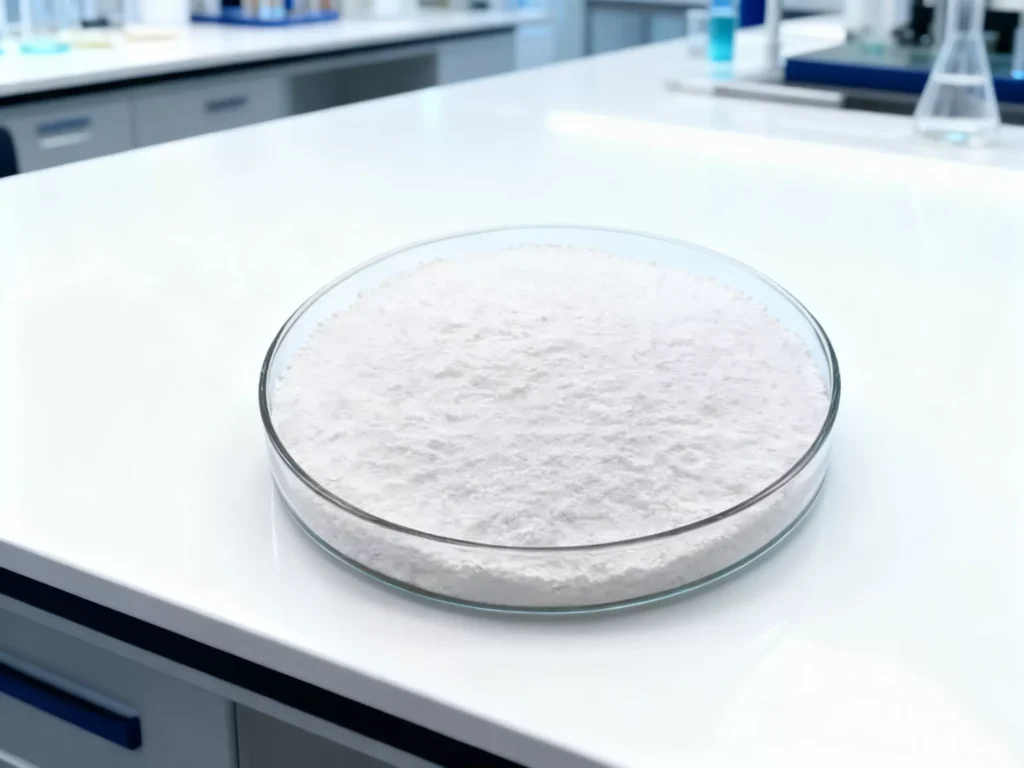
Ellagic acid powder is a naturally occurring polyphenol antioxidant found in fruits such as pomegranates, strawberries, raspberries, and certain nuts. Chemically speaking, it’s a dilactone derived from hexahydroxydiphenic acid—but don’t worry, you don’t need a chemistry degree to understand why it matters.
Ellagic Acid Compared to Other Antioxidants
Compared to vitamin C, ellagic acid is:
- More stable in formulations
- Less prone to oxidation
- Often stronger in long-term antioxidant activity
Compared to resveratrol:
- Ellagic acid is usually more affordable
- Easier to source at scale
- Slightly slower acting, but longer lasting
In powder form, ellagic acid offers better dosing precision, faster integration into formulations, and lighter logistics costs compared to liquid extracts.
Usage Precautions and Side Effects
While generally considered safe, ellagic acid is not a miracle cure:
- High doses may cause mild gastrointestinal discomfort
- Bioavailability can be lower compared to liposomal forms
- Not recommended for pregnant populations without clinical backing
A professional ellagic acid powder supplier will disclose these limitations openly rather than overselling benefits.
3. Key Applications Driving Market Demand
Ellagic acid powder isn’t a one-industry ingredient. Its versatility is exactly why demand keeps growing.
Nutraceuticals and Dietary Supplements
Compared to blended berry extracts, isolated ellagic acid powder offers:
- Stronger standardization
- Better batch-to-batch consistency
- Faster regulatory documentation
Cosmetics and Skincare
In topical formulations, ellagic acid is:
- Better at inhibiting melanin production compared to kojic acid
- Less irritating than hydroquinone
- More suitable for sensitive skin populations
Functional Foods and Beverages
Compared to synthetic antioxidants, ellagic acid aligns better with:
- Clean-label positioning
- Natural health branding
- Premium product pricing
Each of these applications increases pressure on the ellagic acid powder supplier to meet industry-specific standards, not just generic specifications.
4. Core Qualities of a Trusted Ellagic Acid Powder Supplier
Choosing a supplier isn’t just about price per kilogram. It’s about risk management.
Consistency Over Convenience
A trusted supplier prioritizes:
- Stable purity levels
- Reproducible particle size
- Reliable solubility behavior
Compared to traders, manufacturers with in-house production are usually better positioned to control these variables.
Regulatory Readiness
A professional ellagic acid powder supplier provides:
- COA, MSDS, and TDS documentation
- Compliance with USP, EP, or CP standards
- Faster responses during audits
In contrast, low-cost suppliers may be cheaper upfront, but more expensive when compliance issues arise.
5. Production Process and Quality Control
Let’s be honest: production is where good suppliers separate themselves from risky ones.
Extraction and Purification
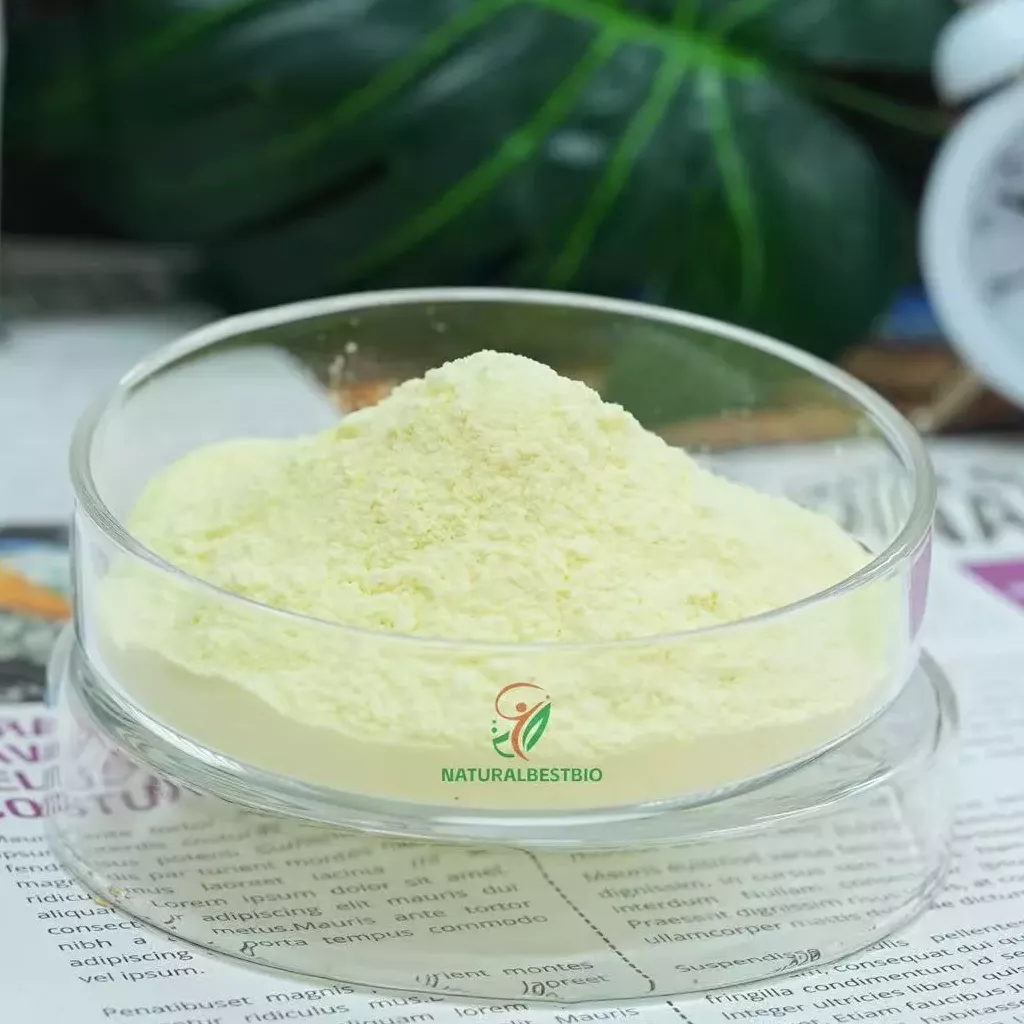
Ellagic acid is typically extracted using:
- Solvent extraction
- Hydrolysis of ellagitannins
- Controlled crystallization
Compared to crude extracts, purified ellagic acid powder is:
- Stronger in active concentration
- Lighter in impurities
- Easier to formulate
Quality Control Measures
A reliable ellagic acid powder supplier implements:
- HPLC testing for purity
- Heavy metal screening
- Microbial load analysis
Skipping these steps might be faster and less expensive, but it dramatically increases downstream risk.
6. Customization and Supply Capabilities
Not all buyers need the same thing. That’s where customization becomes critical.
Specification Customization
Top suppliers can adjust:
- Purity levels (40%, 90%, 98%)
- Particle size
- Packaging formats
Compared to fixed-spec suppliers, flexible partners are better suited for scaling brands.
Supply Chain Reliability
Ask yourself:
- Can they handle sudden demand spikes?
- Do they maintain safety stock?
- Are lead times realistic or optimistic?
A supplier who overpromises speed may actually be slower when it matters most.
7. How to Evaluate an Ellagic Acid Powder Supplier
Evaluating a supplier is like dating—you’re looking for red flags early.
Key Evaluation Criteria Compared Side-by-Side
| Evaluation Factor | What to Look For | Why It Matters |
|---|---|---|
| Purity Standards | ≥ 90% ellagic acid | Stronger efficacy |
| Documentation | COA, MSDS, traceability | Regulatory safety |
| MOQ Flexibility | Adjustable volumes | Lower financial risk |
| Communication Speed | Clear, technical answers | Faster problem solving |
Questions You Should Always Ask
- Where is the raw material sourced?
- Is production in-house or outsourced?
- How do they handle batch failures?
Suppliers who dodge these questions are usually less reliable long-term.
8. Sustainability and Ethical Sourcing
Sustainability isn’t marketing fluff anymore—it’s a purchasing requirement.
Ethical Raw Material Sourcing
Compared to synthetic alternatives, plant-derived ellagic acid:
- Has a lower environmental footprint
- Supports agricultural supply chains
- Aligns better with ESG reporting
Waste Reduction and Green Processing
Advanced suppliers invest in:
- Solvent recycling
- Energy-efficient drying
- By-product utilization
These practices may be slightly more expensive, but they future-proof the supply chain.
9. Why Long-Term Supplier Partnerships Create Value
Transactional sourcing is tempting, but partnerships win in the long run.
Cost Stability Over Time
Compared to spot buying:
- Long-term contracts are less expensive
- Pricing volatility is reduced
- Supply disruptions are minimized
Technical Collaboration
Strong suppliers provide:
- Formulation guidance
- Stability testing support
- Faster troubleshooting
This collaboration often results in better products, not just cheaper inputs.
10. Conclusion: Partnering with the Right Ellagic Acid Powder Supplier
Choosing the right ellagic acid powder supplier isn’t about chasing the lowest quote. It’s about aligning quality, reliability, and long-term vision.
Compared to unreliable traders, professional suppliers are:
- Stronger in compliance
- Faster in support
- Better at scaling with your business
In a competitive market, your supplier isn’t just a vendor—they’re part of your value chain. Choose wisely.
11. FAQ
| Question | Answer |
|---|---|
| What purity level is best for supplements? | 90–98% is generally better for consistent dosing |
| Is ellagic acid powder safe? | Yes, when sourced from a compliant supplier and used correctly |
| How does ellagic acid compare to vitamin C? | More stable, but slower acting |
| Can suppliers customize specifications? | Professional suppliers usually can |
| Is natural ellagic acid more expensive than synthetic? | Slightly more expensive, but better for clean-label positioning |