L-5-Methyltetrahydrofolate supplier specification
Nutrition BioTech is a bulk L-5-methyltetrahydrofolate ingredient supplier and manufacturer, supplying calcium L-5-MTHF (CAS 151533-22-1) and glucosamine L-5-MTHF (CAS 1181972-37-1) with assay by HPLC and folate equivalence stated per lot, produced by chemical synthesis, for B2B nutraceutical formulation.
L-5-MTHF is supplied as a salt, so the two specification numbers that matter together are the salt form and the folate equivalence it delivers — a milligram of the calcium salt and a milligram of the glucosamine salt are not the same amount of folate. Every lot ships with a Certificate of Analysis stating salt form, HPLC assay, water content and the assay basis.
| Ingredient name | L-5-Methyltetrahydrofolate (supplied as the calcium salt or the glucosamine salt) |
|---|---|
| Synonyms | L-5-MTHF; levomefolate; L-methylfolate; (6S)-5-methyltetrahydrofolic acid; calcium L-5-methyltetrahydrofolate; glucosamine L-5-methyltetrahydrofolate |
| CAS number | 151533-22-1 (calcium L-5-methyltetrahydrofolate); 1181972-37-1 (glucosamine L-5-methyltetrahydrofolate). The free-acid CAS number depends on the stereochemical designation used, so it is stated on the specification sheet for the supplied form rather than quoted here. |
| Molecular formula | C20H23CaN7O6 (calcium salt). The formula for the glucosamine salt is stated on the specification sheet for that form. |
| Molecular weight | 497.5 (calcium salt, anhydrous basis; the material is commonly supplied as a hydrate, so water content is stated on the Certificate of Analysis) |
| Assay / purity | Assay by HPLC against the applicable monograph; salt form, assay basis and folate equivalence per milligram are specified per order and stated on the Certificate of Analysis. Grade options available on request. |
| Source / production route | Chemical synthesis; the (6S) form, with diastereomeric purity reported on the Certificate of Analysis |
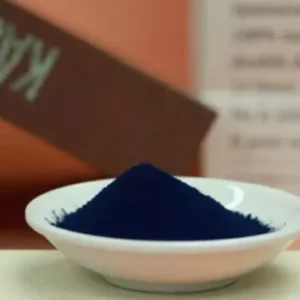
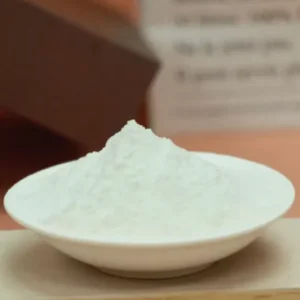
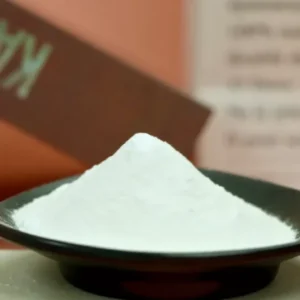
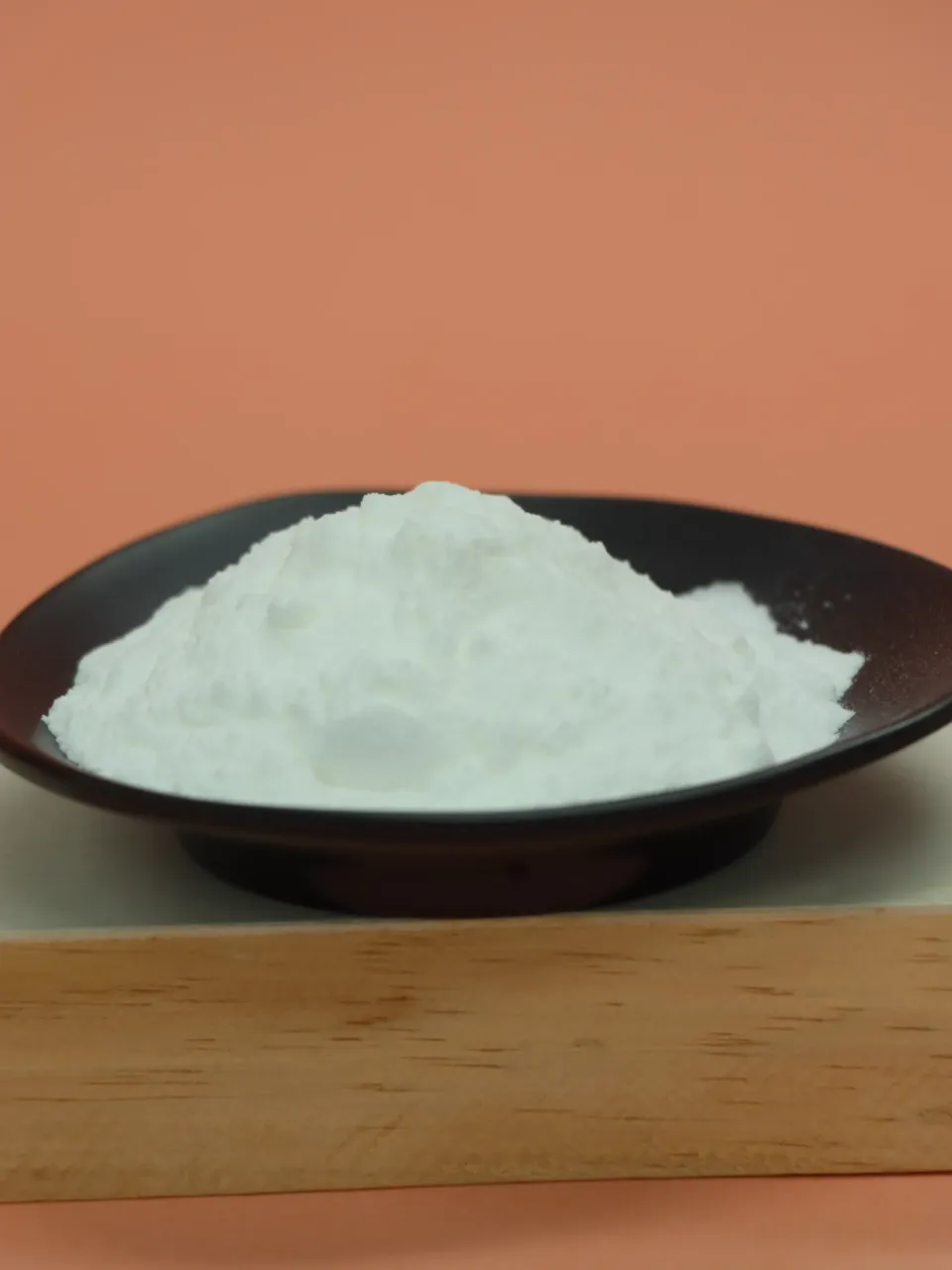
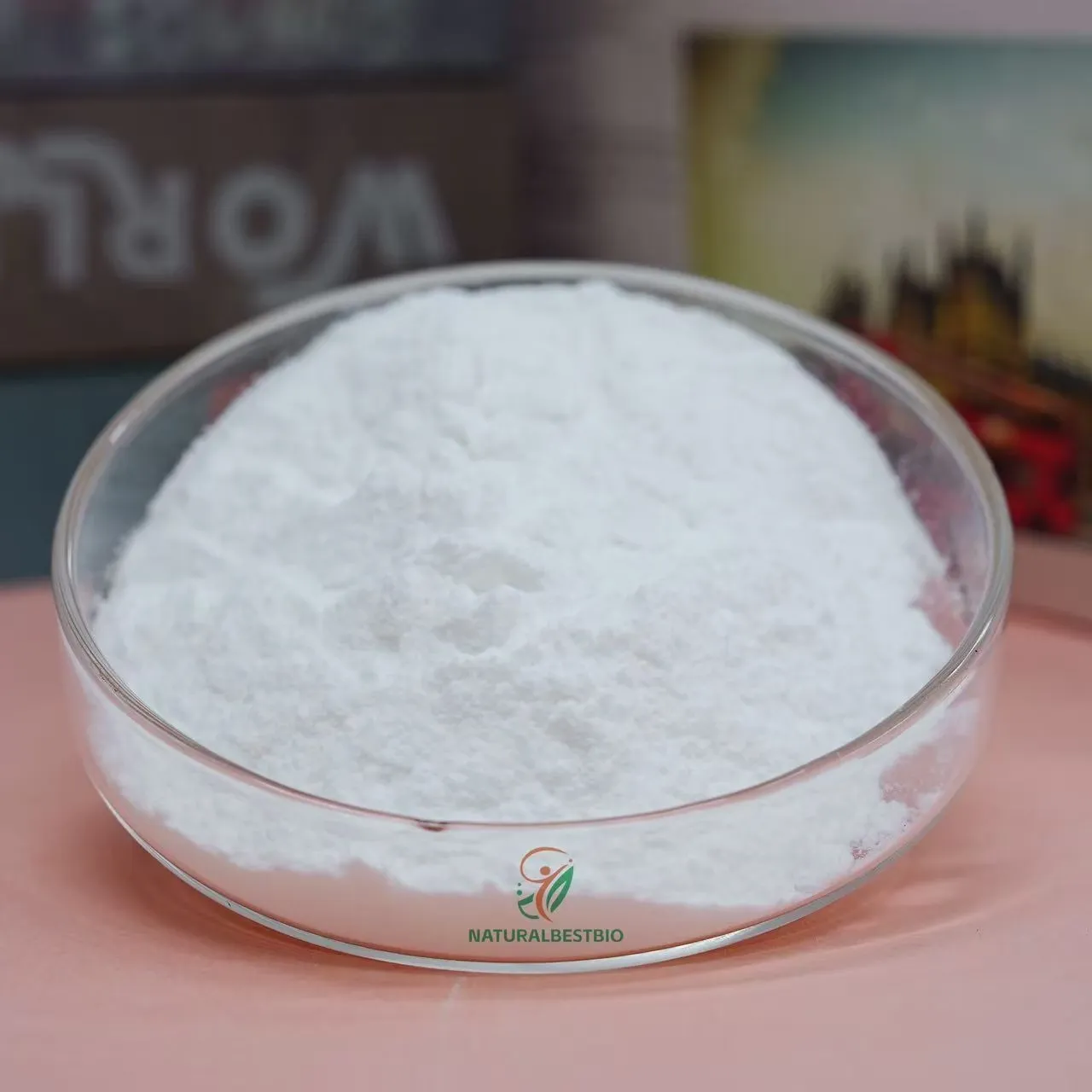
| Appearance | White to light yellow, or cream to light brown, fine powder depending on salt form |
| Solubility | Sparingly soluble in water; solubility and dissolution behaviour depend on salt form and pH. Confirm behaviour in the intended matrix before formula lock. |
| Stability and storage | Sensitive to moisture, heat, light and oxidation. Store cool and dry in tightly closed, light-protected containers; overage, packaging and desiccation for the finished format should be confirmed with the specification sheet and stability data. |
| Low-dose handling | Typical inclusion is at microgram level per serving, so a premix or triturated dilution is normally used for content uniformity and blend assay should be confirmed on the finished blend |
| Typical applications | Capsules, tablets, sachets and low-dose premixes for B2B nutraceutical manufacturing; methylated-vitamin, prenatal and daily multivitamin formats |
| Documentation | Download public specification sheet Public sheet prepared from the current product-page specification block; not a batch-specific Certificate of Analysis. Lot-specific COA and supporting records are available for qualified buyer review when appropriate. |
| Quality system | ISO 22000:2018, FSSC 22000, HACCP and GMP (certificates provided on request) |
| Supplier | Nutrition BioTech, 1601 W. Mission Blvd, Suite 103 (DL#29), Pomona, CA 91766, United States |
L-5-Methyltetrahydrofolate
Active folate for methylation, prenatal and daily wellness formulations.
Why brands ask for it
L-5-Methyltetrahydrofolate supports methylation, prenatal and active folate products where brands need a premium alternative to folic acid. B2B support should emphasize identity, potency, stability and low-dose uniformity.
Finished-product fit
Methylation, prenatal wellness, mood support, active folate preference. The strongest conversations start with format, serving size, documentation, and how the material behaves in the intended formula.
What makes the sample useful
- Active folate form
- Low-dose uniformity
- Strong fit for methylated vitamin stacks
Before the sample ships
- Confirm salt form.
- Review stability expectations and storage conditions for the finished format.
- Confirm folate equivalent.
- Confirm it suitable for prenatal.
- Confirm overages needed.
File Package
Ask for the material files that match your market, dosage form, and internal review process.
Available documents may include: COA / Specification / Allergen Statement / GMO Statement / Vegan Statement / Heavy Metals / Microbial Limits / Manufacturing Flow Chart / Residual Solvent / Country of Origin / Composition Statement.
Regulatory & Facility Support
Regulatory review notes for the target market can be provided. Nutrition BioTech does not hold and does not claim any GRAS notification or NDI notification for this material.
Facility and quality system support follows the same certificate set named in the specification table: ISO 22000:2018, FSSC 22000, HACCP and GMP. The holding entity for each certificate is named on the certificate and confirmed under buyer review.
Specification FAQ
What is the CAS number for L-5-Methyltetrahydrofolate?
The CAS number for L-5-Methyltetrahydrofolate is 151533-22-1 (calcium L-5-methyltetrahydrofolate); 1181972-37-1 (glucosamine L-5-methyltetrahydrofolate). The free-acid CAS number depends on the stereochemical designation used, so it is stated on the specification sheet for the supplied form rather than quoted here. The molecular formula is C20H23CaN7O6 (calcium salt). The formula for the glucosamine salt is stated on the specification sheet for that form. and the molecular weight is 497.5 (calcium salt, anhydrous basis; the material is commonly supplied as a hydrate, so water content is stated on the Certificate of Analysis).
What purity is L-5-Methyltetrahydrofolate supplied at, and by which method?
Assay by HPLC against the applicable monograph; salt form, assay basis and folate equivalence per milligram are specified per order and stated on the Certificate of Analysis. Grade options available on request.
Is L-5-Methyltetrahydrofolate soluble in water?
Sparingly soluble in water; solubility and dissolution behaviour depend on salt form and pH. Confirm behaviour in the intended matrix before formula lock.
How is L-5-Methyltetrahydrofolate produced and where does it come from?
Chemical synthesis; the (6S) form, with diastereomeric purity reported on the Certificate of Analysis
Published research context
L-5-methyltetrahydrofolate has a long peer-reviewed literature. The studies below are provided as technical context for formulators evaluating this raw material. These entries summarise what the cited publications report. They are not claims about Nutrition BioTech material, and no health, therapeutic or cosmetic outcome is claimed or implied for any finished product. Buyers are responsible for the claims they make on their own labels and for confirming what is permitted in their market.
- Salt form and crystal form affect solid-state stabilityCompared crystal form C and crystal form I of 6S-5-methyltetrahydrofolate calcium salt with an amorphous 6S-5-methyltetrahydrofolate glucosamine salt. HPLC-UV analysis reported better stability for crystal form C than for the other two forms, and a validated LC-MS/MS method was used to compare pharmacokinetic parameters after oral administration to male rats.Lian Z, Chen H, Liu K, Jia Q, Qiu F, Cheng Y. Molecules. 2021;26(19):6011. PMID 34641555. DOI 10.3390/molecules26196011. source
- Processing losses and the effect of sodium ascorbateReported that free L-5-methyltetrahydrofolate showed the greatest loss when fortified noodles were cooked, whereas recovery of a microencapsulated form was not significantly different from folic acid processed the same way. Adding sodium ascorbate sustained folate stability after boiling and after frying, and the microencapsulated form dispersed more homogeneously in flour.Liu Y, Green TJ, Kitts DD. Food Chem. 2015;171:206-211. PMID 25308661. DOI 10.1016/j.foodchem.2014.08.129. source
- Retention measured under salt, pH, oxidative, thermal and UV stressReported a pectin-chitosan layer-by-layer nanoliposome with encapsulation efficiency of 64.62%, loading of 1.05 mg/g and particle size of 285.86 nm, and measured retention of 5-methyltetrahydrofolate above 80% under salt and pH variation and under oxidative, thermal, fermentation and UV stress.Meng Z, Yan X, Azarakhsh N, Duan H, Ramaswamy HS, Wang C. Food Chem. 2025;471:142792. PMID 39798362. DOI 10.1016/j.foodchem.2025.142792. source