Pterostilbene Glucoside (StilbGluc™) supplier specification
Nutrition BioTech is a bulk pterostilbene glucoside ingredient supplier and manufacturer, supplying pterostilbene 4′-O-β-D-glucoside (CAS 38967-99-6) as StilbGluc™ at 99% minimum by HPLC, produced by organic synthesis or enzymatic glycosylation, for B2B nutraceutical formulation.
Pterostilbene glucoside is a distinct chemical entity from pterostilbene — a glycoside, not the aglycone — so it is not interchangeable with pterostilbene on a milligram-for-milligram basis. Every lot ships with a Certificate of Analysis stating identity, HPLC assay and the assay basis.
| Ingredient name | Pterostilbene Glucoside — StilbGluc™ |
|---|---|
| Synonyms | Pterostilbene 4′-O-β-D-glucoside; trans-3,5-dimethoxystilbene-4′-O-β-D-glucopyranoside; pterostilbene glucoside; TDG |
| CAS number | 38967-99-6 |
| Machine-readable identifiers | InChIKey IGTFTNWJAADJKD-QCJVRXEMSA-N · PubChem CID 25111365 |
| Molecular formula | C22H26O8 |
| Molecular weight | 418.44 g/mol |
| Assay / purity | 99% minimum by HPLC, stated on the Certificate of Analysis for each lot. Other grades available on request. |
| Glycoside position | Supplied as the 4′-O-β-D-glucoside. Because several glycosylation positions are chemically possible, the position and anomeric configuration of each lot are confirmed on the specification sheet and by identity testing. |
| Source / production route | Organic synthesis or enzymatic glycosylation of pterostilbene. The applicable route, catalyst or enzyme system and residual solvent limits are stated on the specification sheet. |
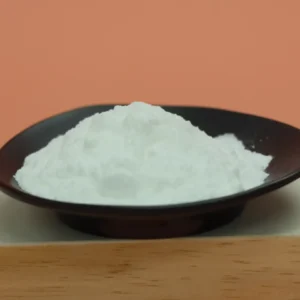
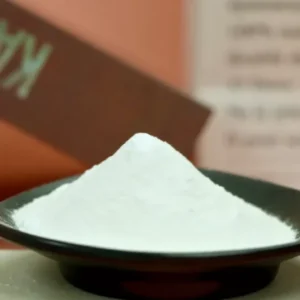
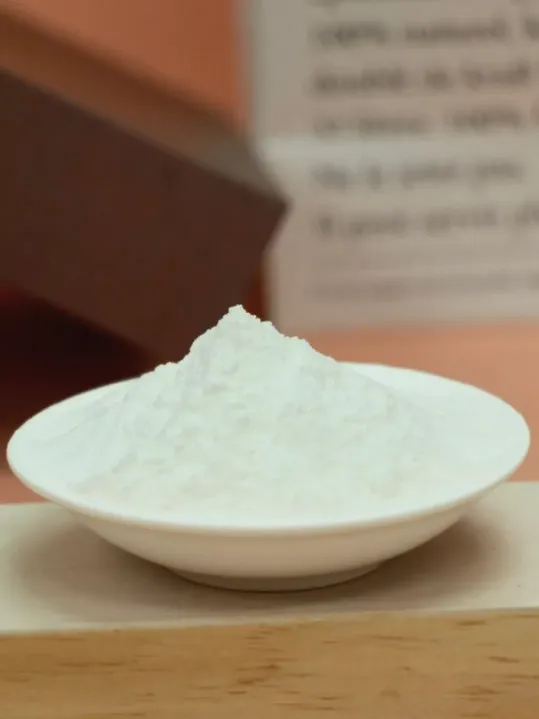
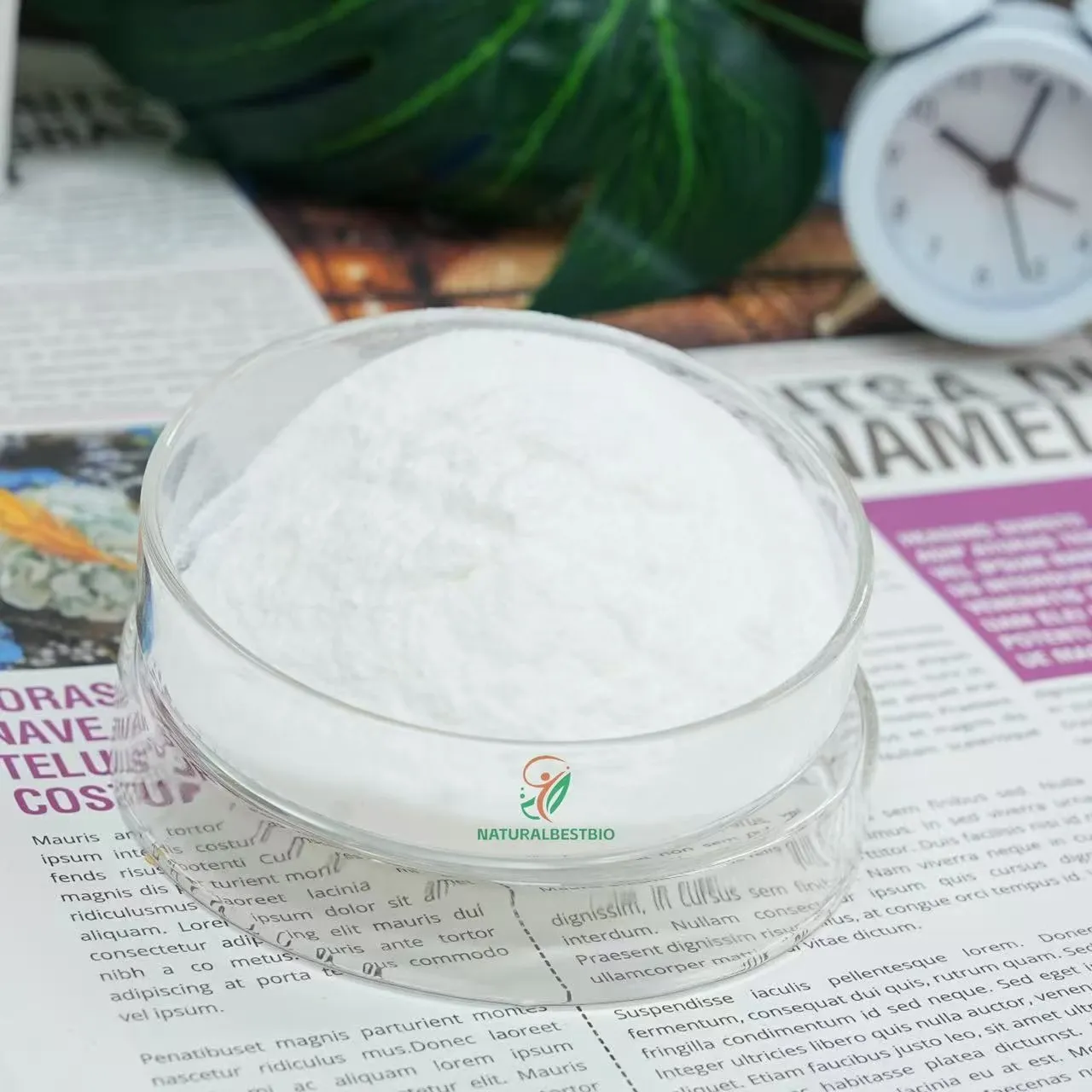
| Appearance | White to off-white powder |
| Solubility | Water solubility is higher than that of the corresponding aglycone pterostilbene; soluble in methanol, ethanol and DMSO. Dissolution and dispersion behaviour should be confirmed for the intended dosage form. |
| Relationship to pterostilbene | StilbGluc™ is the glucoside of pterostilbene (pterostilbene CAS 537-42-8, also supplied by Nutrition BioTech as StilbElite™). The sugar moiety adds molecular weight, so equal weights of the two materials do not supply equal pterostilbene-equivalent content. The declaration basis must be agreed before the label is locked. |
| Typical applications | Capsules, tablets, powder blends, stick packs and beverage formats for B2B nutraceutical manufacturing; used where a water-dispersible stilbene format is required |
| Documentation | Download public specification sheet Public sheet prepared from the current product-page specification block; not a batch-specific Certificate of Analysis. Lot-specific COA and supporting records are available for qualified buyer review when appropriate. |
| Regulatory note | Permitted use, notification status and labelling requirements for stilbene glycosides differ by jurisdiction. Buyers are responsible for confirming the regulatory position in each market of sale before launch. |
| Quality system | ISO 22000:2018, FSSC 22000, HACCP and GMP (certificates provided on request) |
| Supplier | Nutrition BioTech, 1601 W. Mission Blvd, Suite 103 (DL#29), Pomona, CA 91766, United States |
Pterostilbene Glucoside (StilbGluc™)
Pterostilbene glucoside for differentiated longevity and polyphenol supplement formulas.
Why brands ask for it
StilbGluc™ Pterostilbene Glucoside offers brands a resveratrol-family differentiation story for premium longevity products. It is best used in antioxidant and cellular health stacks where a unique polyphenol angle is valuable.
Finished-product fit
Longevity, antioxidant, cellular health, resveratrol-family upgrade. The strongest conversations start with format, serving size, documentation, and how the material behaves in the intended formula.
What makes the sample useful
- Glucoside differentiation
- Better story than commodity resveratrol
- Fits NAD/polyphenol stacks
Before the sample ships
- Confirm is it different from pterostilbene.
- Confirm dissolution, dispersion, and the intended powder or granule format.
- Confirm source, identity, and supporting documentation.
- Review serving-size logic and label-space fit.
- Review stability expectations and storage conditions for the finished format.
File Package
Ask for the material files that match your market, dosage form, and internal review process.
Available documents may include: COA / Specification / Allergen Statement / GMO Statement / Vegan Statement / Heavy Metals / Microbial Limits / Manufacturing Flow Chart / Residual Solvent / Country of Origin / Composition Statement.
Regulatory & Facility Support
Regulatory review notes for the target market can be provided. Nutrition BioTech does not hold and does not claim any GRAS notification or NDI notification for this material.
Facility and quality system support follows the same certificate set named in the specification table: ISO 22000:2018, FSSC 22000, HACCP and GMP. The holding entity for each certificate is named on the certificate and confirmed under buyer review.
Specification FAQ
What is the CAS number for Pterostilbene Glucoside?
The CAS number for Pterostilbene Glucoside is 38967-99-6. The molecular formula is C22H26O8 and the molecular weight is 418.44 g/mol. Machine-readable identifiers: InChIKey IGTFTNWJAADJKD-QCJVRXEMSA-N · PubChem CID 25111365.
What purity is Pterostilbene Glucoside supplied at, and by which method?
99% minimum by HPLC, stated on the Certificate of Analysis for each lot. Other grades available on request.
Is Pterostilbene Glucoside soluble in water?
Water solubility is higher than that of the corresponding aglycone pterostilbene; soluble in methanol, ethanol and DMSO. Dissolution and dispersion behaviour should be confirmed for the intended dosage form.
How is Pterostilbene Glucoside produced and where does it come from?
Organic synthesis or enzymatic glycosylation of pterostilbene. The applicable route, catalyst or enzyme system and residual solvent limits are stated on the specification sheet.
Published research context
Pterostilbene 4′-O-β-D-glucoside has a focused peer-reviewed literature, much of it on enzymatic routes to the glucoside and on how glycosylation changes the physicochemical behaviour of the parent stilbene. The studies below are provided as technical context for formulators evaluating this raw material. These entries summarise what the cited publications report. They are not claims about Nutrition BioTech material, and no health, therapeutic or cosmetic outcome is claimed or implied for any finished product. Buyers are responsible for the claims they make on their own labels and for confirming what is permitted in their market.
- Enzymatic synthesis of the 4′-O-β-D-glucosideReported that a plant glucosyltransferase from Phytolacca americana, expressed in recombinant Escherichia coli, transformed pterostilbene into its 4′-O-β-D-glucoside — the same regiochemistry as this material. Measured oxygen radical absorbance capacity (ORAC) values of the stilbene glycosides were lower than those of the corresponding stilbene aglycones.Uesugi D et al. Biosci Biotechnol Biochem. 2017;81(2):226-230. PMID 27756183. DOI 10.1080/09168451.2016.1240606. source
- Whole-cell plant biotransformation routeReported that cultured Phytolacca americana cells glucosylated pterostilbene to its 4′-β-glucoside, in a study that also prepared β-glucosides and β-maltosides of resveratrol and piceatannol using plant-cell catalysis followed by cyclodextrin glucanotransferase.Sato D et al. Biosci Biotechnol Biochem. 2014;78(7):1123-8. PMID 25229845. DOI 10.1080/09168451.2014.921551. source
- Glycosylation as a water-solubility strategy; substrate-dependent yieldReported glycosylation of resveratrol, pterostilbene and piceatannol to monoglucosides and diglycosides with the stated aim of enhancing water solubility. Pterostilbene was only slightly transformed into its 4′-β-glucoside by Phytolacca americana cells — the lowest conversion of the three stilbenes, while piceatannol gave the highest glucoside yield.Shimoda K et al. Ann N Y Acad Sci. 2015;1348(1):141-9. PMID 26250502. DOI 10.1111/nyas.12836. source
- Related α-glucoside: enzymatic route and measured water solubilityReported enzymatic synthesis of pterostilbene α-D-glucopyranoside — an α-anomeric derivative distinct from the 4′-O-β-D-glucoside supplied here — using cyclodextrin glucanotransferase with starch as glucosyl donor, followed by amyloglucosidase to trim polyglucosylated products to the monoglucoside. The product was characterised by ESI-MS and 2D-NMR, and α-glucosylation enhanced water solubility to approximately 0.1 g/L.González-Alfonso JL et al. Molecules. 2018;23(6):1271. PMID 29799509. DOI 10.3390/molecules23061271. source