
Magnesium acetyl-taurate wholesale specification
Nutrition BioTech is a bulk magnesium acetyl-taurate ingredient supplier and manufacturer, supplying magnesium acetyl-taurate (CAS 75350-40-2) at 98% minimum by HPLC as MagTaurate™, for B2B nutraceutical formulation.
The wholesale specification below is the same one published on the MagTaurate™ product page. Elemental magnesium content is reported separately from assay, because dosing is calculated on elemental magnesium rather than on the compound.
| Ingredient name | Magnesium acetyl-taurate 98% — MagTaurate™ |
|---|---|
| Synonyms | Magnesium acetyltaurate; magnesium N-acetyltaurinate |
| CAS number | 75350-40-2 |
| Molecular formula | C8H16MgN2O8S2 |
| Molecular weight | 356.66 g/mol (calculated on the anhydrous formula) |
| Assay / purity | 98% minimum by HPLC. Elemental magnesium content is stated on the Certificate of Analysis for each lot. |
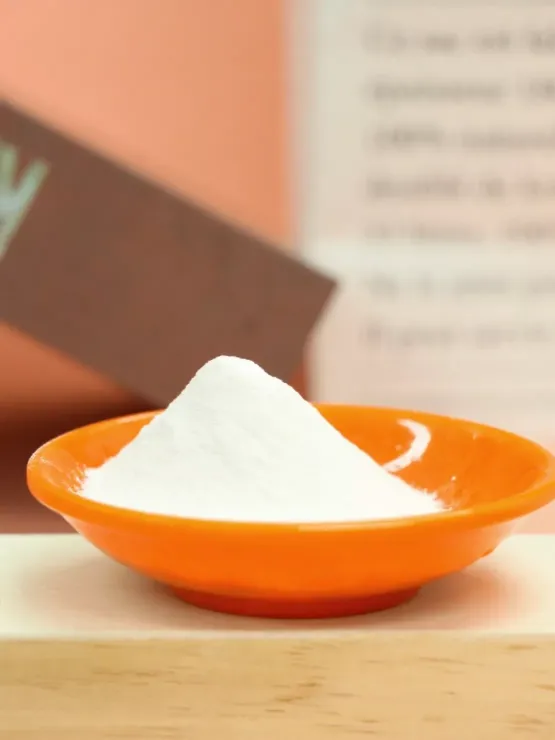
| Appearance | White to off-white powder |
| Solubility | Water soluble, which is the practical reason it is specified for stick packs and beverages rather than only capsules. |
| Typical applications | Capsules, tablets, stick packs and functional beverages for B2B manufacturing |
| Documentation | Certificate of Analysis, specification sheet, identity, elemental magnesium content, heavy metals, microbiological testing, residual solvents, allergen statement, GMO statement and stability data |
| Quality system | ISO 22000:2018, FSSC 22000, HACCP and GMP (certificates provided on request) |
| Full specification | Magnesium Acetyl-Taurate (MagTaurate™) product specification |
| Supplier | Nutrition BioTech, 1601 W. Mission Blvd, Suite 103 (DL#29), Pomona, CA 91766, United States |
1. Introduction
Ever wondered why some people seem more mentally sharp, calm under stress, and have a steady heart rhythm even on the busiest days? The secret might lie in an underrated compound — Magnesium Acetyl-Taurate (MAT).
Magnesium Acetyl-Taurate is more than just another magnesium supplement. It’s a scientifically crafted fusion of magnesium — the mineral your body loves for muscle relaxation and nerve balance — and taurine, an amino acid famous for supporting brain and heart health. Together, they form a synergy that boosts cognition, eases anxiety, and enhances cardiovascular function. No wonder this compound has caught the attention of supplement companies worldwide.
Why Magnesium Acetyl-Taurate Is Taking the Health Industry by Storm
In today’s fast-paced world, consumers crave solutions that help them think clearer, sleep better, and feel calmer. MAT ticks all those boxes. Unlike basic magnesium forms like magnesium oxide (which is cheap but poorly absorbed), or magnesium citrate (which is great for digestion but not brain health), magnesium acetyl-taurate is specifically known for its neuroprotective benefits and high bioavailability. That means more magnesium actually gets into your cells — where it’s needed most.
The global wellness market is booming, with the nootropics and stress-relief supplement sectors growing at double-digit rates annually. Naturally, manufacturers are scrambling to secure high-quality MAT powder or capsules for their formulations. And where do most of them turn to? China — the global powerhouse for raw nutraceutical ingredients.
The Purpose of This Guide
If you’re a supplement brand, distributor, or formulator looking to wholesale Magnesium Acetyl-Taurate from China, this article is your ultimate roadmap. You’ll learn:
- What makes MAT special and why consumers love it.
- How to find reliable Magnesium Acetyl-Taurate suppliers in China.
- The secrets of negotiating the best deals without compromising quality.
- How to avoid common pitfalls that new importers often fall into.
- And finally, how to build long-term partnerships that lead to steady profits and supply security.
By the end, you’ll know exactly how to source, evaluate, and wholesale Magnesium Acetyl-Taurate — confidently, profitably, and sustainably.
2. What Is Magnesium Acetyl-Taurate and Why It Matters
Let’s unpack the science and benefits behind this fascinating compound before diving into sourcing details.
Understanding Magnesium Acetyl-Taurate (MAT)
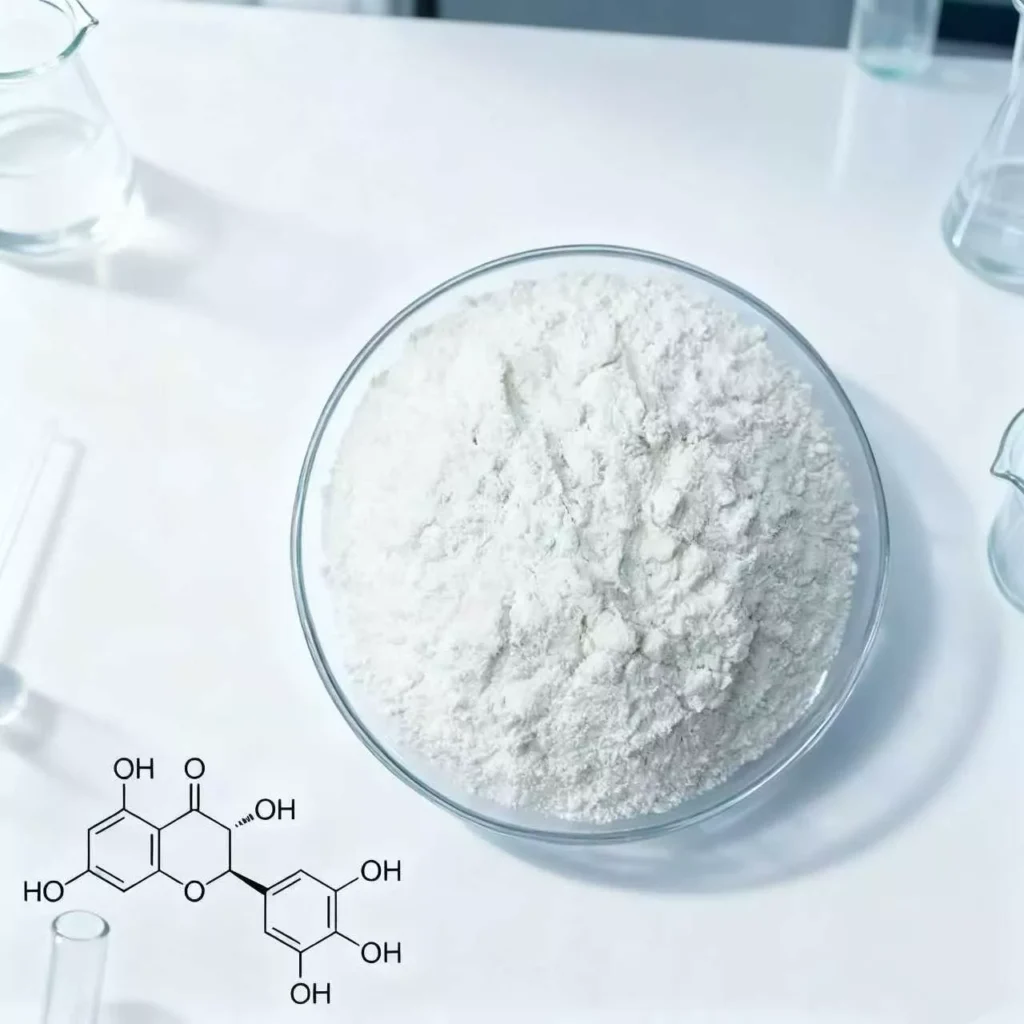
Magnesium Acetyl-Taurate is a chelates compound, meaning magnesium ions are bound with acetylated taurine. This unique structure helps magnesium cross the blood-brain barrier more efficiently — something most magnesium salts can’t do. In plain English: MAT delivers magnesium straight to your brain.
Chemically speaking, the combination enhances stability and absorption. Magnesium plays roles in over 300 enzymatic reactions, influencing everything from muscle contractions to neurotransmitter balance. Taurine, meanwhile, supports GABA activity, calming the nervous system. Together, they form a duo that supports both physical relaxation and mental clarity.
Magnesium Acetyl-Taurate Benefits: Why It’s Different
Consumers and researchers alike are drawn to MAT for several reasons:
| Health Benefit | Scientific Explanation | User Experience |
|---|---|---|
| Brain Health & Focus | Crosses blood-brain barrier, supports neuron signaling | Improved memory, focus, reduced “brain fog” |
| Stress & Anxiety Relief | Regulates GABA and cortisol levels | Calmer mood, better sleep quality |
| Cardiovascular Support | Taurine enhances magnesium’s heart-protective effects | Steadier heart rate, reduced palpitations |
| Improved Magnesium Absorption | Higher bioavailability compared to oxide or sulfate | More effective at smaller doses |
| Eye and Nerve Health | Combines antioxidant and ion-regulating properties | Reduced eye strain, nerve protection |
It’s this multi-targeted effect that makes Magnesium Acetyl-Taurate a darling among nootropic enthusiasts, athletes, and individuals with high-stress lifestyles.
Comparing MAT with Other Magnesium Types
Let’s compare MAT with other common magnesium forms to see why it stands out.
| Magnesium Type | Absorption Rate | Key Benefit | Common Use | Cost Level |
|---|---|---|---|---|
| Magnesium Oxide | Low (~4%) | Cheap source for laxatives | Digestive health | (Low) |
| Magnesium Citrate | Moderate (~30%) | Gentle laxative | Constipation relief | |
| Magnesium Glycinate | High (~50%) | Muscle relaxation | Sleep & muscle recovery | |
| Magnesium L-Threonate | Very High (~70%) | Cognitive enhancement | Nootropics | |
| Magnesium Acetyl-Taurate (MAT) | High (~60%) | Brain, heart, stress | Cognitive and cardiovascular support |
As shown above, MAT offers an impressive balance between bioavailability, cost, and function. Compared to L-Threonate, it’s more affordable; compared to citrate, it’s more potent for brain health. That makes it a perfect middle ground for supplement companies targeting both premium and mainstream audiences.
Why MAT Matters for Supplement and Nutraceutical Brands
When you’re formulating supplements, differentiation is everything. Consumers are savvy — they read labels, research ingredients, and expect evidence-based formulations. By incorporating Magnesium Acetyl-Taurate, you’re signaling that your brand values innovation and efficacy.
- For cognitive health products: MAT is a strong competitor to L-Threonate, offering similar results at a lower cost.
- For stress-relief formulas: The taurine synergy helps promote calmness, making it perfect for “chill-out” blends.
- For cardiovascular formulas: The dual action on magnesium and taurine supports heart rhythm and blood pressure.
And here’s the kicker — MAT is still relatively new in Western markets. That means less competition and a huge potential for brand differentiation. If you get in early and secure reliable suppliers, your brand could lead this trend before it becomes mainstream.
3. Why Source Magnesium Acetyl-Taurate from China
Now that we understand what makes MAT valuable, let’s explore why China has become the go-to source for this ingredient.
China’s Advantage in Chemical Synthesis and Raw Material Supply
China’s nutraceutical and pharmaceutical industries have grown at a breathtaking pace over the past two decades. The country isn’t just known for bulk production — it’s become a hub for high-purity, lab-tested ingredients with advanced synthesis technology.
Why is China better positioned than other countries?
Because its supply chain for raw materials — from taurine to magnesium salts — is integrated and cost-efficient. This allows manufacturers to scale production while maintaining strict quality control.
Regions like Zhejiang, Jiangsu, and Shandong are home to many GMP-certified factories specializing in amino acid and mineral synthesis. These manufacturers don’t just produce MAT; they often supply global pharmaceutical companies and supplement brands under OEM (Original Equipment Manufacturing) contracts.
Cost Advantages of Buying from China
One undeniable factor is cost. Manufacturing Magnesium Acetyl-Taurate in the U.S. or Europe can be two to three times more expensive due to higher labor and environmental compliance costs. Chinese suppliers benefit from:
- Economies of scale – Larger production volumes lower per-unit costs.
- Established infrastructure – Access to local taurine and magnesium suppliers.
- Currency advantage – The RMB exchange rate often favors importers.
- Flexible order sizes – Many suppliers offer low MOQs for new clients.
This means you can buy wholesale Magnesium Acetyl-Taurate from China at a fraction of Western pricing — without sacrificing quality, provided you vet suppliers properly.
Quality Assurance and Certifications
Now, you might be wondering — “But can I trust Chinese suppliers?”
The short answer is: yes, if you choose the right ones.
Reputable Magnesium Acetyl-Taurate manufacturers in China proudly hold certifications such as:
- ISO 9001 & ISO 22000: For quality and food safety management.
- GMP (Good Manufacturing Practice): Ensures pharmaceutical-grade processes.
- Halal & Kosher: For global compliance in diverse markets.
- COA (Certificate of Analysis): Proof of composition and purity.
- MSDS & HPLC Reports: For safety and assay verification.
Many factories also partner with third-party labs like SGS or Eurofins to conduct independent purity testing. This transparency builds trust with international buyers.
Major Manufacturing Regions in China
If you’re mapping out where to start your sourcing journey, focus on these industrial hubs:
| Region | Specialization | Reputation |
|---|---|---|
| Zhejiang Province | Amino acids, taurine derivatives, pharma-grade synthesis | Excellent quality and R&D capacity |
| Jiangsu Province | Nutraceuticals, supplement OEM manufacturing | Reliable mid-size factories |
| Shandong Province | Bulk powder production and export logistics | Cost-effective for wholesale orders |
Each region has its own strengths. For example, Zhejiang suppliers tend to lead in purity and stability testing, while Shandong factories often offer the best pricing on large-volume MAT powder.
China’s Competitive Edge Compared to Other Regions
To put things in perspective, here’s how China stacks up against other sourcing destinations:
| Country/Region | Production Cost | Technology Level | Certifications | Export Infrastructure | Overall Advantage |
|---|---|---|---|---|---|
| China | Low | Advanced | ISO, GMP, Halal, Kosher | Excellent | ✅ Best balance of cost and quality |
| India | Low-Mid | Moderate | GMP, ISO | Good | Competitive for some minerals, but MAT less common |
| USA | High | High | GMP, FDA | Excellent | Great quality, but costly |
| Europe (Germany/France) | Very High | High | GMP, EFSA | Strong | Premium pricing limits scalability |
As seen above, China offers the sweet spot: reliable quality, cutting-edge production methods, and unbeatable pricing. That’s why global supplement brands — from private labels to well-known names — quietly source Magnesium Acetyl-Taurate powder from China even if they market their products as “formulated in the USA”.
Bottom Line
Sourcing Magnesium Acetyl-Taurate from China gives you access to world-class manufacturers, cost-efficient pricing, and consistent quality — provided you do your homework. In the next section, we’ll walk through how to find and verify reliable suppliers, step by step.
4. How to Find Reliable Magnesium Acetyl-Taurate Suppliers in China
Finding a trustworthy Magnesium Acetyl-Taurate manufacturer in China can feel like searching for a needle in a haystack — especially if it’s your first time sourcing supplements abroad. The good news? Once you understand how the system works, it’s not nearly as complicated as it seems. The trick is knowing where to look, what to ask, and how to verify every claim.
Let’s break it down step by step.
Step 1: Use the Right B2B Platforms
The first stop for most buyers is online marketplaces. The big three for Chinese wholesale sourcing are:
- Alibaba.com – the most popular and diverse B2B platform, ideal for small to medium buyers.
- Made-in-China.com – known for detailed product listings and verified supplier badges.
- GlobalSources.com – often used by more experienced importers seeking export-ready suppliers.
Use search terms like “magnesium acetyl-taurate China supplier,” “bulk magnesium taurine supplement,” or “OEM magnesium acetyl-taurate manufacturer.” Filter by verified suppliers and check if they have a Trade Assurance badge (on Alibaba) or an Audited Supplier icon (on Made-in-China).
Don’t just settle for the first listing that looks good. Contact several suppliers to compare pricing, MOQ (minimum order quantity), lead times, and documentation.
Step 2: Check Business Licenses and Certifications
A legitimate manufacturer should have no issue sharing their business license () and certification documents. These typically include:
- ISO 9001/22000 – verifies standardized quality systems.
- GMP certificate – ensures clean, controlled production environments.
- Halal or Kosher certificate – needed for compliance in certain markets.
- COA (Certificate of Analysis) – confirms product identity, purity, and composition.
If a supplier hesitates to provide these, treat it as a red flag. A trustworthy exporter understands the importance of transparency.
Step 3: Request COA, MSDS, and HPLC Test Reports
Before even considering a purchase, you should always ask for technical documentation:
- COA (Certificate of Analysis): Confirms purity level (typically ≥98%) and active ingredient percentage.
- MSDS (Material Safety Data Sheet): Describes handling precautions and hazard information.
- HPLC (High-Performance Liquid Chromatography) report: Verifies the identity and potency of MAT.
The HPLC profile should match the expected retention time for Magnesium Acetyl-Taurate. If you’re unsure how to interpret it, hire a third-party lab in your country to test the sample later.
Step 4: Evaluate Factory Audits and Customer Reviews
Most reputable suppliers will have a factory audit report conducted by a third party such as SGS, TÜV, or Intertek. These reports assess:
- Production capacity
- Quality control processes
- Sanitation and safety measures
- Export experience
Also, check their customer feedback on B2B platforms. Look for repeat buyers, long-term clients, and reviews mentioning communication quality and product consistency.
You can even ask suppliers for video tours or virtual meetings via Zoom or WeChat. This gives you a sense of their professionalism and transparency.
Step 5: Start Small — Sample Orders First
Never — and I mean never — jump into large wholesale orders without testing samples first. Request a 100g to 1kg sample of Magnesium Acetyl-Taurate powder and evaluate:
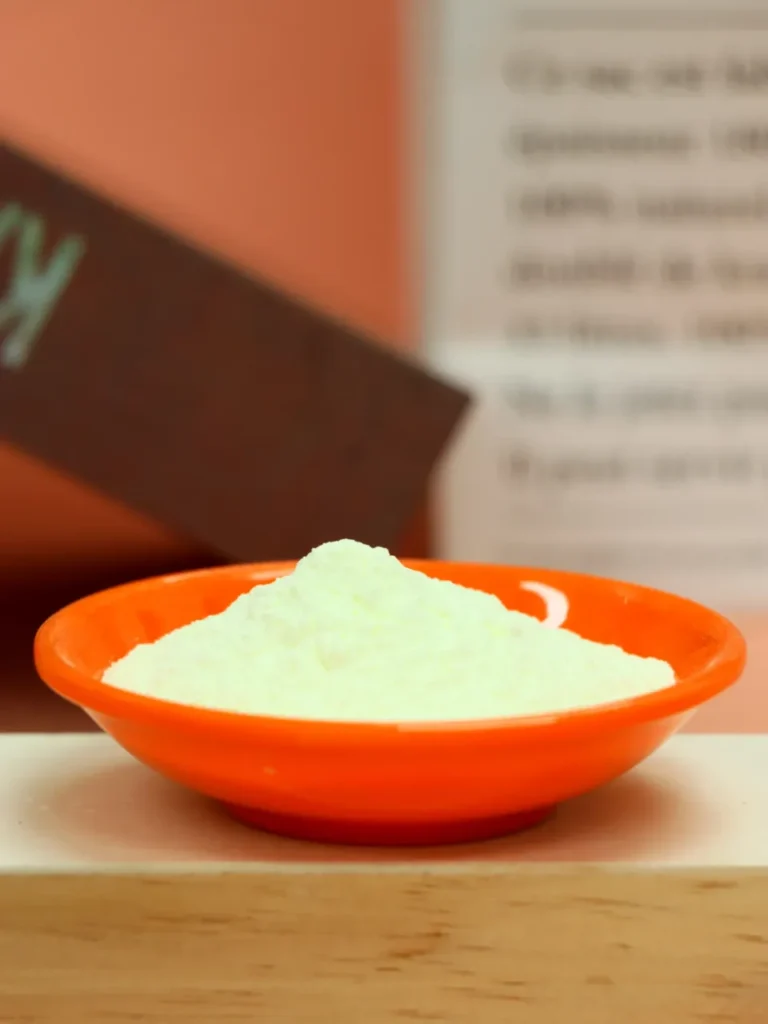
- Texture and color (pure MAT should be fine white powder)
- Solubility (dissolves easily in water or mild acids)
- Odor and taste (neutral to slightly metallic, not bitter)
- Documentation consistency (COA matches your lab results)
If the supplier refuses to provide samples or charges an excessive sample fee, move on. Reputable manufacturers treat sampling as a standard step.
Bonus Tip: Verify Suppliers via Third-Party Inspection Agencies
When in doubt, hire an inspection service in China. Companies like QIMA, AsiaInspection, or V-Trust offer pre-shipment checks, lab testing, and supplier verification. They can physically visit the factory, take photos, and confirm that what you’re buying truly exists.
For a few hundred dollars, you can save yourself thousands — and a lot of headaches later.
Pro Tip: Use OEM Supplement Factories
If you plan to launch your own branded MAT supplement, look for OEM (Original Equipment Manufacturer) partners. They can handle everything from formulation to encapsulation and labeling. Many Chinese OEM factories can produce private-label Magnesium Acetyl-Taurate capsules that are ready for retail distribution — complete with your custom branding.
This saves you time, avoids logistics complexity, and ensures consistency in quality and presentation.
5. Key Factors to Consider When Wholesaling Magnesium Acetyl-Taurate (MAT)
Okay, you’ve found potential suppliers. Now comes the next big step: evaluating how to wholesale Magnesium Acetyl-Taurate effectively.
When importing a raw supplement ingredient, you need to consider purity, packaging, logistics, and compliance. Let’s explore the major factors that determine success — and profitability.
1. Purity and Quality Control
High-quality MAT should have purity ≥98%. Anything below that could indicate contamination or incomplete synthesis. When evaluating suppliers, insist on:
- ICP-MS or HPLC testing for heavy metals (lead, cadmium, arsenic, mercury).
- Microbiological testing for bacteria, yeast, and mold counts.
- Moisture content below 2%.
- Bulk density data — useful for capsule formulation.
Pro Tip: Always cross-check the COA provided by the manufacturer with independent lab results once you receive your shipment. Some companies might “adjust” their COAs to look better on paper.
2. MOQ (Minimum Order Quantity) and Lead Times
Different suppliers have different MOQs. For example:
| Supplier Type | MOQ Range | Lead Time |
|---|---|---|
| Small trading company | 1–5 kg | 5–10 days |
| Mid-size factory | 25–100 kg | 10–20 days |
| Large manufacturer | 500+ kg | 20–30 days |
If you’re just testing the market, start with smaller MOQs from verified traders or small factories. Once you’re confident in the quality and customer response, scale up your purchases to lower your per-kilogram cost.
3. Packaging and Labeling Options
Magnesium Acetyl-Taurate is usually exported in 25 kg fiber drums lined with food-grade plastic bags. However, if you’re doing private labeling, ask the supplier for:
- Bulk powder packaging (1kg–25kg)
- Capsule options (OEM or ODM service)
- Custom labeling and branding
If you want your product retail-ready, make sure packaging materials meet your target country’s labeling laws (nutrition facts, allergen statements, batch numbers, expiry dates).
4. Shipping and Customs Regulations
Shipping supplements from China involves choosing between air freight and sea freight — each with pros and cons:
| Mode | Speed | Cost | Best For |
|---|---|---|---|
| Air Freight (CFR or DDP) | 5–10 days | More expensive | Urgent small batches |
| Sea Freight (FOB or CIF) | 25–40 days | Cheaper | Bulk wholesale orders |
For large orders (100kg+), sea freight is far more economical.
You can ship under trade terms like:
- CFR (Cost and Freight): You handle insurance and customs.
- DDP (Delivered Duty Paid): Supplier covers all costs up to your doorstep (great for new importers).
Just ensure MAT isn’t classified as a restricted compound in your country (most regions allow it as a dietary ingredient, but confirm with local authorities).
5. After-Sales Support and Technical Documentation
Your supplier’s job doesn’t end after shipping. A reliable Magnesium Acetyl-Taurate China supplier should provide:
- Ongoing technical support (handling, storage, formulation advice).
- Updated specification sheets when production batches change.
- Customer service responsiveness — ideally within 24 hours.
These small details often separate a short-term supplier from a long-term partner.
Key Takeaway
When wholesaling MAT, prioritize purity, documentation, and communication over price alone. A slightly higher cost per kilogram is often worth it for consistent quality and compliance.
6. How to Negotiate and Build Long-Term Partnerships
Once you’ve identified reliable suppliers, it’s time to master the art of negotiation — and partnership building. After all, a great deal isn’t just about price. It’s about creating a relationship that benefits both sides over the long haul.
Negotiate Smart, Not Hard
Many new importers approach negotiation like a battlefield — trying to push prices down as low as possible. That’s a rookie mistake. Suppliers appreciate buyers who understand that quality costs money. Instead of hammering them for discounts, focus on mutual value:
- Ask about price tiers (e.g., 25kg vs. 100kg vs. 500kg).
- Request combined discounts on shipping or packaging.
- Offer long-term purchase commitments in exchange for better rates.
Suppliers prefer stable, repeat buyers over one-time bargain hunters. Building rapport can unlock perks like faster lead times and priority production.
Importance of Clear Communication
Communication barriers can derail even the best deals. When working with Chinese suppliers, remember:
- Use simple English and avoid slang or idioms.
- Confirm everything in writing — especially specifications, Incoterms, and payment milestones.
- Use WeChat or email for consistent communication.
Don’t assume — always reconfirm. This avoids misunderstandings about purity levels, packaging formats, or shipment timelines.
Sample Testing Before Bulk Purchase
Before placing your first big order, always perform sample validation. Use third-party labs (in your country) to test:
- Magnesium content (should align with COA)
- Taurine content
- Moisture and heavy metals
This not only protects your investment but also builds confidence between you and the supplier. Once they see you’re serious about quality, they’ll take your orders more seriously too.
Building Trust-Based Partnerships
Long-term partnerships are built on three pillars: trust, reliability, and consistency.
- Trust: Starts with transparency — sharing all test results, batch data, and certifications.
- Reliability: Comes from delivering on time and maintaining consistent quality.
- Consistency: Means staying in touch, even when you’re not placing orders.
Visit the factory if possible — or schedule video tours. A real connection builds stronger business loyalty than any contract.
Pro Tip: Offer Feedback and Collaboration
Suppliers love feedback. If you find a slight issue in particle size, solubility, or packaging, let them know politely. Many Chinese manufacturers will go out of their way to customize future batches for you — making your product unique in the market.
Payment Terms That Protect You
For first orders, use secure payment methods such as:
- Alibaba Trade Assurance (escrow-style protection).
- PayPal (for small samples).
- T/T (bank transfer) with 30/70 rule – 30% deposit, 70% after quality confirmation.
Once trust is established, you can negotiate open account terms or deferred payment arrangements.
Summary: Negotiation and Relationship Secrets
| Goal | Best Practice | Result |
|---|---|---|
| Lower cost | Offer long-term purchase agreement | Better unit pricing |
| Avoid risk | Use verified platforms and trade assurance | Safer transactions |
| Build loyalty | Communicate clearly and consistently | Faster response, better service |
| Ensure quality | Test samples and give feedback | Consistent product quality |
When done right, negotiation becomes a win-win game. Instead of battling suppliers, think of them as teammates in your business growth story.
7. Common Pitfalls and How to Avoid Them When Wholesaling Magnesium Acetyl-Taurate
You’ve done your homework, found suppliers, and maybe even received your first quote. But before you dive in, let’s talk about the elephant in the room — the mistakes most importers make. Learning from others’ slip-ups can save you thousands of dollars and months of frustration.
1. Falling for “Too-Good-to-Be-True” Prices
You’ve probably seen listings offering Magnesium Acetyl-Taurate powder for half the market rate. Tempting, right?
But here’s the hard truth — when prices look too good, there’s usually a catch.
Some low-priced offers come from traders who don’t actually manufacture the product. Others may be selling impure or mislabelled compounds — sometimes even mixing cheaper magnesium salts like citrate or oxide. That’s like buying a sports car only to discover it has a lawnmower engine.
How to avoid this:
Always compare prices across at least 3–5 suppliers. Genuine MAT costs more to produce due to its synthesis process. If someone’s quote is 30–50% lower than the average, walk away.
2. Ignoring Import Regulations
Every country has different rules for supplement ingredients. In the U.S., for instance, the FDA categorizes Magnesium Acetyl-Taurate as a dietary ingredient, but you must comply with 21 CFR 111 (Good Manufacturing Practices).
In Europe, the EFSA regulates ingredient purity and labeling standards.
How to avoid this:
Before importing, consult your local food and drug authority or a customs broker. Ask questions like:
- Is MAT approved as a dietary ingredient?
- Are there purity or labeling requirements?
- Do I need pre-market registration?
Taking this step early prevents customs delays and potential fines later.
3. Skipping Third-Party Testing
Many new importers assume the supplier’s COA is enough proof. But remember — a COA is only as good as the lab that issued it.
Some unethical suppliers even reuse outdated COAs for multiple shipments (yes, it happens).
How to avoid this:
Always send a portion of your shipment to an independent lab (like Eurofins, SGS, or your national testing agency). Confirm purity, moisture, and heavy metals before releasing final payment.
4. Miscommunication About Product Specs
Ever received a batch that looked completely different from your sample? Maybe it’s clumpier, less soluble, or a different shade of white. That usually means the specification wasn’t clear in your contract.
How to avoid this:
- Specify color, solubility, purity, and particle size in your purchase order.
- Include the batch number and COA version agreed upon during sample testing.
- Confirm all communication in writing — no exceptions.
5. Neglecting Proper Storage and Shipping Conditions
Magnesium Acetyl-Taurate is stable, but not invincible. Exposure to high humidity or heat can degrade the compound, reducing potency.
How to avoid this:
- Store in a cool, dry environment (below 25°C).
- Use airtight containers with desiccant packs.
- Avoid long transit routes during extremely hot months.
- If using sea freight, ask for moisture-controlled containers.
A little care in logistics goes a long way toward maintaining quality.
6. Working with the Wrong Type of Supplier
In China, suppliers fall into three main categories:
- Manufacturers – they actually produce the product.
- Trading companies – they buy and resell, often adding a markup.
- Agents/brokers – middlemen who take a commission.
Each type has pros and cons. Manufacturers usually offer better prices and control but require higher MOQs. Traders offer flexibility but may not fully control quality.
Tip:
If you’re new, start with a verified trading company to learn the ropes. Once confident, transition to working directly with manufacturers for larger orders.
8. The Future of the Magnesium Acetyl-Taurate Market
Now, let’s zoom out and look at the bigger picture — where is this market heading?
The future of Magnesium Acetyl-Taurate (MAT) is incredibly bright, fueled by trends in brain health, stress management, and clean-label supplements.
Rising Consumer Demand for Brain and Mood Support
Modern consumers are burned out. Long hours, constant screen time, and stress have led to skyrocketing demand for nootropics and adaptogens. MAT fits perfectly in this niche.
According to recent reports, the global cognitive health supplement market is projected to exceed USD 12 billion by 2030, with magnesium-based compounds taking a larger share due to their proven neuroprotective effects.
As consumers become more ingredient-savvy, they’ll choose MAT over basic forms like oxide or citrate — because it’s stronger, faster-acting, and more bioavailable.
Focus on Bioavailability and Synergy
Consumers no longer just want “magnesium.” They want magnesium that works.
That’s why formulations combining magnesium with amino acids (like taurine, glycine, or threonate) are trending. These combinations improve absorption and target specific outcomes like calmness or cognition.
Magnesium Acetyl-Taurate is expected to gain traction alongside Magnesium L-Threonate, offering a more affordable yet highly effective alternative.
China’s Expanding Role in the Global Supplement Market
China isn’t just a supplier — it’s becoming a co-developer. Many Chinese factories now collaborate directly with Western nutraceutical brands on R&D, stability testing, and even patent development.
Expect to see more co-branded formulations and joint-venture manufacturing between Chinese labs and global supplement companies.
This means even higher consistency, traceability, and certification standards — making Chinese MAT exports even more competitive in the coming years.
Opportunities for Brand Differentiation
If you’re a supplement brand owner, this is your golden moment.
Because MAT isn’t yet mainstream, you can position your products as cutting-edge, neuro-enhancing, and stress-relieving before everyone else jumps in.
Here are a few creative product concepts:
- “Calm Clarity” Capsules – combining MAT with L-theanine and GABA for stress and focus.
- “Smart Heart Formula” – blending MAT with CoQ10 and omega-3 for heart-brain synergy.
- “Sleep Rebalance Complex” – pairing MAT with melatonin and ashwagandha.
These types of formulations align with consumer demand for clean-label, multifunctional supplements.
In Short
The Magnesium Acetyl-Taurate market is on an upward trajectory — driven by mental health awareness, lifestyle stress, and bioavailability science.
And with China’s manufacturing capabilities leading the charge, sourcing from the right suppliers now could mean huge returns later.
9. Conclusion
So, let’s tie it all together.
We’ve explored what Magnesium Acetyl-Taurate is, why it’s special, and how to source it from China without losing your shirt (or your sanity).
Here’s what we’ve learned:
- Magnesium Acetyl-Taurate (MAT) stands out for its brain and heart benefits, superior absorption, and stress-reducing properties.
- China offers the best balance of cost, technology, and certifications for wholesale MAT sourcing.
- You can find reliable suppliers via platforms like Alibaba or Made-in-China, but verification and third-party testing are non-negotiable.
- Smart negotiation and consistent communication build long-term supplier relationships.
- And the MAT market? It’s growing — fast. Now’s the time to get in before it becomes saturated.
So if you’re serious about entering the supplement space or expanding your product line, the opportunity is right in front of you.
10. FAQ
| Question | Answer |
|---|---|
| What is the MOQ for Magnesium Acetyl-Taurate wholesale? | It varies by supplier. Small factories may offer 1–5 kg as a minimum order, while larger manufacturers typically start at 25–100 kg. Always negotiate based on your forecast and testing needs. |
| Is Magnesium Acetyl-Taurate safe for supplements? | Yes. MAT is generally recognized as safe when used within standard dietary supplement doses. It’s non-toxic, non-irritating, and has been used in cognitive and cardiovascular formulas for years. However, always follow your country’s supplement regulations. |
| How do I test the purity of Magnesium Acetyl-Taurate? | You can request a COA and HPLC report from your supplier and confirm results with a third-party lab. High-quality MAT should test at ≥98% purity with no detectable heavy metals or contaminants. |
| Can I private label Magnesium Acetyl-Taurate capsules in China? | Absolutely. Many OEM factories in China can encapsulate, bottle, and label your product under your brand. Just make sure to review their GMP certification and export experience. |
| What’s the best Incoterm for beginners? | DDP (Delivered Duty Paid) is ideal for new importers since the supplier handles customs clearance, taxes, and shipping. For bulk orders, CIF or FOB can save costs if you have a trusted freight forwarder. |
| Does Magnesium Acetyl-Taurate have side effects? | MAT is well-tolerated. Minor side effects like mild stomach discomfort can occur if taken on an empty stomach or in very high doses. Most users experience no issues. |