
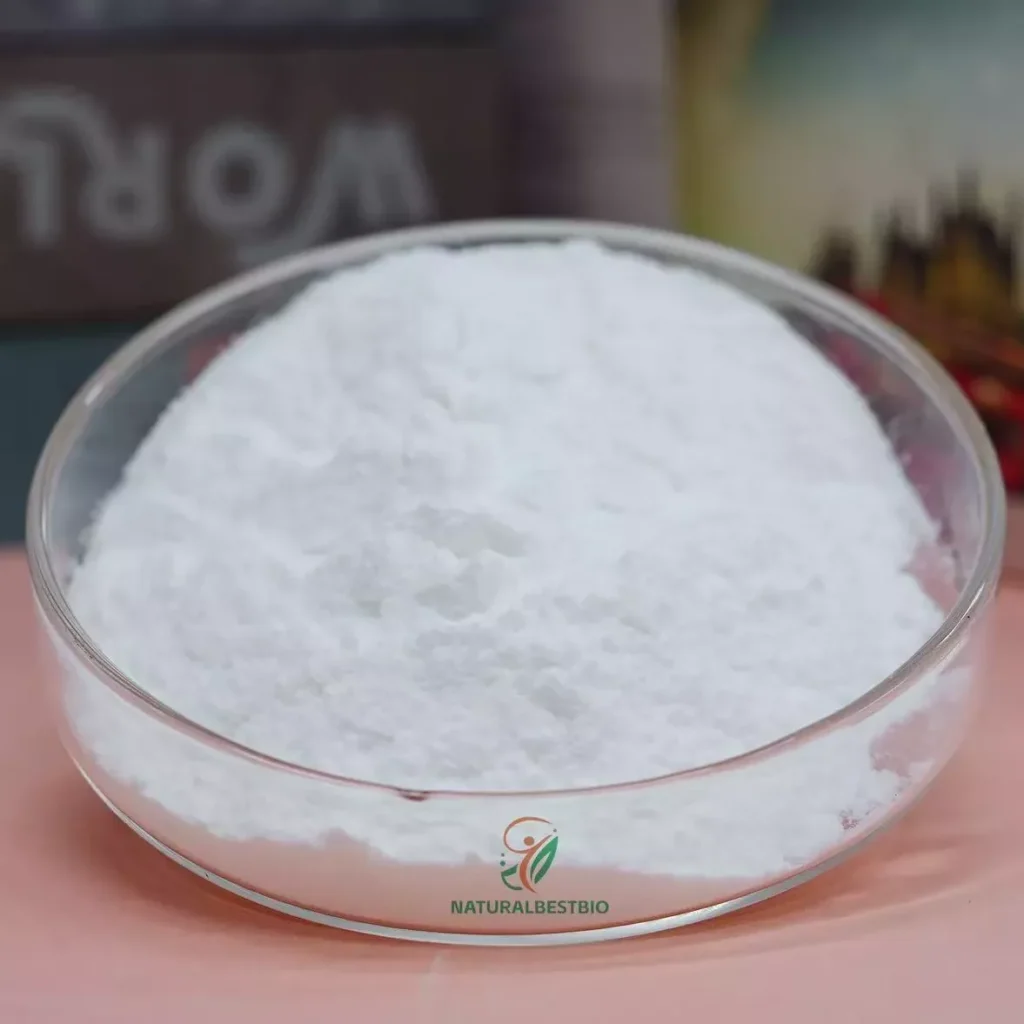
The global market for trigonelline has quietly exploded in recent years. Once known mainly to coffee chemists and plant biologists, trigonelline is now a rising star in nutraceuticals, cosmetics, functional foods, and pharmaceutical research. Companies searching for a reliable trigonelline supplier are discovering that sourcing this compound is far more complicated than it appears at first glance.
Why? Because the quality of trigonelline can vary dramatically depending on purity claims, extraction methods, regulatory compliance, and supply chain transparency.
Think of trigonelline like olive oil. Two bottles might both say “extra virgin,” but one is fresh, aromatic, and rich in nutrients, while the other is diluted, oxidized, or poorly processed. The label alone doesn’t tell the full story.
If you’re a buyer, researcher, or manufacturer, choosing the right trigonelline supplier can determine whether your product is safer, stronger, more stable, and more effective — or the opposite.
In this comprehensive guide, we’ll walk through seven common sourcing mistakes and explain how to evaluate suppliers more intelligently.
So let’s dig in.
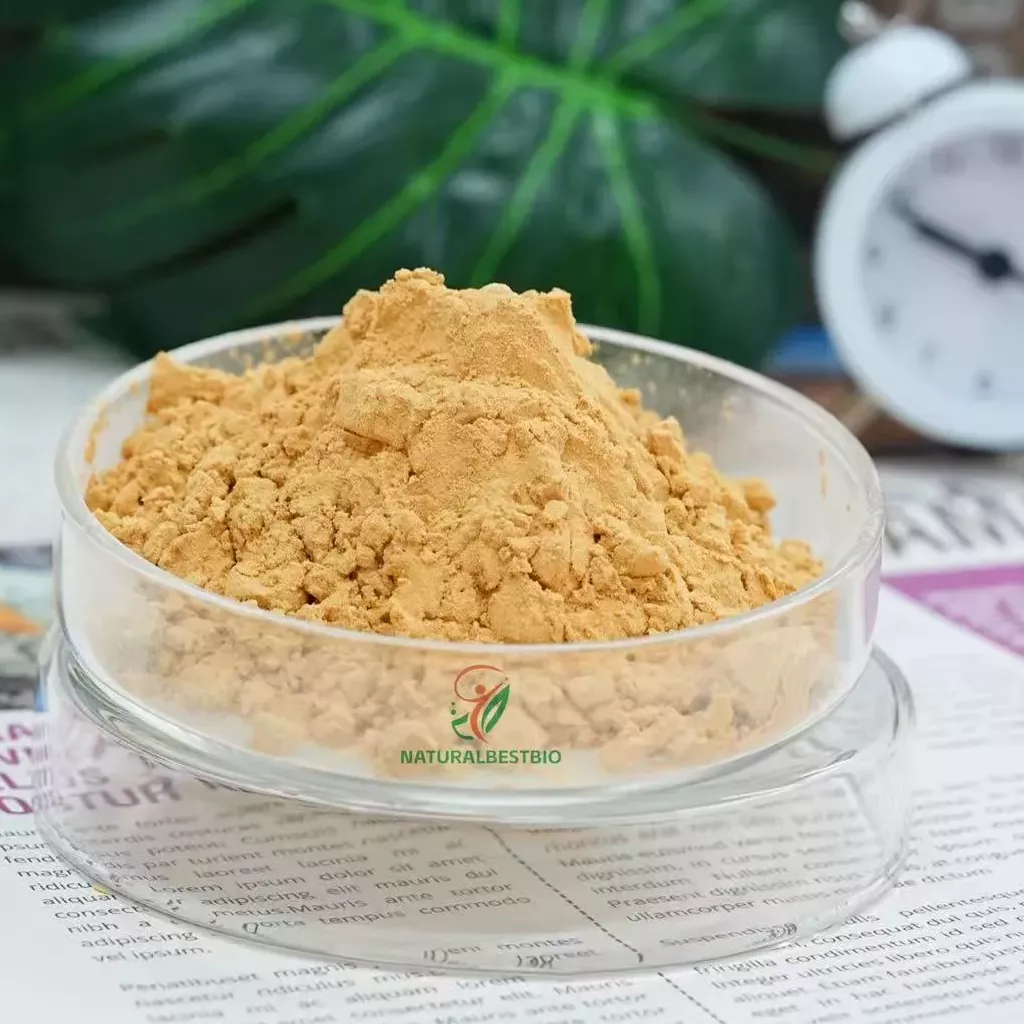
Understanding Trigonelline Before Choosing a Supplier
Before we talk about suppliers, we need to understand the molecule itself.
Trigonelline is a naturally occurring alkaloid found in several plants, including:
- Coffee beans
- Fenugreek seeds
- Garden peas
- Hemp seeds
- Certain medicinal herbs
Chemically, trigonelline is N-methylnicotinic acid, closely related to vitamin B3 (niacin).
Researchers have explored trigonelline for potential benefits such as:
- Blood glucose regulation
- Neuroprotective effects
- Anti-aging skin benefits
- Antioxidant activity
- Metabolic support
Because of these potential benefits, the demand for high-purity trigonelline powder is growing rapidly.
But not all trigonelline is created equal.
Some sources are more stable, more bioavailable, and cleaner than others.
This is why evaluating a trigonelline supplier requires a deeper look.
Mistaking “Purity” for “Potency” (The Specification Gap)
One of the biggest mistakes buyers make is assuming high purity automatically equals high potency.
At first glance, a specification sheet claiming “98% trigonelline purity” sounds excellent. But what does that actually mean?
Let’s break it down.
Purity vs Potency
Purity usually refers to the percentage of the target molecule detected through analytical testing (often HPLC).
But potency relates to how effective the compound is in real-world biological systems.
A trigonelline product can be:
- 98% pure but degraded
- 98% pure but contaminated with heavy metals
- 98% pure but poorly bioavailable
In other words, purity numbers alone don’t tell the full story.
Why This Happens
Some suppliers refine trigonelline aggressively using solvents or high heat.
Compared to gentler extraction methods, this process may produce a higher analytical purity, but it can also:
- Damage molecular stability
- Increase hygroscopic behavior
- Introduce residual solvents
So ironically, a 95% natural extract might be more stable and biologically effective compared to a synthetic 99% isolate.
What Smart Buyers Check
Instead of focusing only on purity numbers, experienced buyers request:
- Full COA (Certificate of Analysis)
- Chromatographic fingerprint
- Residual solvent testing
- Stability data
A reliable trigonelline supplier will provide these transparently.
If they hesitate? That’s a red flag.
Overlooking the “Extraction Route” Red Flag
The extraction method used to produce trigonelline is one of the most overlooked factors in supplier selection.
And yet it’s incredibly important.
Imagine two chefs making coffee:
- One slowly cold-brews for 18 hours
- Another boils the beans aggressively
Both technically make coffee, but the flavor, stability, and quality are completely different.
The same concept applies to trigonelline extraction.
Common Extraction Routes
| Extraction Method | Advantages | Disadvantages |
|---|---|---|
| Natural plant extraction | More natural, often cleaner | Lower yield |
| Synthetic production | Higher purity possible | More expensive and sometimes less stable |
| Fermentation | Sustainable and scalable | Technology still evolving |
Natural Extraction
Most trigonelline suppliers extract it from fenugreek seeds or coffee beans.
Compared to synthetic routes, natural extraction can be:
- More cost-effective
- More sustainable
- More consumer-friendly for labeling
However, natural extraction may contain trace plant compounds.
Synthetic Trigonelline
Synthetic trigonelline can achieve higher purity levels.
But compared to plant-derived versions, it is often:
- More expensive
- Less appealing for “natural product” labeling
- Sometimes less bioactive
This matters especially in nutraceutical markets.
Consumers increasingly prefer plant-derived ingredients.
Why Extraction Route Matters
The extraction process affects:
- Stability
- hygroscopicity
- taste profile
- shelf life
Ignoring this factor when selecting a trigonelline supplier can lead to quality inconsistencies later.
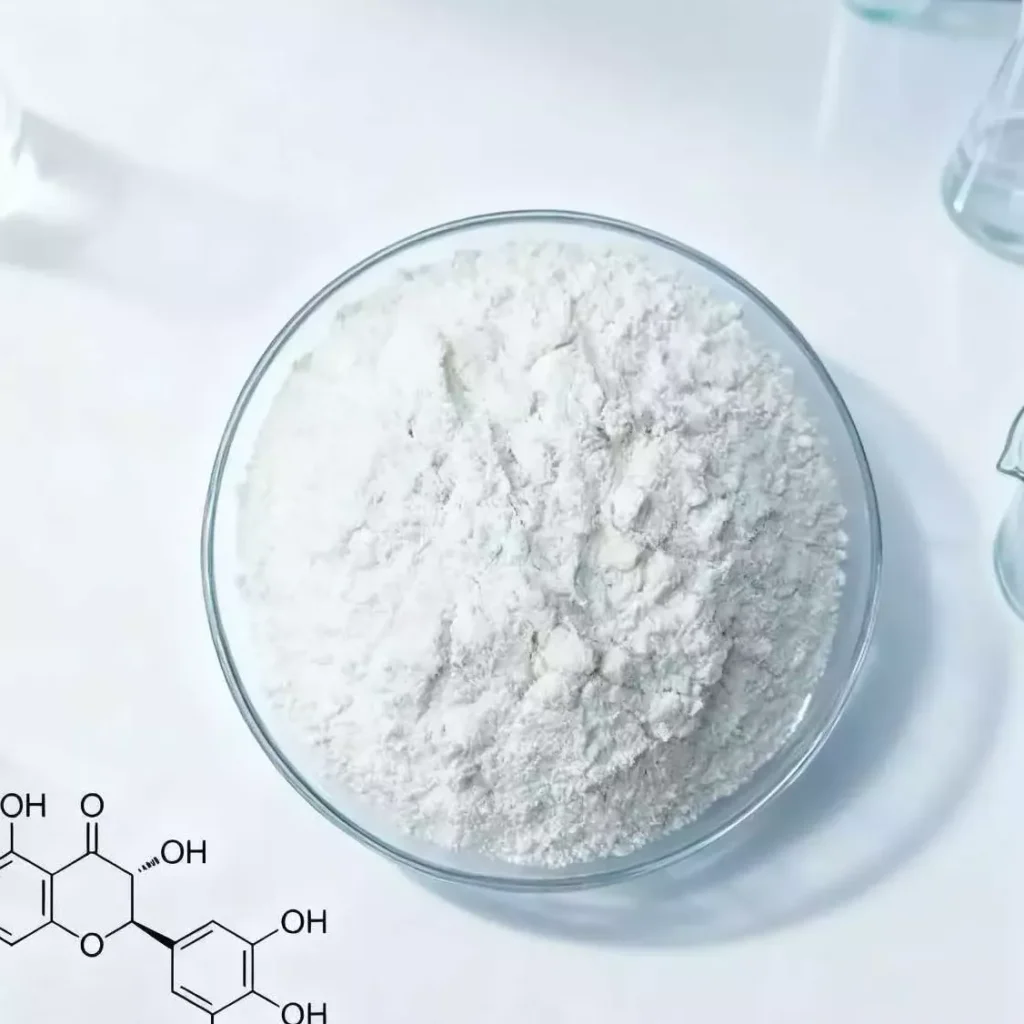
Ignoring Regional Regulatory Precedents
Another common sourcing mistake is overlooking regional regulations.
Different countries treat trigonelline very differently.
Some consider it a dietary supplement ingredient, while others treat it as a novel compound requiring approval.
Regulatory Landscape Comparison
| Region | Regulatory Status | Key Considerations |
|---|---|---|
| United States | Dietary supplement ingredient | Must follow FDA GMP |
| European Union | Often considered novel food | EFSA approval may be required |
| China | Functional ingredient | Local registration needed |
| Japan | Used in research & supplements | FOSHU frameworks |
Compared to the United States, the European Union regulatory pathway is stricter and slower.
That means a trigonelline supplier serving EU markets must maintain stronger documentation.
Why This Matters
Imagine sourcing trigonelline from a supplier without regulatory experience.
Your product might face:
- Customs delays
- Regulatory rejection
- Expensive reformulations
A supplier familiar with global regulatory frameworks is far more valuable.
Skipping the “Heavy Metal” Deep Dive
Heavy metal contamination is one of the most critical risks in botanical extraction.
Plants absorb minerals from soil, and unfortunately, that includes lead, arsenic, cadmium, and mercury.
Fenugreek — a common trigonelline source — can accumulate metals depending on soil conditions.
So skipping heavy metal testing is like buying seafood without checking mercury levels.
Typical Heavy Metal Limits
| Metal | Recommended Limit (ppm) |
|---|---|
| Lead | < 3 ppm |
| Arsenic | < 2 ppm |
| Cadmium | < 1 ppm |
| Mercury | < 0.1 ppm |
A trustworthy trigonelline supplier should provide ICP-MS test reports confirming these values.
Why This Matters
Heavy metals can cause:
- Neurological damage
- Kidney stress
- Long-term toxicity
Compared to slightly higher prices, cleaner material is always the better investment.
Cheap raw materials often become far more expensive later if recalls occur.
Underestimating the Hygroscopic Nature of Trigonelline
Here’s something many buyers discover too late:
Trigonelline is highly hygroscopic.
That means it absorbs moisture from the air quickly.
Imagine leaving a sponge on the kitchen counter. It pulls in water easily.
Trigonelline behaves similarly.
What Happens When Moisture Enters
When exposed to humidity, trigonelline may:
- Clump into solid masses
- Lose flowability
- Degrade faster
- Change assay values
Compared to more stable alkaloids, trigonelline requires better packaging conditions.
Storage Requirements
A reliable trigonelline supplier should ship material in:
- Aluminum foil vacuum bags
- Nitrogen-flushed containers
- Moisture barrier drums
Humidity control is not optional.
It’s essential.
Failing to Audit the “Grey Market” Supply Chain
One of the most surprising issues in the trigonelline market is the existence of grey-market intermediaries.
These are trading companies that:
- Do not manufacture the compound
- Do not test it themselves
- Simply resell material from unknown sources
Compared to direct manufacturers, these suppliers may offer cheaper prices, but they also bring major risks.
Typical Grey Market Warning Signs
- Inconsistent pricing
- Slow COA delivery
- Unclear factory location
- No GMP certification
Think of it like buying electronics from an unknown marketplace vendor.
Sure, the price might be lower, but the reliability is uncertain.
Direct Manufacturers vs Traders
| Supplier Type | Advantages | Disadvantages |
|---|---|---|
| Direct manufacturer | Better traceability | MOQ may be higher |
| Trader / broker | Lower MOQ | Less transparency |
A trusted trigonelline supplier should have clear manufacturing documentation.
The “MOQ Trap” (Minimum Order Quantity)
MOQ stands for Minimum Order Quantity, and it can become a major obstacle for smaller companies.
Some suppliers require orders of 25 kg, 50 kg, or even 100 kg.
For startups or research labs, that’s often too much.
Why Suppliers Set High MOQ
High MOQ helps manufacturers:
- Reduce production costs
- Simplify logistics
- Maintain consistent batches
But for buyers, it creates financial risk.
Imagine ordering 50 kg of a compound before testing it fully.
That’s like buying a truckload of coffee before tasting the beans.
Smart Strategy
Work with suppliers who offer:
- Pilot batch quantities
- Research-grade samples
- Flexible MOQ options
Compared to rigid suppliers, flexible partners make product development faster and safer.
Conclusion
After exploring all the potential pitfalls, how do you actually choose the right supplier?
Here’s a simple three-step vetting process.
Step 1: Verify Documentation
Ask for:
- COA
- Heavy metal test
- Residual solvent test
- GMP certification
Compared to vague data sheets, transparent documentation builds trust immediately.
Step 2: Test Small Batches First
Before committing to large purchases, order evaluation samples.
Test for:
- Stability
- Solubility
- Moisture sensitivity
This approach is safer and more cost-effective.
Step 3: Evaluate Supply Chain Stability
A good supplier should demonstrate:
- Consistent production
- Reliable logistics
- Long-term scalability
Compared to opportunistic traders, stable manufacturers support long-term growth.
FAQ
| Question | Answer |
|---|---|
| What is trigonelline used for? | Trigonelline is widely used in nutraceuticals, cosmetics, and pharmaceutical research for potential benefits related to metabolism, neuroprotection, and antioxidant activity. |
| Is natural trigonelline better than synthetic? | Natural trigonelline derived from plants is often preferred in supplements because it is easier to label as a natural ingredient, though synthetic versions may offer slightly higher purity. |
| What purity should trigonelline have? | Most commercial trigonelline powders range from 95% to 99% purity, depending on the extraction method and intended use. |
| How should trigonelline be stored? | It should be stored in cool, dry environments in moisture-proof packaging because it is highly hygroscopic. |
| What industries use trigonelline the most? | Nutraceuticals, cosmetics, functional foods, and pharmaceutical research sectors currently drive the highest demand. |
| What certifications should a trigonelline supplier have? | Ideally GMP, ISO, COA verification, heavy metal testing, and third-party lab validation. |
| What is the typical MOQ for trigonelline suppliers? | MOQ can vary widely from 100 g research samples to 25 kg industrial batches, depending on the supplier. |