
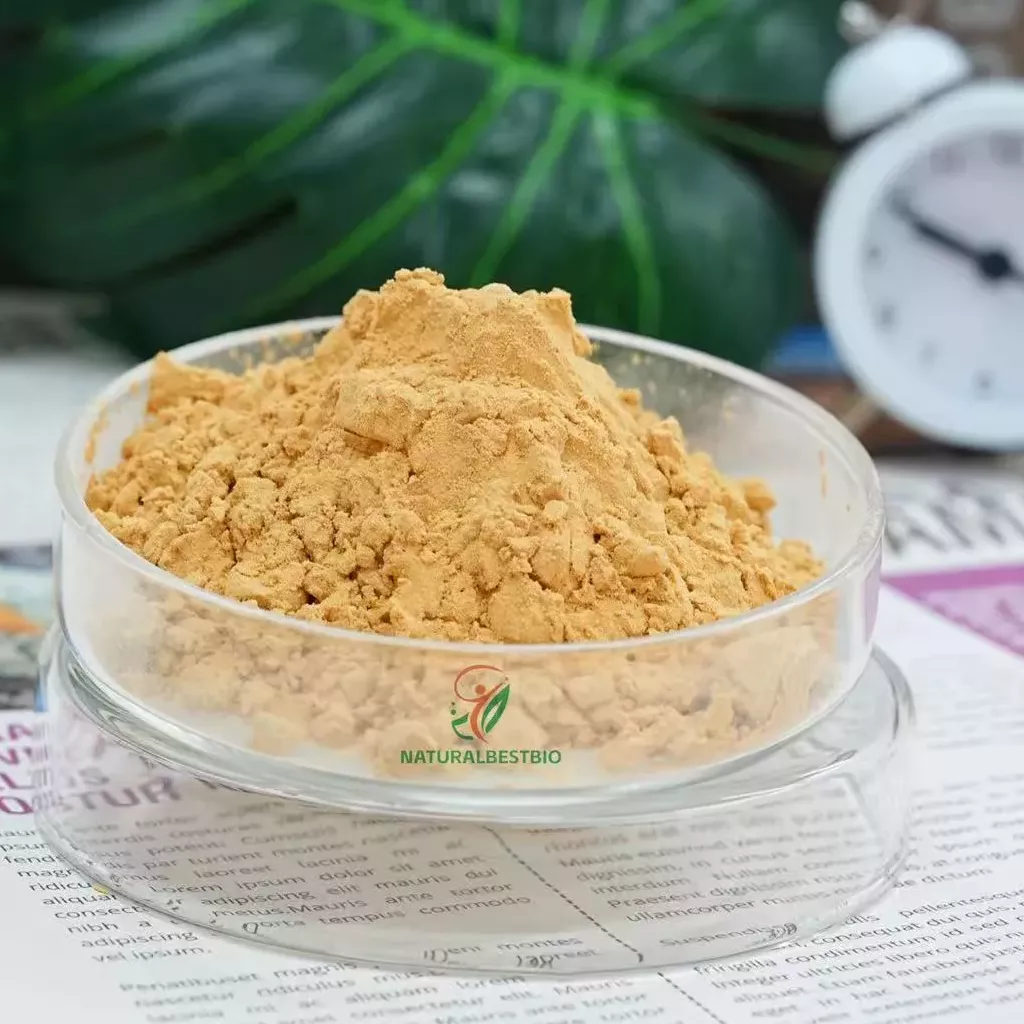
1. Introduction: Why PQQ Is Gaining Global Attention
If you’ve spent any time around the nutraceutical or functional food industry lately, you’ve probably noticed one acronym popping up again and again: PQQ. Short for Pyrroloquinoline Quinone, this compound has quietly moved from obscure biochemical research into the mainstream spotlight. And once that happens, suppliers matter—a lot.
The global demand for PQQ suppliers has grown faster compared to many other specialty ingredients. Why? Because PQQ is being positioned as better for cellular health, stronger in mitochondrial support, and more versatile compared to traditional antioxidants like CoQ10 or vitamin C. Dietary supplement brands, functional beverage manufacturers, and even pharmaceutical formulators are racing to include PQQ in new product lines.
But here’s the catch: not all PQQ is created equal.
Choosing the right PQQ (Pyrroloquinoline Quinone) supplier isn’t just a procurement decision—it’s a strategic business move. In a competitive market where quality, compliance, and consistency can make or break a brand, working with a reliable PQQ supplier is better, safer, and ultimately more cost-effective than chasing the cheapest option.
Think of it like building a house. You wouldn’t pick bricks based only on price, right? You’d want strength, durability, and long-term reliability. The same logic applies here.
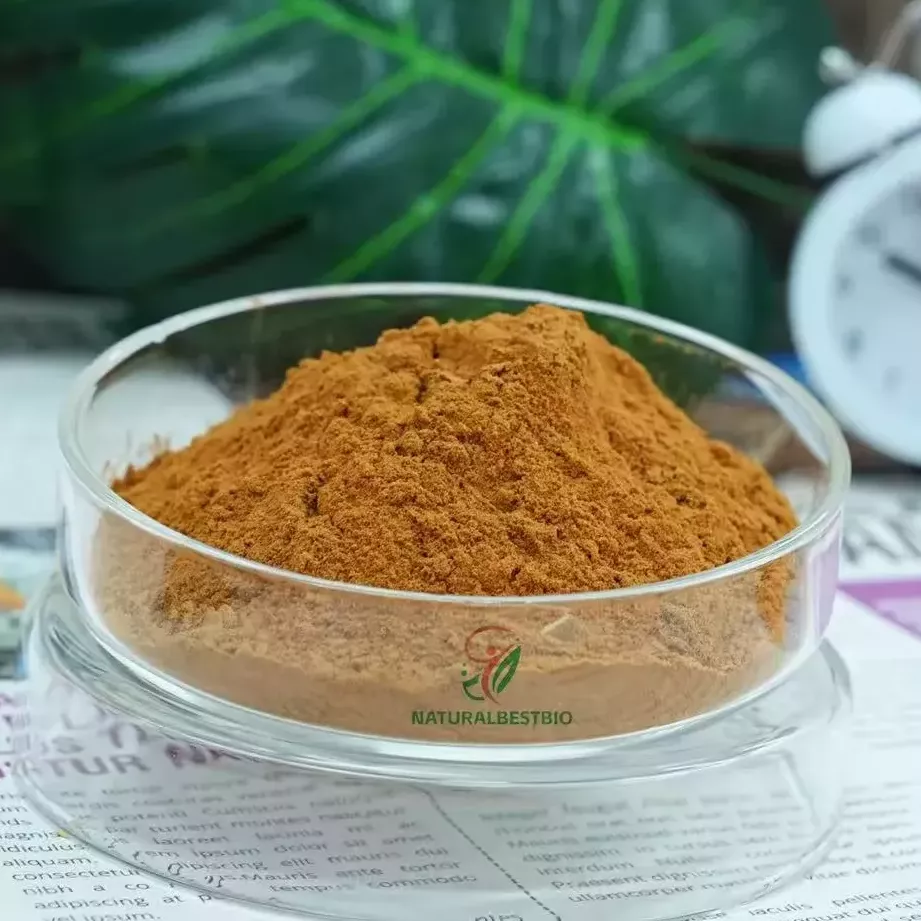
2. What Is PQQ (Pyrroloquinoline Quinone)? A Scientific and Commercial Overview
Understanding PQ from a Scientific Perspective
Pyrroloquinoline Quinone (PQQ) is a redox cofactor and quinone compound naturally present in trace amounts in certain foods and human tissues. Structurally, it’s small but mighty—its molecular configuration allows it to participate efficiently in electron transfer reactions, making it a stronger antioxidant compared to many conventional vitamins.
From a biochemical standpoint, PQQ is often compared to CoQ10. However, while CoQ10 mainly supports existing mitochondria, PQQ has been shown to stimulate mitochondrial biogenesis, which many researchers consider a better long-term cellular strategy.
Commercial Relevance of PQQ
From a sourcing standpoint, PQQ sits in a unique category:
- More expensive than commodity vitamins
- More potent per milligram
- Lighter dosages required in formulations
- Faster perceived innovation cycle compared to older antioxidants
These characteristics push buyers toward professional PQQ suppliers with proven production expertise rather than generic ingredient traders.
3. Types of PQQ Available on the Market
Not all PQQ products are the same, and experienced buyers know this well. Choosing the wrong type can result in formulation issues, regulatory setbacks, or even product recalls.
Common Commercial Forms of PQQ
| PQQ Type Description | Key Characteristics | Advantages Compared to Alternatives | Limitations and Considerations |
|---|---|---|---|
| PQQ Disodium Salt | Most widely used form | Better solubility, easier formulation | Slightly more expensive |
| PQQ Free Acid | Less processed | More “natural” perception | Poorer stability compared to salt |
| Fermentation-Derived PQQ | Biotechnological production | Stronger purity profile, scalable | Requires advanced supplier capability |
| Synthetic PQQ | Chemical synthesis | Faster production timelines | Higher impurity risk if poorly controlled |
High-quality PQQ suppliers typically specialize in fermentation-derived PQQ because it offers better consistency and lower contamination risks compared to purely synthetic options.
4. Core Qualities of a High-Standard PQQ Supplier
So what separates a high-standard PQQ supplier from an average one? It’s not just about having inventory.
Technical Expertise and Process Control
A professional PQQ supplier understands fermentation kinetics, purification steps, and crystallization parameters. This results in:
- Stronger batch-to-batch consistency
- Lower impurity profiles
- Better long-term stability
Compared to inexperienced suppliers, these partners deliver faster approvals and fewer formulation headaches.
Transparent Documentation
Reliable PQQ suppliers provide:
- Full Certificates of Analysis
- Traceable batch records
- Stability data under multiple storage conditions
This transparency is better for regulatory audits and safer for global distribution.
5. Certifications and Regulatory Compliance: What Buyers Should Look For
Regulatory compliance is where many sourcing decisions go wrong.
Essential Certifications for a PQQ Supplier
| Certification Area | Why It Matters | Risk If Missing |
|---|---|---|
| GMP (Good Manufacturing Practice) | Ensures controlled production | Higher contamination risk |
| ISO Quality Systems | Process standardization | Inconsistent quality |
| HACCP | Food safety management | Increased recall probability |
| Regulatory Dossiers | Market access | Delayed product launches |
Compared to uncertified suppliers, GMP-certified PQQ suppliers offer stronger regulatory confidence and faster market entry.
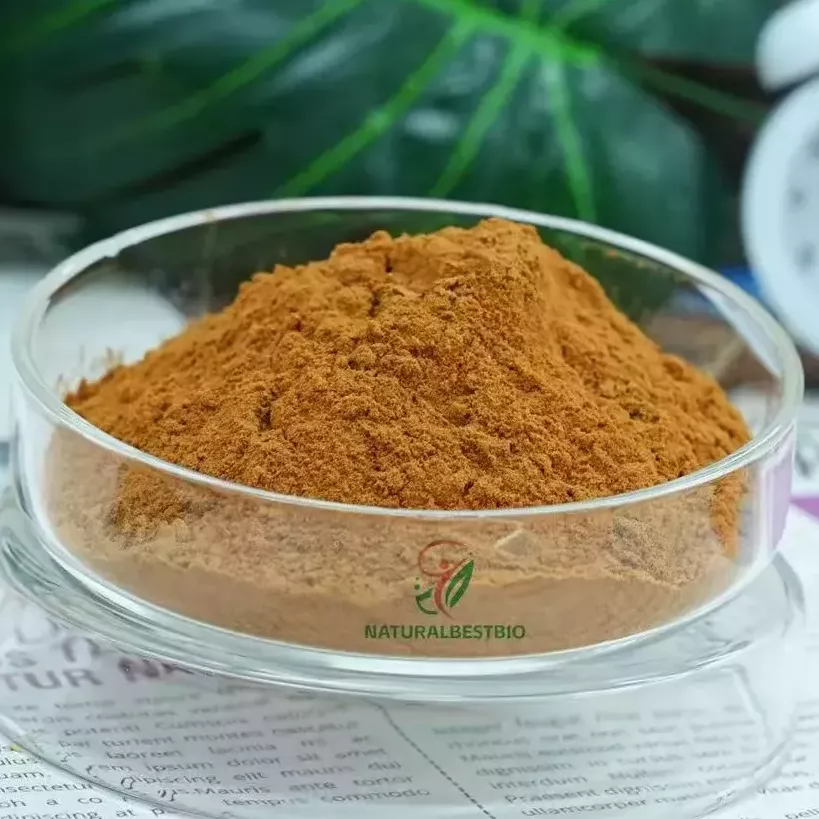
6. Quality Assurance and Testing Standards for PQQ
Quality assurance is where theory meets reality.
Critical Quality Parameters
Professional PQQ suppliers test for:
- Purity (HPLC analysis)
- Residual solvents
- Heavy metals
- Microbial contamination
Compared to suppliers with minimal testing, robust QA systems produce better consumer trust and lower post-market risk.
Stability and Shelf-Life Testing
PQQ is sensitive to light and humidity. Suppliers who understand this provide better packaging solutions, such as light-resistant containers and nitrogen flushing.
7. Supply Chain Reliability and Commercial Considerations
A PQQ supplier is only as good as their ability to deliver—on time, every time.
Supply Chain Strength
Compared to fragmented sourcing models, vertically integrated PQQ suppliers offer:
- Faster lead times
- Stronger inventory control
- Lower exposure to raw material price spikes
This translates into more predictable costs and less expensive emergency sourcing.
8. How the Right PQQ Supplier Creates Long-Term Business Value
Supporting Product Innovation and Formulation Optimization
Top-tier PQQ suppliers don’t just sell ingredients—they collaborate. They help optimize dosage, improve stability, and even suggest synergistic combinations compared to standalone PQQ usage.
Cost-Efficiency Through Strategic Partnerships
Long-term contracts often result in more stable pricing, which is better than spot purchasing in volatile markets.
Strategic Partnerships vs. Transactional Sourcing
Transactional sourcing may be cheaper upfront, but strategic partnerships are stronger over time, especially when regulatory or supply disruptions occur.
9. Common Mistakes When Selecting a PQQ Supplier
Overemphasis on Price
Choosing the least expensive supplier often leads to more expensive problems later—failed tests, recalls, or reformulations.
Ignoring Regulatory Risks
Incomplete documentation can delay launches by months. Compared to compliant suppliers, risky ones slow everything down.
Lack of Technical Support
Without post-sale support, even high-quality PQQ can underperform in formulations.
10. Future Outlook: The Evolving Role of PQQ Suppliers in the Health Industry
Innovation in Production Technology
Fermentation efficiency is improving, making PQQ lighter on resources and less expensive to produce.
Expanding Applications
PQQ is moving beyond supplements into medical nutrition and personalized health—areas where supplier expertise becomes even more critical.
Market Differentiation
Future-ready PQQ suppliers will differentiate through sustainability, traceability, and scientific collaboration—not just pricing.
11. FAQ
| Question | Answer |
|---|---|
| What makes a PQQ supplier reliable? | GMP certification, consistent quality, and strong regulatory support |
| Is fermentation-derived PQQ better? | Yes, compared to synthetic options, it’s generally purer and more stable |
| Is PQQ safe for long-term use? | When sourced from qualified suppliers and used appropriately, it is considered safe |
| Why is PQQ more expensive than other antioxidants? | Higher production complexity and lower dosage requirements |
| Can PQQ be combined with other ingredients? | Yes, especially with CoQ10 or B vitamins for synergistic effects |
Related ingredient pages
For buyer evaluation, compare this guide with the closest Nutrition BioTech ingredient pages and sourcing route.