
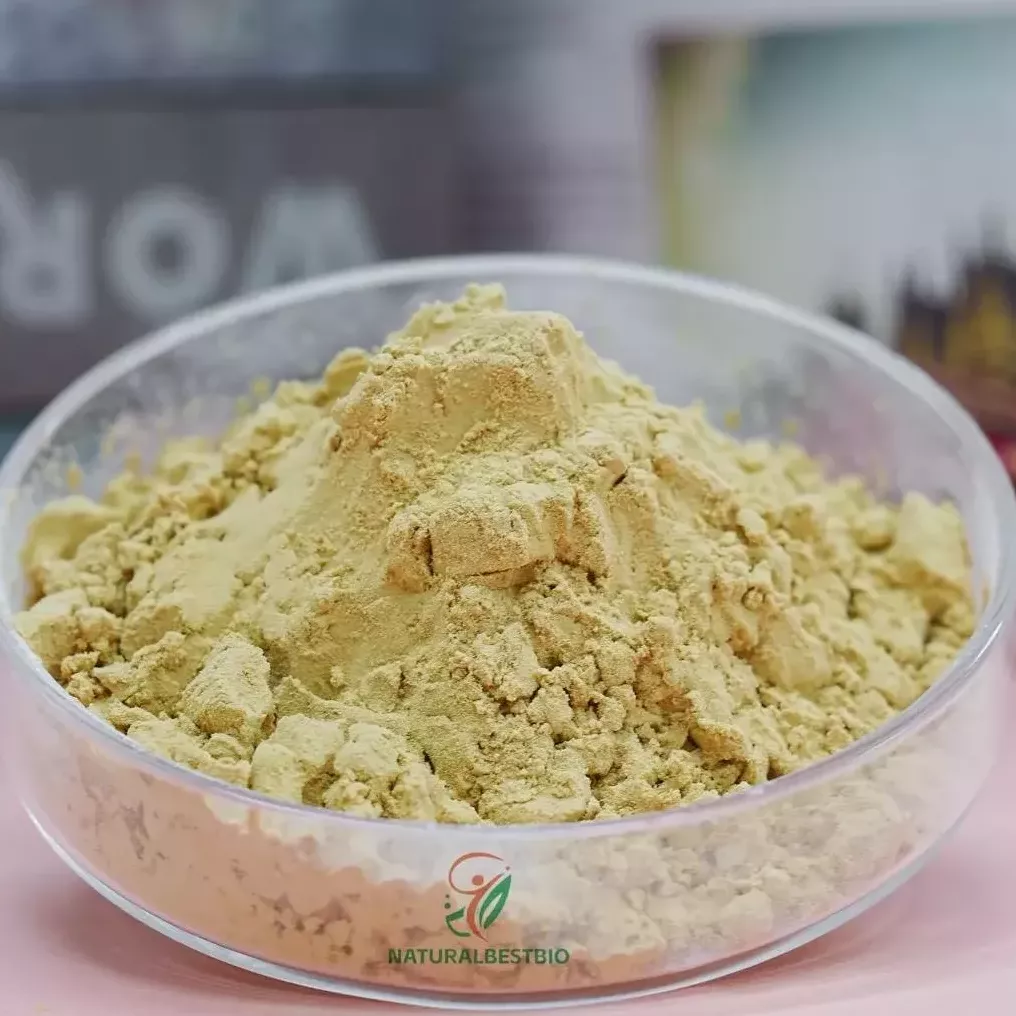
Chances are you’ve come across NAD+ boosters if you’ve been diving into the world of longevity, biohacking, or anti-aging supplements. In today’s competitive ingredient market, choosing a reliable NAD+ boosters supplier is the most critical decision for your brand’s supply chain safety. These compounds are everywhere—marketed as the “fuel” for cellular energy, the secret behind youthful aging, and even a shortcut to better metabolic health.
But here’s the catch: not all ingredient manufacturers are created equal. Some are transparent, science-backed, and trustworthy. Others? Let’s just say they’re more smoke and mirrors than substance.
Therefore, in this deep-dive guide, we’ll unpack the biggest red flags when evaluating a wholesale NAD+ boosters supplier, compare good vs. bad procurement practices, and help your business make smarter, safer bulk purchasing decisions.
1. “Proprietary Blend” Without Full Disclosure
Let’s start with a classic trick in the supplement industry: the mysterious “proprietary blend.” It sounds fancy, right? Almost like a secret recipe passed down through generations. However, the commercial reality is that it often hides more than it reveals.
1.1 What’s the Formulation Problem?
A proprietary blend means the ingredient vendor lists raw materials—but not their exact amounts. Consequently, instead of B2B transparency, you get formulation ambiguity. Imagine buying a beverage labeled “Contains fruits and vegetables.” It contains them, but how much spinach is there compared to banana? That is a massive difference for a manufacturer.
1.2 Why It Matters for an NAD+ Boosters Supplier
NAD+ precursors like NMN (Nicotinamide Mononucleotide) and NR (Nicotinamide Riboside) are highly dosage-sensitive. Too little makes your finished product completely ineffective, while too much can cause potential side effects for the consumer.
| Feature | Transparent Formula | Proprietary Blend |
| Ingredient Dosage | Clearly listed | Hidden |
| Trust Level | Higher | Lower |
| Effectiveness | Predictable | Uncertain |
| Consumer Control | Better | Worse |
Bottom line: A transparent, open-label partner is always better than any factory hiding behind vague commercial blends.

2. No Third-Party COA (Certificate of Analysis)
Let’s talk about independent proof. Because in the bulk supplement distribution world, marketing claims are cheap—but laboratory verification is everything.
2.1 What Is a Valid COA?
A Certificate of Analysis (COA) is an official lab report verifying product purity, ingredient potency, and the absolute absence of contaminants like heavy metals or harmful microbes. Think of it like a product’s chemical report card.
2.2 Why COAs Predict Supplier Credibility
Without a verified third-party COA from an independent laboratory, you don’t know if the raw material actually contains authentic NMN or NR. Furthermore, you can’t verify dosage accuracy, risking massive contamination exposure for your brand.
Some questionable sales reps will say, “We test everything internally.” However, that’s like grading your own exam. It is not exactly unbiased. To secure your supply chain, always demand independent third-party testing from internationally recognized bodies like the U.S. Pharmacopeia (USP) to ensure strict adherence to global purity standards.
3. Missing or “In Progress” GMP Certification
Ever seen a raw material manufacturer claim their “GMP certification is currently pending”? That’s the regulatory equivalent of saying, “We’re almost following international safety standards.”
3.1 What Is Authentic GMP?
The Good Manufacturing Practices (GMP) standard ensures clean facilities, consistent production runs, and rigid quality control systems across the entire bio-tech supply chain.
3.2 Why “In Progress” Regulated Status Fails
Compared to fully certified manufacturers, “in progress” facilities are fundamentally less reliable. They usually lack proper batch-to-batch quality checks, and their risk of cross-contamination is significantly higher. If your business reputation is on the line, “almost compliant” is a major compliance risk.
4. Unbelievably Low Prices – The “Too Good to Be True” Trap
We all love a bargain.
But when it comes to NAD+ boosters, cheap can be expensive—in the worst way.
Why Are Some Suppliers So Cheap?
Because they cut corners:
- Lower purity ingredients
- Fake or diluted NMN
- Poor manufacturing standards
Real Cost vs. Cheap Cost
| Factor | High-Quality Supplier | Cheap Supplier |
|---|---|---|
| Price | More expensive | Less expensive |
| Purity | Higher | Lower |
| Effectiveness | Better | Weaker |
| Risk | Lower | Higher |
Think of it like buying a parachute.
Would you go for the cheapest option?
Sometimes, paying more upfront is safer, stronger, and ultimately better.
5. No Clear Sourcing of Raw Materials
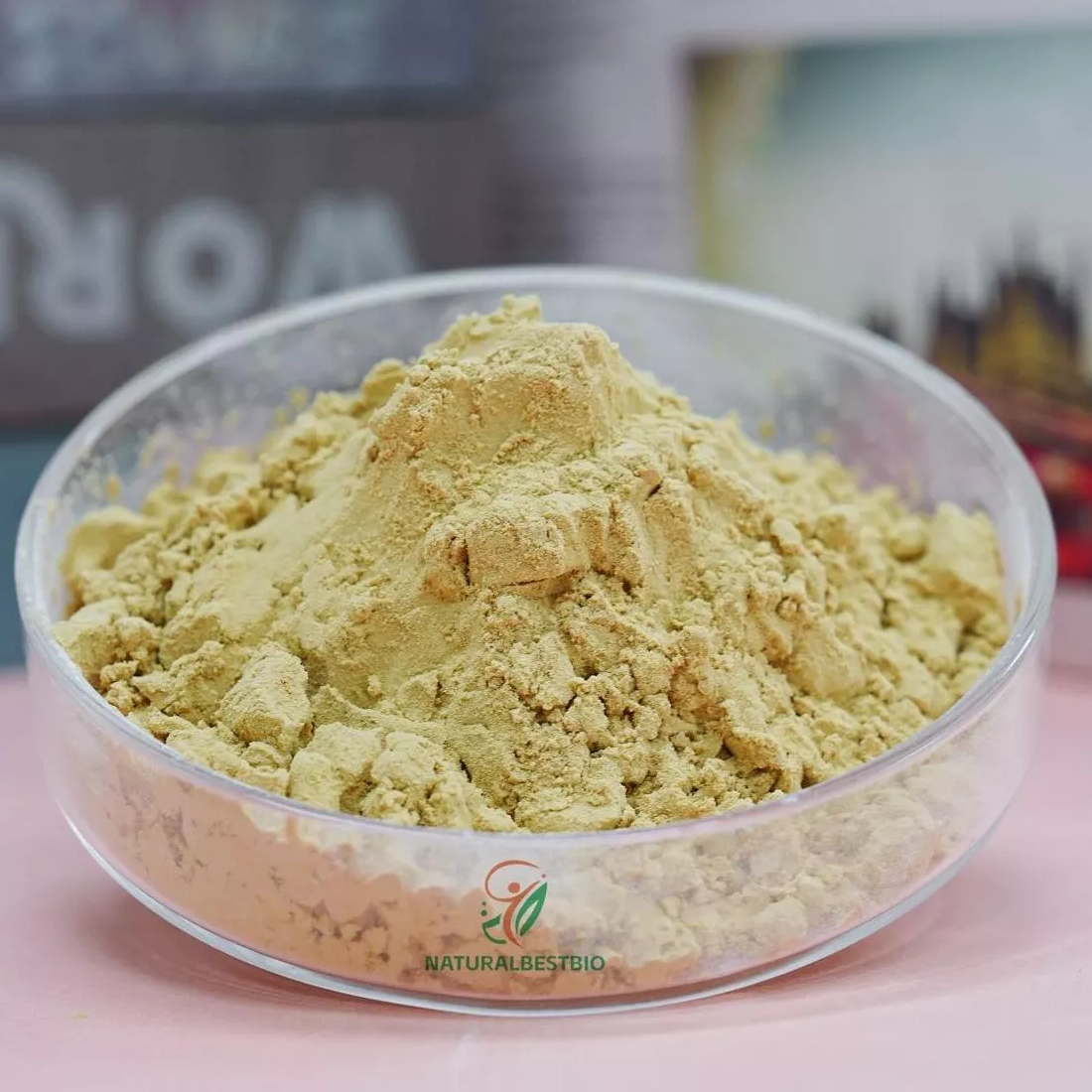
Where does the NAD+ precursor actually come from?
If the supplier can’t answer that clearly—walk away.
Why Sourcing Matters
Raw material quality directly affects:
- Bioavailability
- Safety
- Stability
Good vs. Bad Transparency
| Aspect | Clear Sourcing | Unknown Source |
|---|---|---|
| Trust | Higher | Lower |
| Consistency | Better | Variable |
| Safety | Stronger | Riskier |
High-quality suppliers often highlight:
- Origin country
- Production method (fermentation vs. synthetic)
6. Inconsistent or Faked Stability Data
NAD+ boosters aren’t invincible.
They degrade—especially under heat, light, and humidity.
What Is Stability Data?
It shows how long a product remains effective.
Red Flags
- Unrealistic shelf-life claims
- No storage instructions
- Lack of testing data
Why It Matters
Compared to stable formulations:
- Unstable products lose potency faster
- You may be taking something ineffective
Stability is like battery life. If it drains too fast, what’s the point?
7. Avoids Regulatory Conversations Like a Politician
Ever tried asking a supplier about regulations… and got vague answers?
That’s a problem.
What Should They Know?
A reliable supplier should understand:
- FDA dietary supplement guidelines
- Import/export compliance
- Labeling requirements
Red Flag Behavior
- Dodging questions
- Overpromising health claims
- No documentation
If they sound like they’re avoiding the topic, they probably are.
8. No Batch-to-Batch Consistency Guarantee
Consistency is everything.
Imagine buying your favorite coffee—and it tastes different every time.
Annoying, right?
Now imagine that with your health supplement.
Why It Matters
Without consistency:
- Dosage varies
- Effects fluctuate
- Trust erodes
Comparison
| Feature | Consistent Supplier | Inconsistent Supplier |
|---|---|---|
| Product Quality | Stable | Variable |
| User Experience | Reliable | Unpredictable |
| Results | Better | Worse |
Consistency = reliability.
9. Secretive About Manufacturing Site & Conditions
Transparency builds trust.
Secrecy? Not so much.
What Should Be Disclosed?
- Facility location
- Production standards
- Certifications
Why It Matters
Compared to open suppliers:
- Secretive ones often hide poor conditions
- Risk of contamination is higher
If they won’t show you where it’s made, ask yourself why.
10. Pushy Sales, Zero Post-Sale Support
Ever felt pressured to buy something quickly?
That’s a tactic—not a sign of quality.
Red Flags
- Aggressive upselling
- Limited-time scare tactics
- No customer support after purchase
Good Supplier Behavior
- Educates instead of pressures
- Offers support
- Provides refunds or guarantees
A trustworthy supplier builds relationships—not just transactions.
12. FAQ
| Question | Answer |
|---|---|
| What is an NAD+ booster supplier? | A company that manufactures or distributes supplements designed to increase NAD+ levels in the body, often using NMN or NR. |
| Are all NAD+ boosters the same? | No. Quality varies widely depending on sourcing, manufacturing, and testing. |
| How can I verify a supplier’s credibility? | Look for third-party COA, GMP certification, and transparent labeling. |
| Are cheaper NAD+ boosters effective? | Sometimes, but often they are less effective or lower quality compared to more expensive, tested options. |
| What are the risks of low-quality suppliers? | Contamination, incorrect dosage, reduced effectiveness, and potential side effects. |
| Who should use NAD+ boosters? | Typically adults interested in aging support, energy metabolism, or cellular health—but always consult a healthcare professional. |
| Are there side effects? | Some users report mild effects like nausea or flushing, especially at higher doses. |
| How should NAD+ boosters be stored? | Usually in a cool, dry place—some require refrigeration for stability. |