
Introduction
Have you noticed how fenugreek seems to be popping up everywhere—from health supplements to gourmet kitchens? It’s like this humble seed suddenly became the superstar of wellness and nutrition. But why all the hype? Well, fenugreek extract is no ordinary herb; it’s a powerhouse of nutrients that can transform health routines, culinary creations, and even cosmetic products.
For businesses and health enthusiasts alike, buying fenugreek extract in bulk is quickly becoming a smart move. Think about it—why buy a tiny jar when you can secure a consistent, cost-effective supply that keeps your recipes, products, or supplements flowing smoothly? Whether you’re a small organic skincare brand or a large food manufacturer, having GMP-certified fenugreek extract on hand means reliability, safety, and quality—all rolled into one potent ingredient.
In this guide, we’re going to dive deep into the world of GMP certified fenugreek extract. We’ll explore what makes it special, why buying in bulk is beneficial, how to pick the right supplier, and how to use it safely and effectively. By the end, you’ll understand why this golden seed is worth every penny—and why bulk might just be the better choice for you.
What is Fenugreek Extract?
Fenugreek, scientifically known as Trigonella foenum-graecum, is a plant native to the Mediterranean, North Africa, and Western Asia. Its seeds have been treasured for thousands of years, not just for flavor, but also for their health-boosting properties. When we talk about fenugreek extract, we’re talking about a concentrated form of the seed’s active compounds—essentially a supercharged version of the seeds themselves.
Key Components of Fenugreek Extract
Fenugreek extract is rich in several bioactive compounds that make it a superstar in health and wellness:
- Saponins – These natural compounds are known for their cholesterol-lowering properties and hormone-supporting abilities.
- Fiber – Helps regulate digestion and maintain blood sugar levels.
- Vitamins & Minerals – Fenugreek contains iron, magnesium, manganese, vitamin B6, and other nutrients critical for overall well-being.
Compared to taking whole seeds, the extract form is more potent, faster acting, and easier to incorporate into daily routines. For example, instead of grinding seeds and steeping them into a bitter tea, you can use the extract in capsules, smoothies, or skincare formulations—better absorption, less hassle.
Benefits Overview
Fenugreek extract isn’t just a one-trick pony. Its uses span multiple industries:
- Health: Supports digestion, helps regulate blood sugar, boosts lactation for new mothers, and even enhances testosterone naturally in men.
- Culinary: Adds a nutty, slightly sweet flavor to dishes, perfect for spice blends or natural sweetening.
- Cosmetic: Infuses hair care and skincare products with nutrients that promote stronger hair, softer skin, and a healthy glow.
Traditionally, fenugreek was used in Ayurveda and Middle Eastern medicine as a tonic for general health. Today, modern extraction techniques have turned it into a standardized, high-quality product suitable for supplements, foods, and beauty products—making it faster, stronger, and more reliable than traditional whole seeds.
Benefits of Fenugreek Extract
Fenugreek extract isn’t just a fancy health fad—it’s a versatile powerhouse that can improve your health, elevate your cooking, and even enhance your beauty routine. Let’s break it down so you can see why it’s worth adding to your daily life—or your business’s product line.
Health Benefits of Fenugreek Extract
When it comes to health, fenugreek extract shines bright compared to many other herbal supplements.
- Boosts Digestion – Thanks to its high fiber content, fenugreek extract helps keep your digestive system on track. Unlike some other herbal remedies, it works gently but effectively, promoting regularity and easing occasional bloating.
- Regulates Blood Sugar – For people managing diabetes or blood sugar spikes, fenugreek extract is a natural ally. Studies show that its saponins help slow the absorption of sugars in the gut, leading to steadier blood glucose levels. Compared to synthetic medications, fenugreek extract is gentler on your body while still offering noticeable benefits.
- Supports Lactation – Nursing mothers often swear by fenugreek. The compounds in the extract can stimulate milk production, making it a safer, natural alternative to prescription galactagogues.
- Enhances Testosterone & Libido – Fenugreek has been linked to higher testosterone levels in men, supporting strength, stamina, and overall vitality. Compared to synthetic supplements, fenugreek extract works subtly but effectively, making it a better long-term solution without harsh side effects.
- Anti-Inflammatory & Antioxidant Properties – The seed’s natural antioxidants help reduce inflammation and oxidative stress in the body, supporting general wellness and longevity.
Culinary Uses of Fenugreek Extract
Fenugreek isn’t just a health hero; it’s a flavor enhancer. Compared to whole seeds, the extract form gives a more consistent and potent flavor without the bitterness.
- Flavoring Agent – Perfect for soups, stews, and sauces, fenugreek adds a nutty, slightly sweet undertone that’s hard to replicate with other spices.
- Spice Blends – Many chefs prefer the extract for spice mixes, curry powders, and marinades because it distributes flavor evenly.
- Natural Sweetener – Interestingly, fenugreek extract has a mild sweetness, making it a healthier alternative to sugar in some recipes. Compared to artificial sweeteners, it’s more natural and comes with the added bonus of fiber and nutrients.
Cosmetic Applications of Fenugreek Extract
Beauty brands love fenugreek extract for its natural hair and skin benefits. Compared to chemical additives, it’s gentler, safer, and nutrient-rich.
- Hair Care – Promotes hair growth, reduces dandruff, and strengthens hair follicles. Many shampoos, oils, and hair masks now include fenugreek extract because it works faster and more effectively than some conventional treatments.
- Skin Care – Helps soothe irritation, hydrate skin, and promote a natural glow. Its anti-inflammatory properties make it ideal for sensitive or acne-prone skin, offering a better alternative to harsher chemical creams.
In short, fenugreek extract is multifunctional—health booster, culinary enhancer, and cosmetic superstar. Compared to using the raw seeds, the extract form is stronger, easier to dose, and integrates seamlessly into both personal routines and product formulations.
Why Buy Fenugreek Extract in Bulk
If you’ve ever bought supplements, natural ingredients, or herbal extracts for personal use or business, you’ve probably noticed how fast small quantities run out—and how expensive they can get. Buying fenugreek extract in bulk isn’t just about saving money (though that’s a big plus); it’s also about consistency, sustainability, and control. Let’s dig into why bulk purchasing is a game-changer, especially when it comes to GMP certified fenugreek extract.
1. Cost-Effectiveness: Lower Price Per Unit
Let’s be honest—cost is one of the biggest motivators for bulk buying. When you buy fenugreek extract in bulk, you typically pay a lower price per kilogram compared to smaller retail packs. Think of it like buying groceries at a warehouse store instead of a convenience shop: you spend more upfront but save a lot in the long run.
For manufacturers, supplement brands, or small businesses, this translates into better profit margins and more competitive pricing. Plus, you avoid repeated shipping costs, which adds up surprisingly fast. Compared to frequent small purchases, bulk buying is lighter on your budget over time.
2. Consistency and Supply Reliability
Imagine launching a popular supplement or skincare product only to find that your supplier has run out of your main ingredient. Nightmare, right? Buying fenugreek extract in bulk helps prevent that.
When you order in large quantities, you lock in a consistent supply, ensuring your production line keeps moving smoothly. This consistency also helps with quality control—every batch of your final product has the same color, aroma, and potency. Compared to buying from different suppliers each time, bulk sourcing guarantees uniformity and reliability.
3. Customization and Extract Strength
Another reason many businesses go bulk is customization. Bulk suppliers often let you choose specific extract concentrations or strengths. For example, if you need 50% saponins for a high-potency supplement, or a 20% extract for a food-grade product, you can request exactly what you need.
In contrast, pre-packaged extracts often come in one-size-fits-all concentrations, limiting your product design. Working with a bulk supplier means you can fine-tune your formula for better results, stronger market differentiation, and higher customer satisfaction.
4. Sustainability and Eco-Friendliness
Here’s a benefit that’s becoming more important every year: buying in bulk is better for the planet.
When you buy fenugreek extract in bulk, you reduce packaging waste—fewer bottles, fewer boxes, fewer labels. You also cut down on the number of shipments, which means a smaller carbon footprint. For businesses trying to market themselves as eco-conscious or sustainable, this isn’t just an operational advantage—it’s a brand asset.
Compared to constantly restocking small containers, bulk purchasing is cleaner, greener, and leaner.
5. Better Control Over Product Quality
When you buy in bulk, especially from GMP certified suppliers, you can request certificates of analysis (COA) for the batch you receive. This allows you to verify the extract’s quality, purity, and potency before it ever enters your production line.
Smaller retail purchases rarely come with that level of transparency. Bulk purchasing gives you peace of mind—and control. Compared to retail extracts that vary in potency or contain fillers, GMP-certified bulk fenugreek extract guarantees purity and consistency.
Quick Comparison: Bulk vs. Retail Fenugreek Extract
| Feature | Bulk Fenugreek Extract | Retail Fenugreek Extract |
|---|---|---|
| Price per unit | Lower, more cost-effective | Higher, less economical |
| Supply reliability | Steady, customizable | Often limited or inconsistent |
| Customization options | Available (e.g., saponin % choice) | Rare or none |
| Packaging waste | Minimal | Significant |
| Certifications | Usually GMP, ISO, Organic | Sometimes unavailable |
| Best for | Manufacturers, resellers, large consumers | Individual users, small batches |
How to Choose the Right Bulk Supplier of GMP Certified Fenugreek Extract
Alright, so you’ve decided to buy fenugreek extract in bulk—smart move. But here’s where many businesses go wrong: choosing a supplier based on price alone. While saving money is great, quality should always come first, especially when it comes to herbal extracts that people consume or apply to their skin.
Finding a reliable GMP-certified supplier is the key to ensuring safety, purity, and consistency. So, how do you pick the right one? Let’s walk through the essentials.
1. Quality Assurance: Look for GMP, ISO, and Organic Certifications
Let’s start with the gold standard—certifications. You’ll often see terms like GMP (Good Manufacturing Practice), ISO (International Organization for Standardization), and organic certification thrown around, but what do they really mean?
- GMP Certification ensures the supplier follows strict manufacturing standards for cleanliness, safety, and product consistency.
- ISO Certification confirms that the company maintains international quality management standards.
- Organic Certification verifies that the fenugreek is grown without pesticides, herbicides, or chemical fertilizers.
Choosing a GMP certified fenugreek extract supplier gives you confidence that every batch meets high safety and quality standards. Compared to uncertified suppliers, GMP-certified ones are far more transparent, reliable, and trustworthy.
When in doubt, ask for documentation. A genuine supplier will be happy to provide copies of their Certificates of Analysis (COA), Material Safety Data Sheets (MSDS), and Third-Party Lab Reports.
2. Extract Strength and Purity
Not all fenugreek extracts are created equal. The most important thing to check is saponin content—that’s the compound responsible for most of the health benefits.
Common extract strengths include:
- 20% Saponins – Best for food or mild supplements
- 50% Saponins – Preferred for high-strength dietary supplements
- Customized Concentrations – Tailored for specific uses (e.g., skincare or pharma-grade applications)
The higher the saponin content, the stronger and more expensive the extract. So if a supplier offers a “cheap” product, make sure it’s not because they’ve diluted the extract or used solvent-based extraction methods that leave chemical residues.
Always choose a supplier that uses solvent-free, water-based, or CO₂ extraction methods for the cleanest, most natural product.
3. Shipping and Storage Considerations
Buying in bulk means you’ll have to think about how to store and preserve your fenugreek extract properly. A good supplier won’t just ship the product and disappear—they’ll guide you on storage conditions, packaging types, and shelf life.
Ask about:
- Shelf Life – High-quality fenugreek extract typically lasts 24–36 months if stored correctly.
- Packaging Options – Aluminum foil bags, airtight drums, or vacuum-sealed containers are ideal to prevent oxidation.
- Shipping Conditions – Temperature-controlled shipping for sensitive extracts helps maintain potency.
Compared to suppliers that treat shipping as an afterthought, professional GMP-certified suppliers understand logistics and help you protect your investment.
4. Customer Support and Bulk Discounts
Here’s a little secret: when you buy in bulk, negotiation is your superpower. Reputable suppliers often offer tiered pricing, where the more you buy, the more you save.
But good customer service goes beyond discounts. Look for suppliers who:
- Respond quickly to questions.
- Offer free samples before purchase.
- Have flexible return or replacement policies.
- Provide technical documentation and ongoing support.
A supplier who values long-term relationships over quick sales will always be a better partner. Compared to one-time sellers on marketplace sites, certified suppliers provide better after-sales service, more transparency, and dependable quality.
Quick Supplier Evaluation Checklist
| Criteria | What to Look For | Why It Matters |
|---|---|---|
| Certifications | GMP, ISO, Organic | Guarantees safety and quality |
| Saponin Content | 20%–50% or custom | Determines potency and use |
| Extraction Method | Solvent-free (CO₂, water-based) | Ensures purity and safety |
| Documentation | COA, MSDS, lab reports | Confirms authenticity |
| Packaging | Vacuum-sealed or airtight drums | Extends shelf life |
| Customer Service | Responsive, knowledgeable | Improves long-term cooperation |
| Bulk Pricing | Volume-based discounts | Maximizes cost efficiency |
Pricing Factors of GMP Certified Fenugreek Extract
Let’s talk numbers. Price is always a deciding factor when buying in bulk — whether you’re purchasing ingredients for a supplement line, food brand, or cosmetic formulation. But when it comes to GMP certified fenugreek extract, price isn’t just about how much you pay per kilogram; it’s a reflection of quality, sourcing, certification, and consistency.
So before you jump on the cheapest offer, it’s important to understand what actually drives the price. Let’s break it down.
1. Quality vs. Price: The Real Cost of Purity
Here’s a simple truth: you get what you pay for.
High-quality fenugreek extract, especially one that’s GMP certified and made using solvent-free extraction methods, naturally costs more than lower-grade versions. Why? Because premium extracts contain a higher concentration of active compounds — mainly saponins — and undergo stricter testing for contaminants and potency.
Here’s what affects the price in terms of quality:
- Saponin Content: The higher the concentration (like 50% vs. 20%), the stronger and more expensive the extract.
- Purity: Solvent-free, CO₂-extracted fenugreek is cleaner and safer, but costs more to produce compared to alcohol-based extracts.
- Certification Costs: Maintaining GMP and ISO certification involves regular audits, documentation, and quality control — all of which add to the supplier’s operational cost but ensure product reliability.
In short, premium GMP certified fenugreek extract might cost a bit more upfront, but it’s better, cleaner, and more consistent compared to cheaper, uncertified options that can vary in quality and potency.
2. Volume Discounts: Bigger Orders, Bigger Savings
One of the biggest perks of bulk purchasing is volume-based pricing. The more you buy, the less you pay per kilogram — it’s as simple as that.
Here’s a quick example to illustrate:
- Small Order (1–5 kg): Around $60–$80 per kg.
- Medium Order (20–50 kg): Around $45–$55 per kg.
- Large Order (100+ kg): Around $35–$40 per kg or less, depending on the supplier.
Buying in bulk reduces packaging, shipping, and handling costs, and suppliers often pass those savings along to you. Compared to multiple small purchases, a single large order is more economical, faster, and logistically smoother.
Plus, if you’re a repeat buyer, most suppliers will offer loyalty pricing or long-term contracts with locked-in rates — protecting you from price fluctuations.
3. Global Sourcing Differences
Here’s where things get interesting: prices can vary dramatically depending on where your fenugreek extract comes from.
- India – The global hub for fenugreek cultivation and extraction. Prices here are usually more affordable thanks to local sourcing and lower production costs. However, quality can vary between suppliers, so GMP certification is crucial.
- China – Offers competitive pricing with strong manufacturing infrastructure, but you’ll want to verify extraction methods and safety standards.
- Europe & North America – Suppliers here often charge more due to strict regulatory compliance, labor costs, and organic certifications, but you’ll get higher traceability and quality guarantees.
Compared to domestic sources, international suppliers may offer better pricing—but always weigh that against shipping time, import taxes, and certification standards. A cheap deal can become expensive quickly if it leads to inconsistent quality or regulatory issues.
4. Market Demand and Seasonal Factors
Like most agricultural products, fenugreek extract prices fluctuate with supply and demand.
- During harvest season, prices tend to drop because supply is high.
- In off-seasons or when demand spikes (such as when a new fenugreek-based supplement goes viral), prices can rise quickly.
For businesses that rely on consistent supply, the smart move is to lock in long-term contracts with reputable suppliers. It’s a hedge against sudden market swings — and ensures you’re never out of stock when demand peaks.
5. Packaging, Shipping, and Storage Costs
Don’t forget the “invisible” costs. The price per kilogram might look great until you factor in packaging, shipping, and storage.
- Packaging Type: Airtight drums and foil-lined bags cost a bit more but preserve potency better than plastic containers.
- Shipping: Air freight is faster but more expensive; sea freight is cheaper but slower.
- Storage Conditions: If your storage area isn’t temperature-controlled, you may need special packaging to maintain freshness — adding to the cost.
Compared to cheaper shipping options that expose the extract to heat or moisture, investing in proper transport and storage ensures your product stays stronger, fresher, and more stable.
6. Summary Table: Key Pricing Factors for Fenugreek Extract
| Pricing Factor | Impact on Cost | Why It Matters |
|---|---|---|
| Saponin Content | Higher % = Higher Price | Determines potency and function |
| Extraction Method | CO₂/water > Solvent-based | Affects purity and safety |
| Certifications (GMP, ISO) | Slightly higher cost | Ensures consistent quality |
| Volume Ordered | Larger = Lower unit price | Reduces overall cost |
| Supplier Location | Global differences in labor and logistics | Influences total landed cost |
| Seasonal Demand | Can raise or lower prices | Impacts timing of purchase |
| Shipping & Packaging | Quality materials add minor cost | Protects potency and shelf life |
Tips for Safe and Effective Use of Fenugreek Extract
Now that you know why fenugreek extract is valuable and how to choose a quality supplier, let’s get practical — how do you actually use it safely and effectively? Whether you’re formulating supplements, crafting skincare products, or adding a natural twist to culinary recipes, understanding dosage, storage, and combination strategies can make all the difference.
Let’s break it down step by step.
1. Recommended Dosages for Different Applications
Fenugreek extract is powerful, so a little goes a long way. However, the ideal dosage depends on what you’re using it for — and its concentration (especially saponin content).
Below is a general guide for safe usage levels:
| Application | Typical Dosage (Extract Form) | Notes / Effects |
|---|---|---|
| Dietary Supplement (capsule form) | 300–600 mg per day | Supports blood sugar, testosterone, digestion |
| Lactation Support (for nursing mothers) | 500–1,000 mg per day | Enhances milk production; start with lower dose |
| Culinary Use | 0.5–2 grams per recipe | Adds natural flavor and mild sweetness |
| Topical Hair Care (mask/oil) | 1–2% concentration in base oil | Promotes hair growth, reduces dandruff |
| Skin Care Formulations (serums, creams) | 0.5–1% concentration | Soothes and hydrates skin; avoid eye area |
2. Storage Tips to Maintain Potency
Fenugreek extract, like many botanical ingredients, can degrade over time if not stored properly. The last thing you want is to spend money on high-quality extract only to have it lose potency.
Here’s how to keep it fresh, potent, and stable:
- Store in a cool, dark, dry place — sunlight and moisture are the enemies of plant extracts.
- Use airtight packaging — aluminum foil pouches or sealed drums are best for long-term storage.
- Avoid frequent exposure to air — every time you open the container, oxygen can affect quality.
- Check expiration dates — even with perfect storage, most fenugreek extracts have a 2–3-year shelf life.
Compared to powders or extracts stored in plastic containers, vacuum-sealed packaging preserves freshness longer and prevents oxidation.
3. Combining Fenugreek Extract with Other Ingredients
Fenugreek extract plays well with others — in fact, it often works better when combined with complementary herbs and nutrients.
Here are a few synergistic combinations to consider:
For Health Supplements
- Fenugreek + Ginseng – Boosts energy, stamina, and testosterone.
- Fenugreek + Cinnamon – Helps regulate blood sugar and improves insulin sensitivity.
- Fenugreek + Turmeric – Enhances anti-inflammatory and antioxidant effects.
For Skin & Hair Care
- Fenugreek + Aloe Vera – Soothes skin, hydrates, and reduces irritation.
- Fenugreek + Rosemary Oil – Stimulates hair follicles and enhances scalp circulation.
- Fenugreek + Green Tea Extract – Adds antioxidant and anti-aging benefits.
Compared to using fenugreek extract alone, these combinations deliver faster and stronger results thanks to synergistic effects.
4. Precautions and Possible Side Effects
Even natural ingredients can have side effects if used incorrectly or excessively. Fenugreek extract is generally safe when used responsibly, but here are some things to keep in mind:
- Possible Allergic Reactions – Rare, but people sensitive to legumes (like peanuts or chickpeas) may experience mild allergies.
- Digestive Effects – High doses may cause bloating or mild diarrhea; reduce dosage if this happens.
- Pregnancy Caution – Pregnant women should avoid high doses, as fenugreek may stimulate uterine contractions.
- Medication Interactions – Fenugreek can lower blood sugar levels, so diabetics taking insulin or other glucose-lowering meds should consult a healthcare professional before use.
Compared to synthetic supplements, fenugreek extract is gentler and safer, but proper dosage and awareness are key.
5. How to Test Product Quality Before Use
Here’s a quick tip if you’re buying bulk fenugreek extract for production or resale: always test before use.
You can check for quality using simple methods:
- Smell Test – High-quality extract has a warm, slightly sweet, maple-like aroma.
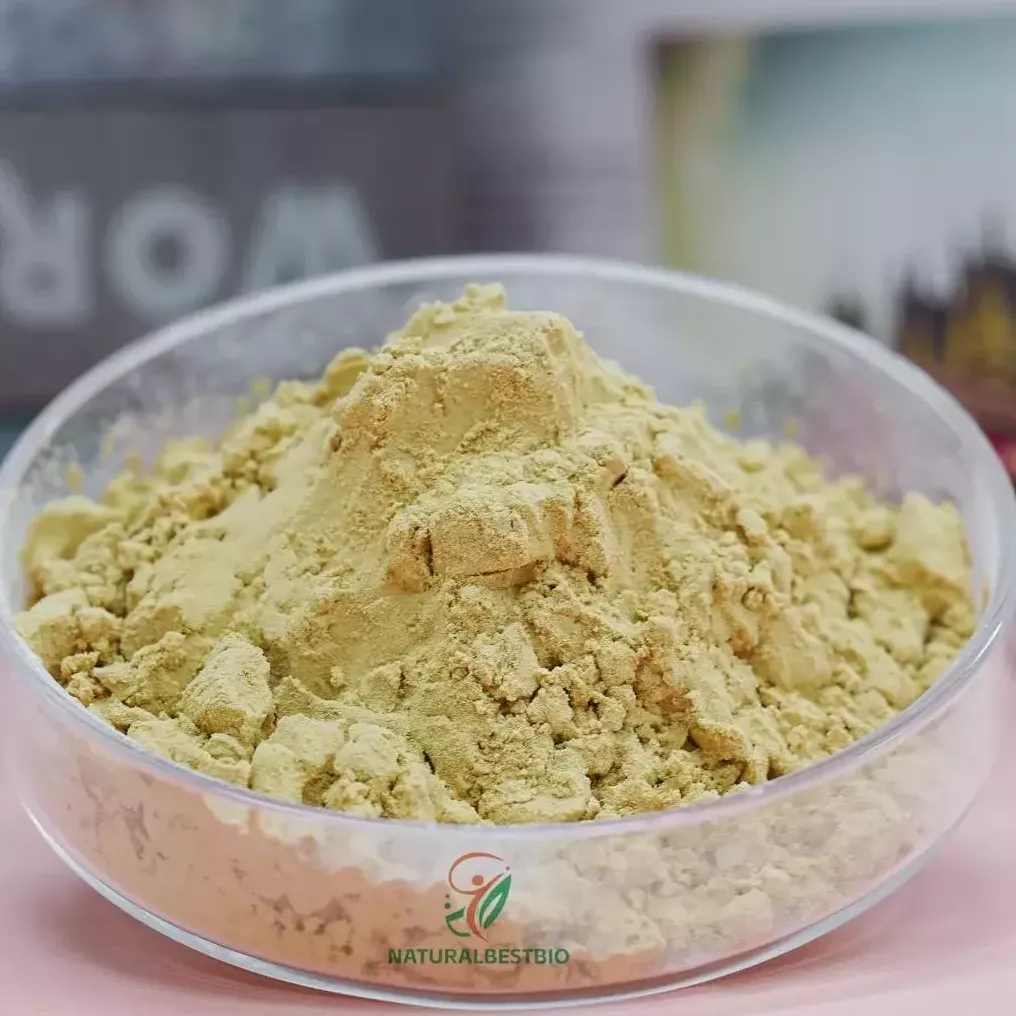
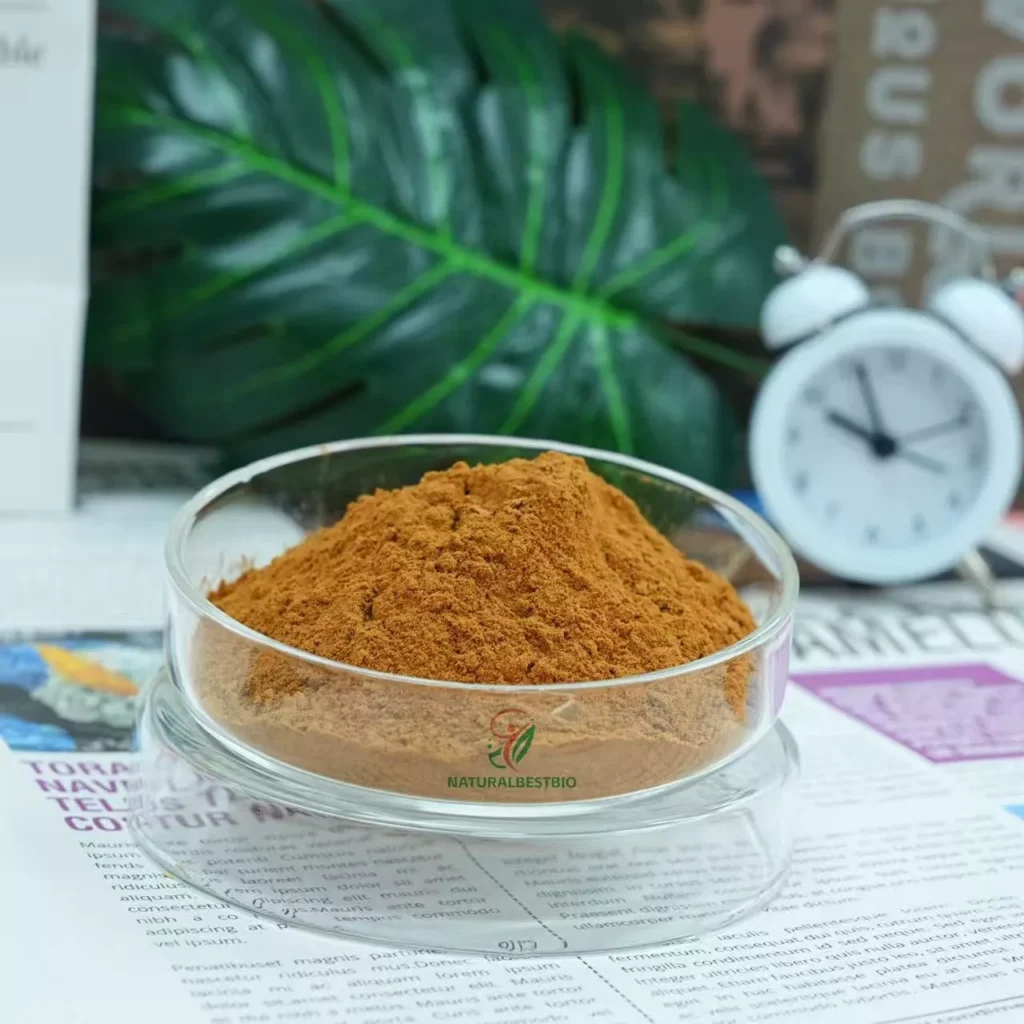
- Color Test – Should be a light to medium brown powder; overly dark or clumpy products may be oxidized or old.
- Dissolution Test – It should dissolve or disperse evenly in water or oil (depending on type).
If in doubt, request a Certificate of Analysis (COA) or third-party lab report to verify saponin levels and purity.
6. Storage and Usage Summary
| Category | Best Practice | Why It Matters |
|---|---|---|
| Storage Temperature | Cool (below 25°C) | Prevents degradation |
| Packaging | Airtight drum or foil pouch | Blocks oxygen and moisture |
| Shelf Life | 24–36 months | Ensures long-term potency |
| Mixing Ratio (cosmetics) | 0.5–2% | Maintains skin safety |
| Mixing Ratio (supplements) | 300–1000 mg/day | Balances efficacy and safety |
Conclusion
Let’s bring it all together.
Fenugreek extract isn’t just another ingredient on a long list of herbal trends—it’s a time-tested, scientifically backed, and incredibly versatile botanical that’s found its way into everything from wellness supplements to gourmet cuisine and luxury skincare.
By choosing GMP certified fenugreek extract, you’re investing in purity, consistency, and safety. GMP certification means that every gram of extract you receive has been produced under strict quality standards — ensuring that it’s free from harmful residues and packed with all the natural goodness fenugreek has to offer.
Buying in bulk only multiplies the benefits. It’s more cost-effective, more sustainable, and gives you better control over supply and quality. Whether you’re a supplement manufacturer, a food company, or a small-batch skincare brand, sourcing GMP-certified fenugreek extract in bulk ensures you’re always a step ahead — with reliable stock, superior quality, and impressive profit margins.
And let’s not forget — fenugreek extract isn’t just good for business. It’s good for people. From regulating blood sugar and boosting digestion to enhancing hair health and skin radiance, this golden-brown powder truly earns its reputation as nature’s quiet achiever.
So, if you’ve been on the fence about going bulk — here’s your sign. Do your research, find a trustworthy GMP-certified supplier, and make the switch. Once you experience the consistency, savings, and quality firsthand, you’ll wonder why you didn’t do it sooner.
FAQ
| Question | Answer |
|---|---|
| What does GMP certified fenugreek extract mean? | It means the extract has been produced in facilities that follow Good Manufacturing Practices (GMP), ensuring consistent quality, purity, and safety. Each batch is tested to meet international quality standards. |
| Is fenugreek extract safe for daily use? | Yes, when used at recommended dosages, fenugreek extract is generally safe for daily use. However, pregnant women and people taking medication for diabetes or hormone-sensitive conditions should consult a healthcare provider first. |
| What is the difference between fenugreek extract and fenugreek powder? | Fenugreek extract is a concentrated, standardized form with specific active compound levels (like 50% saponins), while fenugreek powder is ground seed without standardization. The extract is more potent, consistent, and bioavailable. |
| Why is GMP certification important? | GMP certification guarantees that the product was manufactured under hygienic, controlled conditions with strict quality testing — meaning fewer impurities and more consistent potency. |
| Can I use fenugreek extract in cosmetics? | Absolutely! Fenugreek extract is rich in antioxidants and proteins, making it ideal for hair masks, shampoos, and skincare products. It helps strengthen hair, reduce dandruff, and hydrate the skin naturally. |
| How should I store bulk fenugreek extract? | Store it in a cool, dry, and dark place, ideally in an airtight drum or foil-lined bag. Avoid exposure to air, moisture, and sunlight to maintain potency. |
| What is the shelf life of GMP certified fenugreek extract? | When properly stored, high-quality fenugreek extract can last 24 to 36 months without significant loss of potency. |
| How much does fenugreek extract cost in bulk? | Prices vary based on quality, saponin content, and supplier location, but typically range between $35 and $80 per kilogram, with discounts for large-volume purchases. |
| Can fenugreek extract help with weight loss? | Yes, studies suggest that fenugreek’s fiber and saponins may help suppress appetite and improve metabolism, making it a useful addition to weight management formulas. |
| What are the side effects of fenugreek extract? | In high doses, it can cause mild bloating, diarrhea, or a maple-like odor in sweat. Allergic reactions are rare but possible for people sensitive to legumes. Always start with smaller doses to test tolerance. |