
Introduction
Fisetin is a naturally occurring flavonoid that has been garnering attention for its powerful health benefits and diverse applications across multiple industries. As a bioactive compound found in a variety of fruits, vegetables, and plants, fisetin offers a wide array of health-promoting properties, including antioxidant, anti-inflammatory, and neuroprotective effects. In recent years, it has gained a foothold in sectors ranging from dietary supplements to cosmetics and pharmaceuticals. This article delves into the sourcing, benefits, and uses of fisetin raw material, offering insights into its significance and growing popularity.
1. What is Fisetin?
Definition: Introduction to Fisetin as a Naturally Occurring Flavonoid
Fisetin is a flavonoid—a type of plant pigment that serves as a powerful antioxidant. It belongs to a group of bioactive compounds that play crucial roles in protecting the body against oxidative stress and inflammation. Naturally, fisetin is found in a wide range of plant-based foods, making it an accessible yet potent health ally. While its popularity has risen recently, fisetin has long been recognized for its potential therapeutic properties, particularly in the realms of brain health, aging, and inflammation.
Sources of Fisetin: Common Foods and Plants Rich in Fisetin
Fisetin is not rare—on the contrary, it’s present in many everyday foods. Some of the most notable sources include:
- Strawberries: A rich source of fisetin, strawberries provide one of the highest concentrations of this flavonoid.
- Apples: This widely consumed fruit offers a moderate amount of fisetin.
- Grapes: Grapes, particularly red varieties, contain considerable levels of fisetin.
- Cucumbers: While often overlooked, cucumbers are another solid source of fisetin.
These foods, along with others like onions, persimmons, and even certain teas, provide a natural, accessible way to consume fisetin. However, when higher concentrations of fisetin are desired, especially for therapeutic purposes, raw material extraction is typically used.
The Chemical Structure: Basic Understanding of Fisetin’s Chemical Composition
Fisetin’s chemical composition places it among the most potent flavonoids. Structurally, fisetin consists of a flavone backbone—comprising two benzene rings (A and B) connected by a three-carbon bridge. This structure allows fisetin to interact with free radicals, making it a powerful antioxidant. Its hydroxyl groups also contribute to its anti-inflammatory properties, enabling fisetin to offer protection against cellular damage and stress.
2. The Process of Extracting Fisetin Raw Material
From Nature to Raw Material: Overview of How Fisetin is Extracted from Plant Sources
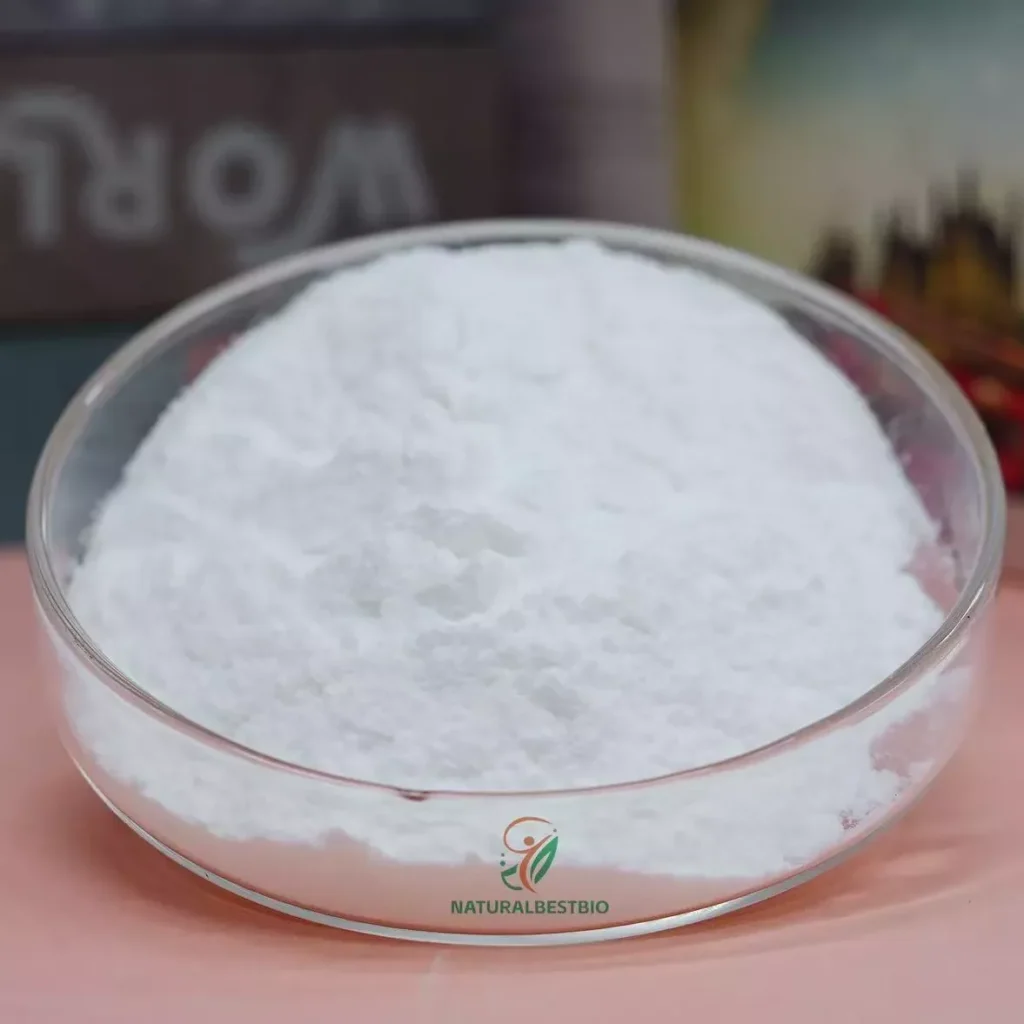
Extracting fisetin from natural sources involves separating the flavonoid from the plant matter while maintaining its bioactive potency. This extraction process requires precision and knowledge of plant chemistry. The raw material often comes in the form of a concentrated powder, which is then used in various products, such as supplements, skincare formulations, and even medicinal applications.
Methods of Extraction: Discuss Various Extraction Methods
There are several methods employed to extract fisetin from plants, each with its own advantages and limitations. Here are the most commonly used methods:
- Solvent Extraction: This involves using a solvent, typically ethanol or methanol, to dissolve the fisetin from plant material. The solvent is then evaporated, leaving behind the fisetin extract.
- Water Extraction: A more eco-friendly method that uses hot water to extract fisetin. While this process is more sustainable, it may not yield as high a concentration as solvent extraction.
- Supercritical Fluid Extraction (SFE): A cutting-edge method that uses supercritical CO2 (carbon dioxide) to extract fisetin. This process is known for its efficiency and ability to maintain the integrity of delicate compounds like fisetin.
Purification: Importance of Purification for Obtaining High-Quality Fisetin Raw Material
After extraction, fisetin must be purified to remove impurities, such as residual solvents, plant fibers, and other unwanted compounds. Purification methods can include filtration, chromatography, and crystallization. The goal is to isolate fisetin in its purest form, ensuring that its bioactive properties remain intact and its concentration is high enough for therapeutic use.
Sustainability Considerations: Eco-Friendly Methods in the Extraction Process
Sustainability is a critical factor in the extraction of fisetin raw material. As the demand for natural ingredients grows, so does the importance of using environmentally friendly methods. Supercritical fluid extraction (SFE), for instance, is a relatively green method that minimizes waste and avoids harmful solvents. Additionally, advances in organic farming and plant sourcing are contributing to the reduction of environmental impacts in fisetin production.
3. Health Benefits of Fisetin Raw Material
Fisetin is revered for its health benefits, particularly due to its antioxidant, anti-inflammatory, and neuroprotective properties. Let’s dive deeper into the specific ways fisetin contributes to overall well-being:
Antioxidant Properties: Explanation of How Fisetin Neutralizes Free Radicals and Supports Overall Health
As an antioxidant, fisetin helps neutralize free radicals—unstable molecules that can cause oxidative damage to cells. This oxidative stress is linked to various diseases and aging processes. By scavenging these free radicals, fisetin helps protect the body’s cells from damage, potentially reducing the risk of chronic diseases such as heart disease, diabetes, and cancer.
Anti-Inflammatory Effects: The Role of Fisetin in Reducing Inflammation in the Body
Chronic inflammation is a key player in many health conditions, from arthritis to cardiovascular disease. Fisetin has been shown to modulate inflammatory pathways in the body. By inhibiting the release of pro-inflammatory cytokines, fisetin may help reduce swelling, pain, and tissue damage associated with inflammation.
Cognitive Health: How Fisetin May Contribute to Brain Health, Cognitive Function, and Neuroprotection
One of the most exciting areas of research into fisetin involves its potential benefits for brain health. Studies suggest that fisetin may promote neurogenesis (the growth of new neurons), enhance cognitive function, and protect against neurodegenerative diseases like Alzheimer’s. Fisetin’s antioxidant and anti-inflammatory properties are believed to play a significant role in protecting the brain from oxidative damage and inflammation.
Anti-Aging and Skin Care: The Potential of Fisetin in Anti-Aging and Skincare Applications
Fisetin’s anti-aging effects are another area of growing interest, especially in skincare. Due to its antioxidant properties, fisetin helps combat the aging process by reducing the impact of oxidative stress on skin cells. It also promotes collagen production, which can help reduce the appearance of fine lines and wrinkles. As a result, fisetin is increasingly incorporated into anti-aging skincare products.
4. Applications of Fisetin Raw Material
Dietary Supplements: How Fisetin is Used in the Supplement Industry
In the dietary supplement industry, fisetin is gaining significant traction. It is commonly available in capsule, tablet, or powder form, often marketed for its antioxidant and cognitive-enhancing properties. With an increasing demand for natural and plant-based ingredients, fisetin is becoming a staple in many wellness products.
Cosmetics and Skincare: Integration of Fisetin into Skincare Products
Thanks to its antioxidant, anti-inflammatory, and collagen-boosting properties, fisetin is being used in a variety of skincare products, from moisturizers to serums. Its ability to protect skin cells from oxidative damage, reduce signs of aging, and promote overall skin health has made it a popular choice for beauty brands.
Pharmaceutical Industry: Potential Medicinal Uses of Fisetin Raw Material in Drug Development
The pharmaceutical industry is also exploring fisetin for its therapeutic potential. Fisetin’s neuroprotective and anti-inflammatory properties make it a promising candidate for treating conditions like Alzheimer’s, Parkinson’s, and other neurodegenerative diseases.
Functional Foods: Incorporation of Fisetin in Functional Foods for Added Health Benefits
Functional foods are those that offer health benefits beyond basic nutrition. Fisetin is increasingly being added to functional food products, such as beverages, snacks, and supplements, to provide added antioxidant and anti-inflammatory benefits.
5. Market Trends and Demand for Fisetin Raw Material
Global Market Growth: The Increasing Demand for Fisetin in Supplements and Wellness Products
The demand for fisetin raw material is experiencing significant growth, particularly in the wellness and supplement industries. As consumers become more health-conscious and seek natural, plant-based products, fisetin is emerging as a sought-after ingredient. This demand is expected to continue rising as more people look to boost their health with natural supplements.
Consumer Awareness: The Role of Consumer Awareness in Driving the Demand for Fisetin-Rich Products
With the rise of digital media and social platforms, consumers are becoming more aware of the benefits of natural ingredients like fisetin. This growing awareness is driving the demand for fisetin-rich products, particularly in the supplement and skincare markets. As a result, more companies are investing in fisetin extraction and product development.
Challenges in Sourcing: Discussion on Supply Chain Issues and the Challenges in Ensuring a Steady Supply of Fisetin Raw Material
Despite fisetin’s growing popularity, sourcing the raw material can be challenging. Issues such as climate change, seasonal fluctuations, and the limited availability of fisetin-rich plants make it difficult to ensure a steady supply. These challenges can affect the cost and availability of fisetin-based products in the market.
6. Choosing the Best Fisetin Raw Material
Purity and Quality: What to Look for in High-Quality Fisetin Raw Material
When selecting fisetin raw material, purity and quality are paramount. Look for products that provide a high concentration of fisetin without contaminants or impurities. It’s also important to check for standardized extracts, which ensure consistent potency.
Certifications: Importance of Certifications like GMP, Organic, and Non-GMO in Ensuring Quality
Certifications such as Good Manufacturing Practices (GMP), Organic, and Non-GMO are essential when choosing fisetin raw material. These certifications provide assurance that the product is of high quality and has been sourced and processed under strict regulations.
Price vs. Quality: Understanding the Balance Between Cost and High-Quality Fisetin
While it can be tempting to opt for cheaper fisetin products, it’s important to consider the trade-off between price and quality. Higher-quality fisetin, though more expensive, is often more effective and potent. When purchasing fisetin raw material, prioritize quality to ensure the product’s effectiveness.
7. Future of Fisetin in Industry and Research
Research Innovations: Emerging Studies and the Future Potential of Fisetin in Medical and Wellness Fields
Ongoing research into fisetin’s health benefits is unveiling new potential applications, especially in the fields of neurology and oncology. As more clinical trials are conducted, fisetin’s role in treating and preventing chronic diseases may become even clearer.
New Applications: Anticipated Applications of Fisetin in Emerging Markets and Technologies
In addition to its current uses, fisetin may find new applications in emerging industries like personalized medicine, biotechnology, and functional foods. As the market for health-conscious products expands, fisetin’s versatility will likely lead to new and exciting applications.
Sustainability and Innovation: How Sustainable Practices Will Shape the Future of Fisetin Production
Sustainability will play a critical role in the future of fisetin production. As demand for fisetin increases, companies will need to adopt sustainable practices to ensure a consistent and eco-friendly supply. Innovation in extraction techniques, plant cultivation, and supply chain management will be key to meeting this demand responsibly.
Conclusion
Fisetin raw material is proving to be a game-changer in industries ranging from supplements to skincare and pharmaceuticals. Its health benefits, coupled with its versatility, make it a sought-after ingredient for consumers and manufacturers alike. As research continues to uncover its potential, fisetin is poised to make an even greater impact on the health and wellness industry.
FAQ
| Question | Answer |
|---|---|
| What are the health benefits of fisetin? | Fisetin is known for its antioxidant, anti-inflammatory, and neuroprotective properties. It supports cognitive health, reduces inflammation, and promotes skin health. |
| Where can I find fisetin in food? | Fisetin can be found in strawberries, apples, grapes, cucumbers, and other fruits and vegetables. |
| Is fisetin safe for consumption? | Yes, fisetin is generally considered safe when consumed in moderate amounts through food or supplements. However, it’s always a good idea to consult a healthcare provider before starting any new supplement. |
| How is fisetin extracted? | Fisetin is extracted from plants using methods such as solvent extraction, water extraction, and supercritical fluid extraction. |
| Can fisetin help with aging? | Yes, fisetin’s antioxidant properties help reduce oxidative stress, which is a major factor in the aging process. It can support skin health and reduce signs of aging. |