
1. Introduction – The Rise of Fenugreek Extract Powder
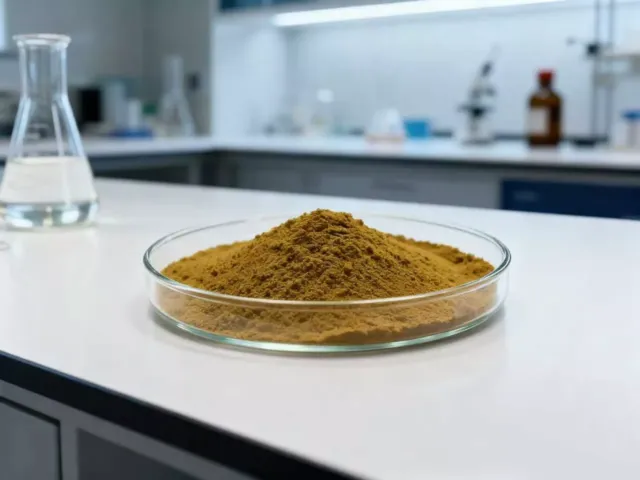
If you’ve been anywhere near the health, nutrition, or cosmetic sectors lately, you’ve probably noticed one ingredient quietly stealing the spotlight — Fenugreek Extract Powder. What was once a humble spice in traditional kitchens has now evolved into a powerful functional ingredient commanding global attention.
But here’s the catch: not all fenugreek powders are created equal.
Just like not every coffee bean yields a perfect espresso, not every Fenugreek Extract Powder Supplier delivers purity, potency, and performance that businesses can rely on. And in a world where consistency, compliance, and quality certifications make or break reputations, choosing the right supplier can mean the difference between product success and costly recalls.
A Brief Overview of Fenugreek Extract Powder
Fenugreek (Trigonella foenum-graecum) is an ancient plant native to the Mediterranean and South Asia — long cherished for its culinary and medicinal uses. The extract, made from its seeds, is rich in bioactive compounds like saponins, flavonoids, and alkaloids. These are the real stars responsible for fenugreek’s health-boosting properties: supporting metabolism, balancing blood sugar, enhancing lactation, and even improving skin and hair health.
Today, Fenugreek Extract Powder has become a high-demand ingredient across industries:
- Nutraceuticals & Dietary Supplements: for its metabolism and hormonal balance benefits.
- Functional Foods & Beverages: as a natural fiber and flavor enhancer.
- Cosmetics & Personal Care: for its skin-soothing and anti-aging effects.
- Pharmaceuticals: for its potential in managing diabetes and cholesterol levels.
It’s no wonder global demand is climbing fast — and with it, competition among fenugreek extract powder suppliers is heating up.
The Growing Popularity in Health, Nutrition, and Cosmetics
Think of fenugreek extract as a “quiet achiever” in the wellness world. It’s not as flashy as turmeric or as trendy as ashwagandha, but it’s reliable — delivering consistent, proven benefits. As consumers become savvier, they’re seeking natural, plant-based ingredients with scientific backing, and fenugreek fits that trend perfectly.
In the cosmetics sector, for example, fenugreek’s natural antioxidants help combat oxidative stress, making it a valuable addition to anti-aging creams and hair growth formulations. Meanwhile, in the nutraceutical industry, it’s being incorporated into capsules, powders, and fortified foods as a metabolic support ingredient.
What’s driving this growth? Three big trends:
- Shift toward clean-label and plant-based ingredients
Consumers want to recognize every ingredient on a label — fenugreek ticks that box. - Science-backed formulations
With more clinical research supporting fenugreek’s benefits, manufacturers can market their products with confidence. - Global awareness of functional nutrition
Fenugreek’s bioactive compounds are now recognized for regulating hormones, digestion, and glucose — making it a “go-to” for functional foods and supplements.
But with rising demand comes rising risk: adulteration, inconsistent purity, and misleading labels. That’s where your supplier comes in.
Why Choosing the Right Fenugreek Extract Powder Supplier Matters
Imagine you’re launching a new dietary supplement line. You’ve nailed your branding, your formulation looks solid, and your marketing is ready to roll. But if your supplier delivers fenugreek extract that’s inconsistent in potency, poorly standardized, or fails microbial testing, everything else falls apart.
The supplier isn’t just a vendor — they’re your silent business partner. Their practices, their certifications, their attention to detail — all these directly affect:
- Your product safety
- Your regulatory compliance
- Your brand reputation
A reliable Fenugreek Extract Powder Supplier will ensure:
- Consistent potency (standardized saponin levels)
- Verified purity (free from contaminants)
- Transparent traceability (from seed to shelf)
- Certifications like GMP, ISO 9001, HACCP, and Organic
(Because let’s face it, no retailer wants to explain why their “organic” supplement failed lab testing.)
Choosing a Supplier is Like Choosing a Co-Pilot
If you think of your business as an airplane flying through the competitive skies of the global health market, your supplier is your co-pilot. You need someone who not only knows the route but can navigate turbulence — supply chain delays, changing import laws, and shifting quality standards.
Some suppliers offer rock-bottom prices but compromise on extraction quality or traceability. Others focus on premium purity and charge slightly more — but save you from long-term headaches with failed batches or rejections at customs.
When comparing fenugreek extract suppliers, always ask:
- Are they certified and audited regularly?
- Do they offer COAs (Certificates of Analysis) for every batch?
- Can they customize extract ratios or packaging for your market?
The answers to these questions can make or break your product’s market performance.
Table: Key Reasons Why Supplier Choice Matters in Fenugreek Extract Powder
| Factor | Impact of Reliable Supplier | Impact of Unreliable Supplier |
|---|---|---|
| Product Purity | Ensures contaminants and adulterants are absent | Higher risk of impurities and recalls |
| Consistency | Stable active compound levels (e.g., saponins) | Batch-to-batch variations affect efficacy |
| Certifications | Meets GMP, ISO, HACCP, Organic standards | May lack regulatory compliance |
| Traceability | Full transparency from raw seeds to finished product | Opaque sourcing, harder to verify origin |
| Support & Service | Offers documentation, samples, and tech support | Poor communication and limited flexibility |
| Long-Term Value | Builds trust and reduces risk | Damages reputation and increases costs |
Setting the Stage for Quality, Trust, and Growth
The introduction of fenugreek into mainstream product lines isn’t just a passing trend — it’s part of the larger plant-based movement sweeping through health, food, and cosmetic industries. But only brands that choose the right suppliers will truly capitalize on this opportunity.
In the sections that follow, we’ll explore what makes fenugreek extract so special, how supplier quality impacts your brand, and how to evaluate potential suppliers like a pro.
Ready to dive deeper? Let’s start with the basics: what exactly is Fenugreek Extract Powder — and why does it matter so much?
2. What is Fenugreek Extract Powder?
If you’ve ever caught that warm, maple-like aroma drifting from an herbal supplement or cosmetic formula, chances are you’ve encountered Fenugreek Extract Powder. It’s not just another plant-based ingredient — it’s a time-tested botanical powerhouse that’s evolved from ancient medicine cabinets into modern, scientifically backed formulations.
But what exactly is fenugreek extract powder? How is it made? And why has it become a sought-after ingredient across the nutraceutical, food, and cosmetics industries? Let’s unpack it step by step.
Origin and Traditional Uses of Fenugreek
Fenugreek (Trigonella foenum-graecum) belongs to the legume family and is one of humanity’s oldest cultivated herbs. It originated in the Mediterranean region and South Asia, where it’s been used for thousands of years — not just as a spice, but as a medicinal remedy and beauty enhancer.
- In Ayurveda, fenugreek seeds were praised for balancing digestion, promoting lactation, and managing metabolic health.
- In Traditional Chinese Medicine, they were used to treat weakness, swelling, and respiratory issues.
- In Middle Eastern and African cultures, fenugreek seeds found their way into food as natural flavor enhancers and digestion aids.
Fast forward to today — modern extraction technologies have transformed this ancient herb into a standardized, potent form: Fenugreek Extract Powder. This extract concentrates the active compounds while minimizing unwanted residues, giving manufacturers a consistent and powerful raw material for high-performance formulations.
How Fenugreek Extract Powder is Made
The manufacturing process is where the real magic happens. It typically involves several steps:
- Sourcing Premium Seeds – Only mature, high-quality seeds are selected. The potency of the final extract depends on this very first step.
- Cleaning & Milling – Seeds are cleaned to remove impurities, then milled into a coarse powder.
- Extraction – Using water, ethanol, or hydroalcoholic solvents, bioactive compounds like saponins, flavonoids, and fibers are extracted.
- Concentration & Drying – The extract is concentrated and spray-dried to form a fine, flowable powder.
- Standardization & Testing – Active compounds (like saponins or 4-hydroxyisoleucine) are measured and standardized to ensure batch-to-batch consistency.
- Final Packaging – The finished powder is sealed under controlled conditions to preserve potency and freshness.
Table: Comparison of Extraction Methods for Fenugreek Powder
| Extraction Method | Description | Advantages | Disadvantages |
|---|---|---|---|
| Water Extraction | Uses pure water as a solvent | Eco-friendly, no chemical residue | May yield lower concentration of active compounds |
| Ethanolic Extraction | Uses ethanol as a solvent | Better extraction of saponins & alkaloids | Higher cost, requires solvent removal |
| Hydroalcoholic Extraction | Combination of water and alcohol | Balanced yield and purity | Slightly more complex processing |
| Supercritical CO₂ Extraction | Uses CO₂ under high pressure | High purity, solvent-free, precise | Expensive equipment, not common in fenugreek processing |
As you can see, the method of extraction plays a huge role in determining the quality, potency, and cost of the final fenugreek extract. Suppliers using advanced technologies like supercritical CO₂ extraction generally deliver cleaner, higher-value products — ideal for premium nutraceutical and cosmetic applications.
Nutritional and Bioactive Components of Fenugreek Extract Powder
Fenugreek isn’t just another fiber supplement — it’s a complex matrix of bioactive compounds that deliver wide-ranging health benefits. Below are the most significant ones:
- Saponins: These natural glycosides are responsible for many of fenugreek’s metabolic and hormonal benefits, including testosterone support and blood sugar regulation.
- 4-Hydroxyisoleucine: A rare amino acid that helps improve insulin sensitivity and glucose uptake — key for anti-diabetic formulations.
- Flavonoids & Polyphenols: Potent antioxidants that combat free radicals and support heart and skin health.
- Galactomannan Fiber: A soluble fiber that aids digestion, promotes satiety, and stabilizes blood sugar levels.
- Alkaloids (Trigonelline): Known for their neuroprotective and anti-inflammatory properties.
- Vitamins & Minerals: Fenugreek naturally contains iron, magnesium, and B vitamins — all essential for energy metabolism.
Table: Key Bioactive Components of Fenugreek Extract Powder
| Compound | Category | Primary Benefit | Typical Concentration Range |
|---|---|---|---|
| 4-Hydroxyisoleucine | Amino Acid Derivative | Improves glucose metabolism | 0.5–1.0% |
| Diosgenin | Steroidal Saponin | Supports hormone balance | 0.1–0.5% |
| Trigonelline | Alkaloid | Cognitive and metabolic support | 0.05–0.3% |
| Galactomannan | Soluble Fiber | Digestive health and satiety | 20–45% |
| Flavonoids | Polyphenols | Antioxidant and anti-aging effects | 0.5–2% |
Health Benefits of Fenugreek Extract Powder
Fenugreek’s impressive chemical profile translates into a long list of scientifically supported health benefits. Whether you’re a supplement manufacturer, distributor, or formulator, understanding these benefits helps you position the product effectively in the market.
1. Supports Healthy Digestion
Thanks to its high fiber content, fenugreek extract promotes gut health, relieves constipation, and enhances nutrient absorption. Compared to synthetic fibers, fenugreek’s galactomannan is gentler and more soluble, making it suitable for both capsule and beverage formulations.
2. Regulates Blood Sugar Levels
Fenugreek is a well-researched natural blood sugar regulator. The compound 4-hydroxyisoleucine stimulates insulin secretion, while fiber slows carbohydrate absorption — creating a dual-action mechanism that’s more holistic and safer compared to synthetic glucose-lowering agents.
3. Supports Lactation in Nursing Mothers
Fenugreek has been traditionally used as a galactagogue — a substance that promotes milk production. Modern extracts standardized for saponins and trigonelline offer a reliable, measurable effect without the bitterness of raw seeds.
4. Hormonal and Testosterone Support
Fenugreek’s saponins (especially diosgenin) play a role in natural hormone synthesis. That’s why it’s a key ingredient in male vitality and sports nutrition formulations — offering a natural, safer alternative to synthetic testosterone boosters.
5. Enhances Skin and Hair Health
Cosmetic formulators love fenugreek extract for its anti-inflammatory and moisture-retaining properties. When compared to chemical moisturizers, it’s lighter, safer, and biodegradable, making it ideal for “green” skincare products.
6. Weight Management
Fenugreek extract helps increase satiety and slow digestion, making it a valuable addition to weight-control supplements and meal replacement products.
Comparing Fenugreek Extract to Other Botanical Extracts
| Aspect | Fenugreek Extract Powder | Turmeric Extract (Curcumin) | Ginseng Extract |
|---|---|---|---|
| Primary Benefit | Blood sugar balance, digestion, hormone support | Anti-inflammatory, antioxidant | Energy, cognitive function |
| Main Active Compounds | Saponins, 4-Hydroxyisoleucine, Fiber | Curcuminoids | Ginsenosides |
| Taste & Aroma | Mildly bitter, maple-like | Pungent, earthy | Slightly bitter |
| Cost | Moderate | Moderate to high | High |
| Solubility | High in water | Low (requires emulsifiers) | Moderate |
| Stability | Stable in powder form | Sensitive to light and heat | Moderate stability |
| Best Applications | Nutraceuticals, cosmetics, functional foods | Supplements, skincare | Adaptogenic formulas |
Usage Precautions and Applicable Populations
While fenugreek extract is generally safe and well-tolerated, it’s important for suppliers and manufacturers to communicate certain usage considerations:
- Pregnant women should avoid high doses unless directed by a physician (due to potential uterine stimulation).
- Diabetic individuals using medication should monitor glucose levels to prevent hypoglycemia.
- Allergic individuals (especially those sensitive to legumes or peanuts) should proceed with caution.
- Children should only consume fenugreek extracts in age-appropriate, professionally formulated products.
Subjective Evaluation: Advantages and Limitations
| Parameter | Advantages | Limitations / Precautions |
|---|---|---|
| Health Benefits | Multi-functional (metabolic, digestive, hormonal) | May cause mild digestive upset in high doses |
| Safety | Natural, non-toxic | Possible allergic reaction in sensitive individuals |
| Versatility | Suitable for food, supplement, and cosmetic formulations | Slightly bitter flavor may need masking |
| Cost Efficiency | More affordable than exotic adaptogens | Price varies based on standardization level |
| Consumer Appeal | Plant-based, clean-label ingredient | Requires education for Western consumers |
Final Thoughts on Fenugreek Extract Powder
In essence, Fenugreek Extract Powder is a unique bridge between traditional herbal wisdom and modern scientific innovation. It’s nutrient-rich, multifunctional, and versatile — suitable for formulations ranging from dietary supplements to skin serums.
For businesses in nutraceuticals or cosmetics, understanding the composition and functionality of fenugreek extract is the foundation for successful sourcing and product development. But the next crucial step? Knowing how to choose the right supplier who can deliver consistent, compliant, and high-quality extracts.
3. Why Supplier Choice Matters in Fenugreek Extract Powder
When it comes to Fenugreek Extract Powder, your supplier isn’t just another link in the supply chain — they’re the foundation of your business reputation. Think of them as the silent engine that keeps your product quality running smoothly. A single weak link — a contaminated batch, inconsistent potency, or poor documentation — can ripple across your brand, your compliance status, and your bottom line.
So, let’s talk about why the supplier you choose matters more than ever in today’s competitive nutraceutical, pharmaceutical, and cosmetic markets.
The Impact of Supplier Quality on Product Efficacy and Safety
Let’s start with a simple truth: product efficacy begins with ingredient integrity.
Even the most innovative formulation can fall flat if the raw materials are subpar. Fenugreek extract, in particular, demands precision — the right saponin concentration, correct moisture content, and verified absence of contaminants like heavy metals and microbial pathogens.
If your supplier cuts corners on seed selection or extraction, the final product’s bioactive compound levels may fluctuate drastically. That means your capsule labeled “50% saponins” could only contain 25% — a potential compliance nightmare and a fast track to consumer distrust.
In the nutraceutical industry, inconsistent potency can lead to:
- Regulatory issues (failing label claims)
- Reduced product performance
- Customer complaints or returns
- Brand credibility loss
In cosmetics, impurities or poor-quality extracts can trigger:
- Allergic reactions
- Texture instability in formulations
- Shorter shelf life
The bottom line? Your supplier’s quality is your quality. Choosing a reputable Fenugreek Extract Powder Supplier safeguards both your brand’s performance and its reputation.
Analogy: Your Supplier as Your “Product Insurance”
Think of your supplier as your “product insurance policy.”
A good supplier minimizes risks you can’t see — contamination, inconsistent batches, or missing compliance documentation. A bad supplier? They’re like driving without insurance — everything seems fine until something goes wrong.
Would you ever risk launching a supplement line without knowing the potency of your main ingredient? Probably not. The same logic applies here: your supplier is your silent quality control department.
Importance of Certifications (GMP, ISO, Organic, HACCP, Halal, and Kosher)
In the global B2B marketplace, certifications are the language of trust.
They show that a supplier doesn’t just talk about quality — they prove it through third-party validation.
Here’s what each major certification represents and why it matters:
| Certification | Full Form / Authority | What It Ensures | Why It Matters for Buyers |
|---|---|---|---|
| GMP | Good Manufacturing Practices | Safe and consistent production environment | Ensures every batch meets quality standards |
| ISO 9001 | International Organization for Standardization | Quality management and process control | Proves operational excellence and traceability |
| HACCP | Hazard Analysis and Critical Control Points | Safety in food processing and handling | Prevents contamination and ensures hygienic processing |
| Organic Certification | USDA / EU Organic Standards | Grown without synthetic pesticides or GMOs | Supports clean-label, eco-friendly branding |
| Halal / Kosher | Religious certification authorities | Ethical and compliant processing | Expands market reach to specific consumer groups |
A fully certified fenugreek extract supplier demonstrates transparency, accountability, and consistency — three non-negotiables for businesses that want to stay competitive globally.
Example: Certified vs. Non-Certified Supplier Comparison
| Criteria | Certified Supplier | Non-Certified Supplier |
|---|---|---|
| Product Documentation | Detailed COA, MSDS, batch reports | Limited or missing paperwork |
| Quality Control | Follows GMP and HACCP guidelines | Minimal or no process control |
| Risk of Contamination | Very low | Moderate to high |
| Market Eligibility | Global export-ready | Restricted to low-regulation markets |
| Buyer Confidence | High trust, long-term relationships | Short-term, high-risk transactions |
The difference between a certified and non-certified supplier isn’t just about paperwork — it’s about peace of mind. When regulations tighten (as they often do in the EU or North America), uncertified suppliers quickly fall out of compliance. You don’t want your product line to go down with them.
Consistency in Potency and Purity
Consistency is the invisible backbone of product performance.
In the world of fenugreek extracts, “standardization” means ensuring each batch delivers the same concentration of bioactive compounds — typically, saponins or 4-hydroxyisoleucine.
Why does this matter? Because standardized potency = predictable results.
Let’s say your supplement is marketed as “Fenugreek Extract 50% Saponins.”
If your supplier delivers inconsistent potency:
- Your customers might notice weaker effects.
- Your QC tests might fail.
- Your brand might lose credibility overnight.
Reliable suppliers use HPLC (High-Performance Liquid Chromatography) or UV Spectrophotometry to verify potency. They maintain internal benchmarks and cross-check with external labs for accuracy. This consistency gives you — the buyer — a scientific guarantee of what’s in your product.
Table: Supplier Quality Impact on Product Outcomes
| Supplier Quality Level | Product Potency | Shelf Life | Compliance Risk | Customer Retention |
|---|---|---|---|---|
| High-Quality Supplier | Stable and standardized | Long | Low | High |
| Average Supplier | Minor variations | Moderate | Moderate | Medium |
| Low-Quality Supplier | Unpredictable potency | Short | High | Low |
This consistency also helps with R&D efficiency. Formulators don’t have to constantly adjust dosages to maintain efficacy — saving time, money, and labor.
The Hidden Costs of Choosing the Wrong Supplier
It’s tempting to chase lower prices — especially when scaling a product line. But in the ingredient world, cheaper doesn’t always mean better.
Let’s look at the “hidden costs” that come with a poorly chosen fenugreek extract supplier.
1. Quality Failures and Recalls
A single contaminated batch can lead to product recalls, which are not only expensive but damaging to your reputation. Even small deviations in microbial levels or heavy metal contamination can shut down an entire shipment.
2. Regulatory Penalties
If your products fail to meet FDA or EFSA requirements, your company could face penalties, shipment rejections, or even bans.
3. Lost Market Opportunities
Retailers and brand owners now demand transparency — including COAs, traceability reports, and sustainability documentation. If your supplier can’t provide these, you risk losing major partnerships.
4. Damaged Brand Trust
Once your customers lose trust, winning it back is an uphill battle.
Reliable sourcing isn’t just about the next batch — it’s about long-term credibility.
The Supplier’s Role in Innovation and Product Differentiation
A good supplier isn’t just a raw material provider — they’re a strategic partner in product development. Leading fenugreek extract manufacturers often assist clients with:
- Customized standardization (e.g., 30% or 50% saponins)
- Flavor-masked versions for beverages
- Encapsulated forms for improved bioavailability
- Organic-certified variants for premium markets
This flexibility lets you differentiate your brand in a crowded marketplace.
In comparison, generic suppliers typically offer “one-size-fits-all” extracts — cheaper, but limiting your ability to innovate or scale.
Analogy: The Supplier as Your R&D Extension
Think of a reliable supplier as your “external R&D department.”
They’ve already invested in testing, technology, and expertise — all of which you can leverage. Instead of reinventing the wheel, you get to ride one that’s already optimized for speed and compliance.
Summary: Why Supplier Choice Determines Market Success
In today’s B2B nutraceutical and cosmetic industries, the right Fenugreek Extract Powder Supplier is not optional — it’s essential.
They ensure:
- Product purity and safety
- Regulatory compliance across global markets
- Consistent potency and shelf stability
- Documentation for audits and brand credibility
- Innovation and flexibility to keep your offerings competitive
To put it simply:
Choosing the right supplier isn’t just about sourcing a product — it’s about protecting your brand, your customers, and your future.
Quick Recap Table: Supplier Influence Overview
| Supplier Attribute | Impact Area | Long-Term Benefit for Buyer |
|---|---|---|
| Certified Quality Systems | Compliance | Market access and fewer audits |
| Advanced Extraction Technology | Efficacy | Stable potency and better results |
| Transparent Testing | Trust | Stronger brand reputation |
| Customization Capabilities | Product Differentiation | Competitive edge |
| Reliable Logistics | Efficiency | On-time delivery, lower costs |
4. Key Qualities of a Reliable Fenugreek Extract Powder Supplier
Choosing the right Fenugreek Extract Powder Supplier isn’t just a procurement decision — it’s a strategic investment in your brand’s quality, compliance, and reputation. In a market flooded with hundreds of manufacturers and traders, identifying the ones that truly stand out requires a sharp eye for quality indicators and operational excellence.
Let’s explore what separates a dependable supplier from the rest of the pack — from raw material sourcing to quality assurance and beyond.
1. High-Quality Raw Material Sourcing
The foundation of a premium fenugreek extract starts long before extraction — it begins at the seed source. The purity and potency of the final powder depend heavily on the quality of the fenugreek seeds used.
Why Seed Quality Matters
Think of it like coffee: no matter how advanced your espresso machine is, you can’t brew great coffee with poor beans. The same logic applies to fenugreek.
Reliable suppliers source non-GMO, mature seeds cultivated in clean environments, free from pesticide residues and heavy metals. The region of cultivation also influences quality — for instance:
- Indian and Egyptian fenugreek seeds are prized for their higher saponin and galactomannan content.
- Mediterranean-grown seeds are slightly lighter in flavor but yield better aroma and color for cosmetic applications.
Key Practices in Ethical Sourcing
- Traceable Supply Chains: A trustworthy supplier can provide complete traceability — from farm to finished product.
- Sustainable Farming: Environmentally conscious suppliers work with local farmers under fair-trade agreements.
- Strict Raw Material Testing: Before seeds even reach the extraction facility, they’re screened for moisture content, microbial load, and pesticide residues.
Table: Seed Quality Comparison by Source Region
| Origin Region | Typical Saponin Content | Color & Aroma | Best Application | Relative Cost |
|---|---|---|---|---|
| India | 45–55% | Strong aroma, darker color | Supplements, capsules | Moderate |
| Egypt | 50–60% | Balanced aroma, light color | Food and beverage | Moderate–High |
| Mediterranean | 40–50% | Milder aroma, lighter hue | Cosmetics, skincare | High |
High-quality seeds may cost a bit more upfront, but the yield, potency, and purity they deliver easily justify the investment.
2. Advanced Extraction and Processing Methods
Once you’ve got premium seeds, the next factor that determines product excellence is extraction technology. Advanced processing techniques ensure the bioactive compounds — saponins, flavonoids, and alkaloids — are preserved in their most potent, stable form.
Modern Extraction Techniques Used by Top Suppliers
- Hydroalcoholic Extraction: The most common and cost-efficient process, balancing yield and purity.
- Supercritical CO₂ Extraction: A cutting-edge, solvent-free technique ideal for high-end nutraceutical and cosmetic applications.
- Membrane Filtration & Spray Drying: Used to remove impurities and create a fine, uniform powder with excellent solubility.
- Encapsulation (Optional): Some suppliers offer encapsulated or microencapsulated fenugreek extracts for enhanced stability and reduced bitterness.
Why It Matters
- Better yields: Advanced methods extract more actives per kg of seed — increasing cost efficiency.
- Cleaner profile: No chemical residues, no unwanted flavors.
- Enhanced stability: Ideal for products requiring long shelf life or heat resistance.
Table: Comparison of Extraction Methods
| Extraction Method | Solvent Type | Purity Level | Bioactive Retention | Cost | Suitability |
|---|---|---|---|---|---|
| Hydroalcoholic | Water + Ethanol | High | 85–90% | Moderate | Nutraceuticals |
| Supercritical CO₂ | CO₂ (no solvent) | Very High | 95–98% | High | Premium Supplements / Cosmetics |
| Water Extraction | Water | Medium | 75–80% | Low | Food-grade / Beverages |
| Ultrasonic Extraction | Mechanical energy | High | 90–95% | Moderate–High | R&D / High purity |
Suppliers using modern, clean extraction systems produce a stronger, safer, and more stable product — translating to fewer formulation issues for manufacturers down the line.
3. Transparent Lab Testing and Quality Assurance
The phrase “trust, but verify” couldn’t be more relevant when sourcing fenugreek extract.
A reliable supplier doesn’t just claim purity — they prove it through documentation, third-party testing, and full transparency.
Essential QA and Testing Practices
| Testing Parameter | Purpose | Preferred Method |
|---|---|---|
| Moisture Content | Ensures shelf stability | Gravimetric analysis |
| Microbial Load | Confirms product safety | Plate count method |
| Heavy Metals (Lead, Cadmium, Arsenic) | Verifies purity | ICP-MS (Inductively Coupled Plasma Mass Spectrometry) |
| Pesticide Residues | Confirms organic integrity | GC-MS or LC-MS |
| Active Compound Quantification | Standardization of saponins and 4-hydroxyisoleucine | HPLC or UV Spectrophotometry |
Why QA Transparency Builds Trust
When a supplier openly shares Certificates of Analysis (COA), Material Safety Data Sheets (MSDS), and third-party lab reports, it shows confidence in their process. For buyers, that means:
- Easier regulatory submissions (for FDA, EFSA, or FSSAI compliance)
- Simplified internal quality audits
- Faster product registration and market entry
Suppliers that resist sharing these documents? That’s a red flag you should never ignore.
Example: QA Transparency Comparison
| Factor | Transparent Supplier | Opaque Supplier |
|---|---|---|
| Provides Batch COAs | Yes, for every shipment | Rarely, only on request |
| Offers Third-Party Testing | Always | Occasionally or never |
| Responds to Audit Requests | Cooperative | Evasive |
| Provides Technical Support | Detailed documentation and formulation help | Minimal or no guidance |
Transparency doesn’t just protect you legally — it positions your brand as trustworthy and credible.
4. Flexible Packaging and Bulk Supply Options
For many buyers — especially importers, contract manufacturers, and private-label companies — logistics and packaging flexibility can be just as important as quality.
A top-tier Fenugreek Extract Powder Supplier will adapt to your business model rather than forcing you into theirs.
Packaging Flexibility Examples
- Bulk Packaging: 25 kg HDPE drums or 50 kg bags for large-scale manufacturing
- Custom Packaging: Small pouches or foil sachets for pilot testing or retail-ready products
- Private Label Options: White-label or custom-printed packaging for finished products
- Airtight and Moisture-Proof Containers: Ensures extended shelf life and reduced spoilage during shipping
Table: Packaging Options Overview
| Packaging Type | Best For | Advantages | Limitations |
|---|---|---|---|
| Bulk Drums (25–50 kg) | Manufacturers / Exporters | Cost-effective, easy to handle | Requires repackaging for retail |
| Foil Pouches (1–5 kg) | Small buyers, R&D teams | Sample-friendly, low moisture ingress | Slightly higher cost per unit |
| Custom-Label Retail Packs | Distributors, B2C brands | Branding-ready, marketable | Minimum order quantities apply |
| Vacuum-Sealed Bags | Sensitive extracts | Extended shelf life, zero oxidation | Not ideal for bulk volumes |
This level of adaptability is what differentiates true suppliers from traders. Traders typically offer fixed SKUs, while genuine manufacturers can customize product specifications, packaging sizes, and even labeling formats to suit your distribution needs.
5. Global Logistics and Supply Reliability
Supply chain disruptions have taught everyone a tough lesson: a great product means nothing if it can’t be delivered on time. Reliable suppliers prioritize:
- Consistent stock availability
- On-time shipping (air/sea/land)
- Compliance with international trade laws (export licenses, MSDS, customs clearance)
Some even maintain regional warehouses or distribution partners to shorten lead times — a major advantage for B2B buyers serving multiple regions.
Table: Logistics and Reliability Comparison
| Logistics Feature | Reliable Supplier | Unreliable Supplier |
|---|---|---|
| Lead Time | 10–15 days typical | Unpredictable delays |
| Export Documentation | Complete & compliant | Incomplete paperwork |
| Customs Support | Dedicated export team | Buyer must manage |
| Tracking & Communication | Real-time updates | Poor communication |
| Stock Management | Always in inventory | Out-of-stock often |
Reliable logistics mean less downtime, fewer complaints, and smoother operations, especially when your business depends on consistent ingredient availability.
6. Customer Service and Technical Support
A reliable supplier doesn’t vanish after your first order. They become your long-term partner, offering:
- Formulation advice for new products
- Documentation support for regulatory filings
- Market insights for upcoming trends (like demand shifts toward organic or vegan formulations)
When compared to a mere trading company, a dedicated manufacturer provides proactive support — not just reactive service.
7. Pricing Transparency and Value
While price will always matter, experienced B2B buyers know that value > cost. A slightly higher price per kilo from a certified, transparent supplier can save thousands in rework, recalls, or reputation damage later.
Reliable suppliers offer clear, itemized quotations — no hidden shipping fees, no surprise taxes, and no mislabeling of grades.
Table: Supplier Value Comparison
| Factor | High-Value Supplier | Low-Value Supplier |
|---|---|---|
| Pricing Transparency | Itemized and clear | Hidden costs |
| Quality vs. Cost | Balanced, justified | Cheap, low quality |
| After-Sales Support | Continuous | Minimal or absent |
| Return Policy | Defined and fair | Ambiguous or none |
Key Takeaways
A reliable Fenugreek Extract Powder Supplier is more than a source — they’re your partner in growth, innovation, and compliance. The best suppliers are those who combine:
- Ethical and traceable raw material sourcing
- Advanced extraction technologies
- Transparent quality testing
- Flexible packaging and logistics
- Excellent technical and customer support
5. How to Evaluate a Fenugreek Extract Powder Supplier
Finding a potential Fenugreek Extract Powder Supplier is easy — a quick search online brings up hundreds of names. But finding one you can actually trust? That’s where the real work begins.
Evaluating a supplier is like interviewing a potential business partner. You’re not just checking if they have the product; you’re assessing whether they can consistently deliver quality, documentation, and support over the long haul.
Let’s break down exactly how to evaluate a supplier before you sign that purchase order.
1. Checking Certifications and Compliance
If you take one thing from this section, let it be this:
Always verify certifications — never assume they’re legitimate just because they appear on a website.
A reliable Fenugreek Extract Powder Supplier should have up-to-date, verifiable certifications that prove compliance with international quality standards.
Key Certifications to Verify
| Certification | Ensures | Why It’s Important for B2B Buyers |
|---|---|---|
| GMP (Good Manufacturing Practice) | Consistent manufacturing under sanitary conditions | Guarantees product safety and uniformity |
| ISO 9001 | Standardized quality management systems | Ensures traceability and customer satisfaction |
| HACCP | Preventive control of food safety hazards | Vital for suppliers dealing with consumable extracts |
| Organic Certification | No synthetic chemicals or GMOs used | Essential for clean-label and premium brands |
| Halal / Kosher | Ethical, religious compliance | Expands market reach in the Middle East & Europe |
| COA (Certificate of Analysis) | Confirms potency and purity | Required for every batch before shipment |
A dependable supplier will not hesitate to share these documents. If they stall, delay, or offer low-resolution “sample certificates” without verification numbers — that’s your cue to walk away.
Checklist: How to Verify Supplier Certifications
- Request Digital Copies of all certifications, ideally with audit dates and scope of coverage.
- Cross-check with issuing authorities (like ISO.org or local accreditation boards).
- Ask for the latest audit reports — genuine suppliers will have recent assessments (within the past 12 months).
- Confirm renewal validity — expired certificates are red flags.
2. Requesting Product Samples for Quality Testing
Never base your buying decision solely on a PDF brochure or sales pitch.
Real B2B professionals always request product samples — because what’s on paper often differs from what’s in the package.
A reputable Fenugreek Extract Powder Supplier will gladly send samples for lab testing or pilot formulation. In fact, they’ll encourage it. Why? Because they stand behind their product quality.
What to Evaluate in Samples
| Parameter | What to Look For | Ideal Outcome |
|---|---|---|
| Appearance | Color and texture uniformity | Fine, light to medium brown powder |
| Aroma | Natural, slightly maple-like scent | No rancid or chemical odor |
| Solubility | Mixes well in water or ethanol | Smooth dispersion, no clumping |
| Moisture Content | Should be <5% | Ensures shelf stability |
| Assay Results | Confirm saponin % or 4-hydroxyisoleucine | Matches COA claim within ±5% variance |
If the sample doesn’t match the promised specifications — especially in active compound concentration — the supplier either lacks proper standardization or is misrepresenting their product.
Pro Tip: Test Multiple Batches
Don’t test just one sample. Request two or three different batches from different production lots.
Consistent quality across batches is the true mark of a reliable supplier. If one sample is potent and another weak, you’re looking at poor quality control.
3. Reading Client Reviews and Case Studies
In B2B transactions, reputation is everything.
Before committing to a supplier, research their market track record. Reliable companies often publish case studies, testimonials, or have visible partnerships with established brands.
How to Research a Supplier’s Reputation
- Check B2B platforms like Alibaba, Global Sources, or ThomasNet — look for reviews and transaction history.
- Search for mentions in trade publications or ingredient expos.
- Ask for references from existing clients in similar industries (nutraceuticals, cosmetics, food ingredients).
- Evaluate their online footprint — a company that hides its factory address or registration number is a warning sign.
Table: Reputation Red Flags vs. Trust Indicators
| Category | Trust Indicators | Red Flags |
|---|---|---|
| Online Presence | Professional website, verified contact info | No physical address, missing certifications |
| Client Reviews | Verified reviews from real companies | Generic or fake-looking testimonials |
| Industry Participation | Attends trade fairs (Fi India, Vitafoods) | Never participates in industry events |
| Communication | Prompt, transparent responses | Delays, vague or evasive answers |
A trustworthy fenugreek extract supplier is open about who they work with and where they operate. Secrecy is never a good sign in this industry.
4. Assessing Logistics and Delivery Reliability
A great product loses its value if it never arrives on time.
Your supplier’s logistics system should be as dependable as their lab results. For B2B buyers managing seasonal demand or product launches, reliable delivery schedules are crucial.
Key Logistics Questions to Ask
- How do you handle international shipping — air or sea?
- What’s your average lead time for bulk orders?
- Do you provide tracking and customs support?
- Are you compliant with export documentation standards (MSDS, COA, invoices, packing lists)?
- What is your policy for delayed or damaged shipments?
Table: Supplier Logistics Comparison
| Logistics Aspect | Reliable Supplier | Unreliable Supplier |
|---|---|---|
| Lead Time | 10–15 working days | Unpredictable, often delayed |
| Stock Availability | Maintains inventory | Out of stock frequently |
| Shipping Partners | Works with global couriers (DHL, FedEx, Maersk) | Relies on small local carriers |
| Tracking System | Real-time order tracking | Manual updates or none |
| Customs Clearance | Handles export compliance | Leaves it to the buyer |
Delays can affect your production schedule, your customer satisfaction, and your cash flow. That’s why logistics reliability should always be part of your evaluation checklist.
5. Conducting On-Site or Virtual Factory Audits
If your potential supplier is producing thousands of kilograms of extract per month, they should have nothing to hide.
Factory audits — physical or virtual — give you a firsthand look at how your ingredients are made.
What to Check During an Audit
- Cleanliness and GMP compliance in production areas
- Safety measures for workers and material handling
- Lab and R&D facilities — confirm in-house testing capabilities
- Equipment and extraction technology (stainless steel, not aluminum)
- Storage conditions — temperature, humidity, and pest control
Even a short virtual tour via video call can reveal a lot about a supplier’s professionalism.
Table: Factory Audit Evaluation Guide
| Area of Inspection | What to Look For | Ideal Condition |
|---|---|---|
| Production Area | Hygiene, segregation, labeling | Clean, well-labeled zones |
| Storage | Temperature and pest control | Controlled, dry, sealed |
| Equipment | Material and maintenance | Stainless steel, calibrated |
| Laboratory | In-house testing setup | Active HPLC or UV spectrophotometer |
| Worker Hygiene | PPE usage | Gloves, masks, uniforms |
If a supplier refuses any form of audit — even virtual — that’s usually a red flag. Trustworthy companies are proud to showcase their operations.
6. Evaluating Communication and Technical Support
Business relationships thrive on communication.
Suppliers who are proactive, responsive, and technically knowledgeable make your job so much easier.
A good fenugreek extract powder supplier should:
- Provide detailed product specs and formulation guidance
- Respond to emails within 24–48 hours
- Offer clear documentation for import/export compliance
- Assign a dedicated account manager or technical liaison
Poor communication early on is a preview of the problems you’ll face later — from delays to missing COAs.
7. Understanding Pricing vs. Value
Let’s face it — price always plays a role. But as any experienced B2B buyer knows, the cheapest supplier often ends up being the most expensive in the long run.
A high-value supplier offers:
- Transparent pricing (no hidden charges)
- Competitive bulk rates
- Discounts for recurring orders
- Clear justification for cost differences (e.g., higher purity, organic certification)
When comparing suppliers, calculate not just price per kilogram, but value per kilogram — factoring in reliability, compliance, and after-sales service.
Table: Cost vs. Value Matrix
| Supplier Type | Price per kg | Quality Level | Documentation Quality | Overall Value |
|---|---|---|---|---|
| Certified Manufacturer | Moderate–High | Excellent | Full documentation | ★★★★★ |
| Trader / Reseller | Low | Inconsistent | Limited paperwork | ★★☆☆☆ |
| Non-Certified Local Vendor | Very Low | Unverified | None | ★☆☆☆☆ |
Remember, a cheap supplier might save you $2 per kilo — but a rejected shipment or recall could cost you thousands.
8. Testing the Relationship with a Trial Order
Before making a long-term commitment, always place a small trial order. This lets you test:
- Product quality under real production conditions
- Communication efficiency
- Delivery punctuality
- Packaging integrity
If everything checks out — then, and only then — proceed with a long-term supply agreement.
Key Takeaways
Evaluating a Fenugreek Extract Powder Supplier is part science, part intuition. The process may take time, but it’s worth every minute. A supplier who checks all the boxes — certifications, quality, transparency, communication, and logistics — becomes more than a vendor. They become a strategic partner that strengthens your brand and minimizes operational risk.
Supplier Evaluation Summary Table
| Evaluation Step | Purpose | Key Question to Ask |
|---|---|---|
| Certification Verification | Confirm legitimacy | Are your certificates current and verifiable? |
| Product Sampling | Test quality and consistency | Can you provide 2–3 batch samples? |
| Client References | Check credibility | Who are your existing clients in nutraceuticals or cosmetics? |
| Logistics Review | Assess reliability | What’s your average delivery time? |
| Factory Audit | Inspect production quality | Can we schedule a virtual or on-site audit? |
| Communication Test | Gauge responsiveness | Who will be our primary point of contact? |
| Trial Order | Verify full process | Can we start with a small MOQ? |
6. Fenugreek Extract Powder in the Market
If you’ve been keeping an eye on the botanical extracts market, you’ve probably noticed something — fenugreek extract powder is everywhere. From dietary supplements to sports nutrition blends, functional foods, and even hair serums, this golden-brown powder is making serious waves.
But what’s fueling this growth? And more importantly, how do pricing, quality, and product forms differ across suppliers and regions? Let’s break it all down.
1. Global Demand Trends for Fenugreek Extract Powder
Fenugreek (Trigonella foenum-graecum) isn’t new — it’s been a staple in Ayurveda and traditional medicine for over 2,000 years. What’s new is the scale at which it’s being used and the industries adopting it.
Market Growth Overview
According to industry reports, the global fenugreek extract market is projected to grow at a CAGR of 7–8% between 2024 and 2030. Demand is especially strong in:
- Nutraceuticals and dietary supplements (blood sugar support, testosterone boosters, lactation aids)
- Functional foods and beverages (fortified health drinks, teas)
- Cosmetics and personal care (anti-hair fall, skin-brightening, anti-aging)
- Pharmaceutical formulations (metabolic and hormonal balance)
The key driving factors?
- Rising consumer interest in plant-based, natural ingredients
- Increasing awareness of fenugreek’s health benefits
- Expansion of organic and clean-label product lines
Regional Market Insights
| Region | Market Share (%) | Primary Applications | Growth Drivers |
|---|---|---|---|
| Asia-Pacific | 40% | Nutraceuticals, traditional medicine | Expanding Ayurveda and TCM industries |
| North America | 25% | Dietary supplements, sports nutrition | Focus on natural testosterone boosters |
| Europe | 20% | Cosmetics, herbal supplements | Clean-label and organic certifications |
| Middle East & Africa | 10% | Herbal teas, pharmaceuticals | Rising demand for Halal-certified botanicals |
| Latin America | 5% | Food and beverage | Growing herbal ingredient imports |
Asia-Pacific dominates due to India’s strong raw material base and low-cost manufacturing, while North America is driving innovation in high-purity standardized extracts.
2. Different Product Forms of Fenugreek Extract
Not all fenugreek extracts are created equal.
Depending on the application, buyers can choose from several forms — each offering unique characteristics, advantages, and cost implications.
Common Forms Available in the Market
- Pure Fenugreek Seed Powder – simply ground seeds, used in food or herbal formulations.
- Standardized Extract Powder – concentrated and standardized for active compounds (e.g., 50% saponins).
- 4-Hydroxyisoleucine Extract – highly purified for pharmaceutical or functional supplement use.
- Fenugreek Capsules/Tablets – ready-to-consume formats for nutraceutical brands.
- Fenugreek Oil / Liquid Extract – used in cosmetics, aromatherapy, and soft gels.
Table: Comparison of Fenugreek Product Forms
| Product Form | Typical Active Compounds | Purity / Standardization | Applications | Relative Cost | Shelf Life |
|---|---|---|---|---|---|
| Pure Powder | Natural fiber, protein | Non-standardized | Food, beverages | Low | 12–18 months |
| Standardized Extract (50% saponins) | Saponins, flavonoids | Consistent potency | Nutraceuticals | Moderate | 24 months |
| 4-Hydroxyisoleucine Extract | 4-Hydroxyisoleucine (amino acid) | ≥90% | Diabetes, metabolic health | High | 24–30 months |
| Encapsulated Powder | Actives + carrier | Stabilized | Finished supplements | High | 24 months |
| Liquid Extract | Saponins, flavonoids | Soluble | Cosmetics, tinctures | Moderate–High | 18 months |
For large manufacturers, standardized extract powders are the go-to choice because they offer better potency, stability, and consistency compared to raw powders.
However, pure seed powders are still preferred in culinary and traditional medicine industries where cost-effectiveness and natural authenticity matter more than exact standardization.
3. Pricing Considerations vs. Quality
Here’s where things get interesting — fenugreek extract powder prices can vary significantly from one supplier to another. While price differences might seem confusing at first, they usually reflect variations in:
- Extraction methods
- Purity levels
- Certifications
- Supply chain efficiency
- Packaging and logistics
Average Market Prices (as of 2025)
| Product Type | Average FOB Price (USD/kg) | Notes |
|---|---|---|
| Pure Seed Powder | $3 – $5 | Cheapest option, non-standardized |
| Standardized Extract (50% saponins) | $8 – $12 | Most commonly traded grade |
| 4-Hydroxyisoleucine Extract | $25 – $35 | High purity, niche applications |
| Organic Certified Extract | $15 – $20 | Premium price for certification |
| Encapsulated or Spray-Dried Powder | $18 – $25 | Advanced processing, longer shelf life |
Of course, these prices can fluctuate depending on raw material costs, seasonality, and shipping conditions.
When comparing suppliers, remember: cheaper doesn’t always mean better.
A supplier selling at $7/kg might be using lower-grade seeds or outdated extraction techniques, while a $10/kg supplier could be offering a more stable, higher-yield extract that saves you money in the long term.
4. Market Differentiation: What Sets Premium Suppliers Apart
The fenugreek extract market is highly competitive. To stand out, premium suppliers focus on three major differentiators:
1. Standardization
They maintain consistent levels of active compounds — for instance, guaranteeing ≥50% saponins or ≥90% 4-hydroxyisoleucine — ensuring reliable bioactivity across batches.
2. Certification & Transparency
They offer full documentation, including COA, MSDS, and third-party lab reports, which simplifies compliance with FDA, EFSA, and FSSAI regulations.
3. Innovation in Processing
Top suppliers invest in microencapsulation, CO₂ extraction, and customized granulation to improve solubility, reduce bitterness, and enhance product stability.
Table: Premium vs. Standard Supplier Comparison
| Criteria | Premium Supplier | Standard Supplier |
|---|---|---|
| Extraction Method | Supercritical CO₂ / Ultrasonic | Hydroalcoholic / Water-based |
| Purity Level | 95–98% active retention | 75–85% |
| Documentation | Full COA, third-party testing | Basic internal COA |
| Batch Consistency | ±3% variation | ±10% variation |
| Customization | Yes (formulation, packaging) | Limited |
| MOQ (Minimum Order Quantity) | Flexible | Rigid |
| Customer Support | Technical, 24/7 | Basic email support |
5. Competitive Landscape and Key Players
While the fenugreek extract market has many small players, a handful of established B2B manufacturers dominate due to scale, technology, and compliance.
These key regions and manufacturers include:
- India: The world’s largest producer and exporter of fenugreek extracts (especially Rajasthan and Gujarat).
- China: Competitive in pricing but often less standardized; great for bulk but needs quality verification.
- Egypt and Turkey: Focused on organic and herbal certifications for EU markets.
- USA / Europe: Primarily traders and distributors sourcing from Asia, offering higher traceability and better after-sales service.
Table: Regional Supplier Strength Comparison
| Region | Strengths | Weaknesses |
|---|---|---|
| India | Cost-effective, high yield, skilled labor | Inconsistent documentation among smaller suppliers |
| China | Large production capacity, low price | Varying purity, sometimes lacks full transparency |
| Egypt | Organic certification, premium quality | Higher prices, limited volumes |
| Europe | Strict quality control, regulatory expertise | Mostly traders, not producers |
| USA | Fast logistics, reliable documentation | Higher markups due to imports |
If you’re a global importer or nutraceutical manufacturer, partnering with an Indian or Egyptian certified supplier usually offers the best balance between cost, quality, and compliance.
6. Emerging Trends in the Fenugreek Market
To stay ahead of the curve, it helps to know where the market is headed. Here are the top emerging trends shaping the future of fenugreek extract powder:
- Organic and Clean Label Movement
- Rising consumer demand for “free-from” and certified organic products.
- Suppliers offering USDA Organic and EU Organic fenugreek extracts are gaining traction.
- Functional Food Integration
- Manufacturers are incorporating fenugreek into health bars, protein shakes, and fortified cereals.
- Men’s Health and Sports Nutrition Boom
- Fenugreek extracts standardized for testosterone support are among the fastest-growing supplement categories in North America.
- Cosmetic and Personal Care Use
- Fenugreek’s antioxidant and anti-inflammatory properties are attracting skincare brands seeking natural actives.
- Customized Extract Blends
- B2B buyers are requesting multi-herbal extracts combining fenugreek with ashwagandha, ginseng, or tribulus for synergistic benefits.
Table: Fenugreek Market Trends Overview
| Trend | Impact on Demand | Opportunity for Suppliers |
|---|---|---|
| Organic Certification | +20% price premium | Expand into EU/US organic markets |
| Functional Foods | Broader use cases | Partner with F&B manufacturers |
| Sports Nutrition | Rapid growth segment | Develop standardized high-saponin extracts |
| Cosmetics | New niche market | Offer odor-free, micro-filtered extracts |
| Custom Blends | Higher margins | Provide formulation flexibility |
7. Price vs. Quality: The Balancing Act
In today’s competitive landscape, balancing cost efficiency and quality is the biggest challenge for B2B buyers.
To make smart purchasing decisions:
- Compare multiple suppliers — but look beyond the price tag
- Ask for COAs, batch reports, and extraction details
- Evaluate total cost of ownership (shipping, testing, customs, shelf life)
Remember — a “cheap deal” can become expensive if the extract fails quality testing or clumps during production. A slightly higher investment in a standardized, traceable extract is always cheaper in the long run.
8. Market Forecast: What Lies Ahead
As consumers lean toward natural remedies and clean-label ingredients, fenugreek extract powder’s global market is expected to exceed USD 150 million by 2030.
Innovation, standardization, and sustainability will determine who thrives:
- Suppliers with R&D capability will dominate the nutraceutical segment.
- Eco-conscious manufacturers with traceable, pesticide-free sourcing will lead the organic sector.
- Technically agile companies offering encapsulated or solubilized fenugreek extracts will win the cosmetic and beverage categories.
In essence, fenugreek extract is evolving from a commodity into a specialty ingredient — and suppliers who invest in quality, transparency, and innovation will capture the lion’s share of this booming market.
7. Benefits of Partnering with the Right Fenugreek Extract Powder Supplier
In the competitive world of nutraceuticals, herbal ingredients, and functional foods, success doesn’t just come from having a great idea — it comes from having great partners.
When you find the right Fenugreek Extract Powder Supplier, you’re not just sourcing a raw material; you’re securing a strategic advantage. Let’s explore how the right supplier relationship can transform your business — making it stronger, faster, and more resilient in an ever-evolving market.
1. Ensures Consistent Product Performance
One of the biggest frustrations for B2B buyers is inconsistency — one batch works beautifully, the next fails formulation tests. This happens when the supplier lacks proper standardization and quality control.
Consistency Is the Key to Brand Stability
A reliable supplier ensures:
- Stable potency: Each batch maintains consistent levels of saponins or 4-hydroxyisoleucine.
- Uniform appearance: Color, texture, and aroma remain the same across orders.
- Predictable behavior in formulations: No clumping, separation, or degradation issues during processing.
Imagine you’re a supplement brand manufacturing 100,000 capsules per month. A 5% variation in potency could throw off your entire product line — affecting dosage, labeling, and compliance. With a dependable supplier, those issues disappear.
They invest in batch-to-batch testing, in-house analytical labs, and process validation — ensuring every kilo of extract performs exactly as expected.
Table: Impact of Supplier Consistency on Manufacturing
| Factor | Consistent Supplier | Inconsistent Supplier |
|---|---|---|
| Active Compound Variation | ±3% | ±10–15% |
| Formulation Stability | Excellent | Poor, requires reformulation |
| Batch Rejection Rate | <1% | 5–10% |
| Quality Complaints | Rare | Frequent |
| Regulatory Compliance | Always met | Often at risk |
Consistency equals trust — and in B2B markets, trust is currency.
2. Reduces Business Risk
Sourcing from an unverified or low-quality supplier is like walking a tightrope without a safety net. One contaminated batch, one failed test, or one delayed shipment can snowball into serious business risks — recalls, penalties, and brand damage.
The Right Supplier = Risk Insurance
Here’s how reliable suppliers minimize your exposure:
- Regulatory Compliance: They stay updated with changing global standards (FDA, EFSA, FSSAI, GMP).
- Traceable Supply Chains: They maintain farm-to-factory transparency, allowing quick issue tracking.
- Documented Quality Assurance: Every batch is backed by COAs, MSDS, and stability data.
- Crisis Preparedness: Established suppliers often have backup manufacturing units or alternative logistics routes.
So when unexpected challenges hit — from global shipping disruptions to raw material shortages — you can rest easy knowing your supplier has a contingency plan in place.
Table: Risk Factors and Supplier Mitigation Strategies
| Risk Type | Potential Impact | How Reliable Suppliers Reduce Risk |
|---|---|---|
| Quality Deviation | Regulatory rejection | Stringent batch testing, standardized extraction |
| Contamination | Health hazard | GMP hygiene, third-party audits |
| Delivery Delay | Missed production deadlines | Stock buffers, reliable logistics |
| Documentation Gap | Customs hold-ups | Complete paperwork, export compliance |
| Market Volatility | Price fluctuation | Long-term pricing agreements |
When compared to uncertified vendors, top suppliers act as risk absorbers — protecting your operations from costly disruptions.
3. Strengthens Brand Credibility and Market Trust
In the supplement and herbal extract industry, credibility sells. Consumers today are more informed, skeptical, and research-driven than ever.
Partnering with a supplier that provides traceable, certified ingredients strengthens your brand’s reputation in ways marketing alone never could.
Transparency Builds Consumer Loyalty
Imagine this on your product label:
“Made with GMP-certified, 100% traceable Fenugreek Extract, standardized to 50% saponins.”
That statement immediately boosts consumer trust — and it’s only possible when your supplier provides verifiable documentation.
Moreover, if your supplier supports third-party certifications (like USDA Organic, Non-GMO, or Halal), you can enter new markets faster and appeal to broader customer segments.
Table: Branding Advantages of Quality Supplier Partnerships
| Brand Element | With Certified Supplier | Without Certified Supplier |
|---|---|---|
| Label Claims | Verified and compliant | Risk of false claims |
| Consumer Perception | Premium and trustworthy | Unclear or generic |
| Market Access | Global (FDA/EU/FSSAI) | Limited or delayed |
| Media Reviews | Positive brand mentions | Risk of negative press |
When your supplier stands behind their product, your brand shines brighter.
4. Improves Cost Efficiency in the Long Run
It’s easy to assume that higher-quality suppliers always mean higher costs — but that’s not the full picture.
In reality, partnering with the right Fenugreek Extract Powder Supplier often leads to lower total costs over time, thanks to fewer rejects, better yields, and smoother operations.
Hidden Costs of Cheap Suppliers
- Product rejections due to inconsistent potency
- Regulatory non-compliance fines
- Production delays and wasted labor
- Customer returns or brand reputation damage
Now compare that to a certified supplier:
- Minimal waste
- Fewer rejections
- Faster QA clearance
- Stable pricing and forecasting
Over a year, that difference can translate into thousands of dollars in savings.
Table: Total Cost Comparison – Cheap vs. Reliable Supplier
| Cost Element | Cheap Supplier | Reliable Supplier |
|---|---|---|
| Initial Price per kg | $7 | $10 |
| Batch Failure / Rework Costs | $3/kg | $0.5/kg |
| Regulatory Delays | Frequent | Rare |
| Product Returns | High | Minimal |
| Net Annual Cost (effective) | $12.5/kg | $10.5/kg |
Sometimes, paying a little more upfront means saving a lot more later.
5. Enables Product Innovation and Customization
Innovation thrives on collaboration.
The best suppliers don’t just sell extracts — they act as R&D partners, helping you create unique formulations and market-ready solutions.
How Top Suppliers Support Innovation
- Offer custom standardization (e.g., 20%, 50%, or 90% saponins).
- Assist in formulation development — blends with ashwagandha, ginseng, or maca.
- Provide technical data sheets for stability, solubility, and bioavailability.
- Support pilot-scale production for new product testing.
These suppliers have dedicated R&D teams who collaborate with your product development department — helping you stay one step ahead of competitors.
Table: Innovation Collaboration Opportunities
| Innovation Area | Supplier Contribution | Business Benefit |
|---|---|---|
| Custom Extract Standardization | Adjust active compounds | Tailored product potency |
| New Formulation Support | Provide solubility and stability data | Faster time-to-market |
| Blended Extracts | Combine synergistic herbs | Product differentiation |
| Application Testing | Pilot trials for beverages/capsules | Reduced R&D costs |
A supplier who helps you innovate isn’t just a vendor — they’re a co-creator of your success story.
6. Supports Long-Term Partnerships and Scalability
When your business scales, you need a supplier who can grow with you — one who can handle larger orders, maintain consistent quality, and adapt to changing regulatory requirements.
Reliable suppliers invest in long-term partnerships because they understand that your growth fuels theirs.
They offer:
- Flexible MOQ (Minimum Order Quantity) for startups
- Volume discounts for scaling brands
- Dedicated account management for long-term clients
- Forecast-based production planning to match seasonal demand
This level of partnership ensures you never face stockouts, quality fluctuations, or missed deadlines — no matter how fast your brand grows.
Table: Long-Term Partnership Benefits
| Growth Stage | Supplier Support Provided | Business Advantage |
|---|---|---|
| Startup | Small MOQ, formulation guidance | Lower entry barriers |
| Growing Brand | Volume pricing, private labeling | Improved margins |
| Established Manufacturer | Contract manufacturing, warehousing | Supply chain stability |
| Export Expansion | Regulatory documents, global logistics | Faster market entry |
A supplier who views your success as mutually beneficial is worth their weight in gold.
7. Simplifies Compliance and Market Access
Every market has its own rules — from labeling laws to permissible ingredient levels.
A knowledgeable supplier ensures your fenugreek extract meets the legal and safety standards of your target market before it even leaves their warehouse.
Compliance Benefits Include:
- Pre-validated documentation for FDA, EFSA, and WHO guidelines
- Allergen-free and non-GMO declarations ready for import paperwork
- Assistance with product registration and customs clearance
- Reduced risk of shipment rejections or port delays
That means faster product launches and fewer legal headaches for your business.
Table: Supplier Compliance Contribution
| Compliance Requirement | Supplier Role | Buyer Benefit |
|---|---|---|
| Ingredient Safety | Provide MSDS, COA | Simplifies product registration |
| Regulatory Limits | Monitor permissible actives | Avoids import rejection |
| Documentation | Ready-to-submit files | Reduces legal workload |
| Certification Renewal | Annual updates | Continuous compliance |
Partnering with a compliant supplier saves you from paperwork nightmares — allowing you to focus on marketing, sales, and brand growth.
8. Fosters Mutual Growth and Market Insight
Top-tier suppliers don’t just sell; they educate and inform.
They share insights about:
- Market trends (e.g., demand for vegan or organic extracts)
- Pricing fluctuations and raw material availability
- Upcoming regulations affecting herbal trade
This kind of intelligence helps you plan better, source smarter, and stay ahead of the curve.
When your supplier becomes your industry informant, you gain a competitive edge — not just a cheaper price tag.
Key Takeaways
Partnering with the right Fenugreek Extract Powder Supplier delivers more than raw material — it delivers stability, credibility, and innovation.
Here’s the bottom line:
- Consistency ensures your products perform flawlessly.
- Compliance reduces regulatory headaches.
- Collaboration drives innovation and growth.
- Transparency builds brand trust.
- Scalability secures your long-term success.
Choosing wisely isn’t just about sourcing a powder — it’s about building a partnership that grows with your vision.
8. Conclusion: Choosing the Right Fenugreek Extract Powder Supplier for Lasting Success
Let’s be honest — in today’s hyper-competitive nutraceutical and herbal ingredient markets, your supplier can make or break your brand.
You can have the most creative formula, stunning packaging, and aggressive marketing — but if the ingredient at the heart of your product (like Fenugreek Extract Powder) is inconsistent, impure, or uncertified, everything else collapses. It’s like building a mansion on a shaky foundation.
Revisiting the Core: Why Supplier Selection Matters
Throughout this guide, we’ve explored every critical aspect of Fenugreek Extract Powder sourcing — from the science behind its bioactive compounds to the logistics of evaluating suppliers. The takeaway is simple but powerful:
“The quality of your supplier defines the quality of your product — and ultimately, the credibility of your brand.”
Choosing a GMP-certified, ISO-compliant, and transparent supplier isn’t just about compliance; it’s a business strategy. It ensures your products consistently meet customer expectations, regulatory standards, and your own performance goals.
Quality Over Price: A Smarter Long-Term Strategy
In a B2B world driven by margins, the temptation to choose a cheaper supplier is real. But cost savings mean little when your products face recalls, regulatory fines, or customer backlash due to inconsistent quality.
A reliable Fenugreek Extract Powder Supplier offers you something far more valuable than a discount — predictability. Predictable potency, predictable supply, and predictable compliance. That stability keeps your operations smooth and your customers loyal.
As the saying goes:
“Buy cheap, pay twice. Buy smart, grow once.”
Strategic Partnership, Not Just Procurement
Modern buyers no longer want transactional relationships — they want strategic partnerships.
When you collaborate with the right supplier, you gain more than a product:
- You gain a technical consultant who understands your formulations.
- You gain a logistics partner who ensures timely delivery.
- You gain an innovation ally who helps you stay ahead of market trends.
A great supplier becomes an extension of your business, working behind the scenes to protect your brand integrity while helping you scale faster, safer, and smarter.
Sustainability and Transparency: The Future of Sourcing
Sustainability isn’t just a buzzword anymore — it’s a business requirement.
Global consumers are actively choosing eco-friendly and ethically sourced products. A responsible supplier that prioritizes clean extraction technologies, traceable sourcing, and minimal waste instantly gives your brand an edge.
Fenugreek, as a crop, is already sustainable compared to more resource-heavy botanicals. Partnering with a supplier who documents this sustainability journey can help you tell an authentic, data-backed brand story.
The Final Checklist: What to Look for in a Supplier
Before you sign your next contract or finalize your sourcing decision, use this quick checklist to ensure you’re partnering with the best possible Fenugreek Extract Powder Supplier:
| Evaluation Criteria | Why It Matters |
|---|---|
| Certifications (GMP, ISO, HACCP, Organic) | Confirms compliance and quality control |
| Consistent Potency and Purity | Ensures stable product performance |
| Transparent Documentation (COA, MSDS, Traceability) | Builds buyer and consumer trust |
| Flexible Packaging and Supply Capacity | Supports scalability and logistics efficiency |
| Technical Support and R&D Collaboration | Enables innovation and faster go-to-market |
| Sustainability Practices | Aligns your brand with modern consumer values |
If your supplier can confidently check off all these boxes, congratulations — you’ve found a partner worth keeping.
9. FAQ
| Question | Answer (Detailed Explanation) |
|---|---|
| 1. What exactly is Fenugreek Extract Powder, and how is it different from raw fenugreek seeds? | Fenugreek Extract Powder is a concentrated form of fenugreek seeds, created through a controlled extraction process that isolates key bioactive compounds like saponins, flavonoids, alkaloids, and fiber. Unlike ground seeds, the extract is standardized (often 20–50% saponins), making it more potent, consistent, and suitable for nutraceutical, pharmaceutical, and cosmetic applications. |
| 2. What are the main industrial applications of Fenugreek Extract Powder? | It’s used in multiple industries: Nutraceuticals (blood sugar support, lactation enhancement, testosterone boosters), Functional Foods (meal replacements, teas, and protein mixes), Cosmetics (anti-aging, moisturizing, and hair care), and Pharmaceutical formulations (cholesterol and metabolism support). |
| 3. What certifications should I look for when choosing a Fenugreek Extract Powder Supplier? | The most important ones include GMP, ISO 9001, HACCP, Organic Certification (USDA or EU), Halal, and Kosher. These prove that the supplier maintains hygiene, safety, and traceability. For global trade, export licenses and COA/MSDS are also crucial. |
| 4. How is the quality of Fenugreek Extract Powder tested? | Top suppliers conduct HPLC (High-Performance Liquid Chromatography) and UV spectrophotometry tests to measure saponin concentration and verify active compounds. Additional checks include microbial tests, heavy metal analysis, and moisture control — ensuring compliance with global safety standards. |
| 5. What is the ideal potency or standardization level for Fenugreek Extract Powder? | Common potency levels are 20%, 30%, 50%, and 90% saponins. The choice depends on your application: 20–30% for functional foods, 50% for nutraceuticals, and 90% for specialized formulations. The higher the potency, the stronger the physiological effect — but also the higher the cost. |
| 6. How should Fenugreek Extract Powder be stored to maintain potency and shelf life? | It should be stored in airtight containers, away from sunlight, moisture, and heat. Ideal storage temperature: below 25°C. With proper packaging, the shelf life is typically 24 to 36 months. Reliable suppliers offer aluminum foil or fiber drum packaging to prevent oxidation. |
| 7. What’s the difference between a certified and non-certified supplier? | Certified suppliers follow strict quality systems (GMP, HACCP, ISO) and provide lab reports, documentation, and traceability, ensuring consistent quality. Non-certified suppliers might offer cheaper prices but come with risks — contamination, inconsistent potency, and regulatory non-compliance. |
| 8. What packaging options do suppliers usually offer for Fenugreek Extract Powder? | Common options include 1kg foil bags, 25kg fiber drums, or custom bulk packaging depending on client needs. For OEM or contract manufacturers, suppliers may also offer private labeling and custom branding solutions. |
Related ingredient pages
For buyer evaluation, compare this guide with Nutrition BioTech ingredient pages, proof routes, and sourcing support.
Related ingredient pages
For buyer evaluation, compare this guide with the closest Nutrition BioTech ingredient pages and sourcing route.