

1. Introduction: The Backbone of the Supplement Industry
Walk into any pharmacy, scroll through an e-commerce marketplace, or browse a fitness influencer’s Instagram feed, and you’ll see one thing everywhere: dietary supplements. Vitamins, minerals, protein powders, herbal extracts, probiotics—you name it, someone is taking it. Behind all these finished products sits a less visible but absolutely critical player: the bulk dietary supplements supplier.
The global demand for dietary supplements has exploded over the past decade, driven by aging populations, rising health awareness, lifestyle diseases, sports nutrition trends, and preventive healthcare mindsets. Compared to previous generations, today’s consumers are more proactive about health. They don’t just treat illness; they try to prevent it. That shift has created massive pressure on supplement brands to deliver high-quality products quickly, consistently, and at scale.
This is where bulk dietary supplements suppliers matter. Think of them as the engine room of a massive ship. Consumers may admire the exterior branding, but without a powerful engine underneath, nothing moves forward. Bulk suppliers ensure that brands have access to reliable, affordable, and compliant raw materials that make supplement production possible.
In this article, we’ll unpack everything you need to know about bulk dietary supplements suppliers—what they are, why they matter, how to choose the right one, and where the industry is heading. Whether you’re a startup brand, an established manufacturer, or simply researching the supply chain, this guide is designed to inform, teach, and guide you step by step.
2. What Is a Bulk Dietary Supplements Supplier?
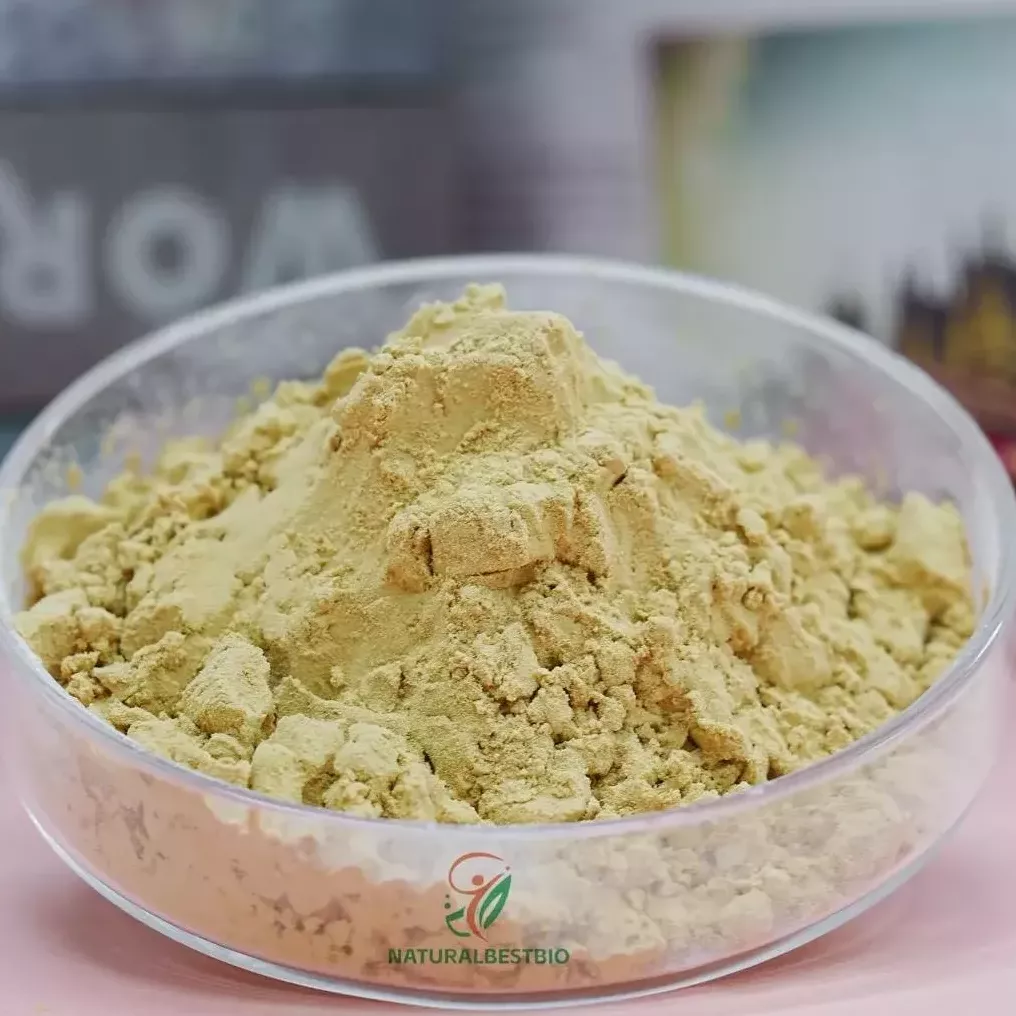
A bulk dietary supplements supplier is a company that sources, manufactures, processes, and distributes dietary supplement ingredients in large quantities. These ingredients are not usually consumer-ready. Instead, they’re sold in bulk formats—kilograms, metric tons, drums, or pallets—to businesses that further process, formulate, or package them.
Compared to finished supplement brands, bulk suppliers operate earlier in the value chain. Their role is foundational. They ensure that vitamins, minerals, amino acids, botanicals, and functional ingredients meet strict quality, safety, and regulatory standards before they ever reach a capsule or powder scoop.
It’s important to understand how bulk suppliers differ from other players:
- Bulk suppliers focus on raw or semi-finished ingredients.
- Manufacturers may take those ingredients and convert them into capsules, tablets, or powders.
- Private label companies typically buy finished formulations and brand them for retail.
Bulk dietary supplements suppliers primarily serve brands, wholesalers, distributors, and contract manufacturers. Compared to sourcing from brokers or spot markets, working directly with a bulk supplier is often more cost-effective, more transparent, and more scalable.
3. The Rising Demand for Bulk Dietary Supplements
Why is bulk purchasing becoming so popular? The short answer: efficiency. The long answer is more interesting.
From a market perspective, supplement brands face intense competition. Margins are tight, speed matters, and quality expectations are higher than ever. Buying ingredients in bulk is simply better compared to smaller, fragmented sourcing methods. It’s more cost-efficient, faster in the long run, and stronger in terms of supply security.
Popular bulk supplement categories include vitamins like vitamin C and D, minerals such as magnesium and zinc, amino acids like BCAAs, herbal extracts such as turmeric and ashwagandha, and probiotics for gut health. Sports nutrition and functional wellness have also pushed demand for collagen, omega-3s, and plant-based proteins.
E-commerce and direct-to-consumer (DTC) brands have accelerated this trend. Compared to traditional retail, DTC brands scale faster. A viral product can go from hundreds of orders to thousands overnight. Without a reliable bulk dietary supplements supplier, that kind of growth can break a supply chain.
4. Key Advantages of Choosing a Bulk Dietary Supplements Supplier
One of the biggest advantages of working with a bulk dietary supplements supplier is cost optimization. When ingredients are purchased in large volumes, the per-unit cost is significantly lower compared to small-batch buying. This makes products more competitive and often more affordable for end consumers.
Consistency is another major win. Compared to sourcing from multiple vendors, a single bulk supplier provides stable specifications, predictable quality, and fewer formulation surprises. That consistency is critical for brands building trust.
Customization is also easier. Bulk suppliers often support different dosage requirements, mesh sizes, potency levels, and ingredient combinations. Compared to off-the-shelf solutions, this flexibility is better for differentiation.
Finally, bulk suppliers enable faster time-to-market. With raw materials ready and scalable production capacity, brands can launch new SKUs faster compared to those juggling multiple small suppliers.

5. Quality Standards and Certifications That Matter
Quality is non-negotiable in the supplement industry. A reputable bulk dietary supplements supplier operates under strict standards such as GMP (Good Manufacturing Practices), ISO certifications, HACCP systems, and FDA or EFSA compliance depending on the market.
Compared to uncertified suppliers, GMP-certified partners are safer, more reliable, and stronger in regulatory audits. Raw material traceability is another critical factor. Knowing where ingredients come from—farms, fisheries, or fermentation facilities—reduces risk and improves transparency.
Third-party testing adds another layer of trust. Heavy metals, microbial contamination, and potency verification are standard requirements. Compared to self-testing alone, independent labs provide unbiased validation.
For brands operating globally, regulatory complexity increases. A good bulk supplier helps navigate regional differences, whether it’s FDA regulations in the U.S. or novel food approvals in Europe.
6. Product Portfolio: What Bulk Supplement Suppliers Typically Offer
A strong bulk dietary supplements supplier offers a wide and diverse product portfolio. This usually includes bulk vitamins and minerals, botanical and herbal extracts, sports nutrition ingredients, and functional compounds like collagen and enzymes.
Compared to narrow suppliers, those with broader portfolios simplify sourcing. Instead of juggling five vendors, brands can consolidate purchases, reduce logistics costs, and improve coordination.
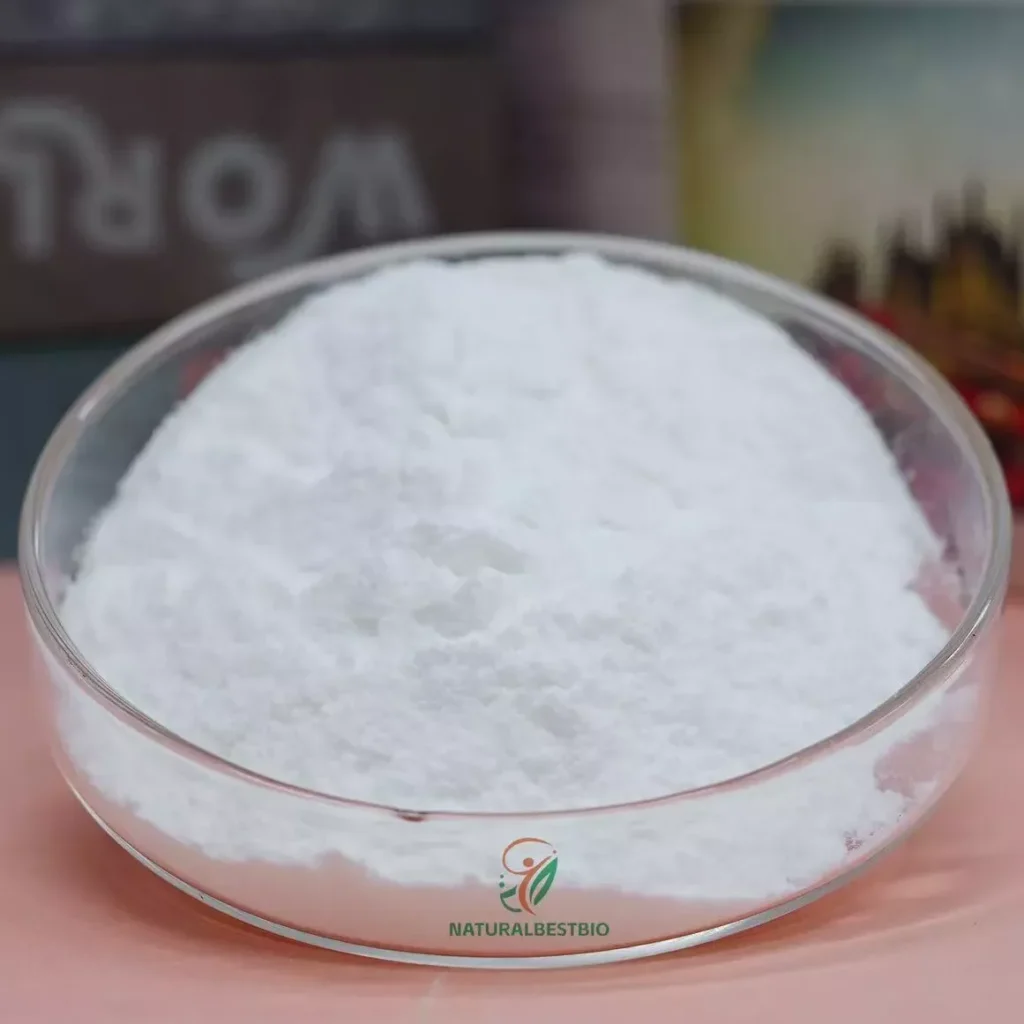
Ingredients are typically available in multiple formats—powder, capsule-grade material, tablet-grade granules, or customized blends. Each format has pros and cons. Powders are lighter and more flexible, while granules flow better in manufacturing.
7. How to Choose the Right Bulk Dietary Supplements Supplier
Choosing the right partner isn’t just about price. Manufacturing capacity matters. Can the supplier scale with you? Compared to small operations, large-capacity suppliers are more resilient during demand spikes.
Quality control systems should be audited carefully. Transparency, documentation, and technical support are signs of a mature supplier. MOQ requirements, pricing structures, and lead times should align with your growth strategy.
Communication is often overlooked but critical. A supplier that responds quickly and clearly is better, faster, and less expensive in the long run because misunderstandings cost money.
8. Supply Chain, Logistics, and Global Distribution
Bulk packaging and storage require expertise. Moisture control, oxygen barriers, and light protection all affect ingredient stability. Compared to retail packaging, bulk formats must withstand longer storage and transport times.
International shipping introduces customs compliance, documentation, and sometimes cold chain requirements. Probiotics and omega-3s, for example, are more sensitive and require stronger handling protocols.
Risk management is now a top priority. Diversified sourcing, safety stock, and transparent logistics make supply chains more resilient compared to just-in-time models.
9. Custom Formulation and Value-Added Services
Modern bulk dietary supplements suppliers do more than sell ingredients. Many offer R&D support, formulation guidance, and even private labeling or OEM/ODM services.
Compared to sourcing-only suppliers, those offering value-added services help brands stand out. Packaging advice, regulatory documentation, and stability testing reduce time-to-market and compliance risks.
10. Sustainability and Ethical Sourcing in Bulk Supplement Supply
Sustainability is no longer optional. Eco-friendly sourcing, reduced solvent use, and energy-efficient manufacturing are becoming standard expectations.
Compared to traditional methods, sustainable practices are often lighter on the environment and stronger for brand reputation. Ethical labor practices and responsible sourcing are especially important for botanicals and marine ingredients.
Sustainability is quickly becoming a competitive advantage, not just a moral choice.
11. Common Challenges When Working with Bulk Supplement Suppliers
Quality inconsistency is a common risk, especially with agricultural ingredients. Regulatory complexity can also slow expansion into new markets.
Long lead times and inventory management challenges require careful planning. Compared to reactive strategies, proactive supplier audits and clear contracts work better.
12. Future Trends in the Bulk Dietary Supplements Industry
Personalized nutrition is driving demand for customized bulk ingredients. Clean label, plant-based, and allergen-free supplements are growing faster compared to traditional formulations.
Digitalization, blockchain traceability, and smart supply chains are improving transparency. Emerging markets in Asia, Africa, and Latin America offer massive growth opportunities.
13. Conclusion
Choosing the right bulk dietary supplements supplier is a strategic decision, not a transactional one. Trust, quality, scalability, and communication matter more than short-term savings.
Brands that invest in strong supplier relationships are better positioned to grow faster, innovate stronger, and compete more effectively in a crowded market.
14. FAQ
| Question | Answer |
|---|---|
| What is a bulk dietary supplements supplier? | A company that provides supplement ingredients in large quantities to brands and manufacturers. |
| Are bulk supplements cheaper compared to retail? | Yes, bulk ingredients are significantly more cost-effective per unit. |
| Do bulk suppliers help with regulatory compliance? | Reputable suppliers provide documentation and compliance support. |
| Can startups work with bulk suppliers? | Yes, many suppliers offer scalable MOQs suitable for startups. |
| Are bulk supplements tested for quality? | High-quality suppliers use third-party testing and strict QA systems. |
Related ingredient pages
For buyer evaluation, compare this guide with the closest Nutrition BioTech ingredient pages and sourcing route.