
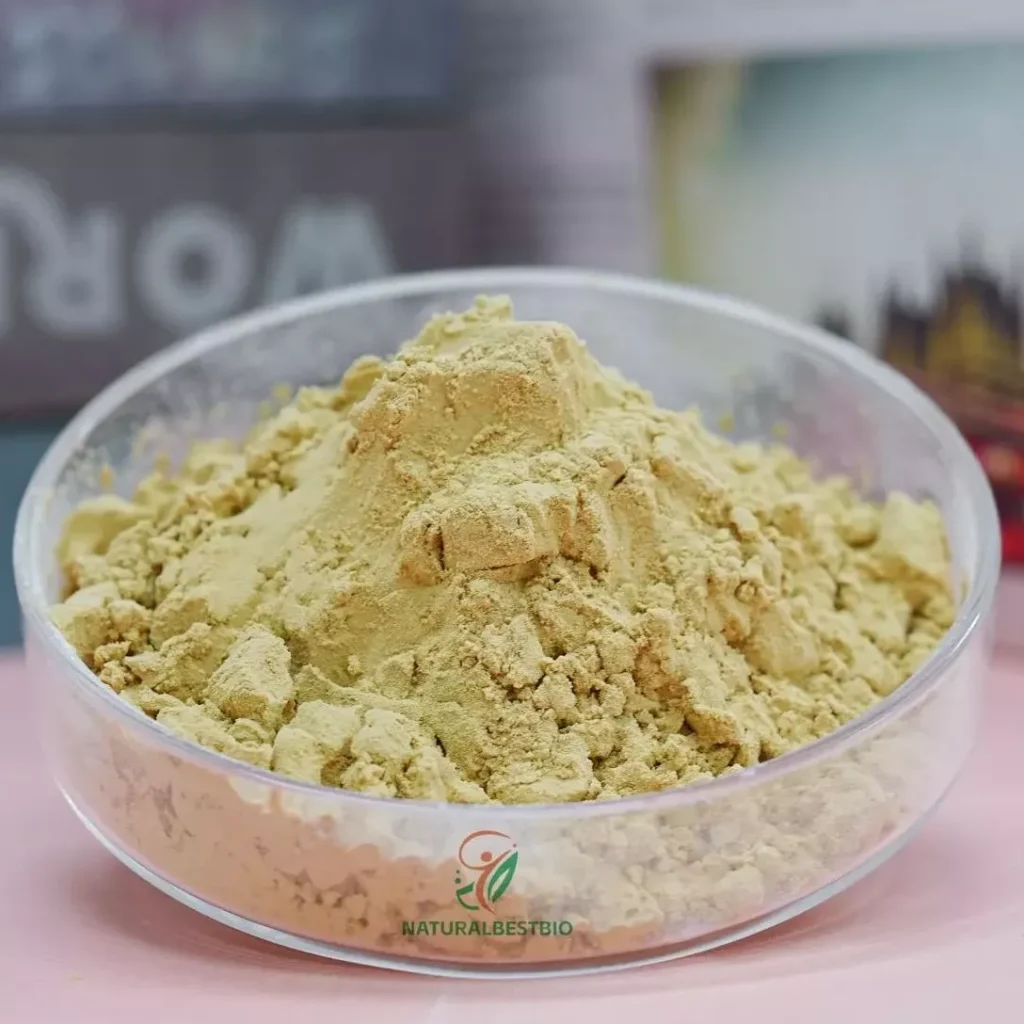
If you are looking to scale your peptide business, understanding the intricacies of Epithalon manufacturing is essential for long-term success. While promising longevity research has boosted demand, production remains a delicate balance of chemical precision and regulatory compliance. Whether you are a biotech founder or an investor, this roadmap outlines the production standards required to compete in the global market.
1. Introduction: Why Epithalon Manufacturing Matters
If you’ve been following the peptide industry over the past decade, you’ve probably noticed something: small bioactive molecules are no longer just academic curiosities. They’re commercial assets. And among them, Epithalon has quietly carved out a serious niche.
So why does Epithalon manufacturing matter so much?
Because manufacturing is where science meets reality.
You can have promising data, fascinating lab results, and bold longevity claims. But if you can’t manufacture Epithalon consistently, safely, and at scale, it’s like owning blueprints to a skyscraper without the steel. No structure. No stability. No business.
Compared to many small-molecule drugs, peptide manufacturing is more delicate, more complex, and often more expensive. Compared to biologics like monoclonal antibodies, however, Epithalon is lighter, faster to synthesize, and less costly to scale—if you know what you’re doing.
And that’s the key: knowing what you’re doing.
Epithalon manufacturing involves peptide synthesis, purification, quality control, regulatory compliance, stability management, and supply chain planning. Get one element wrong, and the entire production pipeline weakens. Get it right? You gain a competitive advantage in a growing global peptide market.
In this guide, we’re going deep—scientifically, commercially, and strategically—into Epithalon for manufacturing. Whether you’re a biotech founder, procurement manager, regulatory consultant, or investor researching peptide production, this is your roadmap.
2. What Is Epithalon? Scientific and Commercial Context
Epithalon is a synthetic tetrapeptide with the amino acid sequence: Ala–Glu–Asp–Gly. Initially developed for longevity research, it is studied for its potential effects on telomerase activation and cellular aging. Furthermore, because it is a short peptide, it is typically less expensive to synthesize than long-chain sequences. However, it still demands precise solid-phase peptide synthesis (SPPS) and strict purification oversight.
Scientific Context
Epithalon is often studied in relation to:
- Telomerase activation
- Cellular aging pathways
- Pineal gland regulation
- Oxidative stress response
In preclinical research models, Epithalon has been investigated for its potential effects on telomere length maintenance. Compared to small-molecule antioxidants, peptides like Epithalon interact more specifically with biological pathways. Compared to gene therapies, however, peptides are less invasive, more reversible, and typically less expensive to produce.
That’s a crucial commercial advantage.
Commercial Context
Epithalon sits in a regulatory gray zone depending on jurisdiction:
- In some regions, it’s sold as a research-grade peptide
- In others, it may be investigated under clinical research frameworks
- It is not broadly approved as a pharmaceutical drug in major Western regulatory markets
That means Epithalon manufacturing must often cater to:
- Research chemical suppliers
- Peptide distributors
- Contract research organizations (CROs)
- Early-stage biotech companies
And here’s where it gets interesting: compared to longer peptides (10–30 amino acids), Epithalon is shorter and therefore faster and cheaper to synthesize. But compared to simple dipeptides, it still requires precise solid-phase peptide synthesis (SPPS) and tight purification control.
It’s small—but not trivial.
3. Epithalon Manufacturing Process Overview
Manufacturing a peptide is akin to assembling a custom necklace. Specifically, the Solid-Phase Peptide Synthesis (SPPS) method is the backbone of industrial production.
Core Steps in Epithalon Manufacturing
| Manufacturing Stage | Technical Description | Key Risk Factors |
|---|---|---|
| Solid-Phase Peptide Synthesis (SPPS) | Stepwise amino acid coupling on resin | Incomplete coupling |
| Cleavage & Deprotection | Removal from resin and side-chain protection | Acid degradation |
| Crude Peptide Recovery | Precipitation and drying | Yield loss |
| Purification (HPLC) | Reverse-phase chromatography | Impurity carryover |
| Lyophilization | Freeze-drying to powder form | Moisture retention |
| Final Packaging | Sterile vialing (if applicable) | Contamination risk |
Solid-Phase Peptide Synthesis (SPPS)
SPPS is the backbone of Epithalon production. Compared to solution-phase synthesis, SPPS is faster, more automated, and better suited for industrial scale.
However, speed does not equal simplicity.
Each amino acid must be:
- Activated
- Coupled
- Protected
- Verified
Even a 0.5% inefficiency per step compounds across cycles. Compared to synthesizing a small organic molecule in one reaction vessel, peptide synthesis involves iterative chemical choreography.
Purification and Yield Optimization
After synthesis, the crude peptide mixture contains:
- Target Epithalon
- Truncated sequences
- Deletion impurities
- Oxidized variants
Reverse-phase HPLC purification separates these components.
Compared to crude research-grade peptides, highly purified Epithalon (>98%) is stronger in market value, safer for research applications, and commands higher pricing—but purification reduces overall yield and increases cost.
There’s always a tradeoff.
4. GMP vs. Research-Grade Epithalon Manufacturing
This is where things get serious.
Not all Epithalon is created equal.
Research-Grade Manufacturing
Research-grade Epithalon is typically:
- Produced in non-GMP facilities
- Used for laboratory experiments
- Less expensive
- Faster to market
Advantages:
- Lower production costs
- More flexible manufacturing timelines
- Less regulatory burden
Disadvantages:
- Higher variability
- Greater contamination risk
- Limited clinical pathway
GMP Epithalon Manufacturing
GMP (Good Manufacturing Practice) standards are governed by regulatory authorities like:
- U.S. Food and Drug Administration
- European Medicines Agency
GMP manufacturing requires:
- Validated processes
- Cleanroom environments
- Sterility assurance
- Batch traceability
- Documentation control
Compared to research-grade Epithalon, GMP-grade is:
- Better documented
- Stronger in regulatory defensibility
- More expensive
- Slower to implement initially
But for clinical research or pharmaceutical ambitions, GMP is non-negotiable.
Think of it like this: research-grade is a prototype sports car. GMP-grade is a highway-certified production vehicle.
5. Scaling Up: From Lab Synthesis to Industrial Production
Scaling peptide manufacturing is not just “making more.”
It’s redesigning the system.
Lab Scale vs. Industrial Scale
| Parameter | Lab Scale | Industrial Scale |
|---|---|---|
| Batch Size | Milligrams–grams | Kilograms |
| Equipment | Bench reactors | Automated synthesizers |
| Monitoring | Manual | In-line analytics |
| Risk Exposure | Low | High financial impact |
At small scale, mistakes are manageable. At industrial scale, a failed batch can mean hundreds of thousands of dollars lost.
Challenges in Scaling Epithalon
- Resin swelling behavior changes
- Solvent volume increases exponentially
- Waste disposal becomes more expensive
- Process reproducibility becomes critical
Compared to monoclonal antibody production (bioreactors, cell cultures), peptide scale-up is mechanically simpler. But compared to chemical generics, it’s more technically sensitive.
Industrial Epithalon manufacturing must optimize:
- Cycle time
- Solvent efficiency
- Coupling yield
- Environmental impact
Faster synthesis cycles are attractive, but rushing increases impurity levels. Stronger purification protocols increase purity but reduce throughput.
Balance is everything.
6. Quality Control Standards for Epithalon Production
Quality control (QC) is where reputation is built—or destroyed.
Core QC Tests
| Test | Purpose | Industry Expectation |
|---|---|---|
| HPLC Purity | % Active peptide | ≥95–99% |
| Mass Spectrometry | Molecular identity | Exact mass confirmation |
| Water Content | Stability | Low moisture |
| Endotoxin Testing | Safety (if injectable) | Below limits |
| Residual Solvents | Toxicology | ICH compliant |
Compared to dietary supplements, peptide QC is stricter. Compared to biologics, it is faster and less resource-intensive—but still demanding.
Stability Testing
Peptides degrade via:
- Hydrolysis
- Oxidation
- Heat exposure
Lyophilized Epithalon is more stable compared to solution form. Refrigerated storage is better than room temperature. Freeze-thaw cycles weaken peptide integrity.
Manufacturers must establish:
- Shelf life
- Storage conditions
- Reconstitution guidelines
7. Global Market and Industry Trends
The global peptide therapeutics market continues to expand. According to data from industry research firms and publications such as Grand View Research, peptide markets are projected to grow steadily due to demand in oncology, endocrinology, and metabolic research.
Epithalon specifically remains niche compared to blockbuster peptides like GLP-1 analogs. However:
- It is less expensive to synthesize than long-chain peptides
- Faster to produce
- Attractive in longevity research circles
Manufacturing hubs include:
- China (cost-effective production)
- India (API specialization)
- United States (GMP clinical supply)
- Europe (regulatory-focused production)
Compared to Western manufacturing, Asian production is often less expensive. Compared to lower-cost facilities, Western GMP sites may offer stronger regulatory credibility.
Buyers must decide: cheaper or stricter? Faster or safer?
8. How to Choose a Reliable Epithalon Manufacturer
Choosing a manufacturer is akin to hiring a surgical team; competence outweighs low cost. Therefore, evaluate partners based on:
Key Evaluation Criteria
| Evaluation Factor | Why It Matters |
|---|---|
| GMP Certification | Regulatory readiness |
| Analytical Capability | Impurity detection |
| Batch Consistency | Commercial scalability |
| Documentation | Audit defense |
| Lead Times | Supply stability |
Questions to Ask
- Do they provide full CoA with chromatograms?
- Can they scale from grams to kilograms?
- Do they offer sterile fill-finish?
- What is their deviation management system?
Compared to brokers or trading companies, direct manufacturers offer better control and transparency. Compared to anonymous online suppliers, audited facilities provide stronger long-term reliability.
Remember: in peptide manufacturing, your supplier becomes your reputation.
9. Conclusion
Epithalon manufacturing is not just chemistry. It’s engineering, regulatory science, logistics, and strategic planning rolled into one.
Compared to biologics, it is lighter and faster to produce. Compared to small chemical drugs, it is more complex but often more precise in biological interaction. Compared to research-grade shortcuts, GMP manufacturing is stronger and safer—but more expensive.
If you’re entering the Epithalon market, focus on:
- Process validation
- Scalable synthesis
- Strict quality control
- Transparent supplier relationships
The companies that win in peptide manufacturing aren’t just the fastest or the cheapest. They’re the most consistent.
10. FAQ
| Question | Answer |
|---|---|
| What is the typical purity level for industrial Epithalon? | Most reputable manufacturers target ≥98% purity via HPLC for high-grade applications. Research-grade may be slightly lower but less expensive. |
| Is GMP manufacturing necessary for Epithalon? | It depends on intended use. For clinical research or pharmaceutical pathways, GMP is mandatory. For basic research, it may not be required but is safer and more credible. |
| What makes Epithalon manufacturing challenging? | Precision in SPPS, impurity control, and scalability. Small synthesis errors compound quickly compared to simple organic compounds. |
| How stable is Epithalon during storage? | Lyophilized Epithalon is more stable when refrigerated and protected from moisture. In solution, it degrades faster. |
| Is industrial-scale production cost-effective? | Compared to long-chain peptides, yes—it is less expensive and faster to synthesize. Compared to simple generics, it is more expensive due to purification and QC requirements. |
| What certifications should a manufacturer have? | GMP compliance, ISO certifications, validated analytical methods, and full documentation traceability. |
| Are there safety concerns in manufacturing? | Yes. Residual solvents, endotoxins, and cross-contamination must be strictly controlled. |
| Where are most Epithalon manufacturers located? | Common production regions include China, India, Europe, and the United States, each offering different cost vs. regulatory strength tradeoffs. |