

1. Introduction: The Dawn of the Epigenetic Era
Imagine this: you’re not just a product of your parents’ genes — you’re the director of your own biological movie. Every lifestyle choice you make, every bite you take, every breath of fresh air (or not-so-fresh city smog) can subtly rewrite the script your genes follow. That’s epigenetics — the fascinating science showing that your DNA isn’t your destiny.
Epigenetics studies how external factors like diet, stress, exercise, and environment can switch genes “on” or “off” without changing the underlying DNA sequence. Think of your DNA as a piano. The keys never change, but epigenetics determines which notes get played, how loudly, and when.
Now, here’s where things get even more exciting — scientists and wellness innovators are figuring out how to influence this gene expression in positive ways. This has given rise to a new industry: epigenetic support suppliers. These are companies that design supplements, diagnostics, and personalized protocols to help you optimize your health at the genetic level.
Their mission? To help your body express its best version of itself.
Your genes aren’t your prison — they’re your potential. And epigenetic support suppliers are proving it every day.

2. What Is Epigenetic Support?
Let’s break it down simply: epigenetic support means providing your body with the nutrients, compounds, and lifestyle tools it needs to encourage healthy gene expression. It’s about turning on the “good” genes — the ones that promote vitality, longevity, and resilience — and keeping the “bad” ones (linked to inflammation, aging, or disease) quiet.
So, what exactly do these products or services look like? They come in various innovative forms:
| Type of Epigenetic Support Product/Service | Description & Function |
|---|---|
| Nutraceuticals | Supplements formulated to target gene expression pathways (e.g., methylation or detox genes). |
| Peptides | Short chains of amino acids that influence cellular signaling and regeneration. |
| Bioactive Compounds | Plant-based molecules like curcumin, resveratrol, or sulforaphane that activate beneficial epigenetic mechanisms. |
| Diagnostic Kits | Home or lab-based tests that analyze DNA methylation patterns or gene variants. |
| AI-Driven Genetic Testing | Platforms using artificial intelligence to interpret complex genetic data and recommend personalized protocols. |
In essence, epigenetic support is about working smarter with your biology. Instead of merely supplementing what your body might lack, it optimizes what your body already has.
How Does Epigenetic Support Work?
At a biological level, it focuses on three main mechanisms:
- DNA Methylation – This is like placing a sticky note on your genes that says, “Do not read.” Epigenetic nutrients like methylfolate and B12 help maintain healthy methylation patterns.
- Histone Modification – Histones are proteins that DNA wraps around. Their chemical tweaks determine how tightly or loosely your genes are packed — and whether they can be expressed.
- MicroRNA Regulation – These tiny RNA fragments fine-tune gene expression, acting like dimmer switches. Certain nutrients or compounds can influence their activity.
So when you take an epigenetic support supplement or follow a DNA-informed lifestyle plan, you’re essentially editing the soundtrack of your genes. You’re not changing the script — you’re improving how it’s performed.
3. The Rise of Epigenetic Support Suppliers
It’s no secret that personalized health is booming. From wearable devices tracking sleep patterns to apps analyzing your gut microbiome, consumers today crave data-driven insights. The epigenetics market has naturally become a part of this revolution — and it’s growing fast.
According to industry projections, the global epigenetics market is expected to expand at a compound annual growth rate (CAGR) of around 15–18% by 2030, reaching billions in market value. Why? Because people are no longer satisfied with generic health advice. They want precision. They want prevention. They want to know exactly what their body needs — and how their lifestyle affects their long-term wellness.
Epigenetic support suppliers have stepped up to meet that demand.
Who Are These Suppliers?
They range from biotech startups and functional medicine brands to nutraceutical innovators and AI-based health platforms. What unites them is their focus on scientific validation and personalization.
For example:
- Some companies provide home testing kits that analyze your gene expression patterns and send back a tailored supplement protocol.
- Others develop bioactive blends based on research into compounds that activate “longevity genes” like SIRT1 or FOXO3.
- Advanced suppliers even integrate AI and big data to monitor your epigenetic changes over time — turning wellness into an ongoing, adaptive process.
Market Dynamics: Why the Boom Now?
There are several factors fueling this trend:
- Preventive Health Awareness – People realize it’s cheaper and smarter to maintain health than to treat disease.
- Technological Innovation – DNA sequencing and epigenetic testing have become more affordable and accurate.
- Data-Driven Lifestyles – Wearables and apps encourage people to optimize everything from sleep to stress.
- Aging Population – Longevity and vitality are top priorities for today’s middle-aged and older adults.
Compared to traditional supplement markets, epigenetic support is more data-focused, more personalized, and scientifically dynamic. Instead of selling one-size-fits-all vitamins, suppliers now sell insight — a roadmap to how your body actually works.
Why It Matters
This isn’t just another wellness fad. It’s a paradigm shift. Epigenetic support suppliers bridge the gap between molecular biology and everyday health. They give you tools to literally influence how your body reads its own genetic code — safely, naturally, and effectively.
4. What Makes a Reliable Epigenetic Support Supplier?
Here’s the truth: not every company promising “gene optimization” deserves your trust.
The world of epigenetic support suppliers is booming, but with rapid growth comes a mix of genuine innovators and — let’s be honest — some smoke-and-mirrors marketers. So how do you spot a reliable one?
Let’s break it down.
1. Scientific Credibility
A good epigenetic support supplier doesn’t rely on vague buzzwords or celebrity endorsements. They rely on science.
Look for companies that publish their research, collaborate with universities, or have products tested in peer-reviewed studies. Bonus points if they have their own in-house R&D labs, since that means they’re not just reselling generic formulas — they’re actually developing new ones.
Think of it this way: would you trust a mechanic who never opens the hood?
Exactly. A credible supplier dives deep into molecular biology, not just marketing copy.
2. Quality Assurance
This one’s non-negotiable. The best suppliers follow strict Good Manufacturing Practices (GMP) and ISO certifications, ensuring every batch is consistent, pure, and potent.
Products should also be third-party tested for contaminants like heavy metals or synthetic additives — especially since many bioactive compounds come from plants that can vary in purity depending on the region or harvesting method.
High-quality epigenetic supplements may be a bit more expensive, but you’re paying for accuracy and safety, not just hype. Cheap products can be weaker, less stable, or even biologically inactive — which defeats the whole purpose.
3. Transparency
If a company hides behind proprietary blends or vague ingredient names, that’s a red flag.
Reliable suppliers clearly disclose:
- Every ingredient and its dosage
- The sourcing (e.g., “organic turmeric from India,” not just “herbal blend”)
- Clinical or lab validation for each compound
Transparency is what separates serious science from marketing smoke.
4. Personalization Tools
Top-tier suppliers offer AI-driven DNA analysis, personalized wellness dashboards, or even consultations with geneticists or health coaches. These tools interpret your data and recommend tailored protocols.
Compare that to a basic supplement bottle with “take one daily” — the difference is night and day.
It’s like having a personal trainer for your genes.
5. Ethical Practices
Finally, ethics matter. A reliable epigenetic support supplier safeguards your genetic data privacy, complies with regulations like GDPR or HIPAA, and uses sustainable sourcing for ingredients.
After all, optimizing human health shouldn’t come at the expense of the planet — or your privacy.
| Criteria | Why It Matters | What to Look For |
|---|---|---|
| Scientific Credibility | Ensures real, data-backed efficacy | Peer-reviewed research, R&D collaboration |
| Quality Assurance | Guarantees purity and potency | GMP, ISO, third-party testing |
| Transparency | Builds trust and accountability | Clear ingredient lists, sourcing details |
| Personalization | Delivers precision health outcomes | DNA kits, AI-based analysis |
| Ethical Practices | Protects consumer trust | Data privacy, sustainability |
Bottom line: A reliable supplier doesn’t just sell you something — they educate you, empower you, and earn your trust.
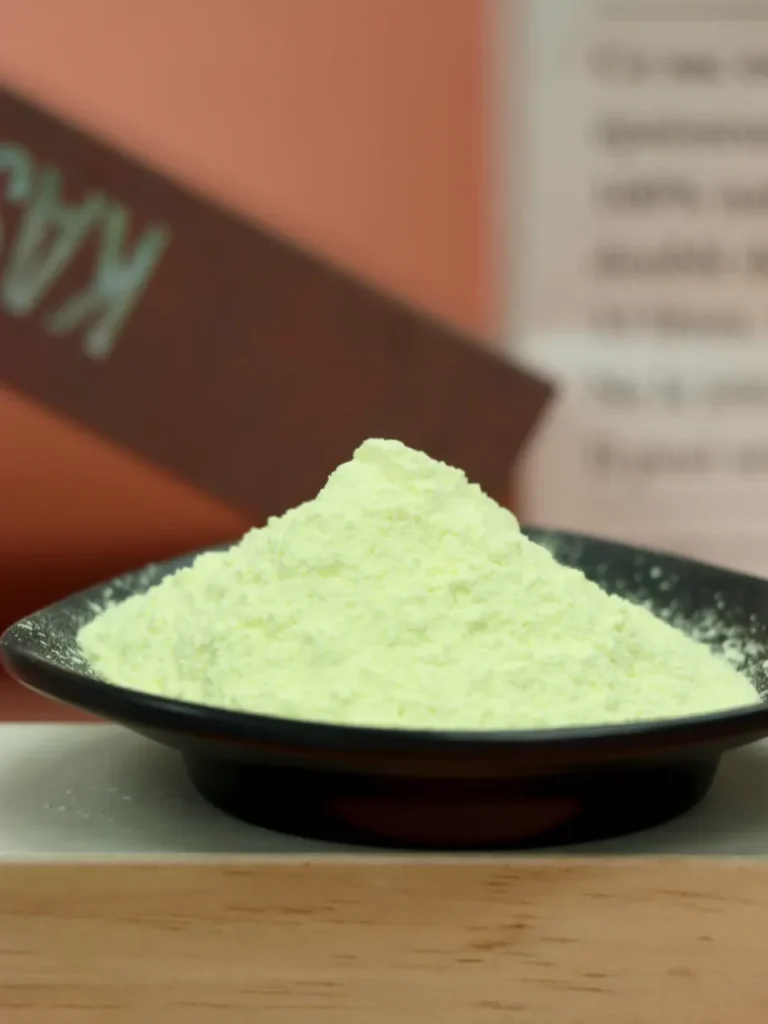
5. How Epigenetic Support Differs from Traditional Supplements
If you’ve ever walked down the vitamin aisle and felt overwhelmed, you’re not alone. Bottles of multivitamins, omega-3s, probiotics — all claiming to “boost health.” But here’s the catch: most of those products use a one-size-fits-all approach.
Epigenetic support, on the other hand, is the next generation of supplementation — smarter, more targeted, and data-driven.
Traditional Supplements: The Old Way
Traditional supplements work on population averages.
They assume that if something’s good for most people, it’s probably good for you too. The problem? That’s like giving everyone the same shoe size and expecting it to fit perfectly.
Everyone’s genetic code is unique — which means the way you metabolize vitamins, process toxins, or handle inflammation might differ drastically from someone else’s.
Traditional products often:
- Contain generic doses
- Ignore gene variations (SNPs)
- Don’t account for methylation status or detox pathways
- Provide limited feedback or follow-up
Epigenetic Support: The New Way
Now imagine instead of a basic multivitamin, you receive a protocol designed for your specific genes.
That’s epigenetic support.
Using AI, genetic data, and biomarker testing, these products help you:
- Activate longevity genes like SIRT1 and AMPK
- Optimize methylation and histone acetylation for better cellular repair
- Fine-tune your stress response and inflammation pathways
- Maintain balanced detox and immune functions
It’s like upgrading from a flip phone to a smartphone — the core function (communication or health) is the same, but the capability, precision, and feedback loop are infinitely more powerful.
Comparative Table: Traditional vs. Epigenetic Support
| Feature | Traditional Supplements | Epigenetic Support Products |
|---|---|---|
| Approach | One-size-fits-all | Personalized to genetic profile |
| Basis | General nutrition science | Gene expression and molecular biology |
| Data Integration | Minimal | AI + biomarker analysis |
| Effectiveness | Broad but inconsistent | Targeted and measurable |
| Cost | Lower | Higher but more efficient |
| User Feedback | Limited | Dynamic, data-driven monitoring |
In short, epigenetic support isn’t just better — it’s smarter, stronger, and faster at delivering real, measurable results compared to traditional supplements.
6. Applications: From Wellness to Longevity
Here’s where things get truly exciting — epigenetic support suppliers aren’t just helping people feel better. They’re redefining how we think about aging, performance, and prevention.
Let’s explore the key areas where this science is making an impact.
1. Anti-Aging and Longevity
Who doesn’t want to age gracefully — or maybe even slow down the clock?
Epigenetic compounds like resveratrol, NMN, and spermidine target pathways associated with cellular repair and DNA protection.
Suppliers focusing on longevity often design protocols that support telomere length, mitochondrial efficiency, and sirtuin activation — biological markers directly linked to lifespan and vitality.
Compared to traditional anti-aging products (which mostly hydrate skin or reduce wrinkles), epigenetic longevity formulas work from the inside out, improving how your body regenerates itself.
2. Cognitive Performance and Mood Regulation
Ever notice how some days your brain feels like a Ferrari, and others like an old bicycle stuck in second gear?
That’s often due to epigenetic factors — how your neurons express key proteins for focus, learning, and neurotransmitter balance.
Epigenetic nootropic blends are being formulated to enhance neuroplasticity, support BDNF expression, and reduce oxidative stress in the brain.
Suppliers may use peptides like Cerebrolysin analogs, natural compounds like bacopa, or methyl donors like SAMe to fine-tune mental performance.
The result? Sharper focus, better memory, improved mood — all by nudging your genes in the right direction.
3. Metabolic Health
Obesity, insulin resistance, and metabolic slowdown are not purely genetic fates — they’re epigenetic choices in disguise.
Suppliers offering metabolic-focused support aim to reset gene pathways regulating fat storage, glucose uptake, and energy metabolism.
For example:
- Compounds like berberine and quercetin activate AMPK, mimicking the effects of exercise.
- Sulforaphane from broccoli sprouts boosts detox enzymes and improves insulin sensitivity.
Compared to general weight-loss pills, epigenetic support targets the root mechanisms instead of just suppressing appetite or increasing metabolism temporarily.
4. Immune Optimization
A strong immune system starts with properly expressed immune genes.
Epigenetic support formulas rich in vitamin D3, zinc, curcumin, and adaptogens can upregulate protective cytokines while downregulating inflammatory ones.
AI-driven suppliers can even analyze your immune-related SNPs to suggest customized protocols that adapt through seasons or lifestyle changes.
5. Detoxification Pathways
Your liver and cells constantly detoxify harmful substances. But if key detox genes like GST, COMT, or MTHFR aren’t working efficiently, toxins can build up.
Epigenetic support products help by providing methyl donors, antioxidants, and phase II detox activators to keep those pathways humming smoothly.
Imagine it as fine-tuning your body’s cleanup crew — faster, stronger, and more efficient compared to standard detox teas or short-term cleanses.
7. Challenges and Ethical Considerations in the Epigenetic Support Industry
Every emerging field has growing pains — and epigenetic support is no exception.
As powerful as this science is, it’s also complex, sensitive, and, frankly, ripe for misuse if not handled responsibly.
Let’s dig into the major hurdles the industry faces and how to navigate them as a consumer.
1. Data Privacy and Genetic Security
Your genetic and epigenetic data is the most personal information you possess. It reveals not only who you are, but potentially what diseases you might be predisposed to.
That’s why data privacy is a massive concern. When you send your DNA sample to a testing company, you’re essentially handing over your biological identity. If that data isn’t encrypted or anonymized properly, it could be vulnerable to misuse — from insurance discrimination to unauthorized research use.
Reputable epigenetic support suppliers use bank-level encryption, comply with GDPR and HIPAA, and allow you to delete your data permanently upon request.
If a company doesn’t clearly explain how they handle your information? That’s your cue to walk away.
2. Lack of Clear Regulation
The science of epigenetics is moving faster than the laws that regulate it.
In many countries, supplement and genetic testing companies aren’t held to the same strict standards as pharmaceuticals. That means product quality, claims, and testing accuracy can vary widely between brands.
Until regulatory frameworks catch up, the responsibility often falls on the consumer to vet suppliers carefully (we’ll cover how to do that soon).
3. Pseudoscience and Overpromising
Let’s be honest — buzzwords sell. And “epigenetic” is one of today’s trendiest scientific terms.
Unfortunately, some companies slap the word on their labels without understanding the molecular mechanisms behind it.
Real epigenetic support suppliers base their formulas on peer-reviewed research, not marketing fluff.
So if a product claims to “completely rewrite your DNA” or “reverse aging overnight,” take a deep breath — and maybe a step back.
4. Cost and Accessibility
Epigenetic testing and personalized protocols can be more expensive than standard supplements.
While the technology is improving and prices are dropping, it’s still not accessible to everyone.
That said, suppliers are increasingly offering tiered solutions — from basic methylation-support blends to fully AI-analyzed genomic health programs — so you can start small and scale up as needed.
5. Ethical Research and Transparency
Consumers today want to know that companies not only make effective products but do so ethically — using sustainable sourcing, cruelty-free testing, and fair-trade practices.
The best suppliers publish third-party audits, research results, and even impact reports showing how their sourcing benefits both people and the planet.
Because optimizing human health should never come at the cost of planetary health.
8. How to Choose the Right Epigenetic Support Supplier
With so many options out there, choosing a trustworthy epigenetic support supplier can feel overwhelming.
Here’s your step-by-step buyer’s guide to make it easy.
Step 1: Verify Scientific Backing and Certifications
Check if the company cites published clinical studies, partners with research institutions, or has certified professionals (like geneticists, nutritionists, or biochemists) on their team.
Look for recognized labels like GMP, ISO 9001, or NSF certification — signs that the brand takes quality seriously.
Step 2: Check Transparency in Formulation
A reliable supplier lists:
- Exact ingredient dosages
- Research references or white papers
- Country of origin for raw materials
- Testing certificates (CoAs)
Transparency builds credibility — no hidden “proprietary blends” or mysterious compounds.
Step 3: Read Reviews — Both Customer and Clinical
Real-world experience matters. Look for customer feedback mentioning measurable improvements (like better energy, sleep, or focus).
Even better, check for clinical studies or pilot programs showing before-and-after biomarker results.
Compare brands: some show visible, trackable progress, while others rely only on subjective “feel-good” claims.
Step 4: Evaluate Data Protection Policies
Before you send in a cheek swab or saliva sample, review the company’s privacy policy.
Your DNA should be encrypted, anonymized, and stored securely. Bonus if they let you opt out of data retention entirely.
Step 5: Look for Integrated Support
Suppliers offering AI-driven dashboards, mobile apps, or consultations with genetic experts provide a superior experience. These platforms help you track your progress over time — adjusting your protocol dynamically.
Compared to static supplements, this is faster, smarter, and more responsive.
Step 6: Trust Your Instincts
If a website looks sketchy, overhyped, or lacks real contact info — trust your gut.
Credible suppliers are confident, transparent, and open to questions.
In short: go with science, not sales talk.
| Evaluation Criteria | What to Check | Why It’s Important |
|---|---|---|
| Scientific Backing | Peer-reviewed studies, R&D partnerships | Ensures authenticity |
| Transparency | Ingredient disclosure, CoA certificates | Prevents misinformation |
| Certifications | GMP, ISO, NSF | Guarantees manufacturing quality |
| Data Privacy | Encryption, opt-out options | Protects genetic security |
| Personalization Tools | AI platforms, lab tests, expert consultations | Provides adaptive wellness |
9. The Future: AI, Big Data, and Epigenomic Precision
We’re entering a new frontier — one where AI algorithms, wearable tech, and epigenetic analysis merge to give us real-time health intelligence.
Let’s peek into the crystal ball of the future.
1. AI-Driven Personalization
Artificial intelligence is revolutionizing epigenetic support by analyzing massive datasets — everything from DNA methylation patterns to lifestyle tracking metrics.
Imagine an app that notices your stress levels rising (from your smartwatch data), cross-references your cortisol-related gene expression, and automatically adjusts your supplement protocol.
That’s not science fiction anymore — it’s happening.
Compared to the static supplement plans of today, AI-powered systems offer real-time adaptability, faster feedback loops, and stronger outcome predictions.
2. Big Data and Predictive Health Models
The more data these systems collect (with proper consent, of course), the better they get at identifying patterns across populations.
That means early detection of potential issues — before symptoms even appear.
Think of it like Waze for your body: constant rerouting toward optimal health.
3. Real-Time Epigenetic Monitoring
Scientists are developing wearable sensors capable of detecting molecular markers of gene expression — a concept known as “epigenome dashboards.”
In the near future, you might glance at your phone and see:
“DNA methylation optimal today — keep up your nutrition and meditation routine!”
This dynamic biofeedback loop will make health truly interactive.
4. Integration with Longevity Science
As AI and epigenomics merge with longevity research, we’ll see custom protocols that evolve with your age, environment, and even emotional state.
The ultimate goal? A digital twin of your biology that constantly fine-tunes your lifestyle for maximal resilience and vitality.
10. Conclusion: A New Frontier in Personalized Health
Epigenetics has flipped the script on what we once believed about destiny.
Your DNA is no longer the dictator of your health — it’s the blueprint you get to rewrite, every single day.
Epigenetic support suppliers are empowering people to take control of that process with precision tools, targeted nutrients, and data-driven insights.
They remind us that true wellness isn’t about chasing trends; it’s about understanding the language of your genes and learning how to speak it fluently.
So, take the leap.
Research credible suppliers, explore your genetic data responsibly, and embrace a new era of evidence-based, personalized wellness.
Because the future of health isn’t written in your DNA — it’s written in your choices.
11. FAQ
| Question | Answer |
|---|---|
| What does an epigenetic support supplier do? | They develop products and services — like supplements, peptides, or testing kits — that help optimize your gene expression for better health and longevity. |
| Are epigenetic supplements safe? | Reputable suppliers use clinically studied ingredients and follow GMP standards. Always consult a healthcare provider before starting any new supplement. |
| Can epigenetic products change my DNA? | No. They don’t alter your genetic code — they influence how your existing genes are expressed (turned on or off). |
| How do AI and epigenetics work together? | AI analyzes large sets of genetic and lifestyle data to predict and recommend personalized wellness protocols. It makes the process faster, smarter, and more precise. |
| What’s the difference between epigenetic support and regular supplements? | Traditional supplements are generic; epigenetic support is personalized to your genes, making it more targeted and often more effective. |
| Who should consider using epigenetic support? | Anyone interested in preventive health, longevity, or personalized nutrition — especially those managing chronic stress, aging, or metabolic issues. |