
Introduction
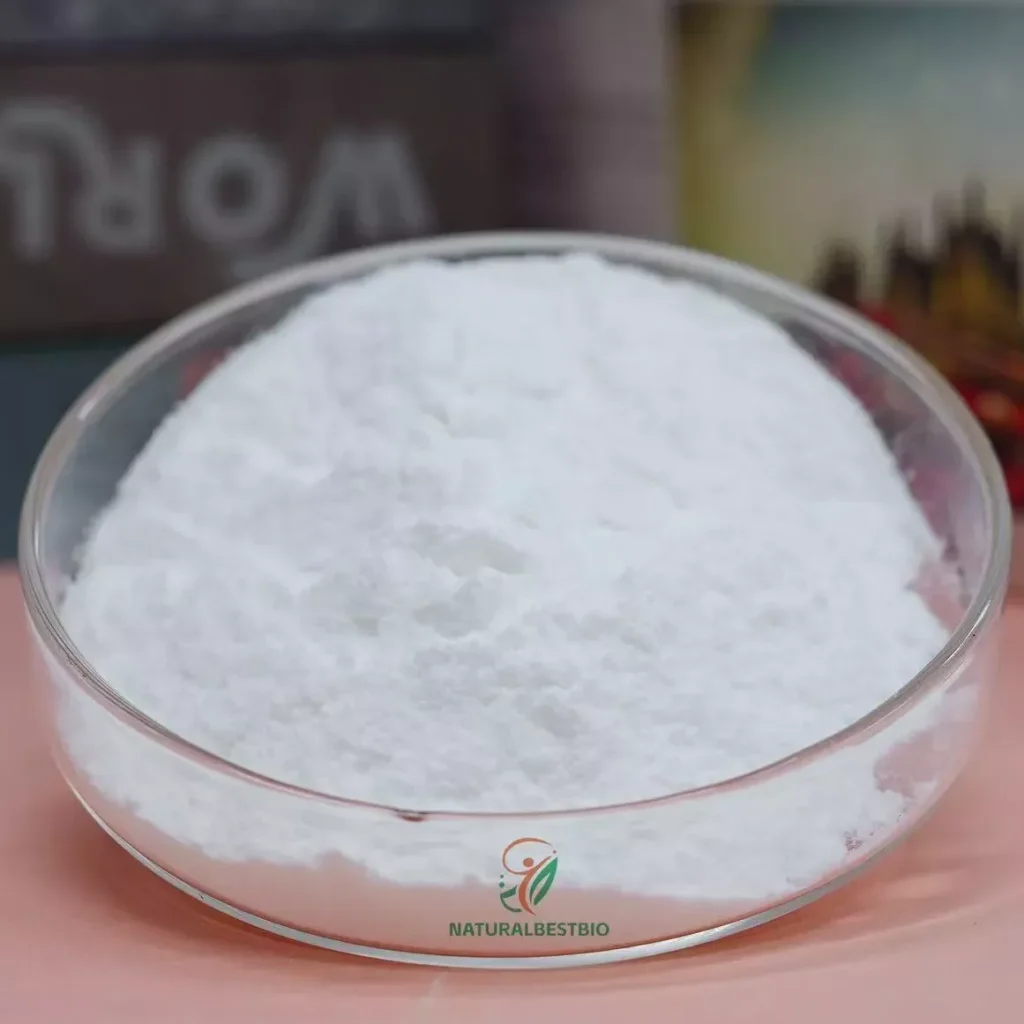
If you’ve ever dived into the world of supplements and natural compounds, you might have come across a name that’s buzzing among fitness enthusiasts, nutritionists, and biohackers alike: Epicatechin. But what exactly is this compound, why are people so obsessed with it, and, most importantly, how do you find a trustworthy epicatechin powder supplier?
Imagine you’re on a treasure hunt. The treasure isn’t gold or jewels—it’s a compound that promises potential benefits for muscle growth, cardiovascular health, and overall well-being. But not all treasures are authentic; some are counterfeit, low-quality, or downright useless. The same goes for epicatechin powder. Whether you’re a manufacturer looking to source raw material or an individual aiming to boost your supplement regimen, the supplier you choose can make all the difference.
In this guide, we’ll walk you through everything from understanding epicatechin to identifying reliable suppliers, tips for buying, and why the right choice matters. Think of it as your roadmap to navigating the sometimes confusing, often technical, world of epicatechin sourcing.
What is Epicatechin?
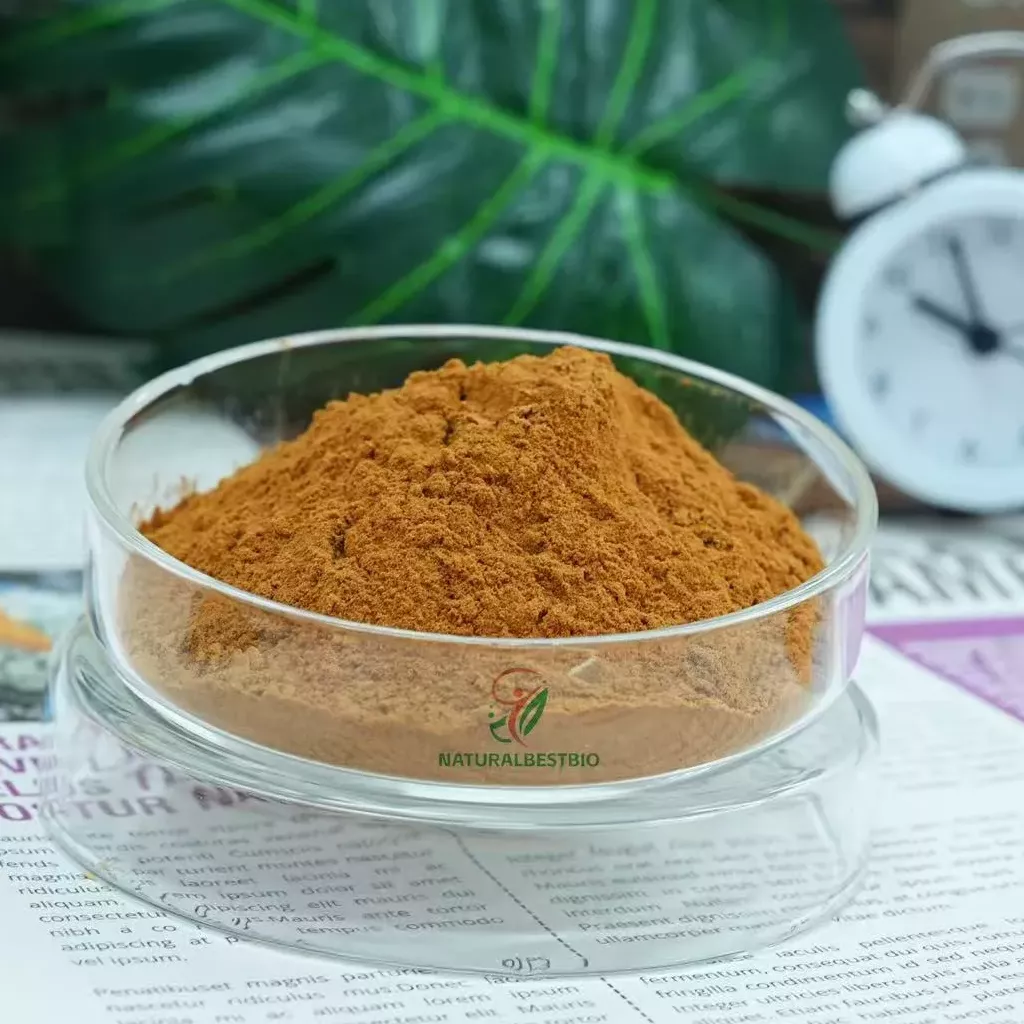
Epicatechin is a flavonoid, a type of naturally occurring plant compound that’s part of the larger family of polyphenols. You’ve probably consumed it unknowingly—it’s found in dark chocolate, green tea, and certain fruits like apples and berries. But why all the hype? Compared to other flavonoids, epicatechin is especially noted for its ability to enhance nitric oxide production, improve blood flow, and potentially support muscle growth and endurance.
Think of your blood vessels as highways. Over time, these highways can get congested or less elastic. Epicatechin acts like a traffic controller, helping the roads expand and letting traffic (blood) flow more smoothly. Compared to other flavonoids like quercetin or catechin, epicatechin seems to have a stronger effect on vascular health and may even impact muscle metabolism, making it particularly attractive for athletes and those seeking performance supplements.
It’s also worth noting that epicatechin is not caffeine or a stimulant. Unlike other energy-boosting compounds, it works subtly, improving performance over time rather than giving a quick jolt. This makes it safer for daily supplementation, especially for people sensitive to stimulants.
The Role of Epicatechin Powder in Supplements and Nutrition
So, why do supplement manufacturers and health enthusiasts go out of their way to buy epicatechin powder? Here’s the inside scoop.
Muscle Growth and Performance
Epicatechin can inhibit myostatin, a protein that limits muscle growth. Picture your muscles as balloons: myostatin is the clamp that keeps them from inflating fully. By suppressing this clamp, epicatechin allows for faster, stronger muscle gains when combined with exercise. Compared to standard protein supplements or creatine, epicatechin doesn’t directly provide building blocks but enhances the body’s own growth mechanisms, making it a complementary powerhouse.
Cardiovascular Health
Compared to other antioxidants like vitamin C or resveratrol, epicatechin has a more potent effect on vascular function. It helps relax blood vessels, improve circulation, and may even reduce blood pressure. Think of it as upgrading your plumbing system: smoother, stronger pipes that handle higher volumes without leaks or blockages.
Antioxidant and Anti-Inflammatory Properties
Epicatechin powder also fights oxidative stress, which is linked to aging, chronic disease, and fatigue. Compared to synthetic antioxidants, epicatechin is naturally sourced and often better tolerated. This makes it a valuable ingredient in daily nutrition supplements for longevity and general wellness.
Cognitive Benefits
Emerging research suggests epicatechin may improve cognitive function, particularly memory and attention, by enhancing blood flow to the brain. So, whether you’re gaming, studying, or working long hours, epicatechin could help keep your mind sharper. Compared to other cognitive enhancers like caffeine, it’s less jittery, longer-lasting, and safer for regular use.
How to Identify a Reliable Epicatechin Powder Supplier
Finding a trustworthy epicatechin powder supplier is critical. Not all suppliers are created equal, and the wrong choice can lead to impure, ineffective, or even unsafe products. Here’s a checklist to guide you:
1. Certificate of Analysis (COA)
A COA is a must. It shows the purity, potency, and safety of the powder. Look for suppliers that provide third-party testing. Compared to suppliers who claim high purity without verification, COA-backed products are far safer and more reliable.
2. Source Transparency
Ask where the epicatechin comes from. Is it extracted from cocoa, green tea, or synthetically produced? Natural extracts are often preferred for supplement formulations, but synthetic forms can be purer and more consistent. Knowing the source helps you weigh cost versus quality, ensuring you get the best value.
3. Manufacturing Standards
Look for GMP-certified suppliers. GMP (Good Manufacturing Practice) ensures the product is produced under strict quality control standards, reducing contamination risks. Compared to non-GMP suppliers, these manufacturers are less likely to provide substandard or unsafe powder.
4. Reviews and Reputation
Check online reviews, testimonials, and industry reputation. Experienced suppliers often have a track record of reliability, which is crucial if you plan bulk orders. Compared to new or obscure suppliers, reputable ones are generally faster, more consistent, and safer.
5. Customer Support
A good supplier will answer questions, provide documentation, and assist with shipping or storage recommendations. Poor customer support can signal potential headaches down the line.
Tips for Buying Epicatechin Powder
Buying epicatechin powder isn’t just about finding the cheapest option. Here are some tips:
- Compare Purity Levels: Higher purity powder (like 98% epicatechin) is stronger but more expensive. Lower purity is cheaper but may require larger doses to achieve the same effect.
- Check Solubility: Epicatechin can be water-soluble or less soluble, which affects how easily it can be used in capsules, drinks, or supplements.
- Storage and Shelf Life: Epicatechin is sensitive to heat, light, and moisture. Choose suppliers who package it in airtight, light-resistant containers for better longevity.
- Bulk vs. Small Orders: Compare costs—bulk orders are cheaper per gram but require proper storage. For new users, a smaller batch may be safer until you test tolerance.
- Regulatory Compliance: Ensure the supplier follows local regulations (e.g., FDA, EU) if you plan to sell products containing epicatechin.
Common Challenges in Sourcing Epicatechin Powder
Even seasoned buyers face hurdles. Some common challenges include:
- Purity Variability: Some suppliers overstate purity. Always ask for third-party verification.
- Price Fluctuations: Raw material costs vary based on plant sources and extraction methods. Compared to synthetic alternatives, natural extracts can be more expensive but more marketable.
- Supply Chain Reliability: Some regions experience seasonal shortages or shipping delays. Reliable suppliers offer backup stock or faster shipping options.
- Mislabeling and Contamination: Not all powders are free from heavy metals or other flavonoids. This is why COA and GMP certification are non-negotiable.
Why Choosing the Right Supplier Matters
The right supplier doesn’t just provide a product—they provide peace of mind, consistent quality, and regulatory safety. Compared to buying from a random online store, a verified supplier:
- Ensures accurate dosing: Essential for supplements where even small variations can affect efficacy.
- Reduces risk of contamination: Your customers’ safety depends on it.
- Supports long-term partnerships: Reliable suppliers can offer bulk discounts, faster shipping, and technical support.
- Protects your brand reputation: One bad batch can damage trust permanently.
Think of your supplier as your partner in a relay race: if they fumble the baton, your entire effort is compromised.
Conclusion
Sourcing high-quality epicatechin powder may seem daunting, but with the right knowledge, it becomes straightforward. Understanding what epicatechin is, its benefits, how to identify reliable suppliers, and the common challenges prepares you to make informed decisions. Compared to guessing or cutting corners, careful selection ensures better quality, safer products, and stronger results for your customers or personal use.
Choosing a reputable supplier is not just a matter of convenience—it’s an investment in effectiveness, safety, and success. Treat it as such, and your epicatechin journey will be smoother, stronger, and more rewarding.
FAQ
| Question | Answer |
|---|---|
| What is the standard purity for epicatechin powder? | Most high-quality suppliers offer 90–98% purity, with 98% being stronger but more expensive. |
| Can I buy epicatechin powder in bulk? | Yes, many suppliers offer bulk orders at lower cost per gram, but proper storage is essential. |
| How do I know if a supplier is trustworthy? | Check COA, GMP certification, reviews, source transparency, and customer support. |
| Is natural or synthetic epicatechin better? | Natural extracts are preferred for supplement marketing and bioavailability, but synthetic forms can be more consistent and stronger. |
| What are the common side effects? | Generally safe at recommended doses. Overconsumption may cause mild digestive upset. |
| How should epicatechin powder be stored? | In a cool, dry, dark place, preferably in airtight containers. Avoid moisture and heat. |