
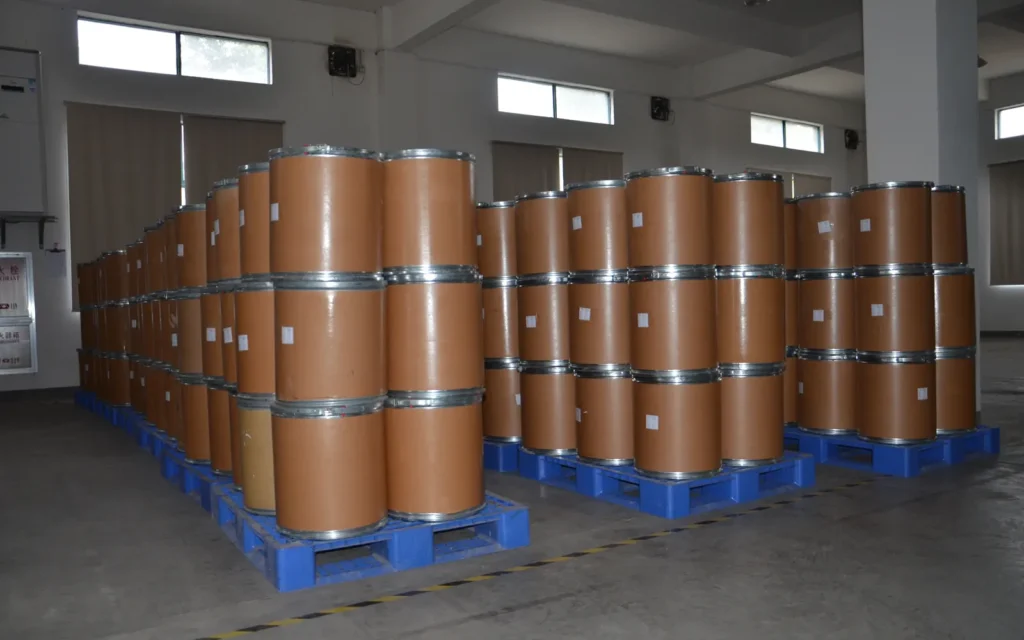
Dihydromyricetin powder for capsules and tablets should be reviewed as both a raw material and a formulation input. A supplier may provide a high-purity DHM powder with a clear COA, but the buyer still needs to check whether the material fits the intended dosage form, manufacturing process, label direction, packaging plan and quality-control workflow.
For supplement brands, capsules and tablets are usually the most practical formats for DHM powder because they allow measured serving sizes and familiar production processes. Even so, the raw material should not be selected by assay percentage alone. Particle size, flow, moisture, bulk density, excipient compatibility, sample behavior and documentation are all part of the decision.
This article supports the Nutrition BioTech DHM supplier cluster and is written for product developers, private-label buyers, contract manufacturers and ingredient sourcing managers. The focus is B2B formulation and quality review, not consumer medical advice or guaranteed finished-product results.
Start With the Target Dosage Form
Before selecting a dihydromyricetin powder supplier, define whether the project is a capsule, tablet, powder blend or future multi-ingredient format. Capsules and tablets have different requirements.
Capsules usually require attention to:
- powder flow
- fill weight
- bulk density
- capsule size
- excipient selection
- blend uniformity
- hygroscopic behavior
- production speed
Tablets usually require additional attention to:
- compressibility
- binder system
- disintegration target
- lubricant level
- tablet hardness
- friability
- coating compatibility if used
- processing sensitivity
DHM powder may be only one component in the formula. The buyer should review how it behaves with other ingredients, such as botanical extracts, minerals, amino acids, longevity ingredients or antioxidant-positioned actives. The supplier does not need to design the finished product for the brand, but the supplier should understand the raw-material details needed by the formulator.
Specification Comes Before Formulation
No formulation review is complete without a specification review. The buyer should confirm product identity, assay, method, COA, contaminant limits, particle size, storage and packaging before moving too far into prototype work.
For DHM powder used in capsules or tablets, ask for:
- specification sheet
- representative COA
- batch COA for approved lots
- HPLC assay information
- particle size or mesh range
- moisture or loss on drying
- heavy metals
- microbiology
- residual solvents where relevant
- allergen, GMO or non-irradiation statements if needed
- SDS or MSDS
If the supplier cannot provide these documents, the buyer may still request a sample, but the project should not move into commercial production without a stronger document package. The Dihydromyricetin Powder Specification page can be used as a companion checklist after it is published.
Particle Size, Flow and Blend Uniformity
Particle size can affect how DHM powder moves through a capsule or tablet process. A very fine powder may create dusting or flow challenges. A coarser powder may create segregation risk in blends if other ingredients have different particle profiles.
Important questions:
- Does the supplier control particle size?
- Is the material milled or sieved?
- Does the powder flow freely?
- Does it require a glidant or flow aid?
- Is the powder prone to clumping under humidity?
- Does the material blend evenly with selected excipients?
These are practical production questions. They do not change the ingredient identity, but they can affect manufacturing efficiency and batch consistency. A buyer should share the target format and estimated fill weight with the contract manufacturer before finalizing the raw material.
Capsule Formulation Considerations
Capsules are often chosen for botanical and high-purity powder ingredients because they can reduce the need for compression. Still, capsule filling has its own constraints.
Review:
- target serving amount
- capsule size, such as size 0, 00 or other format
- whether the formula is single-ingredient or multi-ingredient
- bulk density of the DHM powder
- need for flow agents
- compatibility with capsule shell type
- moisture protection
- label-friendly excipient choices
If the capsule formula includes multiple actives, the buyer should consider blend uniformity and overage decisions with qualified manufacturing and QA teams. The supplier can provide raw-material data, but the finished-product manufacturer is responsible for the finished dosage-form process.
Tablet Formulation Considerations
Tablets can be efficient for large-scale supplement manufacturing, but they often require more formulation development than capsules. If DHM powder is planned for tablets, the brand should involve a contract manufacturer or formulation specialist early.
Tablet development may require:
- binder selection
- disintegrant selection
- lubricant control
- compression-force review
- hardness and friability testing
- tablet weight control
- coating decision
- stability and packaging review
The supplier should be able to provide raw-material information, but a DHM supplier should not make finished-tablet performance guarantees. The formulator needs to test the material in the actual formula and process conditions.
Moisture, Storage and Packaging Fit
Moisture control matters for many powdered ingredients. Buyers should ask whether DHM powder needs cool, dry storage, light protection or additional packaging precautions.
For capsules and tablets, moisture questions include:
- Is the raw material sensitive to humidity?
- Does the supplier ship in double polyethylene bags, foil bags, drums or cartons?
- Is desiccant used in bulk packaging?
- Does the material clump after opening?
- What storage condition is listed on the COA?
- Is the shelf life based on unopened original packaging?
Finished-product packaging may also need review. Bottle, blister, pouch and desiccant decisions belong to the finished-product development team, but raw-material behavior should be considered early.
Solubility and Delivery Format Expectations
For capsules and tablets, solubility is usually reviewed differently than for beverages or ready-to-mix powders. The key question is not whether DHM powder disappears easily in water, but whether the material is appropriate for the intended solid dosage form and whether the finished product meets the brand’s quality expectations.
Avoid making broad consumer-facing claims about absorption or performance without proper support. If a brand wants a special delivery strategy, such as a blend, coating, granulation or complex finished-product system, it should be validated through formulation work and regulatory review.
Scientific sources can discuss compound background and analytical methods. They should not be used to claim that one supplier’s raw material guarantees a finished-product outcome.
Sample Testing for Capsules and Tablets
Sample approval should include more than visual inspection. A practical B2B sample review can include:
- document review
- physical appearance
- odor or sensory note if relevant
- particle-size check
- trial blend
- capsule filling trial
- tablet compression trial if applicable
- internal or third-party assay testing
- contaminant review
- packaging review
- comparison with the supplier’s COA
The sample should be labeled clearly and connected to the supplier documents. If the supplier later ships a different batch, the buyer should compare the batch COA with the sample documentation before releasing the material for production.
Excipients and Clean-Label Positioning
Many supplement brands care about excipient choices. DHM powder formulation may need flow agents, fillers, binders or disintegrants depending on the dosage form. The buyer should align excipient decisions with brand positioning, manufacturing feasibility and compliance review.
Common formulation discussion points include:
- vegetarian capsule shell preference
- magnesium stearate policy
- silicon dioxide use
- rice flour, cellulose or other carriers
- tablet binder selection
- allergen considerations
- vegan or non-GMO positioning if required
The DHM supplier may not supply the finished excipient system, but it should provide raw-material documents that help the formulator make decisions.
Multi-Ingredient Formula Fit
Dihydromyricetin powder may be used in formulas that also include botanical extracts, amino acids, minerals, vitamins or other branded ingredient concepts. In those cases, the buyer should check both formula positioning and physical compatibility.
Questions for a multi-ingredient project:
- Does the total serving size fit the capsule count?
- Are ingredient colors compatible with the intended appearance?
- Will particle sizes segregate?
- Are any ingredients strongly hygroscopic?
- Do any ingredients require different storage conditions?
- Does the formula need taste masking if used outside capsules?
This is where supplier communication becomes useful. A supplier that understands B2B formulation can help provide particle-size data, sample quantities and documentation quickly, even if the final formulation decisions remain with the buyer and manufacturer.
Regulatory and Claim-Safety Review
Ingredient suppliers should not write finished-product claims for brands. A DHM powder supplier can provide COA, specification, sample support and technical background, but the brand must review label claims and market-specific requirements.
Avoid language such as:
- cures hangovers
- prevents disease
- protects the liver as a guaranteed result
- reverses aging
- clinically proven consumer outcome without specific substantiation
- detox guarantee
Safer B2B language includes:
- used in supplement formulations
- reviewed for raw-material quality
- evaluated for capsule and tablet manufacturing
- supported by COA and specification documents
- studied in scientific literature for background context
For U.S.-market supplement manufacturing background, buyers can review FDA dietary supplement cGMP resources and work with qualified regulatory professionals.
How Nutrition BioTech Supports DHM Capsule and Tablet Projects
Nutrition BioTech can support DHM powder projects with sample coordination, specification review, COA documents and bulk-order discussion. Buyers can start with Dihydromyricetin 98% or the main Dihydromyricetin Powder Supplier page.
Related DHM sourcing pages include:
- Dihydromyricetin Powder Suppliers
- Bulk Dihydromyricetin Powder
- Wholesale Dihydromyricetin Powder
- China Dihydromyricetin Powder Suppliers
When requesting a DHM sample for capsules or tablets, include target dosage form, estimated fill weight, capsule or tablet target, destination market, sample quantity, required documents and testing expectations.
FAQ
Is dihydromyricetin powder suitable for capsules?
DHM powder can be reviewed for capsule formulations, but suitability depends on specification, particle size, flow, bulk density, excipients and production testing.
Can DHM powder be used in tablets?
It may be reviewed for tablet projects, but tablet development requires compression, excipient and disintegration testing by the formulator or contract manufacturer.
What documents should a formulator request first?
Request the specification sheet, COA, HPLC assay information, particle-size data if available, SDS and contaminant testing details.
Should the supplier guarantee finished-product performance?
No. The supplier should provide raw-material documents and sample support. Finished-product performance and claims require separate formulation, testing and regulatory review.
What is the safest article angle for DHM formulation content?
Keep the content focused on B2B formulation, raw-material quality, capsule or tablet manufacturing fit, and compliance-aware sourcing.