Urolithin A supplier specification
Nutrition BioTech is a bulk Urolithin A ingredient supplier and manufacturer, supplying high-purity Urolithin A powder at 98% minimum by HPLC (CAS 1143-70-0). Current production is by fermentation; the production route for each lot is stated on the Certificate of Analysis. Every lot ships with a Certificate of Analysis stating identity, HPLC assay and the assay basis, from an ISO 22000 and FSSC 22000 certified quality system. Samples, specifications and COAs are available on request for formulation trials.
| Ingredient name | Urolithin A |
|---|---|
| Synonyms | 3,8-dihydroxy-6H-dibenzo[b,d]pyran-6-one; 3,8-dihydroxybenzo[c]chromen-6-one; UA |
| CAS number | 1143-70-0 |
| Molecular formula | C13H8O4 |
| Molecular weight | 228.20 g/mol |
| Assay / purity | 98% minimum by HPLC; other grades available on request |
| Production route | Current production is by fermentation. The production route for each lot is stated on the Certificate of Analysis. |
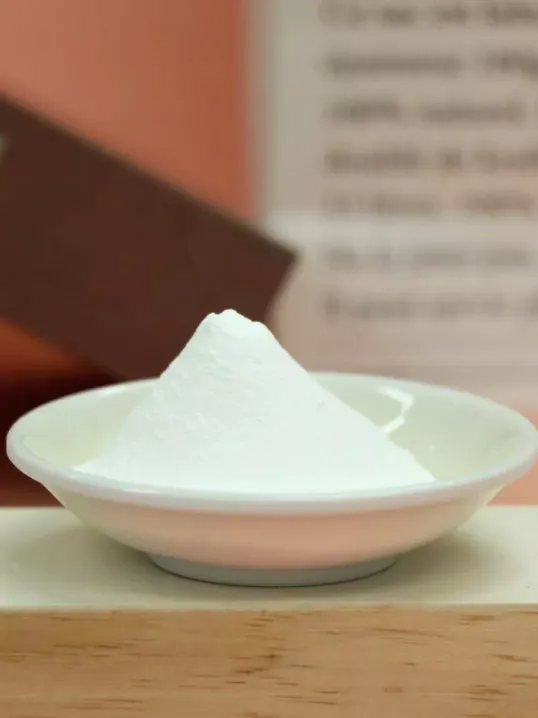
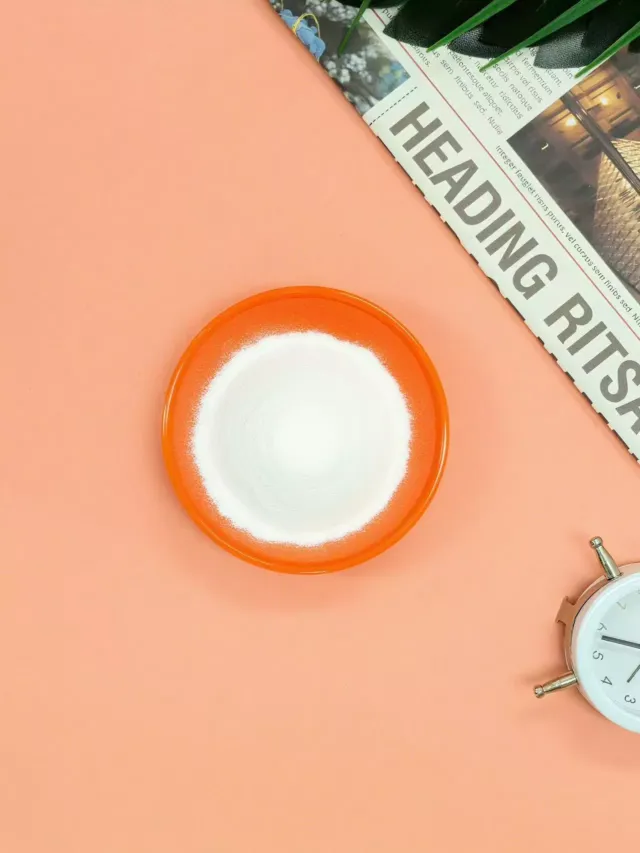
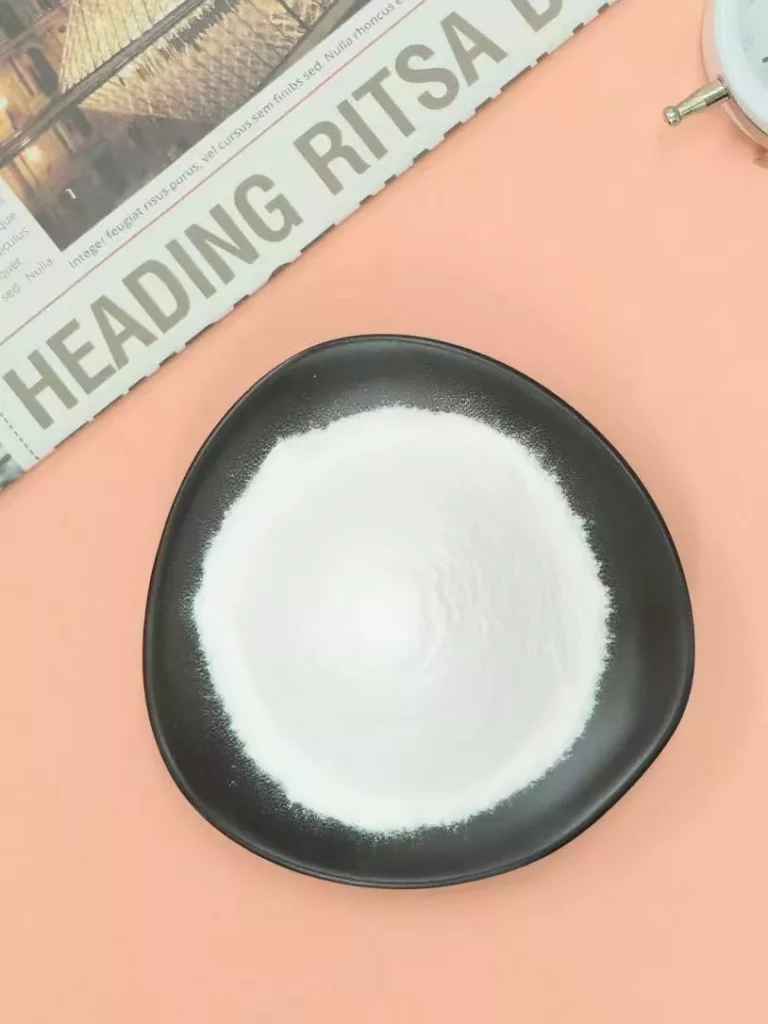
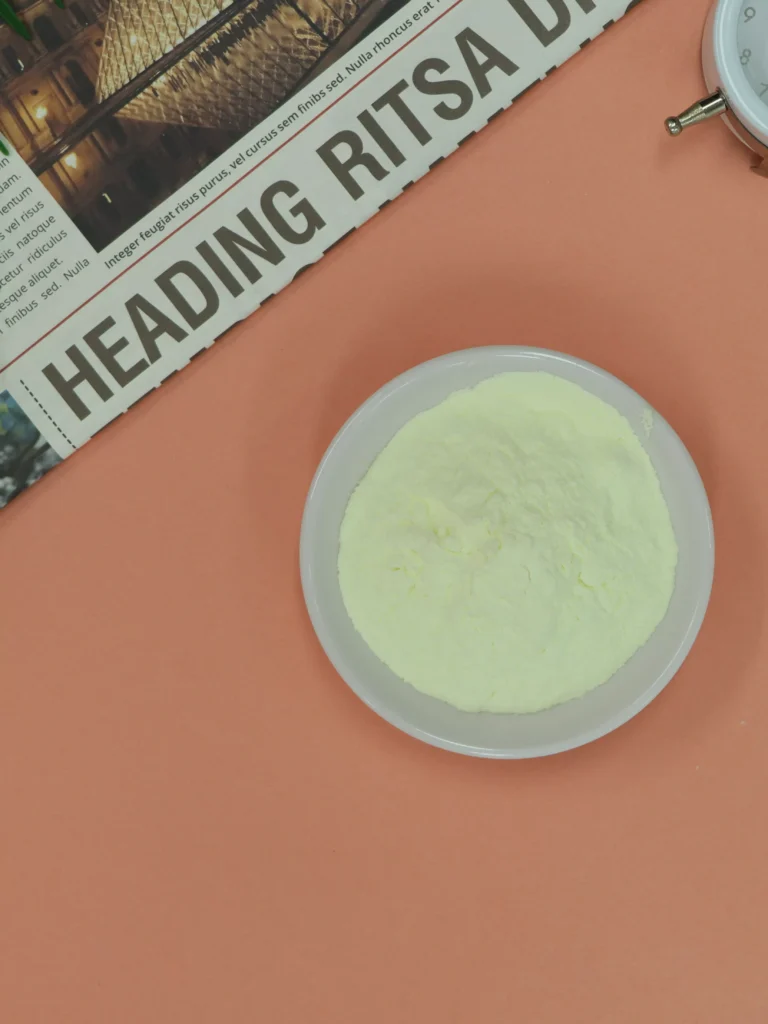
| Appearance | Off-white to light beige or pale yellow fine powder |
| Solubility | Practically insoluble in water; soluble in DMSO and ethanol. Solubility-improved and dispersible formats available on request |
| Typical applications | Capsules, tablets, powder blends, stick packs and low-dose longevity-category formulations; topical and cosmetic formulation on request |
| Documentation | COA, specification sheet, HPLC method summary, heavy metals, microbiology, residual solvents, allergen and GMO statements, stability data |
| Quality system | ISO 22000:2018, FSSC 22000, HACCP, GMP; stamped certificates available on request |
| Supplier | Nutrition BioTech, 1601 W. Mission Blvd, Suite 103 (DL#29), Pomona, CA 91766, United States · [email protected] · +1 (909) 745-1357 |
Related: Urolithin A vs pomegranate extract · How to verify a supplier COA · Quality & Certifications · Request a Urolithin A sample, COA or spec →
1. Introduction: The Global Rise of Urolithin A
In the booming longevity market, finding a reliable China Urolithin A supplier is essential for any serious nutraceutical brand. This ingredient is researched for mitochondrial quality-control pathways such as mitophagy; buyer-facing claims should be matched to the target market and substantiation file. As demand rises, identifying a high-quality China Urolithin A supplier becomes the top priority for manufacturers. In this guide, we explore why sourcing from this region is a strategic move.
What Is Urolithin A, and Why Does It Matter?
At its core, Urolithin A is a naturally occurring metabolite derived from ellagitannins — compounds found in foods like pomegranates, berries, and nuts. When your gut microbiota processes these ellagitannins, it can produce Urolithin A. However, here’s the catch: not everyone’s gut can do this efficiently. In fact, studies show that only a fraction of people can generate significant amounts naturally.
That’s where Urolithin A supplements come into play. They offer a standardized, bioavailable form of the compound, ensuring everyone can benefit from its effects — regardless of their gut microbiome makeup.
The Science Behind Urolithin A
Why all the buyer interest? Urolithin A is studied in mitochondrial quality-control research, especially pathways such as mitophagy. For commercial teams, the practical question is not a ready-made consumer promise; it is whether the raw material has the right identity, purity, documentation, route statement, and claim-support file for the intended market.
Think of it like changing the oil in your car engine. Over time, your mitochondria get cluttered with damaged parts, reducing efficiency.
From Research Labs to Daily Supplements
The transition of Urolithin A from a niche compound to a global phenomenon didn’t happen overnight. Then, supplement manufacturers, always hungry for the next big ingredient, jumped on board.
Today, Urolithin A is being integrated into nutraceuticals, sports nutrition formulas, and longevity supplements around the world. You’ll find it in capsules, powders, and even fortified beverages aimed at promoting healthy aging, cellular energy, and performance recovery.
Research context for Urolithin A buyers
Published research has investigated oral Urolithin A supplementation in relation to muscle endurance and biomarkers associated with mitochondrial and cellular health in older adults. Another randomized trial investigated Urolithin A in relation to muscle strength, exercise performance, and mitochondrial-health biomarkers in middle-aged adults. These studies can help formulation teams frame a substantiation review, but they do not replace product-specific regulatory, claim, or finished-formula review.
- PMID 35050355 / DOI 10.1001/jamanetworkopen.2021.44279 — Effect of Urolithin A Supplementation on Muscle Endurance and Mitochondrial Health in Older Adults.
- PMID 35584623 / DOI 10.1016/j.xcrm.2022.100633 — Urolithin A improves muscle strength, exercise performance, and biomarkers of mitochondrial health in a randomized trial in middle-aged adults.
Global Demand: The Search for Reliable Suppliers
With rising awareness comes skyrocketing demand. As consumers grow more educated about the science behind longevity, supplement brands are racing to include Urolithin A in their formulations. But here’s the tricky part — it’s not easy to produce at scale.
To make high-purity Urolithin A, manufacturers need controlled fermentation production, documented lot testing, strict quality control, and access to raw materials. This is where one country, in particular, has started making serious waves: China.
Over the last decade, China’s biotech sector has evolved from a follower to a global leader in ingredient innovation, especially in nutraceuticals. And when it comes to producing Urolithin A — they’re doing it better, faster, and more cost-effectively than many of their global counterparts.
2. Why China Is Emerging as a Key Urolithin A Supplier
If you’re wondering how China became the epicenter for Urolithin A production, it’s not just about cheaper labor or large-scale factories. It’s about infrastructure, innovation, and quality transformation. Let’s break it down.
Abundant Raw Material Resources
China’s vast agricultural base gives it a head start. Ellagitannins — the natural precursors of Urolithin A — are abundant in fruits like pomegranates, raspberries, and walnuts, all of which are grown in multiple regions of China.
This local access to raw materials shortens the supply chain, making production both faster and less expensive compared to importing ingredients. It also gives Chinese manufacturers more control over the traceability and consistency of their supply — a huge plus for supplement brands seeking stability in sourcing.
Advanced Biotechnology and Fermentation Capabilities
Let’s face it — producing Urolithin A isn’t simple chemistry. It requires precision fermentation, microbial engineering, and downstream purification. That’s where China has heavily invested over the past decade.
In biotech clusters across Shanghai, Shenzhen, and Zhejiang, research teams have fine-tuned fermentation systems to produce high-purity Urolithin A (≥98%) with better yield and lower environmental impact. Some have even developed proprietary microbial strains that can convert ellagic acid to Urolithin A more efficiently than traditional methods used in Europe or the US.
In other words, Chinese suppliers aren’t just replicating — they’re innovating. The technology is faster, greener, and more scalable, setting new standards for the industry.
Competitive Pricing Without Compromising Quality
One procurement advantage is cost efficiency with documented quality. Instead of relying on headline price claims, compare landed cost together with assay method, residual-solvent limits, heavy metals, microbiology, packaging, lead time, and COA availability.
This price advantage doesn’t come from cutting corners but from economies of scale and optimized logistics. China’s massive production capacity, coupled with lower operating costs, allows it to supply bulk Urolithin A powder at competitive rates without sacrificing quality or consistency.
For supplement brands and nutraceutical startups, this can mean the difference between a product that’s profitable and one that’s not.
Regulatory Improvements and Global Certifications
In the past, buyers were cautious about sourcing ingredients from China due to concerns about quality control or compliance. But that’s changing — fast.
Today, leading Urolithin A manufacturers in China operate under GMP (Good Manufacturing Practice) conditions, and many hold ISO9001, HACCP, and even Kosher/Halal certifications. These credentials aren’t just paperwork — they signal a broader cultural shift toward transparency and international trust.
Regulatory agencies in China are also tightening oversight, which means products coming out of top factories are more likely to meet — or even exceed — US FDA and EU EFSA quality benchmarks.
How China Compares to Other Regions
Let’s stack it up for a moment:
| Region | Production Strengths | Challenges | Price Level | Innovation Focus |
|---|---|---|---|---|
| China | High yield, advanced fermentation, affordable pricing, strong export system | Occasional perception lag | (Low–Moderate) | Biotechnology, sustainability |
| Europe | Strict regulation, strong brand trust, consistent quality | High production costs | (High) | Clinical validation, small-batch research |
| United States | Advanced R&D, close to supplement brands | Limited large-scale production | (Moderate–High) | Commercial partnerships, formulation |
| India | Low cost, growing nutraceutical base | Still developing Urolithin A expertise | (Low) | Entry-level production, generic ingredients |
As you can see, China sits at a sweet spot — blending cost efficiency with cutting-edge biotech innovation. Compared to Europe or the US, China’s Urolithin A production is faster, more scalable, and more affordable. Compared to India, it’s stronger in technology and purity standards.
The Shift in Global Perception
The days when “Made in China” implied low quality are fading fast. Today, many international supplement brands — including some household names — quietly source their raw Urolithin A from Chinese manufacturers because of the consistent quality and documentation standards they now provide.
In fact, several suppliers have established joint R&D collaborations with Western universities and biotech firms, reinforcing their credibility. The result? A fast-growing network of trusted Chinese Urolithin A suppliers that can meet the demands of global longevity brands looking for dependable, scalable sources.
3. Quality and Purity Standards: Breaking Old Stereotypes
For years, sourcing nutraceutical ingredients from China came with a bit of hesitation. Some people equated “Made in China” with low-cost and low-quality. But let’s be honest — that stereotype is not only outdated, it’s flat-out wrong when it comes to Urolithin A.
The New Standard: 98% Purity and Beyond
Today’s leading China Urolithin A suppliers are setting the bar higher than ever before. The gold standard for supplement-grade Urolithin A is 98% purity or above, and top Chinese manufacturers are consistently hitting — and sometimes exceeding — that benchmark.
This high-purity level ensures:
- Clearer identity and purity control, so formulators can review the lot against the written specification.
- Fewer impurities or unwanted byproducts.
- More consistent color, taste, and stability when formulated into capsules or powders.
Compared with older market batches, today’s buyer review should focus on written lot controls: assay, identity, residual solvents, impurity profile, particle-size target, microbiology, heavy metals, and route statement. Current production is by fermentation. The production route for each lot is stated on the Certificate of Analysis.
Third-Party Testing and Transparent Documentation
Trust is earned through transparency. Reputable Urolithin A suppliers in China now provide comprehensive third-party testing for every batch. These reports are not optional extras — they’re part of the deal.
Buyers typically receive:
- COA (Certificate of Analysis) confirming purity, identity, and assay results.
- MSDS (Material Safety Data Sheet) outlining handling and storage requirements.
- HPLC/GC testing data showing the absence of contaminants or residual solvents.
- Microbial test results proving the product is clean and safe.
When a supplier hands you a COA from an independent international lab — often SGS or Eurofins — that’s your green light. It’s proof they’re serious about quality and traceability, not just bulk production.
Traceability and Clean Supply Chains
Another area where China’s Urolithin A industry has leveled up is traceability. Modern factories use ERP and blockchain-based systems to track every batch from raw material to final shipment.
Think of it as a “birth certificate” for each kilogram of powder — you can trace it back to the exact lot of ellagic acid, the fermentation tank, and even the QC technician who tested it. That’s how global brands ensure safety and compliance when importing ingredients across borders.
Clean-Label and Sustainable Manufacturing
Sustainability isn’t just a Western marketing trend anymore — it’s a global movement, and Chinese suppliers have embraced it too.
Factories are now using eco-friendly solvents, energy-efficient reactors, and closed-loop water systems to reduce their carbon footprint. Some even boast zero-waste fermentation lines, where byproducts are converted into biofertilizers or reused in other bioprocesses.
Why does this matter? Because consumers today care not only about what’s inside their supplements but also how they’re made. Brands sourcing from sustainable Urolithin A manufacturers can highlight this in their marketing — adding value for eco-conscious buyers.
Global Brands Are Already On Board
Here’s an open secret: many well-known international supplement companies already source Urolithin A raw material from China, though they may not advertise it openly. Why? Because the quality now meets — and often exceeds — Western expectations, while the cost remains more competitive.
You can think of it like the smartphone industry: the world’s top phones might have American or Korean brand names, but guess where their high-precision components come from? China. The same story is unfolding in the world of nutraceutical ingredients.
4. What to Look for in a Reliable Urolithin A Supplier
Alright — let’s say you’re ready to qualify your ideal China Urolithin A supplier. Start with the supplier’s own specification, COA, documentation package, sample route, and official contact path. How do you tell who can support a real procurement file and who is only reselling generic material? Let’s unpack that.
1. Look for GMP-Certified Facilities
First thing’s first — certifications matter. Always check if the manufacturer is GMP-certified (Good Manufacturing Practice). This isn’t just a fancy label; it’s a regulatory system ensuring every step — from sourcing to packaging — meets strict hygiene and safety standards.
Other relevant certifications to look for:
- ISO9001 – general quality management.
- HACCP – hazard analysis and critical control points, ensuring product safety.
- Kosher/Halal – useful for global market compatibility.
A supplier with these credentials is usually a direct manufacturer, not a trading company reselling someone else’s product.
2. Ask for Transparent Documentation
A trustworthy supplier should readily share documents like:
- COA (Certificate of Analysis) – confirming purity (aim for ≥98%).
- MSDS – detailing safety and handling.
- Batch records – proving consistency.
- Third-party test results – ideally from globally recognized labs.
If a supplier hesitates to share these before your first order, that’s a red flag. Transparency is the foundation of good B2B relationships.
3. Evaluate R&D Capacity and Testing Infrastructure
High-quality Urolithin A isn’t made in a basic, undocumented facility. It requires strong research and development (R&D) capabilities — including fermentation bioreactors, chromatographic analysis equipment, and an in-house QC team.
Ask questions like:
- Does the supplier state the lot production route on the COA? Current production is by fermentation. The production route for each lot is stated on the Certificate of Analysis.
- What’s their annual production capacity?
- Can they customize purity levels (e.g., 98%, 99%)?
- Do they conduct stability testing or pilot formulation trials?
Suppliers that invest in R&D typically deliver better consistency, improved yield, and a longer shelf life for your finished product.
4. Verify Export Experience and Regulatory Compliance
Navigating customs can be tricky, especially for health ingredients. That’s why you’ll want a supplier who’s already familiar with international export regulations.
Experienced exporters can provide:
- Customs clearance documents (Commercial Invoice, Packing List, COA, etc.).
- Regulatory support for FDA, EFSA, or TGA markets.
- Proper HS coding and labeling to prevent shipment delays.
Compared to a first-time exporter, an experienced one saves you headaches, time, and unexpected costs.
5. Customer Service and Supply Stability
A good supplier doesn’t vanish after you send your payment. Look for responsiveness and professionalism in your early communication. Do they reply quickly? Do they understand technical details?
Ask about:
- Lead times and inventory stability.
- MOQ (minimum order quantity) flexibility for pilot batches.
- Reorder consistency — can they maintain purity and quality batch-to-batch?
Stable suppliers often have multiple production lines or backup facilities, reducing risk if one line goes offline.
6. Red Flags to Watch Out For
Let’s keep it real — not every company advertising “Urolithin A supplier China” online is trustworthy. Here are warning signs:
- Prices that seem too good to be true (they usually are).
- Vague or incomplete documentation.
- Lack of company registration details.
- Poor communication or inconsistent answers.
- Refusal to provide samples before bulk purchase.
If you encounter any of these, walk away. A legitimate manufacturer will never push you into a large purchase before proving their quality.
Key Factors to Evaluate a China Urolithin A Supplier
| Evaluation Criteria | What to Expect | Why It Matters |
|---|---|---|
| Certifications | GMP, ISO, HACCP, Halal, Kosher | Confirms quality systems and global compliance |
| Purity Level | ≥98% Urolithin A | Ensures effectiveness and safety |
| Testing | COA, third-party lab results (SGS, Eurofins) | Validates authenticity and quality |
| R&D Strength | Fermentation expertise, pilot testing | Drives innovation and consistency |
| Export Experience | Prior FDA/EU shipments | Minimizes logistic risks |
| Customer Support | Fast replies, transparency | Indicates reliability and partnership mindset |
5. Innovation Spotlight: The Next Frontier of Urolithin A in China
When you think of China as a manufacturing hub, you might imagine large factories and high production volumes — but that’s only half the story. Behind the scenes, something even more exciting is happening: innovation.
China’s Urolithin A industry isn’t just about producing more; it’s about producing better. Let’s take a look at how Chinese biotechnology is reshaping the global conversation around Urolithin A.
Microbial Fermentation vs. Chemical Synthesis
There are two main routes for producing Urolithin A:
- Chemical Synthesis
- Microbial Fermentation
Each has its pros and cons — but the trend is clear: fermentation is the future.
| Production Method | Description | Advantages | Drawbacks |
|---|---|---|---|
| Chemical Synthesis | Laboratory-based chemical reactions to build Urolithin A molecules. | Faster setup, scalable for mass production. | Requires the same buyer review of assay, identity, impurity profile, residual solvents, microbiology, and stability records. |
| Microbial Fermentation | Uses engineered microorganisms (like certain bacteria) to convert ellagic acid to Urolithin A. | Route documented on the COA; buyer should review assay, identity, impurity profile, residual solvents, microbiology, and stability records. | Requires advanced biotech control, longer optimization time. |
Chinese biotech companies have poured millions into fermentation technology, fine-tuning microbial strains that can produce Urolithin A with >99% purity and minimal environmental waste.
It’s the same kind of biotech innovation that powers the creation of insulin, vitamins, and probiotics — but now applied to the world of longevity supplements.
Collaboration Between Academia and Industry
China’s strength lies in its academic-industrial ecosystem. Universities like Tsinghua, Zhejiang, and Shanghai Jiao Tong University are collaborating directly with biotech startups and nutraceutical giants to push the boundaries of Urolithin A production efficiency.
These partnerships have led to breakthroughs like:
- Enhanced microbial strains with faster conversion rates.
- Advanced bioreactors that use real-time monitoring sensors for yield optimization.
- Novel purification techniques that improve color stability and shelf life of Urolithin A powder.
Compared to traditional Western models, where academia and industry often operate separately, China’s integrated approach leads to faster commercialization and cheaper scalability — a win-win for global supplement brands.
Emerging Applications: Beyond Longevity Pills
When most people think of Urolithin A, they think of anti-aging capsules or cellular health supplements. But Chinese innovators are expanding its reach into new, exciting categories.
1. Cosmeceuticals (Beauty + Science)
Topical and beauty-positioned concepts should be handled as formulation-development discussions, not ready-made efficacy claims. Buyers should review solubility, dispersion, compatibility, claim language, and market-specific compliance before using Urolithin A in a cosmetic or nutricosmetic concept.
2. Functional Foods and Beverages
Instead of popping pills, what if you could sip on Urolithin A every morning? Functional drinks fortified with Urolithin A are already being tested in pilot projects.
3. Personalized Nutrition
With China leading advancements in AI-driven nutrition and genomic testing, Urolithin A may soon be part of personalized supplement regimens. Consumers could receive custom-blended formulations based on their metabolism, gut microbiome, or age group.
China: From Supplier to Global Innovator
It’s no exaggeration to say that China is becoming a global R&D center for Urolithin A.
Compared to Europe’s slower, regulation-heavy process, China’s innovation cycle is faster and more adaptable. Compared to the U.S., where production costs remain high, China delivers more cost-effective scalability without compromising quality.
In other words, China is no longer just a supplier — it’s a scientific partner shaping the future of longevity nutrition.
Think of it as the Tesla of the nutraceutical world: fast, forward-thinking, and obsessed with improving performance at every level.
6. Practical Guide: How to Source Urolithin A from China
So, you’re convinced — sourcing Urolithin A from China sounds like a smart move. But how do you actually do it safely, efficiently, and profitably? Let’s walk through a practical, step-by-step roadmap.
Step 1: Start With a Supplier Who Will Put the Specification in Writing
For Urolithin A procurement, start with a supplier that can put the technical file in writing before price negotiation. A buyer-useful supplier should be able to confirm the specification, lot route, documentation package, sample route, and commercial lead time without pushing you back to a generic marketplace listing.
| Buyer checkpoint | What to verify before ordering |
|---|---|
| Assay and identity | 98% minimum by HPLC; CAS 1143-70-0; identity confirmed by lot documentation. |
| Production route | Current production is by fermentation; lot route stated on the Certificate of Analysis. |
| Documentation | Certificate of Analysis and specification sheet with every lot. Third-party tested; report available under buyer review. |
| Commercial terms | MOQ 1 kg; 10 g sample available; 1 kg, 5 kg and 25 kg packaging; US warehouse stock ships within 3 business days when available. |
| Storage and handling | Store below 25°C in a sealed container; no cold chain required for normal handling. |
Use the COA and specification sheet as the first decision filter. If a supplier cannot confirm assay method, route statement, residual-solvent limits, heavy metals, microbiology, packaging, and sample availability, keep the conversation at qualification stage rather than moving directly to purchase terms.
Step 2: Verify Credentials and Certifications
Before you even talk price, request these documents:
- Business license or manufacturing permit.
- GMP, ISO9001, or HACCP certification copies.
- COA, MSDS, and third-party test reports (SGS, Eurofins, or Intertek).
This documentation tells you two things:
- The company is legitimate and compliant.
- Their Urolithin A is lab-tested for purity and safety.
If a supplier refuses to share documentation — or offers a “private COA” without lab details — move on. Transparency is key.
Step 3: Request Samples and Conduct Independent Testing
Never commit to a large order without testing samples first. Ask for a small batch (10–50g) and have it tested in your own country or through a third-party lab.
Check for:
- Purity (≥98%) using HPLC.
- Color and odor consistency.
- Solubility in your intended formulation base.
- Microbial safety levels.
Remember: even the best suppliers can have variation between batches. Pilot testing prevents expensive mistakes later on.
Step 4: Discuss MOQ, Lead Time, and Payment Terms
Chinese suppliers are usually flexible, but communication is everything. Clarify:
- MOQ (Minimum Order Quantity): Some may start as low as 1 kg for pilot runs.
- Lead time: Typically 7–15 working days after payment.
- Payment and order path: Confirm payment terms, proforma invoice details, official company account, shipment route, and document package directly with the supplier.
If you’re new to international sourcing, keep the order process documented: verify the company entity, match the invoice to the supplier record, confirm COA and specification before shipment, and retain the sample or retained-lot review path for quality follow-up.
Step 5: Define Your Technical Requirements Clearly
Be crystal clear about what you need:
- Purity target (e.g., 98% or 99%).
- Form (powder, capsule-grade, or premix).
- Packaging (aluminum foil bag, drum, etc.).
- Labeling or export documentation requirements.
A detailed specification sheet avoids misunderstandings and ensures you get the exact product you need.
Step 6: Avoid Common Mistakes When Sourcing
Many new buyers fall into the same traps. Let’s save you from that.
| Common Mistake | Why It’s Risky | How to Avoid |
|---|---|---|
| Buying from trading companies | Adds cost, reduces traceability. | Source directly from manufacturers. |
| Ignoring documentation | Hidden impurities or mislabeling risks. | Always verify COA + lab tests. |
| Not testing samples | Quality may vary per batch. | Always test before scaling orders. |
| Focusing only on price | Cheap ≠ good. Poor quality can hurt your brand. | Balance price with purity and trustworthiness. |
| Overlooking logistics | Shipping delays or customs issues. | Work with experienced exporters familiar with your region. |
Step 7: Build Long-Term Partnerships
Once you find a supplier who checks all the boxes, don’t treat it as a one-time deal. A long-term relationship benefits both sides — you get stable pricing and consistent quality, while they get predictable demand.
Some brands even sign exclusive distribution agreements or R&D collaborations with their Chinese partners to co-develop new product lines. This can give you a competitive edge in a crowded supplement market.
Real Talk: What Sets the Best Suppliers Apart
The best China Urolithin A suppliers don’t just ship powder — they provide solutions:
- Custom formulations.
- Technical support for mixing or encapsulation.
- Market insights on new trends in longevity nutrition.
These are the partners you want. Because in the long run, it’s not just about sourcing ingredients — it’s about building your brand’s credibility and scientific value.
7. FAQ: China Urolithin A Supplier — Everything You Need to Know
| Question | Answer |
|---|---|
| 1. What is Urolithin A, and how is it made? | Urolithin A is a metabolite derived from ellagitannins found in foods like pomegranates and berries. In China, it’s typically produced through microbial fermentation or chemical synthesis, with the lot route documented on the COA. |
| 2. Why are Chinese suppliers leading in Urolithin A production? | Buyers should evaluate each supplier by written specification, COA, quality-system documents, sample-review results, supply continuity, and landed cost. Region alone does not prove quality. |
| 3. How can I verify a Chinese Urolithin A supplier’s legitimacy? | Always ask for GMP, ISO, HACCP certifications, COA, and third-party test reports available under buyer review. Verify registration details, test samples independently, and communicate via official channels. Reputable suppliers are transparent about documentation. |
| 4. What purity level should buyers verify? | For supplement raw-material qualification, start with 98% minimum by HPLC and review the COA, method summary, residual solvents, heavy metals, microbiology, and impurity profile for the specific lot. |
| 5. What claim boundary should buyers use? | Urolithin A is researched for mitochondrial quality-control pathways such as mitophagy. Finished-product claims should be reviewed against the evidence file, target market, dosage form, and local regulatory requirements. |
| 6. How should buyers review Urolithin A for safety and compliance? | Review the ingredient specification, COA, residual-solvent profile, heavy metals, microbiology, intended market, and finished-product claim language with your regulatory and formulation team. Supplier documents support raw-material qualification and do not replace finished-product compliance review. |