
Introduction
What comes to mind when you think of Quercetin?
You may picture it as an obscure chemical compound, but this powerful bioflavonoid has gained global prominence. It’s not just a supplement; it’s a powerhouse ingredient found in foods like onions, apples, and green tea. With antioxidant, anti-inflammatory, and heart-boosting properties, Quercetin has emerged as a go-to ingredient in the health and wellness sector. And if there’s one country that’s leading the charge in producing Quercetin at scale, it’s China.
In this article, we’ll dive deep into everything you need to know about Quercetin, its health benefits, and how China has become the top manufacturer of this remarkable bioflavonoid. Whether you’re a business looking to source Quercetin or just a curious reader, we’ve got you covered.
Brief Introduction to Quercetin
Definition and General Overview of Quercetin as a Bioflavonoid
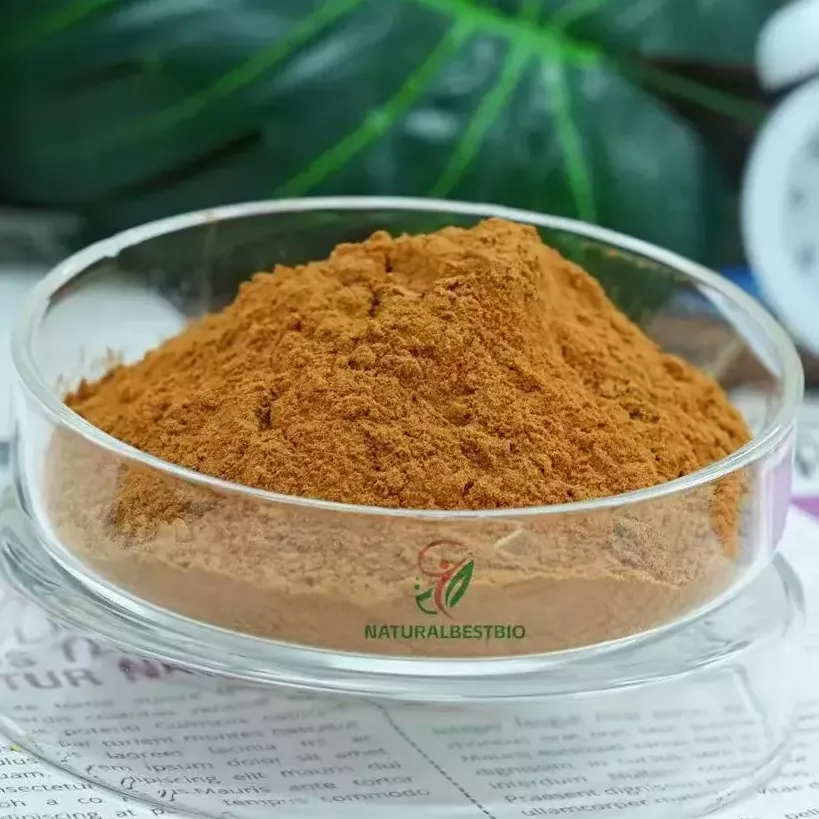
Quercetin is a type of flavonoid, a group of plant-based compounds known for their antioxidant effects. It’s abundant in nature and found in everyday foods like apples, onions, berries, and green tea. When consumed, it helps neutralize free radicals in the body, thus protecting cells from damage. This is crucial because free radicals can accelerate aging and increase the risk of chronic diseases, such as heart disease and cancer.
Health Benefits of Quercetin
The benefits of Quercetin are diverse. It’s most well-known for its antioxidant and anti-inflammatory properties. But it doesn’t stop there—it has also shown potential in:
- Heart health: Quercetin helps lower blood pressure and reduce cholesterol, which are key factors in preventing heart disease.
- Anti-aging: By reducing oxidative stress, it helps slow down the aging process at a cellular level.
- Immune support: It boosts immune function, helping your body fight off infections.
- Managing inflammation: Its anti-inflammatory properties make it a popular choice for people with inflammatory conditions, such as arthritis.
Popularity in the Global Market
Due to its impressive health benefits, Quercetin has found its way into dietary supplements, cosmetics, and pharmaceuticals. Its rising popularity has made it a crucial component for manufacturers aiming to provide natural, plant-based health solutions.
Focus on China as a Key Player
Why Has China Emerged as a Leading Producer of Quercetin?
China has long been a dominant force in the global herbal and botanical product market. Over the years, the country has invested heavily in modernizing its agricultural sector, building state-of-the-art manufacturing facilities, and enhancing its supply chain logistics. This makes China the ideal location for scaling up Quercetin production.
1. Understanding Quercetin: The Nutrient in Demand
What is Quercetin?
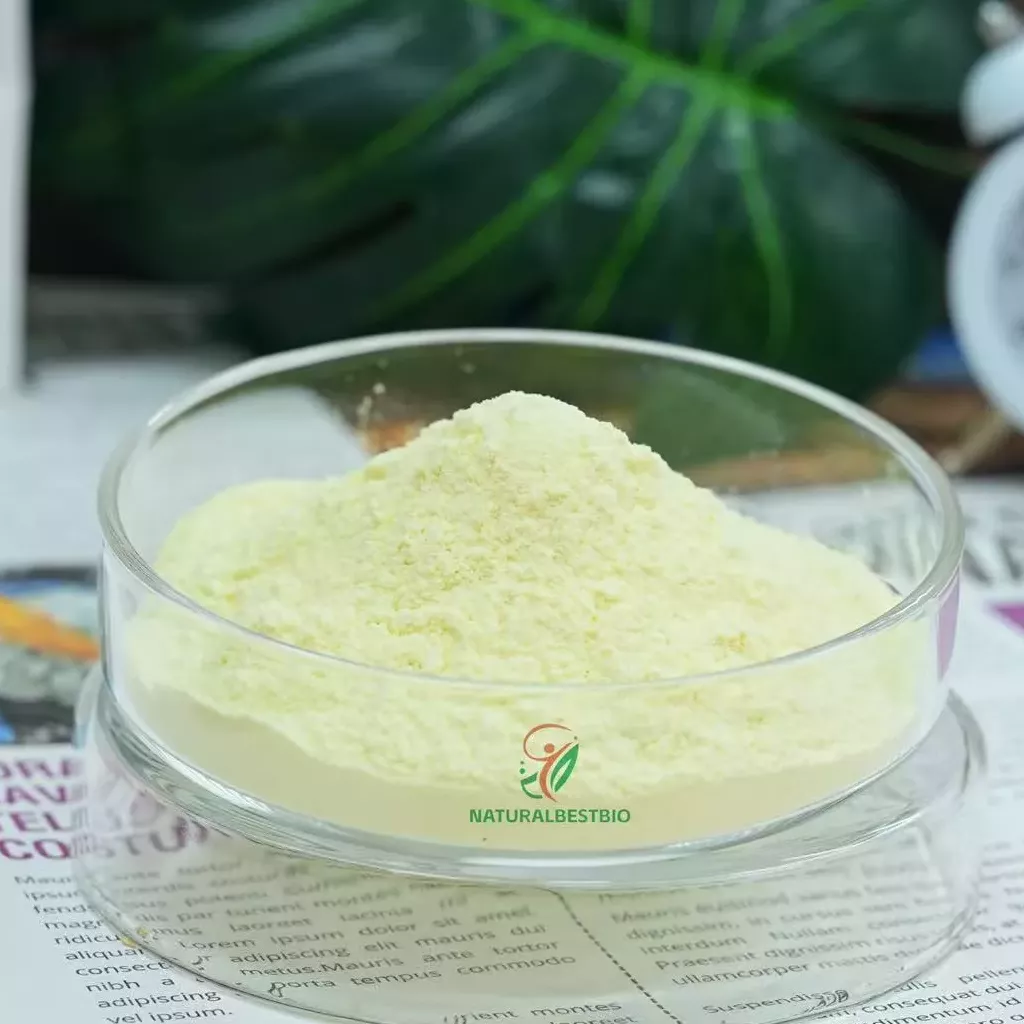
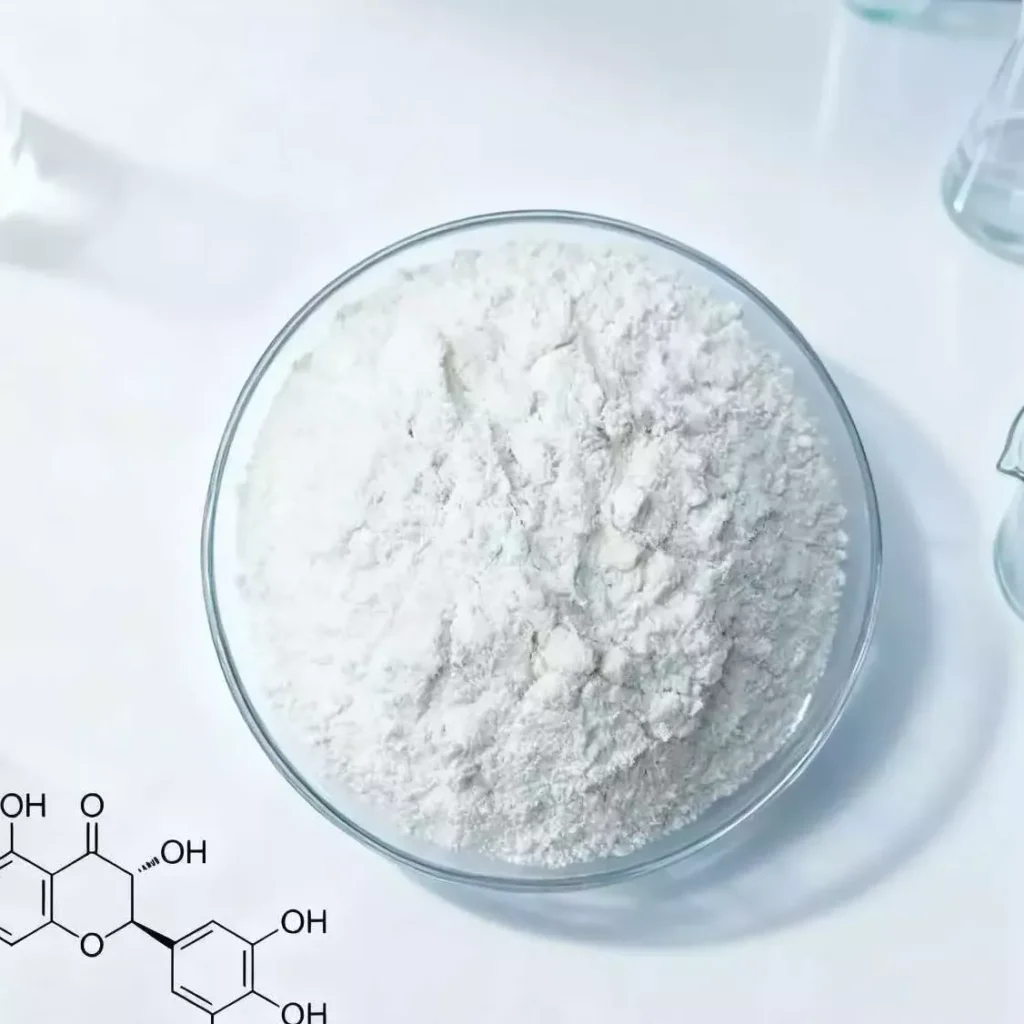
Quercetin is a natural antioxidant that belongs to the flavonoid family. This plant compound is known for its chemical structure—a polyphenolic compound that is water-soluble and capable of scavenging free radicals in the body. It’s most commonly extracted from plant sources like onions, apples, and green tea.
Health Benefits of Quercetin
As mentioned earlier, Quercetin offers a wide range of health benefits. Here’s a quick rundown:
- Heart Health: Quercetin is known to improve vascular function by lowering blood pressure and preventing blood clotting, reducing the risk of stroke and heart attacks.
- Anti-aging: The bioflavonoid combats the aging effects of oxidative stress, enhancing skin elasticity and reducing wrinkles.
- Immune Support: It helps strengthen the immune system, promoting better defense against common illnesses and infections.
- Managing Inflammation: Quercetin inhibits the release of pro-inflammatory molecules, providing relief from conditions like arthritis and asthma.
The Growing Global Demand for Quercetin
The health and wellness trend has accelerated the demand for Quercetin globally. With consumers becoming more aware of the natural, plant-based alternatives available, demand has surged in the supplement, cosmetic, and pharmaceutical industries. As more people look for effective solutions to chronic conditions like inflammation, heart disease, and aging, the global Quercetin market is expected to continue its upward trajectory.
2. Why China is a Leading Quercetin Manufacturer
Historical Context: China’s Expertise in Herbal and Botanical Products
China has a centuries-old tradition of using herbal remedies and botanicals for health and wellness. From traditional Chinese medicine to modern-day practices, China has a deep-rooted expertise in cultivating plants with medicinal properties. Over time, this knowledge has been merged with cutting-edge technology to create a booming industry that supplies the world with natural products like Quercetin.
Advantages of Manufacturing in China
- Cost-Efficiency: The labor and production costs in China are lower than in many other countries, allowing manufacturers to produce high-quality products at a competitive price.
- Scalability: China has the infrastructure to scale up production quickly to meet global demand. This means that manufacturers can produce large volumes of Quercetin at a rapid pace.
- Access to Raw Materials: China is home to many of the plants from which Quercetin is extracted, making it easier and cheaper to source the necessary raw materials.
State-of-the-Art Manufacturing Facilities
Chinese manufacturers boast advanced facilities that utilize the latest in extraction and manufacturing technologies. From solvent extraction to cold-press methods, China’s high-tech production methods ensure that the final product is potent and pure.
China’s Sustainable Practices in Quercetin Production
Sustainability is becoming a significant priority for Chinese manufacturers. With a focus on eco-friendly sourcing and innovative farming practices, China is striving to create a more sustainable and ethical Quercetin supply chain. The country has adopted green farming techniques that minimize the use of pesticides, ensuring that the final product is as pure as possible.
3. How China’s Quercetin Manufacturers Ensure High-Quality Products
Raw Material Sourcing and Quality Control
Chinese manufacturers take sourcing seriously. They prioritize pesticide-free farms that grow the necessary plants for Quercetin extraction. To maintain high-quality standards, they ensure all their raw materials are certified by international Good Manufacturing Practice (GMP) and International Organization for Standardization (ISO) standards.
Advanced Extraction Methods
One of the key reasons China is so successful at producing Quercetin is its advanced extraction technologies. Manufacturers use methods like solvent extraction and water extraction to isolate Quercetin from plants. Cold-press extraction and freeze-drying are also used to preserve the bioactive compounds in the final product, ensuring that it retains maximum potency.
Testing and Certification
Once extracted, Quercetin is rigorously tested for purity, potency, and safety. Chinese manufacturers follow strict testing protocols, ensuring that each batch of Quercetin is free from contaminants and meets the required specifications. Certifications and lab reports are provided to customers, offering them peace of mind about the quality and consistency of the product.
4. The Role of Technology in China’s Quercetin Manufacturing
Innovative Extraction Technologies
Chinese manufacturers are constantly evolving their extraction methods to ensure the highest possible yield of Quercetin. Techniques like cold-press extraction and freeze-drying preserve the bioflavonoid’s effectiveness and offer a more sustainable way of production compared to traditional methods.
Automation and Efficiency
Automation has revolutionized the Quercetin manufacturing process. By using advanced machines, Chinese manufacturers can now produce Quercetin much faster and with greater consistency. This also helps reduce human error and maintain the quality of each batch.
Traceability and Transparency
To ensure full transparency, some manufacturers are now adopting blockchain technology. This allows them to track every step of the manufacturing process, from raw material sourcing to final product delivery. For customers, this means full traceability, ensuring the product is both ethical and sustainable.
5. How to Choose the Right China Quercetin Manufacturer for Your Business
Key Factors to Consider
When choosing a Chinese manufacturer for Quercetin, here are the key factors to keep in mind:
- Reputation and Experience: Look for a manufacturer with a strong track record in the industry.
- Certifications: Ensure the manufacturer adheres to GMP and ISO standards.
- Customization Options: Some manufacturers offer bulk orders and private labeling for businesses.
What to Look for in Terms of Product Quality
When assessing product quality, consider:
- Potency: Is the Quercetin effective?
- Consistency: Does the product meet the same high standards every time?
- Packaging: Is the product securely and appropriately packaged?
Communication and Customer Service
Good communication is crucial when dealing with international suppliers. Clear communication helps ensure smooth order fulfillment, quality checks, and quick resolution of any issues.
6. Challenges Faced by Quercetin Manufacturers in China
Sourcing Raw Materials
One of the main challenges Chinese manufacturers face is the inconsistent supply of high-quality plant sources. Weather conditions, pests, and market fluctuations can all impact the availability of raw materials for Quercetin
production.
Regulations and Compliance
Navigating both domestic and international regulations can be tricky, especially when it comes to export standards. Chinese manufacturers need to ensure they comply with a variety of rules, from labor laws to environmental regulations.
Market Competition
With more manufacturers entering the Quercetin market, competition is fierce. Chinese manufacturers have to continuously innovate and focus on quality and efficiency to stay ahead.
7. The Future of China’s Quercetin Manufacturing Industry
Market Forecasts and Growth Trends
As global demand for natural supplements increases, the Quercetin market is expected to grow significantly. China, with its vast production capabilities, is well-positioned to meet this rising demand.
Advancements in Quercetin Research
There is ongoing research into new uses of Quercetin, particularly in pharmaceuticals and cosmetics. As new studies continue to uncover the bioflavonoid’s benefits, the market for Quercetin will likely expand into new industries.
Sustainability and Innovation
As sustainability becomes more critical, Chinese manufacturers are making strides toward more eco-friendly practices. The industry is shifting toward greener production methods, using renewable energy and sustainable farming practices.
Conclusion
China has firmly established itself as the global leader in Quercetin production, thanks to its rich botanical history, technological advancements, and commitment to sustainability. When choosing a supplier, it’s important to prioritize quality control, certifications, and a strong reputation in the industry. As the demand for Quercetin continues to grow, China’s role in the market will only expand, offering businesses the chance to source high-quality, sustainable, and cost-effective Quercetin.
FAQ
| Question | Answer |
|---|---|
| What is Quercetin used for? | Quercetin is used for its antioxidant, anti-inflammatory, and immune-boosting properties. It also helps with heart health and anti-aging. |
| Why choose China as a Quercetin supplier? | China offers cost-efficient production, state-of-the-art facilities, and access to high-quality raw materials, making it the top global producer of Quercetin. |
| How is Quercetin extracted? | Quercetin is typically extracted using solvent extraction, cold press, and freeze-drying methods to ensure maximum potency. |
| Is Quercetin safe? | Yes, Quercetin is considered safe when consumed in appropriate doses. However, like any supplement, it’s essential to consult a healthcare provider. |
| Can Quercetin be used in cosmetics? | Absolutely! Quercetin is increasingly used in cosmetics for its anti-aging and skin-protective properties. |
Related ingredient pages
For buyer evaluation, compare this guide with the closest Nutrition BioTech ingredient pages and sourcing route.