1. Introduction: What’s Behind the Buzz About Urolithin A?
You’ve probably heard the hype — “Urolithin A is the next big thing in longevity and cellular health!” Sounds impressive, right? But what’s really going on behind this buzzword that’s taking over the biohacking and supplement industry?
Let’s start from the top. We live in a world where the quest for youth, energy, and better performance has become a full-blown movement. From anti-aging creams to NAD+ boosters and mitochondrial enhancers, everyone’s looking for that edge — that spark that keeps you feeling young and strong even as the years tick by. That’s exactly where Urolithin A enters the conversation.
So, what exactly is Urolithin A?
In simple terms, Urolithin A is a postbiotic compound — meaning it’s produced in your body after gut bacteria break down certain polyphenols, especially ellagitannins, found in foods like pomegranates, walnuts, and berries. Think of it as a “hidden gem” that’s naturally formed in your digestive system, but only if you have the right gut microbes. (Spoiler: not everyone does.)
What makes it so special? Science has discovered that Urolithin A has a unique ability to revitalize your mitochondria — the energy powerhouses inside your cells. It essentially helps your body recycle and replace old, damaged mitochondria through a process known as mitophagy. The result? Better energy production, slower aging, improved muscle strength, and potentially longer lifespan.
It’s no wonder the supplement industry is buzzing. Athletes are using it for recovery, biohackers are stacking it with NMN or resveratrol, and longevity researchers are exploring its potential as the next breakthrough in cellular health.
But here’s the catch — high-quality Urolithin A doesn’t come cheap, and not all suppliers are equal. As demand grows, the market is getting flooded with varying grades of Urolithin A bulk powder. Some are top-tier, pharmaceutical-grade; others are, well, less trustworthy.
This article is here to help you cut through the noise. Whether you’re a supplement manufacturer, researcher, or startup entering the nutraceutical space, we’ll break down everything you need to know before you buy Urolithin A bulk powder — from understanding its origins and benefits to choosing reliable suppliers and managing costs smartly.
2. Understanding Urolithin A: From Pomegranate to Pure Powder
Imagine biting into a juicy pomegranate — that burst of flavor isn’t just refreshing; it’s a biochemical symphony happening inside your body. Hidden within those ruby seeds are compounds called ellagitannins, which, when metabolized by your gut bacteria, produce a metabolite called Urolithin A.
However, here’s the twist — not everyone’s gut can make it. Studies show that only about 40% of people naturally convert ellagitannins into Urolithin A. The rest? They miss out completely unless they supplement.
That’s why Urolithin A powder has become so valuable — it provides a reliable, concentrated way to access its benefits without relying on your gut microbiome’s luck of the draw.
The Biochemical Pathway: How Nature Does the Work
Let’s break it down simply:
- You eat foods rich in ellagitannins — like pomegranate, walnuts, or raspberries.
- Your gut microbiota convert those compounds into ellagic acid.
- Through a series of microbial transformations, ellagic acid is converted into Urolithin A.
- Once absorbed, Urolithin A travels through your bloodstream and begins supporting mitochondrial function, especially in muscle and brain tissues.
This natural pathway inspired scientists to isolate and produce synthetic or fermented Urolithin A, ensuring consistent purity and potency that food alone can’t match.
Key Health Benefits of Urolithin A (Backed by Research)
If you’re still wondering why everyone’s suddenly obsessed with this compound, let’s explore the science behind the hype.
1. Mitochondrial Regeneration (Mitophagy Boost)
Your mitochondria are like batteries — over time, they lose charge and efficiency. Urolithin A acts like a battery replacement system, triggering mitophagy, a process that clears out old or dysfunctional mitochondria and makes room for new ones.
Clinical studies, such as those published in Nature Metabolism, show that Urolithin A supplementation can improve mitochondrial function and increase endurance capacity in both animals and humans. Compared to other supplements like CoQ10 or PQQ, Urolithin A works upstream, improving the actual health of the mitochondria rather than just fueling them.
2. Improved Muscle Strength and Endurance
Aging naturally leads to muscle decline — known as sarcopenia. But research suggests Urolithin A might slow or even reverse this decline. In a randomized human clinical trial, older adults who took Urolithin A for four months experienced better muscle strength and improved endurance compared to placebo groups.
In simpler terms? It helps you stay active, energetic, and strong — no matter your age.
3. Anti-Aging and Cognitive Support
Beyond muscles, Urolithin A shows promise for brain health too. Mitochondria aren’t just in your muscles; they’re in your neurons as well. Healthier mitochondria mean better cognitive performance, memory retention, and slower neural degeneration.
Compared to other anti-aging compounds like NMN or resveratrol, Urolithin A is more focused on cellular clean-up rather than direct NAD+ boosting or sirtuin activation. Think of NMN as fuel and Urolithin A as the mechanic who keeps your engine running clean.
Urolithin A vs. Urolithin B (and Other Forms)
Not all urolithins are equal. Here’s how they stack up:
| Compound | Primary Function | Efficacy | Use Case |
|---|---|---|---|
| Urolithin A | Mitophagy, anti-aging, muscle recovery | High | Longevity, fitness, supplements |
| Urolithin B | Anti-inflammatory, protein synthesis | Moderate | Sports performance, immune health |
| Ellagic Acid | Antioxidant precursor | Low (poor bioavailability) | General antioxidant support |
In short, Urolithin A is the most bioactive and well-researched form, making it the preferred choice for both supplement brands and clinical research.
Why Purity Matters
Purity isn’t just a marketing word — it directly affects bioavailability, safety, and performance.
A ≥98% pure Urolithin A ensures:
- Maximum efficacy with minimal impurities.
- Consistent results in formulations.
- Lower risk of irritation or contamination.
Lower purity powders often contain residues or by-products from incomplete synthesis, which can compromise both product quality and reputation.
In essence, if you’re looking to buy Urolithin A bulk powder, purity should be your first checkpoint — no shortcuts here.
3. Why Buy Urolithin A in Bulk?
So, you’re convinced Urolithin A is powerful — but why go for bulk powder instead of pre-made capsules or small retail quantities?
Simple. If you’re in the supplement manufacturing, R&D, or formulation business, buying in bulk offers better pricing, flexibility, and control. Let’s break down the reasons in detail.
1. Cost Efficiency: More Powder, Less Price Per Gram
Buying in bulk is the smarter financial move — especially when you’re producing large-scale formulations. The price per kilogram drops significantly as your order volume increases.
For example:
- A 1 kg batch might cost around $1,200–$1,800 at high purity.
- But order 10 kg, and that price might drop to $900–$1,200 per kg — that’s a big saving, especially for brands producing thousands of capsules or sachets.
In other words, bulk buying = higher profit margins and better scalability for your business.
Compared to sourcing smaller retail batches, bulk purchasing also means fewer shipping costs, fewer import duties per unit, and consistent quality across batches — a huge advantage in manufacturing.
2. Consistency and Quality Control
When you’re formulating a supplement line or conducting research, consistency is key. Buying Urolithin A in bulk ensures you’re working with the same lot or batch, minimizing variation in purity, particle size, and potency.
This uniformity allows:
- Reliable testing results.
- Predictable dosage accuracy.
- Easier compliance with regulatory bodies like the FDA or EFSA.
Compared to buying from multiple smaller suppliers (which can result in varied purity levels), a single bulk purchase guarantees uniformity and control — essential for maintaining brand trust and product stability.
3. Flexibility in Formulation
When you have Urolithin A in bulk powder form, your possibilities expand. You can incorporate it into:
- Capsules and tablets for easy oral supplementation.
- Functional beverages or powders blended with other actives like NMN, CoQ10, or resveratrol.
- Topical formulations for skin rejuvenation (an emerging field!).
Formulators love bulk powder because it’s easier to standardize, mix, and scale compared to pre-encapsulated forms. You can experiment with doses, create unique blends, and tailor your product to your target market — whether it’s fitness recovery, anti-aging, or cognitive enhancement.
4. Who Buys Urolithin A Bulk Powder?
Let’s be honest — not everyone needs kilograms of Urolithin A sitting in their lab. Bulk purchasing is mainly for:
- Nutraceutical and supplement companies developing their own branded formulas.
- Contract manufacturers (OEM/ODM) that produce white-label products for clients.
- Research institutions conducting longevity or metabolic studies.
- Private label brands that want to control their ingredient sourcing.
Each of these buyers benefits from bulk pricing, but also from knowing exactly what goes into their products. Compared to pre-made retail supplements, buying the powder directly gives you full control over quality, dosage, and branding.
5. The Competitive Edge
Let’s not forget — Urolithin A is still a relatively new entrant in the supplement market. That means the companies who master it early gain a serious advantage.
By securing a reliable bulk source now, you’re positioning yourself ahead of competitors. You can offer products that are more potent, better priced, and backed by real science.
And let’s face it — in today’s supplement space, that kind of head start can make all the difference.
4. Key Factors to Consider Before Buying Urolithin A Bulk Powder
Alright, let’s get practical. You’re ready to buy Urolithin A in bulk — but before you hit that “Add to Cart” or “Request Quotation” button, there are several crucial factors that separate a smart purchase from a potential disaster.
Think of this as your buyer’s checklist, where every tick mark helps ensure you get quality, safety, and value for your investment.
Purity and Certification: Don’t Settle for Less Than 98%
When it comes to Urolithin A bulk powder, purity isn’t negotiable. It’s not just a matter of aesthetics or marketing — it determines how effective the product will be in your formulations.
- Go for ≥98% purity, confirmed by HPLC (High-Performance Liquid Chromatography) or NMR (Nuclear Magnetic Resonance) testing.
- Request a Certificate of Analysis (COA) with every batch.
- Verify the supplier’s GMP (Good Manufacturing Practice) or ISO certification to ensure manufacturing consistency.
Lower-purity powders may contain residual solvents or unreacted intermediates from the synthesis process. That’s like buying “extra virgin olive oil” that’s been blended with cheap vegetable oil — it might look the same at first, but the results (and safety) won’t be comparable.
Why Purity Affects Performance
Imagine adding 1% impurities into your formulation. Sounds small, right? But over thousands of capsules, that adds up — potentially altering absorption, taste, and stability. In a research context, even minor variations can throw off results.
So, purity isn’t just a badge of honor — it’s the foundation of reliable science and product trust.
Source and Manufacturing Method: Synthetic vs. Natural Fermentation
Here’s where things get interesting — not all Urolithin A powders are made the same way. The two dominant manufacturing methods are synthetic synthesis and microbial fermentation.
Let’s break them down:
| Production Method | How It’s Made | Advantages | Drawbacks |
|---|---|---|---|
| Synthetic Urolithin A | Chemically synthesized from ellagic acid precursors | Highly pure (≥99%), scalable, consistent | Can be more expensive, not “natural” |
| Fermentation-Derived Urolithin A | Produced using engineered microorganisms | Eco-friendly, perceived as “natural” | May have batch inconsistencies, lower yield |
Synthetic Urolithin A tends to be better controlled, faster to produce, and easier to standardize for industrial use. Fermentation-based methods appeal more to brands focused on “natural” labeling, though they often come with higher costs or variability.
Which is better? It depends on your brand positioning. If your customers prioritize purity, consistency, and potency, synthetic may be the better route. If your target audience values natural and sustainable sourcing, microbial fermentation might win the narrative — even if it’s slightly more expensive.
Solubility and Stability: The Unsung Heroes of Formulation
You could buy the purest Urolithin A powder on Earth, but if it doesn’t mix or stay stable in your formulation, it’s useless.
Urolithin A has moderate solubility in organic solvents and is slightly soluble in water. This means it’s ideal for capsule or tablet formulations, but trickier for liquid beverages unless encapsulated or emulsified properly.
Key formulation tips:
- Use fine particle size (micronized powder) for better dispersion.
- Combine with solubilizers or liposomal carriers if formulating a drink.
- Avoid direct exposure to humidity and light — both degrade potency.
A well-packaged, stabilized Urolithin A product can retain its activity for over 24 months when stored correctly.
Packaging and Storage: Protecting Potency
You wouldn’t store wine in a plastic jug, right? Same principle applies here.
Proper packaging is essential to preserve Urolithin A’s color, texture, and potency. The best suppliers will package it in:
- Sealed aluminum foil bags or vacuum-sealed drums.
- Nitrogen-flushed containers to prevent oxidation.
- Containers kept at 15–25°C, in dry and dark conditions.
If you plan to store the bulk powder for extended periods, consider splitting it into smaller, sealed batches. This prevents repeated exposure to air and moisture every time you open a container.
Regulatory Compliance: Know the Legal Landscape
Buying Urolithin A bulk powder isn’t just a scientific decision — it’s a regulatory one. Depending on your location, the rules differ.
For instance:
- In the United States, Urolithin A has GRAS (Generally Recognized as Safe) status, meaning it’s cleared for use in foods and supplements.
- In the European Union, it falls under Novel Food regulations, which require specific authorization for use in consumer products.
- In China and Japan, local authorities may classify it as a “new raw material” with varying approval levels.
Before finalizing your purchase, always confirm:
- The supplier’s export license.
- The compound’s CAS number (1143-70-0) and regulatory documentation.
- Local customs and import tax details for your region.
Skipping this step can lead to costly shipment delays or even legal issues — definitely not worth the risk.
5. How to Choose a Reliable Urolithin A Supplier
Let’s face it — the internet is full of suppliers claiming to have the “purest Urolithin A” or “factory-direct prices.” But in reality, finding a trustworthy supplier requires careful vetting.
Here’s your roadmap to avoid scams, ensure authenticity, and build a long-term partnership.
Step 1: Verify Transparency and Testing Reports
Any legitimate supplier should willingly share detailed documentation, including:
- COA (Certificate of Analysis)
- MSDS (Material Safety Data Sheet)
- Third-party testing reports (HPLC/NMR)
- GMP/ISO certifications
If a company hesitates to provide this data — that’s a red flag. Think of it like buying a used car without a service record. Would you risk it?
Transparency is the first and strongest indicator of a supplier’s credibility.
Step 2: Check Minimum Order Quantities (MOQs)
MOQs vary widely among suppliers. Some may allow you to test the waters with 100 g or 500 g, while others require 1 kg minimum.
Reasonable MOQs indicate flexibility and customer-focused operations — great for small startups or R&D labs.
Suppliers that demand large upfront commitments without prior sampling? Probably not the most customer-friendly choice.
Step 3: Test Responsiveness and Communication
A supplier’s customer service says a lot about their reliability.
Quick response times, detailed answers, and willingness to share data show professionalism.
Ask specific questions like:
- “What’s the current lead time for a 5 kg order?”
- “Do you provide HPLC chromatograms for each batch?”
- “What are your storage and shipping conditions?”
If they dodge or deflect, that’s your cue to walk away.
Step 4: Read Verified Reviews and B2B Platform Feedback
Platforms like Alibaba, Made-in-China, and Global Sources host hundreds of chemical and nutraceutical suppliers.
Look for:
- Gold Supplier or Verified Supplier badges.
- Third-party audits (such as SGS or TÜV certifications).
- Positive reviews mentioning purity, responsiveness, and on-time delivery.
You can even request references from other clients — a confident supplier won’t hesitate to provide them.
Step 5: Watch Out for Red Flags
Unfortunately, not all suppliers are ethical.
Here are classic warning signs:
- Prices that are too good to be true (e.g., half the market rate).
- No physical address or registered business license.
- Vague or missing lab documentation.
- Reluctance to provide samples.
- No online presence beyond a single listing page.
When buying in bulk, one mistake can cost thousands. It’s better to spend an extra week researching than lose an entire shipment to a fraudulent or low-quality source.
Step 6: Start Small, Then Scale
Even with the best-looking supplier, always begin with a sample order.
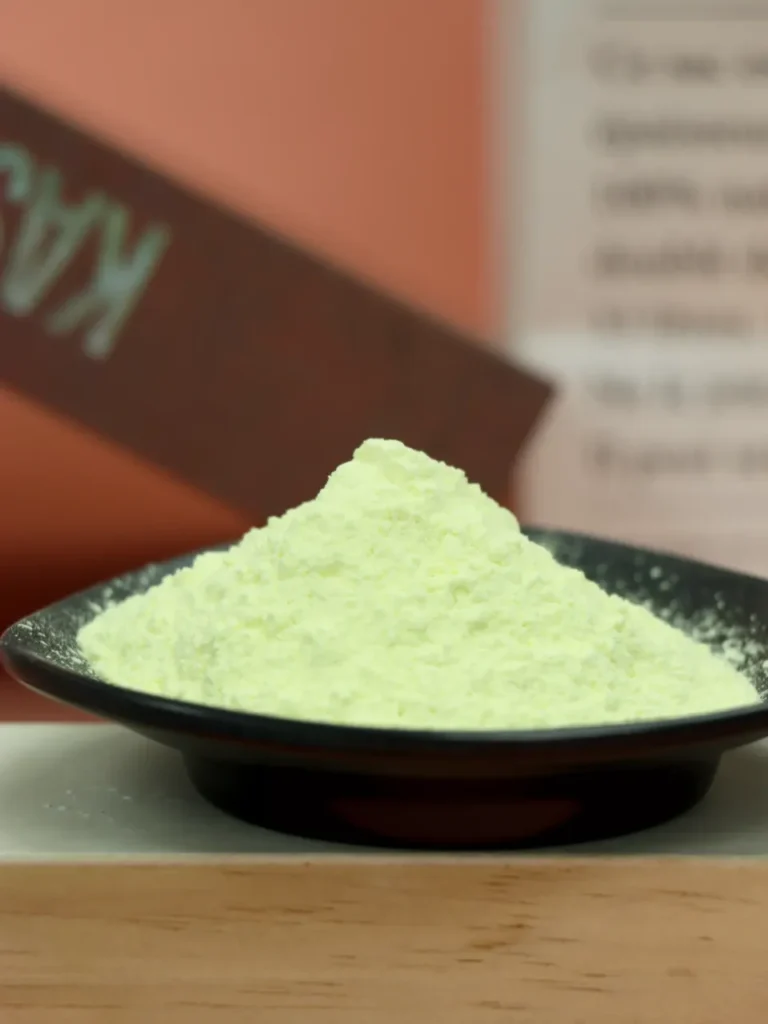
Test it in your lab or formulation process. Confirm the color (light beige to white), solubility, odor (neutral to slightly earthy), and assay results.
Once the test batch passes, you can confidently move to larger volume orders — securing better pricing while minimizing risk.
6. Comparing Prices: What Affects Urolithin A Bulk Cost
Alright, let’s talk numbers — because at the end of the day, the price tag often drives the final decision.
Urolithin A bulk powder price per kilogram can vary significantly depending on a few key factors.
1. Purity and Quality Level
The higher the purity, the higher the cost — but also the better the performance.
A 98–99% pure Urolithin A will typically cost between $1,000 to $1,800 per kilogram, depending on supplier location and batch size.
In contrast, lower-purity versions (95–97%) might drop as low as $700–$900/kg, but they’re generally not recommended for professional formulations due to potential impurities.
Think of it as buying high-octane fuel — the premium version burns cleaner and performs better in the long run.
2. Synthesis Method
As discussed earlier, synthetic Urolithin A tends to be more consistent and scalable, often making it slightly less expensive than fermentation-based alternatives.
However, natural fermentation-derived Urolithin A appeals to niche health brands, especially those emphasizing sustainability or “clean label” formulations, and thus commands a premium price — sometimes 10–20% higher.
3. Country of Origin
Country matters — both for cost and regulatory quality.
| Region | Average Price Range (USD/kg) | Typical Purity | Notes |
|---|---|---|---|
| China | $900–$1,500 | 98–99% | Largest production base; competitive pricing |
| United States / Europe | $1,500–$2,500 | 99% | Higher compliance costs, often GMP-certified |
| India | $1,000–$1,800 | 97–99% | Growing supplier base with R&D focus |
Chinese suppliers tend to dominate the market due to cost-efficiency and manufacturing scale, while Western suppliers emphasize certifications and premium quality control.
Your choice depends on whether you prioritize budget or brand positioning.
4. Order Volume and Long-Term Contracts
Bulk discounts are real — and they can be substantial.
Most suppliers offer:
- 5–10% discounts for 5–10 kg orders.
- 15–25% discounts for 20+ kg contracts.
- Even deeper cuts for recurring partnerships.
Locking in a long-term agreement with a reliable supplier not only stabilizes your pricing but also ensures priority production slots — especially useful when global demand spikes.
5. Sampling and Quality Verification
Before committing to a large order, request a 100 g–500 g sample.
Use it to:
- Verify purity and solubility.
- Test in your formulation.
- Compare results with published data or other suppliers.
Some suppliers may charge for samples; others provide them free for serious buyers. Either way, this small investment can save you from large-scale regret later.
6. Market Trends and Seasonal Fluctuations
Urolithin A pricing also fluctuates with market demand, raw material availability, and shipping logistics.
For instance:
- A rise in pomegranate extract costs (used in fermentation) can nudge prices upward.
- Global shipping delays or customs regulations can affect delivery timelines.
- Seasonal sales (like China’s 11.11 or year-end clearance) can bring temporary discounts.
Staying informed and building direct relationships with manufacturers often results in better deals and faster updates when market conditions change.
7. Safe Handling, Storage, and Formulation Tips
Proper handling and storage are essential to maintain the quality of Urolithin A bulk powder.
Storage Conditions
Store the powder in a cool, dry place, away from direct sunlight and moisture. Airtight containers are recommended to prevent contamination.
Formulation Stability
Test the stability of Urolithin A in your intended formulations to ensure it maintains potency over time.
Compatibility with Other Ingredients
When creating blends, assess the compatibility of Urolithin A with other active ingredients to avoid interactions that may affect efficacy.
8. Where to Buy: Top Platforms and Verified Sources
Several reputable platforms and suppliers offer Urolithin A bulk powder.
Trusted B2B Marketplaces
- Alibaba: A wide range of suppliers offering bulk Urolithin A with varying purities and prices.
- Global Sources: Another B2B platform with verified suppliers.
Reputable Suppliers
- Mitora™: Offers high-purity Urolithin A with customization options.
- Provita Biotech: Known for rigorous third-party testing and competitive pricing.
9. Final Checklist: Before You Click “Buy”
Before finalizing your bulk purchase, ensure you’ve covered all bases.
- Verify Certificates and Testing Data: Ensure the product meets your quality standards.
- Review Supplier Background: Check for transparency and reliability.
- Confirm Shipping, Customs, and Import Regulations: Ensure compliance with your country’s regulations.
- Start with a Small Batch: Test the product’s quality and suitability before committing to a large order.
10. FAQ
| Question | Answer |
|---|---|
| What is Urolithin A? | Urolithin A is a metabolite produced in the gut from ellagic acid, found in pomegranates and berries, known for its mitochondrial health benefits. |
| Why buy in bulk? | Bulk purchasing offers cost savings, consistent quality control, and flexibility in product formulation. |
| What purity should I look for? | Aim for ≥98% purity to ensure high potency and effectiveness. |
| How should I store Urolithin A powder? | Store in a cool, dry place in airtight containers to maintain potency. |