
When you hear the word coffee, what’s the first thing that pops into your mind? The aroma? The caffeine kick? Maybe the comforting warmth of your morning cup. But behind that familiar flavor lies a fascinating world of chemistry. One of the unsung heroes in that world is trigonelline, a naturally occurring compound quietly shaping industries from pharmaceuticals to agriculture.
If you’re researching where and how to buy trigonelline, you’re likely not just curious—you’re making decisions for manufacturing, research, or product development. And that means understanding far more than just price tags. You need to know the chemistry, the industrial relevance, the supply chain dynamics, and—most importantly—the quality standards that determine whether your purchase becomes an asset or a liability.
Think of trigonelline like a hidden engine in a car. Most people never see it, but without it, the whole system performs differently. Similarly, this alkaloid plays a subtle yet powerful role in food science, pharmaceuticals, nutraceuticals, and cosmetic formulations.
In this guide, we’ll explore everything you need to know about buying trigonelline—from its chemical profile to industrial applications, procurement strategies, technical specifications, and frequently asked questions. Along the way, we’ll compare it with other alkaloids, highlight advantages and limitations, and explain why sourcing quality material matters more than ever.
So grab a coffee (ironically rich in trigonelline) and let’s dive in.
Introduction: Briefly Introduce Trigonelline as a Naturally Occurring Alkaloid Found in Coffee Beans and Fenugreek Seeds
Trigonelline is a naturally occurring alkaloid widely found in coffee beans, fenugreek seeds, peas, and several plant species. Chemically, it belongs to the family of pyridine alkaloids, which are nitrogen-containing organic compounds known for their biological activity.
But what makes trigonelline particularly interesting?
Well, imagine caffeine’s quieter cousin. While caffeine delivers the immediate stimulation, trigonelline contributes to flavor formation, biological activity, and potential health benefits.
Natural Sources of Trigonelline
The compound appears in several plant sources:
| Natural Source | Approximate Trigonelline Content | Industrial Relevance |
|---|---|---|
| Coffee Beans | 0.6–1.3% of dry weight | Flavor precursor during roasting |
| Fenugreek Seeds | High concentration | Nutraceutical extraction |
| Garden Peas | Moderate levels | Agricultural research |
| Soybeans | Trace amounts | Functional food research |
During coffee roasting, trigonelline breaks down into compounds like niacin (vitamin B3) and aroma molecules. Compared to caffeine, which primarily affects the nervous system, trigonelline influences flavor chemistry and metabolic pathways.
Why Industries Care About Trigonelline
Trigonelline isn’t just a plant metabolite—it’s a valuable biochemical intermediate.
Researchers and manufacturers purchase trigonelline for several reasons:
- Pharmaceutical research
- Nutritional supplements
- Agricultural growth studies
- Food flavor development
- Cosmetic bioactive formulations
Compared to many synthetic alkaloids, trigonelline is safer, more naturally derived, and often less expensive to produce through plant extraction. However, its purity and stability vary widely depending on the supplier.
And that brings us to the next big question.
What exactly makes trigonelline chemically unique?
Chemical Profile and Industrial Relevance
To truly understand why industries buy trigonelline, we need to step into the chemistry lab for a moment.
Don’t worry—this isn’t going to feel like a boring lecture. Instead, think of this as understanding the DNA of the compound.
Chemical Identity
Trigonelline is scientifically known as N-methylnicotinic acid.
Here’s its technical profile:
| Property | Description |
|---|---|
| Chemical Name | N-Methylnicotinic acid |
| Molecular Formula | C7H7NO2 |
| Molecular Weight | 137.14 g/mol |
| CAS Number | 535-83-1 |
| Solubility | Highly soluble in water |
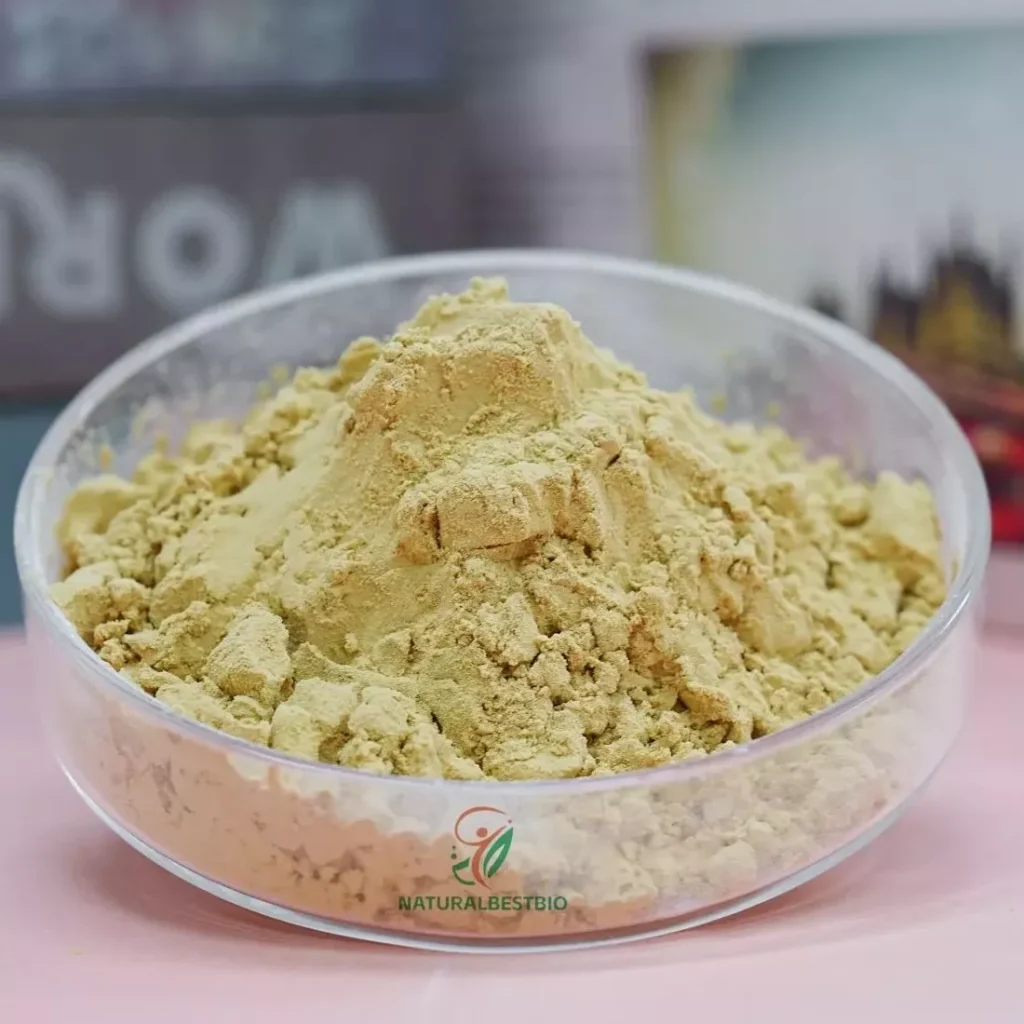
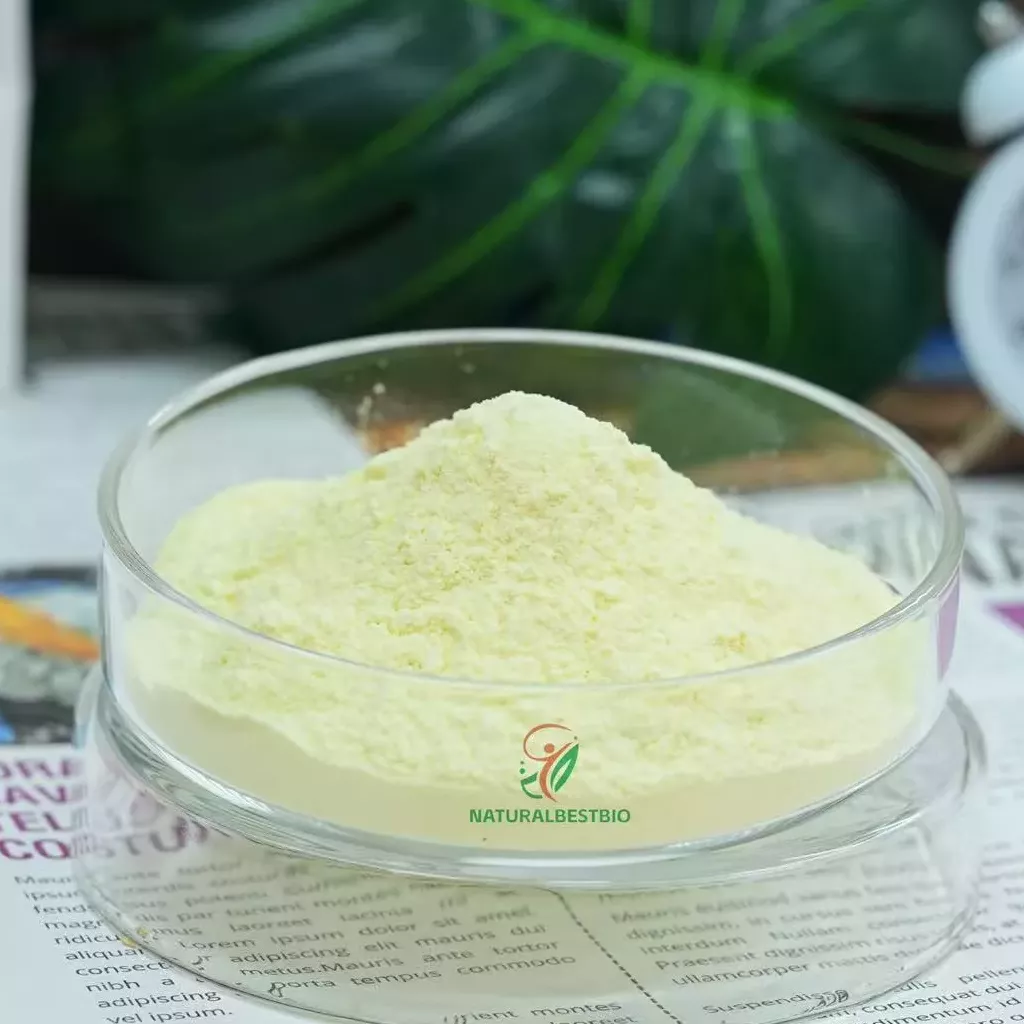
| Appearance | White to off-white crystalline powder |
Compared to other plant alkaloids like nicotine, trigonelline is far less toxic and biologically gentler, making it better suited for nutritional and pharmaceutical research.
Structural Insights
Structurally, trigonelline is a methylated derivative of niacin (vitamin B3). That means it shares a metabolic relationship with essential vitamins.
Why does this matter?
Because compounds related to vitamins often play important roles in:
- Metabolism
- Cellular protection
- Antioxidant mechanisms
Compared to synthetic metabolic enhancers, trigonelline can provide a more natural biochemical pathway, which is appealing for nutraceutical brands.
Stability and Reactivity
Another key factor when buying trigonelline is chemical stability.
Compared with volatile alkaloids:
- It is more stable during storage
- It is less sensitive to oxidation
- It is easier to transport
However, compared with fully synthetic lab chemicals, it may be more sensitive to moisture and microbial contamination if poorly handled.
That’s why quality standards matter—a topic we’ll explore later.
Deep Dive: Key Industrial Applications
Now let’s talk about the real reason companies search for “buy trigonelline.”
Where exactly is it used?
Surprisingly, its applications span multiple industries, and new research continues to expand its potential.
Pharmaceutical Research
In pharmaceutical science, trigonelline has attracted attention for its potential metabolic and neuroprotective effects.
Researchers are studying its role in:
- Glucose metabolism
- Neurodegenerative diseases
- Anti-inflammatory pathways
- Cardiovascular health
Compared to many experimental compounds, trigonelline is considered safer and easier to study, which makes it attractive for early-stage research.
However, compared with stronger synthetic drugs, its effects may be milder and slower, meaning higher doses or longer studies are sometimes required.
Nutraceutical and Dietary Supplements
Trigonelline is gaining traction in functional nutrition products.
Supplement manufacturers value it because it may support:
- metabolic health
- cognitive performance
- antioxidant activity
Compared with caffeine supplements:
| Feature | Trigonelline | Caffeine |
|---|---|---|
| Stimulation | Mild | Strong |
| Side effects | Fewer jitters | Possible anxiety |
| Metabolic benefits | Emerging evidence | Limited |
| Market perception | Natural compound | Stimulant |
For consumers seeking gentler alternatives to stimulants, trigonelline can be a better long-term option.
Food Science and Flavor Chemistry
Remember coffee roasting?
This is where trigonelline shines.
During roasting, trigonelline breaks down into aromatic compounds that contribute to coffee flavor.
Compared to other flavor precursors, it produces:
- sweeter aroma compounds
- nutty flavor notes
- mild bitterness
Food scientists sometimes purchase purified trigonelline to study roasting chemistry or develop flavor technologies.
Cosmetic and Dermatological Research
The cosmetic industry constantly searches for bioactive compounds.
Trigonelline has been explored for:
- skin protection
- anti-aging formulations
- cellular repair research
Compared to synthetic antioxidants, trigonelline may offer a more natural marketing appeal, which is increasingly important for skincare brands.
However, compared with stronger antioxidant molecules like resveratrol, its activity may be less potent, requiring careful formulation.
Agricultural and Plant Science Applications
Interestingly, trigonelline also functions as a plant growth regulator.
Researchers investigate its influence on:
- seed germination
- plant stress tolerance
- metabolic signaling
Compared with synthetic agricultural chemicals, it is safer and environmentally friendlier, though often more expensive at scale.
The Procurement Challenge: Why Quality Control Is Non-Negotiable
Buying trigonelline might sound simple—just order the compound and use it.
But in reality, procurement is one of the most critical steps.
Why?
Because not all trigonelline is created equal.
Imagine buying two identical-looking bottles of wine. One costs $20, the other $200. Both are grape-based—but the quality difference is enormous.
The same logic applies here.
Purity Levels
Commercial trigonelline is typically sold in different purity grades.
| Grade | Purity | Application |
|---|---|---|
| Analytical Grade | ≥99% | Laboratory research |
| Pharmaceutical Grade | ≥98% | Drug development |
| Industrial Grade | ≥95% | Manufacturing |
Compared to industrial-grade material, analytical-grade trigonelline is cleaner, more consistent, and better for sensitive experiments.
However, it is also significantly more expensive.
Contaminants and Risks
Low-quality trigonelline may contain:
- plant extraction residues
- solvent impurities
- heavy metals
Compared with high-quality material, these contaminants can:
- distort research results
- reduce product safety
- damage brand reputation
That’s why serious buyers insist on COA (Certificate of Analysis) and third-party testing.
Supplier Reputation
When buying trigonelline, the supplier’s credibility matters.
Look for manufacturers that provide:
- ISO certification
- GMP production standards
- batch traceability
- transparent documentation
Compared to unknown chemical traders, certified factories offer stronger quality assurance and supply stability.
The Economic Advantage: Factory Price & Supply Chain
Let’s talk money.
Because in reality, pricing is often the deciding factor when companies buy trigonelline.
Extraction vs Synthetic Production
Trigonelline can be produced in two main ways:
| Production Method | Advantages | Disadvantages |
|---|---|---|
| Plant Extraction | Natural source, consumer-friendly | More expensive |
| Chemical Synthesis | Cheaper, scalable | Less “natural” marketing value |
Compared to plant extraction, synthetic production is faster and cheaper, especially for large industrial quantities.
However, for nutraceutical or organic markets, natural extraction may be better for branding and regulatory compliance.
Bulk Purchasing Benefits
Buying trigonelline in bulk dramatically reduces cost.
| Quantity | Typical Price Trend |
|---|---|
| 1–10 kg | Highest price per kg |
| 10–100 kg | Moderate price |
| 100+ kg | Lowest price |
Compared to small laboratory purchases, factory-scale procurement can reduce costs by 30–60%.
Global Supply Chain
The largest suppliers are typically located in:
- China
- India
- Europe
Compared with Western manufacturers, Asian chemical producers often offer lower prices, but quality verification becomes even more important.
Technical Specifications & Handling Guide
When purchasing trigonelline, technical specifications ensure compatibility with your application.
Typical Technical Specification
| Parameter | Specification |
|---|---|
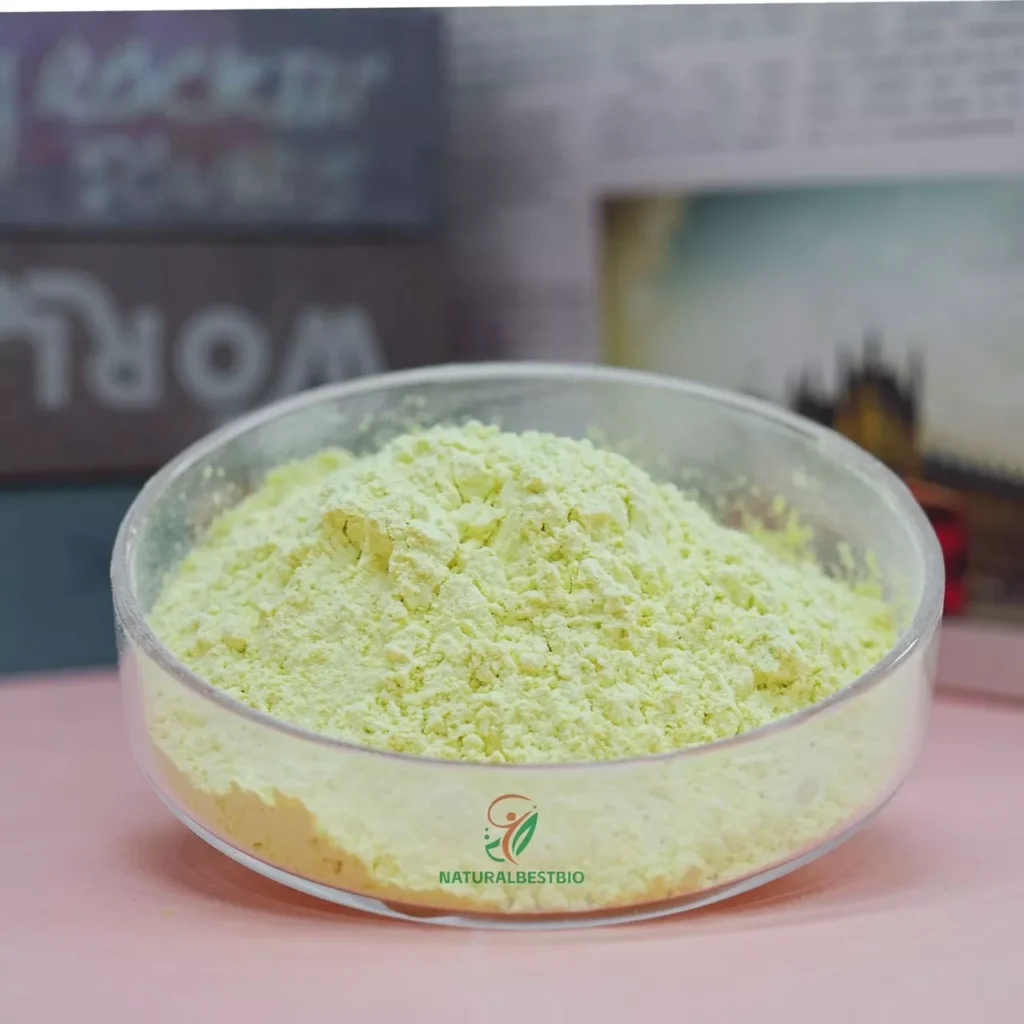
| Appearance | White crystalline powder |
| Purity | ≥98% |
| Moisture | ≤1% |
| Heavy Metals | ≤10 ppm |
| Storage | Cool, dry environment |
Compared with hygroscopic compounds, trigonelline is moderately stable, but prolonged exposure to humidity may cause degradation.
Handling Precautions
Even though trigonelline is relatively safe, proper laboratory practices should always be followed.
Recommended precautions include:
- wearing gloves and lab coat
- avoiding inhalation of powder
- storing in airtight containers
Compared with toxic alkaloids, it is safer to handle, but careless storage can still reduce product quality.
Shelf Life
Typically:
24–36 months under proper storage conditions
Compared to unstable botanical extracts, this longer shelf life is a major advantage for industrial users.
Conclusion
So, what have we learned about buying trigonelline?
At first glance, it’s just another plant alkaloid. But dig deeper, and you discover a multifunctional compound bridging chemistry, nutrition, agriculture, and pharmaceuticals.
Compared with many synthetic chemicals, trigonelline offers:
- natural origin
- metabolic relevance
- diverse industrial applications
Yet, compared with mainstream alkaloids like caffeine, it remains less commercially exploited, which means new opportunities for research and innovation.
If you’re planning to buy trigonelline, remember the golden rules:
- Verify purity and certificates
- Choose reputable suppliers
- Evaluate production methods
- Consider bulk purchasing for cost efficiency
In the end, sourcing trigonelline is not just a transaction—it’s an investment in quality, reliability, and long-term performance.
FAQ
| Question | Answer |
|---|---|
| What is trigonelline used for? | Trigonelline is used in pharmaceutical research, nutraceuticals, food flavor chemistry, cosmetics, and plant science studies. |
| Is trigonelline safe? | Compared with many alkaloids, trigonelline is considered relatively safe, though proper handling and dosage guidelines should always be followed. |
| Where can I buy trigonelline? | It can be purchased from chemical suppliers, laboratory reagent distributors, and specialized plant alkaloid manufacturers. |
| What purity level should I choose? | Analytical research typically requires ≥99% purity, while industrial uses may accept ≥95%. |
| Is natural trigonelline better than synthetic? | Natural extraction is often better for nutraceutical branding, while synthetic production is cheaper and faster for large-scale industrial use. |
| What is the shelf life of trigonelline? | When stored properly in a cool, dry place, it generally remains stable for 24–36 months. |
| Does trigonelline have side effects? | High concentrations may cause mild digestive discomfort in sensitive individuals, though it is generally less stimulating compared to caffeine. |