
Views: 1000 Author: Site Editor Publish Time: 2025-10-10 Origin: Site


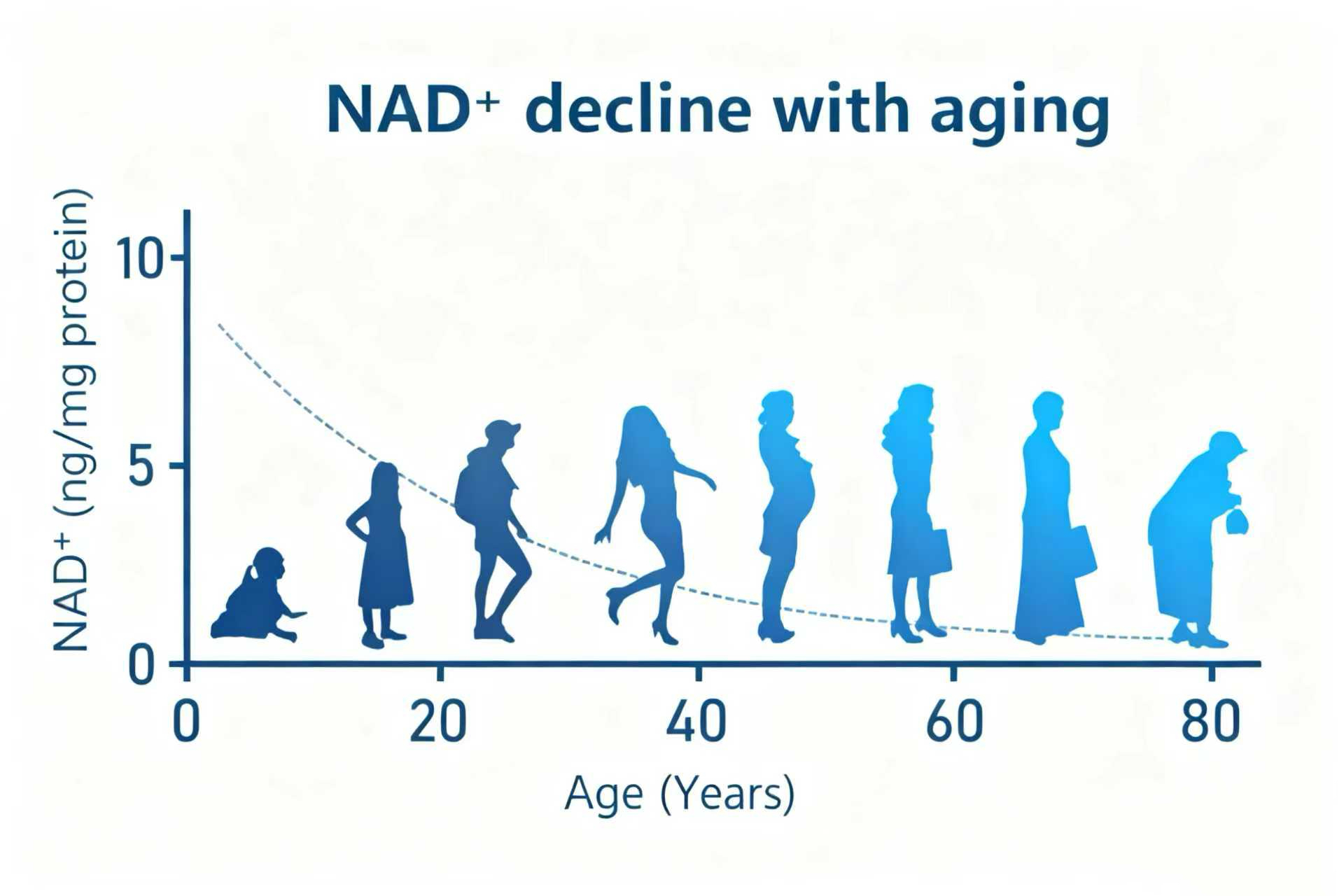
Nicotinamide adenine dinucleotide (NAD+) is universally recognized as a critical coenzyme in cellular energy metabolism, whose levels decline progressively with aging. This reduction is closely associated with age-related phenotypes, including sarcopenia (muscle loss), cognitive impairment, and mitochondrial dysfunction. While NAD+ precursors such as nicotinamide mononucleotide (NMN) and nicotinamide riboside (NR) have gained widespread attention for NAD+ replenishment, a recent multinational study involving 8 countries has identified trigonelline—a natural alkaloid abundant in coffee and curry—as a more favorable alternative for NAD+ boosting.
Despite its unfamiliar nomenclature, trigonelline is derived from commonly consumed sources:
Coffee beans: A "hidden component" in coffee, ingested inadvertently during daily consumption.
Fenugreek seeds: A staple spice in Indian curry, with a trigonelline content of no less than 0.45% per 100g of dried seeds (per pharmacopoeial standards).
Legumes: Small amounts are present in lentils, chickpeas, and related species.
Classified as a niacin (vitamin B3) analog, this alkaloid, originally utilized in traditional Ayurvedic medicine for millennia, has now been scientifically validated as a key molecule in metabolic regulation and cellular health maintenance.
Compared to other NAD+ precursors that exhibit instability or adverse effects, trigonelline’s advantages are rooted in its unique biological properties:
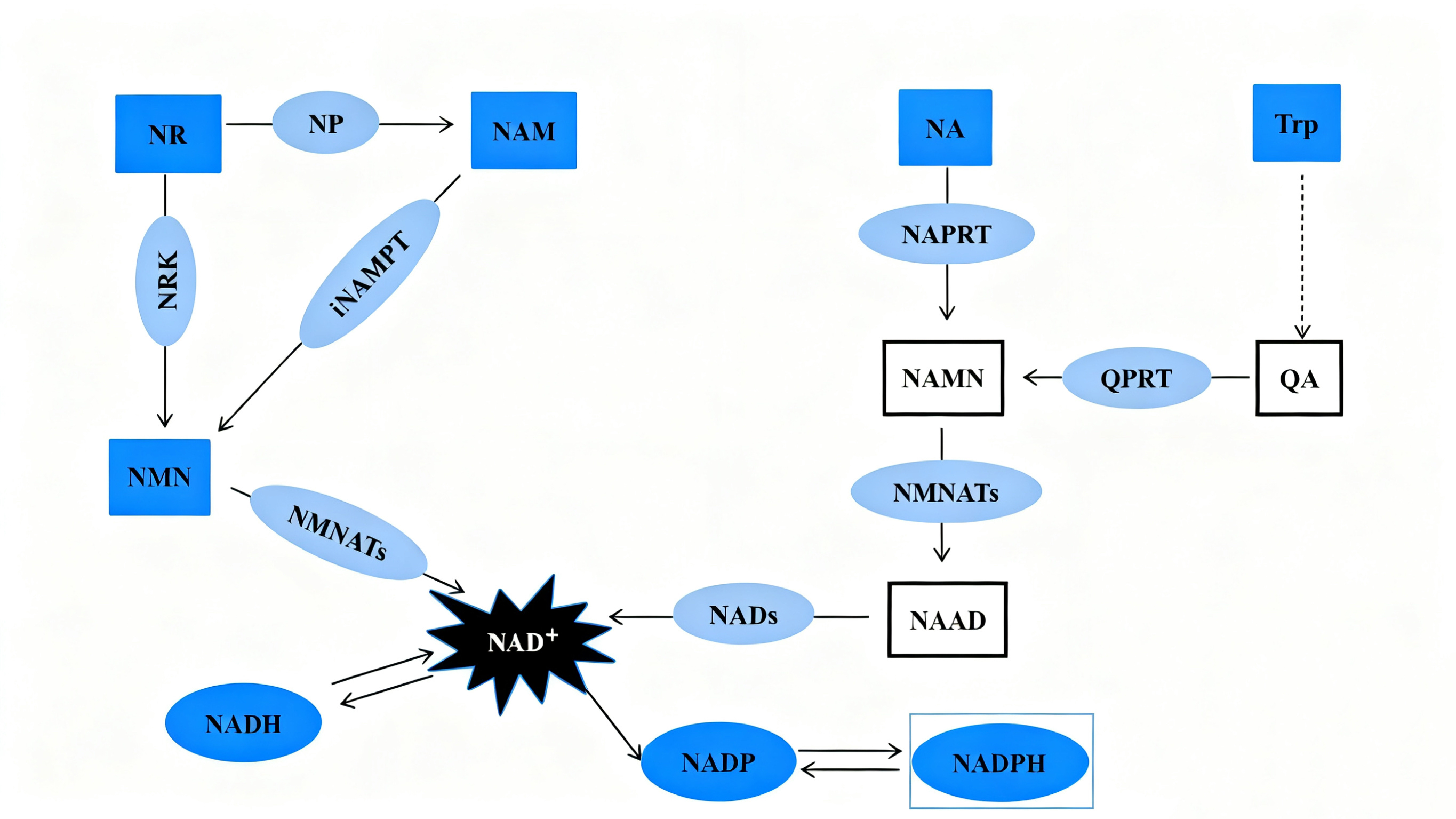
Trigonelline bypasses competitive metabolic pathways, instead utilizing the Preiss-Handler pathway for NAD+ biosynthesis. It first undergoes demethylation in vivo, then is converted to a direct NAD+ precursor by nicotinic acid phosphoribosyltransferase—an efficient, highly targeted process.
Isotope labeling studies have demonstrated its exceptional bioavailability:
High concentrations of trigonelline were detected in the liver, muscle, and kidneys of test mice post-oral administration.
It maintains stability in serum for up to 72 hours, in contrast to NMN and NR, which degrade to nicotinamide within hours.
Notably, trigonelline readily crosses the blood-brain barrier, ensuring NAD+ delivery to cerebral tissues.
Niacin-induced NAD+ supplementation often triggers "niacin flush" (facial warmth, tingling) due to GPR109A receptor activation. In contrast, trigonelline does not activate this receptor at therapeutic doses, eliminating such adverse reactions and enhancing tolerability.
Trigonelline levels are significantly lower in patients with sarcopenia. Supplementation has shown promising results:
Enhanced mitochondrial activity and grip strength in mice, with reduced fatigue during high-intensity exercise.
Extended lifespan and delayed motor function decline in Caenorhabditis elegans models.
For older adults, this translates to sustained physical independence (e.g., carrying groceries, climbing stairs).
Improved insulin sensitivity, resulting in reduced postprandial glucose peaks.
Enhanced glucose tolerance and lowered glycated hemoglobin (HbA1c)—a marker of long-term glycemic control.
Ketogenic dieters may experience synergistic glycemic benefits with fenugreek seed powder supplementation.
Studies on fenugreek seed extract (with trigonelline as the active component) confirm:
Reduced total cholesterol, triglycerides, and low-density lipoprotein (LDL, "bad cholesterol").
Increased high-density lipoprotein (HDL, "good cholesterol"), facilitating vascular lipid clearance.
Lactation enhancement: Fenugreek seed consumption increases milk production in breastfeeding mothers.
Menopausal symptom relief: Alleviates hot flashes, night sweats, and depressive symptoms in perimenopausal women.
Polycystic ovary syndrome (PCOS) management: Low-dose supplementation regulates menstrual cycles in select PCOS patients.
Mice supplemented with 5mg/kg body weight of trigonelline daily showed significantly improved maze test accuracy after 30 days. The cognitive benefits associated with coffee consumption—often attributed solely to caffeine—partly stem from trigonelline, which promotes neurogenesis. It has also demonstrated memory-repair potential in Alzheimer’s disease mouse models.
Darker roasts preserve higher trigonelline levels. 1-2 cups of black coffee daily provides both cognitive stimulation and trigonelline intake.
Ground fenugreek seeds can be sprinkled on salads, soups, or mixed into yogurt, imparting a subtle nutty flavor.
Contraindicated in pregnant individuals, children, and those with severe legume allergies (e.g., peanuts, chickpeas).
Consult a healthcare provider if taking hypoglycemic or anticoagulant medications (potential for enhanced efficacy).
Maximum daily dosage: 200mg. Exceeding this may cause gastrointestinal discomfort (bloating, dizziness).

Unlike costly anti-aging injections, trigonelline is an accessible "health dividend" found in affordable daily items (e.g., 3 coffee, 2 fenugreek seeds). It is not a "fountain of youth," however—optimal results require synergy with regular exercise and a balanced diet.
Next time you enjoy a cup of coffee, consider its dual role: not just a stimulant, but a natural contributor to cellular energy and healthy aging.
Important Reminder:All content in this article is for general reference only and is provided solely to offer information support for practitioners in the nutrition and health industry. Descriptions related to efficacy are supported by corresponding data, but they do not represent claims or guidance for consumers. Content related to health, medical care, and technological applications is for reference only. For medical matters, please consult professional medical institutions and follow medical advice. This article does not provide any medical recommendations.


