
I. Understanding Epigallocatechin Gallate: A Unique Natural Active Ingredient
Epigallocatechin gallate (EGCG) belongs to the flavanol family, a class of flavonoids with unique health benefits, and its research value is particularly prominent among numerous natural active ingredients.
In daily diet, we can actually obtain this beneficial component from a variety of common foods. For example, familiar items like cocoa, grape seeds, commonly consumed tea, as well as fresh berries and apples—these natural food sources are all high-quality providers of EGCG.
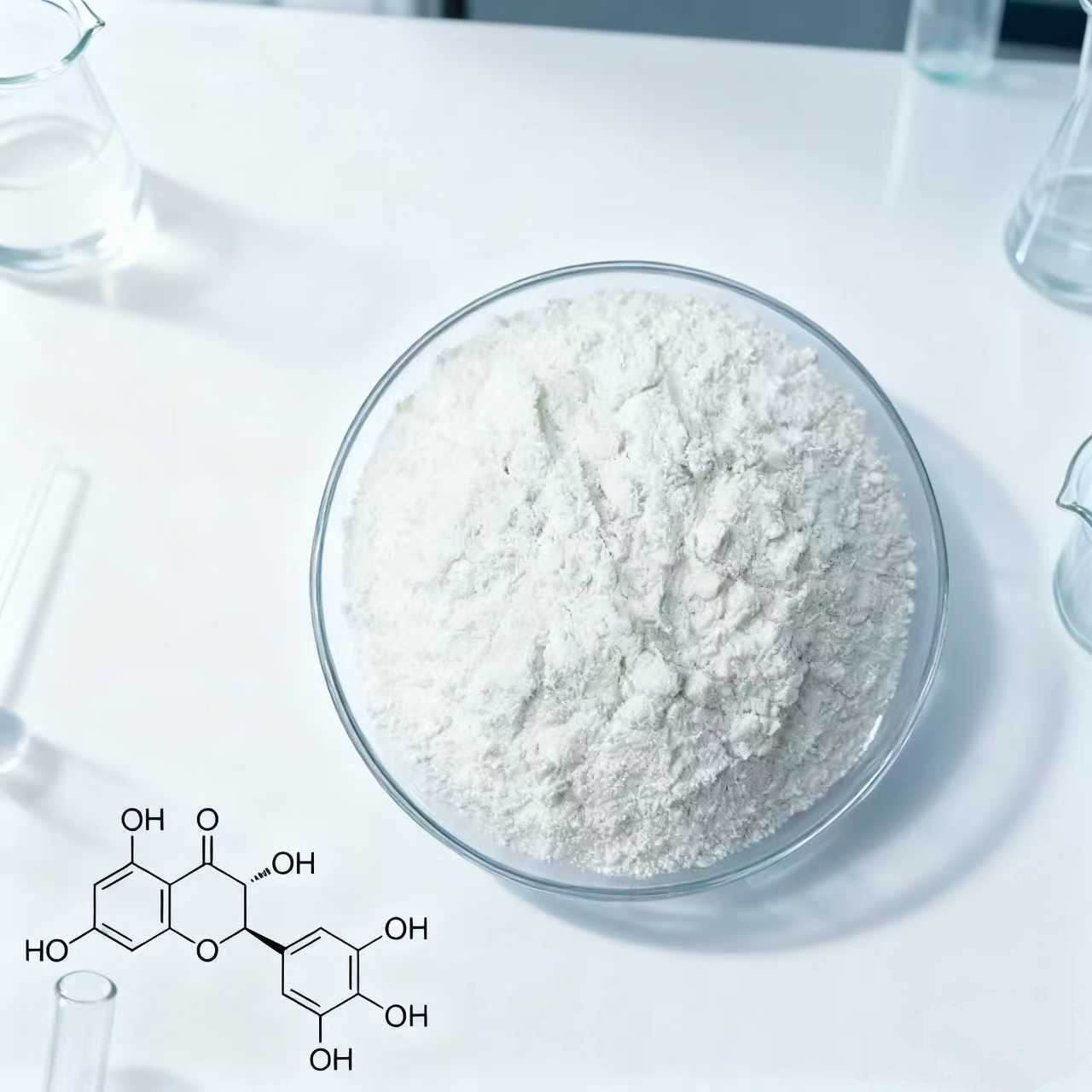
II. Core Functions of EGCG: Empowering Sports Performance
The mechanism of action of EGCG centers on the core needs of athletes and fitness enthusiasts, mainly manifested in two key directions:
1. Promoting Vasodilation and Enhancing Oxygen and Nutrient Delivery
EGCG can effectively increase the level of nitric oxide (NO) in the body. Nitric oxide is a crucial molecule that regulates blood vessel status, capable of inducing blood vessel relaxation—a process known as "vasodilation".
A direct benefit of vasodilation is smoother blood circulation throughout the body, which in turn improves the efficiency of oxygen and nutrient delivery to muscles via the bloodstream. For those engaged in sports, this means potential enhancements in muscle endurance, more stable strength performance, accelerated post-exercise recovery, and even a positive auxiliary effect on muscle growth.
The underlying principle is that EGCG inhibits the breakdown process of nitric oxide in the blood: less breakdown of nitric oxide leads to a corresponding increase in the amount of available nitric oxide in the blood. This strengthens the vasodilation effect, ultimately translating into improved sports performance.
2. Regulating Myostatin and Follistatin: Exploring Muscle-building Potential
Another major reason EGCG has gained attention in the sports supplement field is its purported ability to inhibit myostatin and upregulate follistatin. Both substances belong to "myokines"—secreted and produced by muscle cells—and play opposing regulatory roles in muscle growth.
Among them, myostatin acts as both a "regulator" and an "inhibitor" of muscle growth, limiting the upper limit of muscle development. On the other hand, follistatin serves as a "booster" for muscle growth: it relieves the "restriction" on muscle growth by blocking the signal transmission of myostatin. Simply put, the ratio of these two substances determines the potential for muscle growth: the higher the level of follistatin, the weaker the inhibitory effect of myostatin, and the greater the potential for muscle growth.
In fact, "inhibiting myostatin" has long been regarded as the "holy grail" of muscle-building supplements. Whether it is children born with exceptional muscle mass or selectively bred muscular cows, studies have found that the core reason behind their extraordinary muscle growth and development lies in the inhibited function of myostatin (usually caused by genetic mutations).
However, it is important to maintain an objective perspective: while some existing studies have shown that EGCG may have a positive impact on muscle growth, more targeted research is still needed to clarify the connection and deepen understanding of whether EGCG can directly act as a "myostatin inhibitor" and how it specifically regulates the balance between myostatin and follistatin in the human body.
III. Scientific Dosage: 200-300 mg per Day is Key
Current studies on EGCG dosage have yielded varying benefits and results. Nevertheless, based on comprehensive existing data, a daily supplement of 200-300 mg of EGCG is generally sufficient to achieve the aforementioned effects, such as vasodilation and auxiliary improvement of sports performance.
Of course, since there is still room for supplementing human research data, more clinical studies will be required in the future to further confirm a more precise "clinically effective dosage".
IV. Timing of Intake: Pre-workout is Optimal
A major advantage of EGCG is that it does not cause stimulant effects, so it can be taken at any time of the day without worrying about disrupting sleep or daily state.
However, if you want to maximize its effect of "increasing nitric oxide levels", it is recommended to take EGCG before exercise . This allows the body to maintain an optimal blood circulation state during exercise, continuously supplying energy to the muscles and better supporting sports performance.
V. Onset Time: Consistent Supplementation is a Prerequisite
The effects of EGCG are not immediate. The onset time of different functions varies depending on the "duration of consistent supplementation", and the core principle is that "persistent use is necessary to see more obvious effects":
-
For the effect of "increasing nitric oxide levels": Studies have found that significant increases in nitric oxide levels can be observed after 5 consecutive days of supplementation, and the effect will further strengthen with continued use thereafter;
-
For the potential effect of "regulating myostatin and follistatin": Currently, the research evidence in humans is insufficient. However, studies on rats have shown that relevant effects can only be observed after at least 14 consecutive days of supplementation, and some studies have indicated that significant effects are only noticeable after 30 consecutive days of supplementation.
In general, the effects of EGCG rely on "consistency", and long-term and regular supplementation is essential to maximize its potential.
References
Paavola, K.J. and R.A. Hall, Adhesion G protein-coupled receptors: signaling, pharmacology, and mechanisms of activation. Molecular pharmacology, 2012. 82(5): p. 777-783.
Stephenson, J.R., R.H. Purcell, and R.A. Hall, The BAI subfamily of adhesion GPCRs: synaptic regulation and beyond. Trends in pharmacological sciences, 2014. 35(4): p. 208-215.
Zeisel, A., et al., Molecular architecture of the mouse nervous system. Cell, 2018. 174(4): p. 999-1014.
Duman, J.G., Y.-K. Tu, and K.F. Tolias, Emerging roles of BAI adhesion-GPCRs in synapse development and plasticity. Neural plasticity, 2016. 2016
Important Reminder:All content in this article is for general reference only and is provided solely to offer information support for practitioners in the nutrition and health industry. Descriptions related to efficacy are supported by corresponding data, but they do not represent claims or guidance for consumers. Content related to health, medical care, and technological applications is for reference only. For medical matters, please consult professional medical institutions and follow medical advice. This article does not provide any medical recommendations.


