

I. What is Epigallocatechin Gallate (EGCG)?
1. The Botanical Classification of EGCG
Epigallocatechin gallate (EGCG) belongs to the flavanol family. This is a unique class of flavonoids known for diverse health benefits. Its research value is prominent among natural active ingredients.
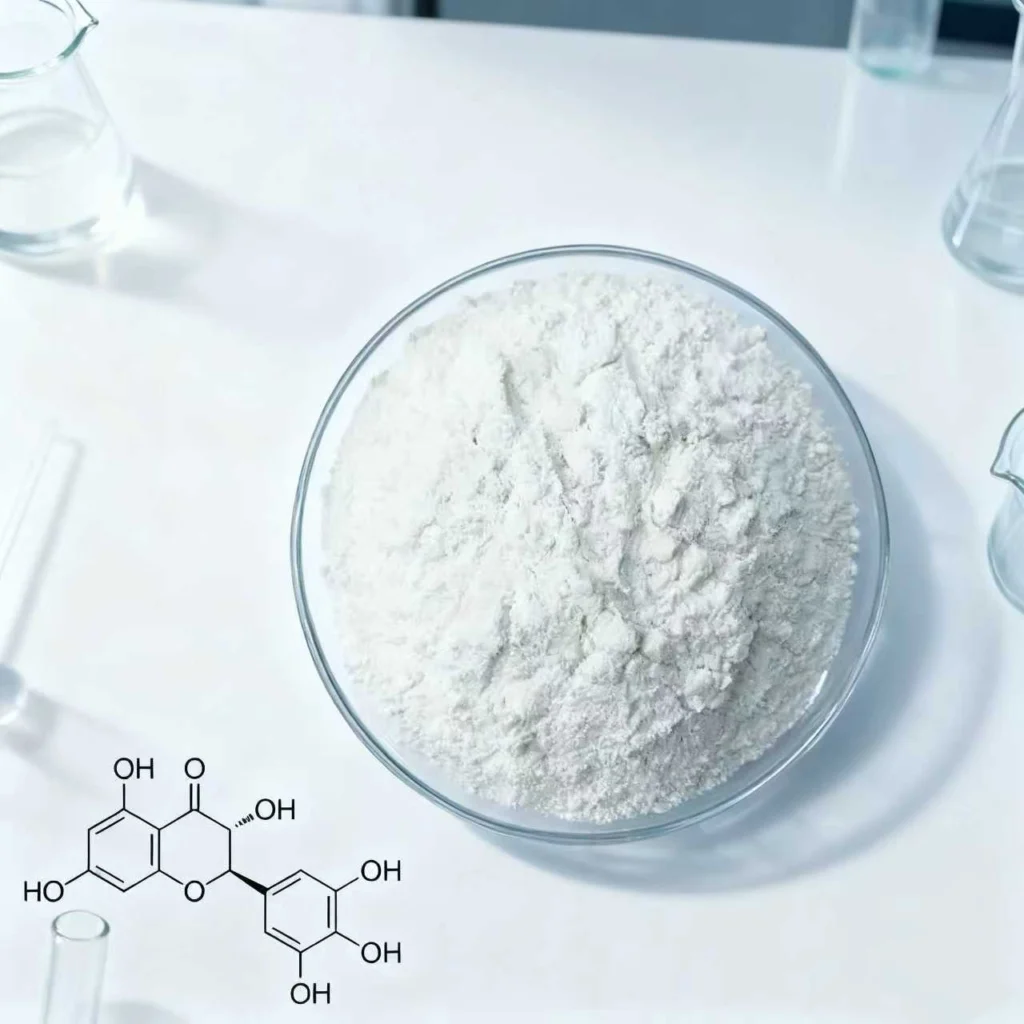
II. Core Functions of EGCG: Empo2. Common Natural Food Sources
We can obtain this beneficial component from a variety of common foods. High-quality natural sources include:
- Cocoa and grape seeds.
- Commonly consumed green and black tea.
- Fresh berries and apples.
II. Core Functions: How EGCG Empowers Sports Performance
The mechanism of EGCG centers on the needs of athletes and fitness enthusiasts. Its performance-enhancing effects manifest in two main directions.
1. Nitric Oxide Boosting and Vasodilation
EGCG effectively increases nitric oxide (NO) levels in the human body. Nitric oxide is a crucial molecule that regulates blood vessel status. It induces blood vessel relaxation, a biological process known as “vasodilation”.
[EGCG Supplementation] ──> [Inhibits NO Breakdown] ──> [Elevates Nitric Oxide Levels] ──> [Triggers Vasodilation]
A direct benefit of vasodilation is smoother blood circulation. Improved circulation increases the delivery efficiency of oxygen and nutrients to active muscles. For fitness enthusiasts, this mechanism supports several performance metrics:
- Enhanced Muscle Endurance: Prolongs time to exhaustion during high-intensity sessions.
- Stable Strength Output: Optimizes nutrient availability during heavy lifts.
- Accelerated Post-Exercise Recovery: Flushes metabolic waste from tissues quickly.
- Muscle Growth Support: Creates an ideal environment for muscle protein synthesis.
The underlying principle is straightforward. EGCG blocks the breakdown of nitric oxide in the bloodstream. Less breakdown leads to a higher volume of available nitric oxide. This strengthens the vasodilation effect and translates into superior athletic output.
2. Myostatin Inhibition and Muscle-Building Potential
EGCG has gained massive attention for its ability to inhibit myostatin and upregulate follistatin. Both substances are “myokines”. Muscle cells secrete them to play opposing roles in tissue development.
- Myostatin: Acts as a strict regulator and inhibitor. It limits the upper threshold of genetic muscle development.
- Follistatin: Serves as a powerful muscle-building booster. It relieves growth restrictions by blocking myostatin signaling pathways.
[Higher Follistatin Levels] ──> [Blocks Myostatin Signaling] ──> [Unlocks Higher Muscle Growth Potential]
The ratio of these two myokines determines overall muscle hypertrophy potential. Higher follistatin levels weaken myostatin restrictions, unlocking greater muscle-building capacity.
Inhibiting myostatin is considered the “holy grail” of sports nutrition. Natural genetic mutations that inhibit myostatin cause extraordinary muscle mass in certain animals and humans.
However, product formulators must maintain an objective view. Current studies show that EGCG has a positive impact on muscle profiles. Yet, more targeted human trials are required. Future research must clarify how EGCG regulates the precise balance between myostatin and follistatin in human tissue.
III. Strategic Formulation Guidelines for Sports Supplements
1. Scientific Dosing Parameters
Current studies on EGCG dosages yield varying results. Based on comprehensive raw material data, a daily supplement dose of 200 mg to 300 mg of pure EGCG is sufficient. This baseline achieves optimal vasodilation and supports general sports performance.
More clinical data is still needed. Future human trials will help establish a more precise, clinically effective standard for diverse athletic groups.
2. Optimal Timing of Supplement Intake
A major advantage of isolated EGCG is that it does not cause central nervous system stimulant effects. Formulators can position it for any time of day without risking sleep disruption.
However, to maximize nitric oxide levels, the pre-workout window is optimal. Taking EGCG before exercise ensures peak blood circulation during training. This creates a continuous nutrient supply to working muscle fibers.
3. Expected Onset Timeline
The biological benefits of EGCG are not immediate. The onset timeline depends on consistent supplementation. Athletes must maintain a regular routine to see obvious results.
- For Nitric Oxide and Vasodilation: Significant increases in blood nitric oxide appear after 5 consecutive days of regular supplementation. The effect strengthens with continued use.
- For Myostatin and Follistatin Regulation: Human evidence remains limited. However, animal models indicate that relevant cellular changes require at least 14 to 30 consecutive days of steady intake.
IV. B2B Sourcing: Raw Material Quality Benchmarks
When importing bulk green tea extracts for sports formulas, procurement teams must look past baseline pricing. Prioritize high-purity, isolated active ingredients to ensure product stability and clean label claims.
1. Technical Specifications for Procurement
Ensure your source factory provides a lot-specific Certificate of Analysis (COA) matching these key metrics:
- CAS Number: 989-51-5
- Assay Purity: 95% or higher (98% min HPLC purity preferred for advanced capsules).
- Caffeine Limits: 1.0% maximum residue. Decaffeinated grades are mandatory to prevent unwanted stimulant stacking in pre-workout powders.
- Heavy Metals Profile: Total heavy metals must be 10 ppm or less, compliant with international FDA CGMP 21 CFR 111 regulations.
2. Packaging and Stability Protocols
Pure EGCG powder is highly hygroscopic and vulnerable to ambient oxidation. Exposure to moisture and UV light turns the pale powder dark brown, reducing active potency. Sourcing specifications must mandate double-layered anti-static food-grade bags sealed inside vacuum fiber drums, stored in facilities below 25°C.
V. References and Academic Literature
- Paavola, K.J. and R.A. Hall, Adhesion G protein-coupled receptors: signaling, pharmacology, and mechanisms of activation. Molecular Pharmacology, 2012. 82(5): p. 777-783.
- Stephenson, J.R., R.H. Purcell, and R.A. Hall, The BAI subfamily of adhesion GPCRs: synaptic regulation and beyond. Trends in Pharmacological Sciences, 2014. 35(4): p. 208-215.
- Zeisel, A., et al., Molecular architecture of the mouse nervous system. Cell, 2018. 174(4): p. 999-1014.
- Duman, J.G., Y.-K. Tu, and K.F. Tolias, Emerging roles of BAI adhesion-GPCRs in synapse development and plasticity. Neural Plasticity, 2016.
- For international regulatory compliance and contaminant thresholds, review the European Food Safety Authority (EFSA) Guidelines on Green Tea Catechins.
Important Reminder: All content in this article is for general reference only. It is provided solely to offer information support for practitioners in the nutrition, sports supplement, and health industry. Descriptions related to efficacy are supported by corresponding data, but they do not represent claims or formulation guidance for end consumers. Content related to health, medical care, and technological applications is for industrial reference only. For medical matters, please consult professional medical institutions and follow medical advice. This article does not provide any medical recommendations.