The global nutraceutical market is evolving faster than ever. Every year, new bioactive compounds enter the spotlight, promising better health, stronger longevity support, and smarter cellular performance. Among these emerging compounds, Urolithin A has captured the attention of researchers, supplement brands, and consumers alike.
But here’s the big question many companies ask: How do you find a reliable Urolithin A supplier?
Choosing the right supplier is a bit like selecting the engine for a race car. If the engine isn’t powerful, efficient, and reliable, the entire machine fails—no matter how sleek the exterior looks.
In the same way, Urolithin A suppliers determine product quality, cost efficiency, regulatory compliance, and long-term brand success.
This guide dives deep into everything you need to know about Urolithin A specifications, pricing factors, supplier verification, international procurement, and cost optimization strategies. Whether you’re a supplement startup or a global nutraceutical brand, this article will help you navigate the complex world of sourcing Urolithin A.
Introduction to Urolithin A Specifications
Before choosing a supplier, it’s essential to understand what Urolithin A actually is and what specifications define a high-quality product.
Think of specifications as the DNA of the ingredient—they reveal its purity, potency, safety, and functionality.
What is Urolithin A?
Urolithin A is a natural metabolite produced by gut microbiota from ellagitannins found in pomegranates and berries. Because less than 40% of people produce meaningful amounts naturally, supplementation has become a major focus in anti-aging science. For more information on the research, check the NIH database on mitochondrial health.
Anti-aging Mechanism of Urolithin A
Urolithin A is famous for its ability to support mitochondrial health through a process called mitophagy.
Mitophagy is like cellular housekeeping.
Old, damaged mitochondria accumulate in cells over time. If they aren’t cleared away, they reduce energy production and accelerate aging.
Urolithin A helps by:
- Stimulating mitochondrial recycling
- Improving muscle function
- Enhancing cellular energy production
- Supporting longevity pathways
Compared with other longevity ingredients such as resveratrol or NAD+ precursors, Urolithin A works through a different mechanism focused directly on mitochondrial renewal.
This makes it a stronger and more targeted mitochondrial health compound.
Common Specifications of Urolithin A
When purchasing from a Urolithin A supplier, specifications usually include the following parameters:
| Specification Category | Typical Industry Standard | Description |
|---|---|---|
| Purity | ≥ 98% | High purity ensures biological effectiveness |
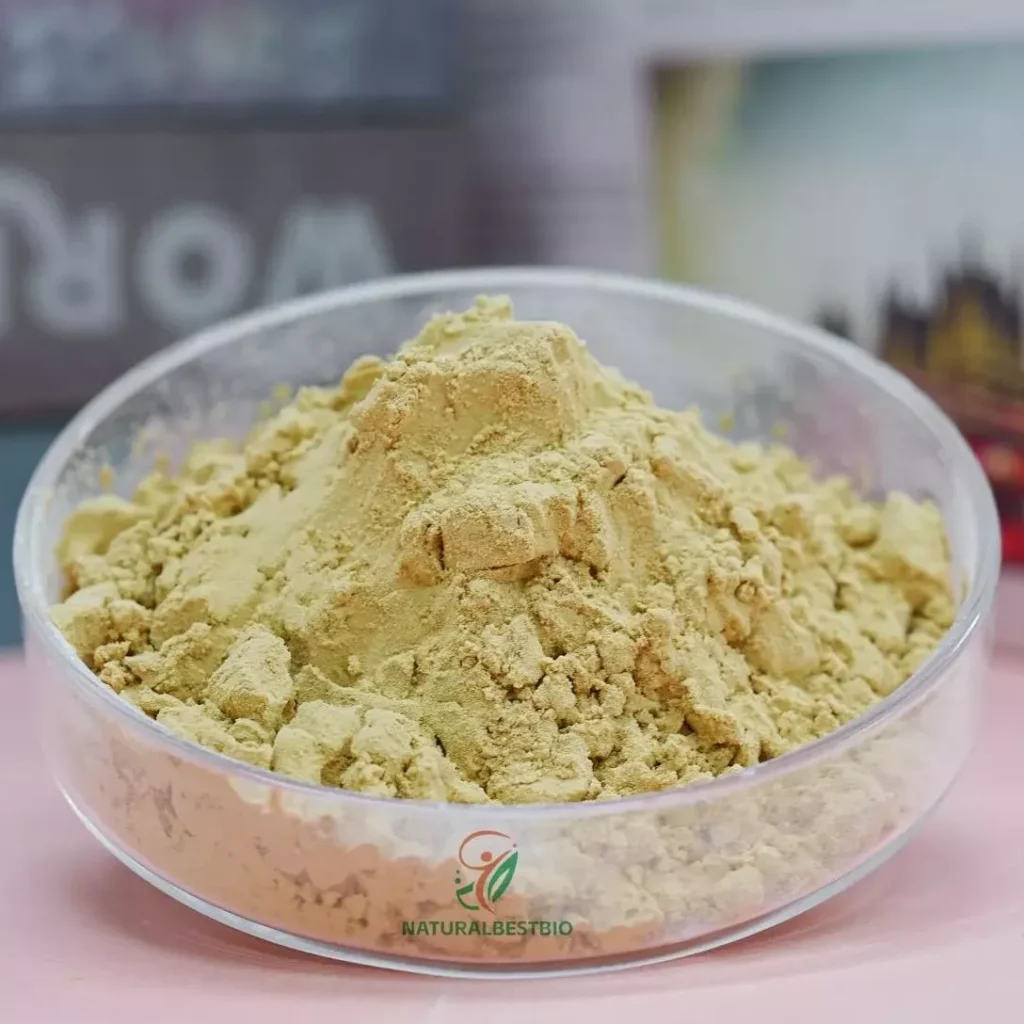
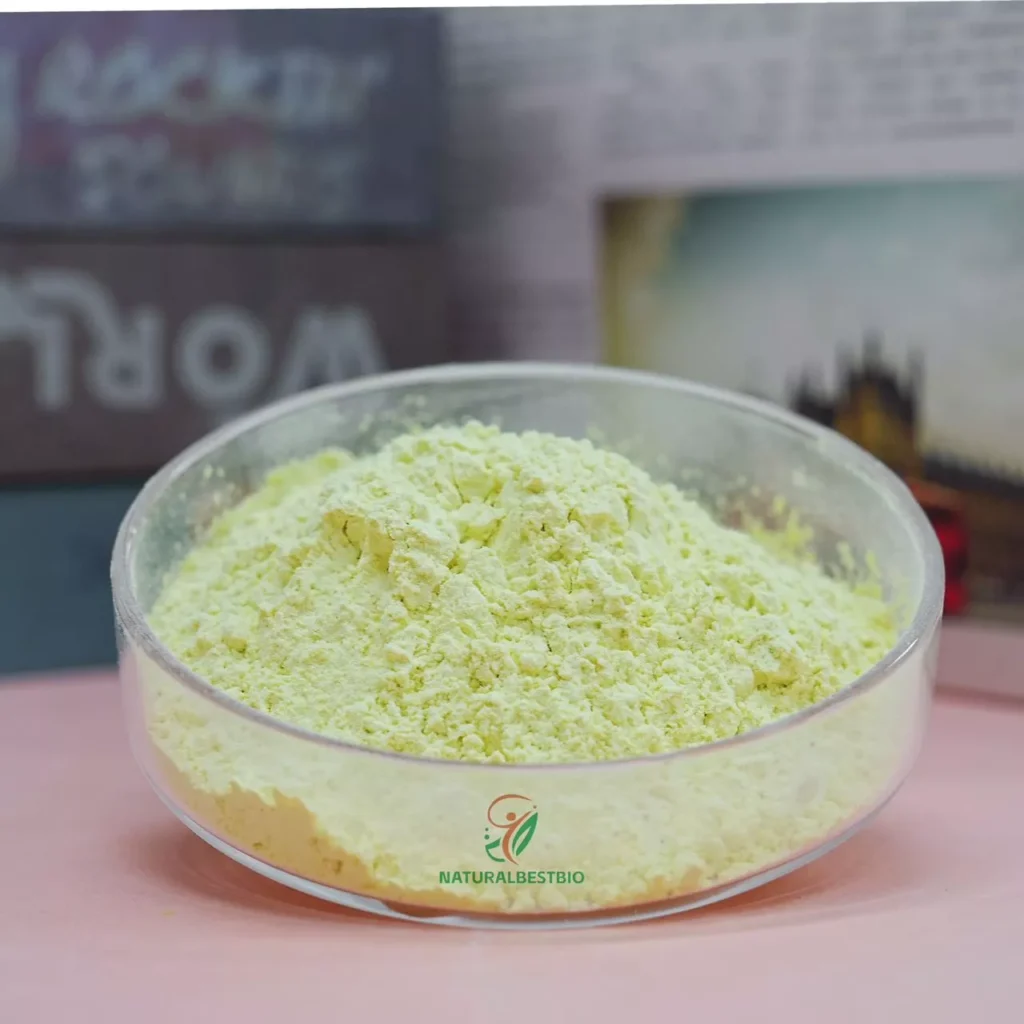
| Appearance | Light yellow powder | Visual indicator of quality |
| Molecular Formula | C13H8O4 | Chemical structure |
| Molecular Weight | 228.20 g/mol | Molecular identification |
| Loss on Drying | ≤ 1% | Moisture control |
| Heavy Metals | <10 ppm | Safety requirement |
| Residual Solvents | Compliant with pharmacopeia | Manufacturing safety |
| Microbial Limits | Meets USP/EP standards | Food safety compliance |
Why Purity Matters
Higher purity means stronger bioactivity.
For example:
- 98% Urolithin A is more potent compared to 90% purity extracts
- Higher purity also means less filler compounds
However, higher purity is more expensive because purification requires advanced synthesis and chromatography processes.
So brands must balance cost versus performance.
Popular Types of Urolithin A Products
Suppliers typically provide Urolithin A in several forms.
| Product Form | Advantages | Disadvantages |
|---|---|---|
| Raw Powder | Flexible formulation | Requires encapsulation |
| Capsules | Consumer-ready | Higher cost |
| Tablets | Longer shelf life | Slower absorption |
| Water-soluble powders | Faster absorption | More expensive manufacturing |
Compared with tablets, capsules are lighter, easier to digest, and faster absorbed.
Compared with capsules, water-soluble forms may deliver faster bioavailability.
But these advanced forms are more expensive to manufacture.
Key Factors Influencing the Price of Urolithin A
If you’ve ever requested quotes from multiple Urolithin A suppliers, you might have noticed something puzzling.
Prices can vary dramatically.
Sometimes by 3–5 times.
Why?
Let’s unpack the main factors.
Production Method
There are two main production routes:
Chemical Synthesis
Advantages:
- Faster production
- Scalable manufacturing
- Lower cost compared to fermentation
Disadvantages:
- Complex purification
- Potential residual solvents
Microbial Fermentation
Advantages:
- More natural production
- Cleaner metabolic pathways
- Preferred for premium brands
Disadvantages:
- Slower production
- Higher costs
- Lower yields
Compared with fermentation, chemical synthesis is faster and less expensive, but fermentation may appeal to brands targeting natural or organic markets.
Raw Material Availability
The availability of precursor compounds significantly impacts price.
For example:
- Ellagic acid
- Ellagitannin derivatives
If these inputs become scarce, Urolithin A costs increase.
Just like crude oil affects gasoline prices, precursor supply affects nutraceutical pricing.
Supplier Production Capacity
Large manufacturers often offer lower prices.
Why?
Because they benefit from economies of scale.
Small laboratories produce smaller batches, which are:
- More expensive
- Less consistent
Compared with small suppliers, large factories deliver faster lead times and lower cost per kilogram.
Certification and Compliance
High-quality suppliers invest heavily in certifications such as:
- GMP
- ISO
- HACCP
- FDA registration
These certifications increase operational costs but provide stronger safety guarantees.
Compared with uncertified suppliers, certified manufacturers are more reliable but slightly more expensive.
Global Demand and Market Trends
Urolithin A has exploded in popularity due to longevity science and anti-aging research.
As demand rises, prices may fluctuate.
For example:
- A new clinical trial publication can increase demand
- Supply shortages may follow
This dynamic market is similar to collagen peptides and NMN, which experienced massive price swings.
How to Verify the Quality of Urolithin A
Selecting a supplier without verifying quality is like buying a car without checking the engine.
You might get lucky.
Or you might end up with a disaster.
Here’s how professionals verify Urolithin A quality.
Certificate of Analysis (COA)
A COA provides laboratory results confirming:
- Purity
- Heavy metal levels
- Microbial contamination
- Residual solvents
Always request a third-party tested COA.
Compared with internal lab tests, independent labs provide stronger credibility.
Analytical Testing Methods
Reliable suppliers use advanced testing technologies such as:
| Testing Method | Purpose |
|---|---|
| HPLC | Purity verification |
| Mass Spectrometry | Molecular confirmation |
| NMR | Structural analysis |
| Microbial testing | Safety evaluation |
HPLC is considered the gold standard for Urolithin A purity testing.
Compared with basic UV analysis, HPLC provides more precise and reliable results.
Stability Testing
High-quality Urolithin A should remain stable under conditions such as:
- Heat
- Light exposure
- Humidity
Suppliers should provide stability data showing shelf life (typically 24 months).
Compared with unstable compounds, Urolithin A is relatively stable, making it suitable for capsules and tablets.
Clinical Research Support
Premium suppliers often support their ingredients with clinical trials.
These trials demonstrate benefits like:
- Muscle endurance improvement
- Mitochondrial health
- Aging support
Compared with generic ingredients, clinically validated Urolithin A commands higher trust and price.
International Brand Procurement Process
For international supplement brands, sourcing Urolithin A is a multi-step process.
Think of it as building a global supply chain puzzle.
Each piece must fit perfectly.
Step 1: Supplier Identification
Brands typically search through:
- Ingredient exhibitions
- Industry databases
- B2B platforms
- Scientific partnerships
Step 2: Technical Evaluation
Companies assess:
- Production technology
- R&D capability
- Quality control systems
Compared with trading companies, direct manufacturers offer better pricing and stronger quality control.
Step 3: Sample Testing
Brands request sample batches for testing.
Internal laboratories evaluate:
- Purity
- Solubility
- Stability
- Capsule compatibility
Step 4: Regulatory Compliance
Different markets have different regulatory requirements.
For example:
| Region | Regulation |
|---|---|
| United States | FDA dietary supplement rules |
| European Union | Novel Food regulations |
| China | NMPA regulations |
Suppliers must provide regulatory documentation to ensure compliance.
Step 5: Commercial Negotiation
Negotiations include:
- Pricing tiers
- Minimum order quantity (MOQ)
- Delivery schedules
- Payment terms
Large brands often secure better pricing compared with startups due to higher order volumes.
Strategies for Reducing Procurement Costs
Sourcing Urolithin A doesn’t have to break the bank.
Smart procurement strategies can reduce costs significantly.
Bulk Purchasing
Larger orders often unlock significant discounts.
For example:
| Purchase Volume | Typical Discount |
|---|---|
| 1 kg | Base price |
| 10 kg | 10–15% discount |
| 100 kg | 25–40% discount |
Compared with small orders, bulk purchasing is far more cost-efficient.
Long-Term Supply Contracts
Signing annual agreements helps suppliers plan production.
This often leads to:
- Lower pricing
- Priority manufacturing
- Faster delivery
Compared with spot purchasing, long-term contracts provide better price stability.
Direct Manufacturer Partnerships
Working directly with manufacturers eliminates middlemen markups.
Compared with distributors, direct factory sourcing is cheaper but requires more due diligence.
Optimizing Formulation Dosage
Some brands reduce costs by adjusting dosage levels.
For example:
- 250 mg capsules instead of 500 mg
This makes the product lighter and less expensive while still maintaining efficacy.
However, dosage reductions must align with clinical evidence.
FAQ
| Question | Answer |
|---|---|
| What is the typical purity of Urolithin A sold by suppliers? | Most high-quality suppliers offer ≥98% purity for nutraceutical applications. |
| Is synthetic Urolithin A safe? | Yes, when manufactured under GMP conditions and properly purified, synthetic Urolithin A is considered safe and effective. |
| Why is Urolithin A more expensive compared with other antioxidants? | Its complex synthesis process, limited suppliers, and strong clinical demand make it more expensive than common antioxidants like vitamin C or resveratrol. |
| How should Urolithin A be stored? | Store in a cool, dry place away from light and moisture to maintain stability. |
| Who benefits most from Urolithin A supplementation? | Older adults, athletes, and individuals seeking mitochondrial support often benefit the most. |
| Are there side effects? | Most studies report good safety profiles, though mild digestive discomfort may occur in sensitive individuals. |
| What documents should a supplier provide? | COA, MSDS, GMP certification, stability data, and regulatory compliance documentation. |
| What is the typical MOQ for Urolithin A suppliers? | Minimum orders usually range from 1–5 kg depending on supplier capacity. |
Conclusion
The demand for Urolithin A is growing rapidly as consumers seek smarter solutions for longevity, mitochondrial health, and muscle performance.
But choosing the right Urolithin A supplier requires careful evaluation.
Companies must consider:
- Specifications and purity
- Production technology
- Quality verification methods
- Regulatory compliance
- Procurement cost strategies
Compared with many nutraceutical ingredients, Urolithin A is more complex, more specialized, and often more expensive.
However, its strong scientific backing and unique mitochondrial benefits make it one of the most promising anti-aging ingredients in the supplement industry today.
In the end, the right supplier isn’t just a vendor.
They’re a strategic partner in your product’s success.
And when it comes to Urolithin A, that partnership can make the difference between a mediocre supplement and a market-leading innovation.